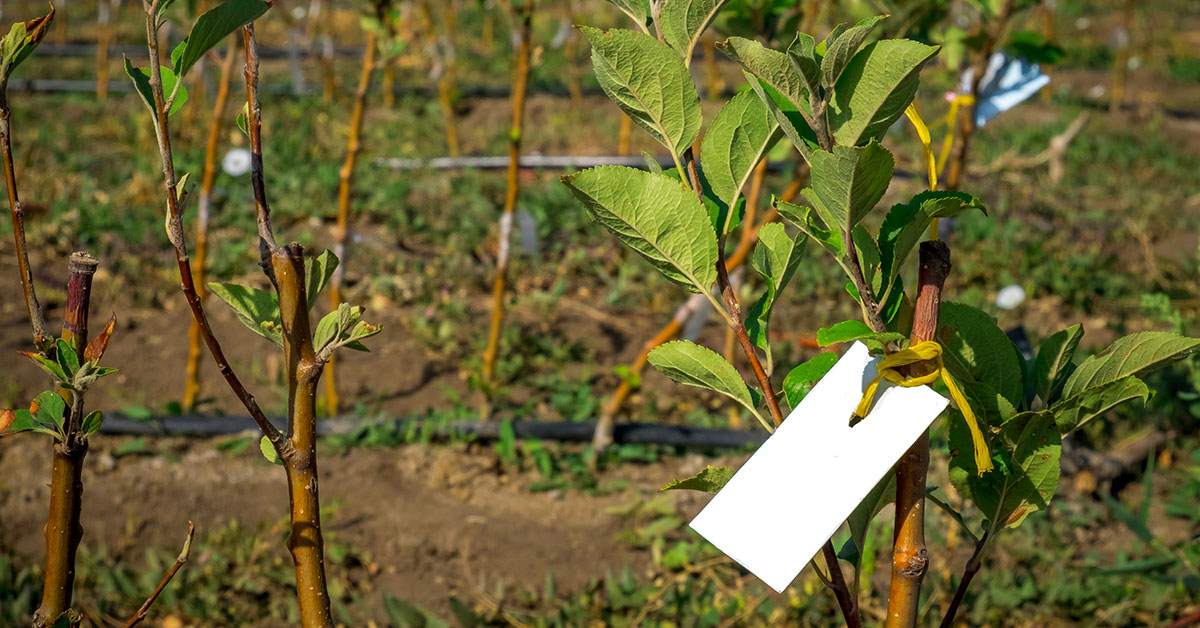

Welcome to the world of pear tree cultivation! If you’re looking to add a touch of elegance and a burst of flavor to your garden, then growing Hood Pear trees might just be the perfect choice for you. Hood Pear, also known as the “Hood River Pear,” is a popular variety that originated in the Hood River Valley of Oregon, USA. Known for its exceptional taste, crisp texture, and beautiful appearance, the Hood Pear tree is a delight to grow and harvest.
In this article, we will guide you through the process of successfully cultivating Hood Pear trees, from selecting the right planting location to providing optimal care and maintenance. So, let’s dive in and discover the secrets to growing these delectable fruits in your own backyard!
What are Hood Pears?
Hood Pear, also known as the Hood River Pear, is a popular variety of pear tree that is highly regarded for its exceptional flavor and juicy texture. It is a medium to large-sized pear with a round shape and a greenish-yellow skin that develops a slight blush of red when fully ripe. The flesh is creamy-white, tender, and aromatic, offering a sweet and slightly tart taste that is highly enjoyable. Hood Pear trees are known for their vigorous growth and upright habit, reaching a height of around 15 to 20 feet at maturity.
They are self-fertile, meaning they do not require cross-pollination from another pear tree to produce fruit. However, planting multiple trees can increase the yield and improve fruit quality. These pear trees thrive in full sun and well-draining soil, preferably with a pH level between 6.0 and 7.5. They are known to be relatively disease-resistant, making them a suitable choice for home gardeners.
Hood Pears are typically harvested in late summer or early fall, and they can be stored for several weeks under proper conditions. Overall, Hood Pear is a highly recommended variety for its excellent flavor, reliable productivity, and ease of cultivation. It is a delightful addition to any home orchard or garden.
What do Hood Pears taste like?
Hood Pear is a variety of pear known for its exceptional flavor profile. It offers a unique combination of sweetness and tartness, creating a well-balanced taste that is highly enjoyable.
The flavor of Hood Pear is often described as rich and aromatic, with a hint of citrus notes. Its sweetness is pronounced, providing a luscious and juicy experience when bitten into. The natural sugars in the fruit give it a pleasant sweetness that is not overpowering.
At the same time, Hood Pear also possesses a refreshing tartness that adds complexity to its flavor. This tartness provides a slight tangy sensation, enhancing the overall taste experience. It helps to balance the sweetness and prevents the pear from becoming overly sugary.
The texture of Hood Pear is smooth and buttery, making it incredibly enjoyable to eat. It has a fine-grained flesh that is both tender and juicy. The combination of its flavor and texture makes Hood Pear a perfect choice for eating fresh, as well as for use in various culinary applications.
Overall, Hood Pear offers a delightful flavor profile that is both sweet and tart, with a hint of citrus. Its rich and aromatic taste, along with its smooth texture, makes it a highly sought-after variety among pear enthusiasts.
How to start Hood Pears from seeds
Growing Hood Pear trees can be a rewarding experience, as they produce delicious and juicy fruits. Here is a step-by-step guide on starting Hood Pear trees:
- Choosing the Right Location: Hood Pear trees thrive in full sun, so select a location in your garden that receives at least 6-8 hours of direct sunlight each day. Ensure that the soil is well-draining and rich in organic matter.
- Obtaining Graft Stock: Hood Pear trees are typically propagated through grafting. You can purchase a Hood Pear graft from a reputable nursery or obtain scion wood from an existing Hood Pear tree and graft it onto a compatible rootstock.
- Preparing the Soil: Before planting, prepare the soil by removing any weeds or grass from the planting area. Loosen the soil to a depth of about 12-18 inches and amend it with well-rotted compost or aged manure to improve its fertility and drainage.
- Planting the Tree: Dig a hole that is wide and deep enough to accommodate the root system of the graft. Place the tree in the hole, ensuring that the graft union (the swollen area where the scion and rootstock meet) is above the soil line. Backfill the hole with soil, gently firming it around the roots to eliminate air pockets.
- Watering: After planting, water the tree thoroughly to settle the soil and provide moisture to the roots. Keep the soil consistently moist but not waterlogged during the first year of growth. Water deeply once a week, or more frequently during hot and dry periods.
- Mulching: Apply a layer of organic mulch, such as wood chips or straw, around the base of the tree. Mulching helps conserve soil moisture, suppresses weed growth, and regulates soil temperature. Leave a gap around the trunk to prevent moisture buildup and potential rot.
- Pruning: Pruning is essential for shaping the tree, promoting airflow, and removing any dead or diseased branches. Prune Hood Pear trees during the dormant season, preferably in late winter or early spring before new growth begins.
- Fertilizing: Hood Pear trees benefit from regular fertilization to ensure healthy growth and fruit production. Apply a balanced fertilizer, such as a 10-10-10 or 14-14-14 formulation, in early spring before new growth emerges. Follow the manufacturer’s instructions for application rates.
- Pest and Disease Management: Monitor your Hood Pear tree regularly for any signs of pests or diseases, such as pear psylla, fire blight, or pear rust. If detected, take appropriate measures to control the issue, such as using organic insecticides or contacting a local extension office for guidance.
- Harvesting: Hood Pears are typically ready for harvest in late summer or early fall. The fruits should be firm but not rock hard when picked. Allow them to ripen at room temperature for a few days before enjoying their sweet and juicy flavor.
Remember to provide regular care and maintenance to your Hood Pear tree, including adequate water, proper pruning, and protection from pests and diseases. With patience and attention, you can enjoy a bountiful harvest of delicious Hood Pears for years to come.
When to plant Hood Pears outdoors
The ideal time to plant Hood Pear trees is during the late winter or early spring, before the tree starts to bud and the ground thaws. This allows the tree to establish its root system before the hot summer months. Planting in the fall is also possible, but it is important to ensure that the tree has enough time to establish roots before the onset of winter.
Growing & care guide Hood Pears
Hood Pear trees, also known as Hood River pears, are a popular variety of pear tree known for their sweet and juicy fruit. To ensure the health and productivity of your Hood Pear tree, it is important to follow some best practices for caring for it. Here are some guidelines to help you:
- Planting: Choose a location that receives full sun for at least 6-8 hours a day. Hood Pear trees prefer well-draining soil with a pH level between 6.0 and 7.0. Dig a hole that is wide and deep enough to accommodate the tree’s root system. Place the tree in the hole, making sure the bud union (the swollen area where the tree was grafted onto the rootstock) is above the soil level. Fill the hole with soil, gently firming it around the roots.
- Watering: Proper watering is crucial for the establishment and growth of Hood Pear trees. Water deeply and regularly, especially during dry periods. Aim to provide about 1 inch of water per week, either through rainfall or irrigation. Avoid overwatering, as it can lead to root rot. Mulching around the base of the tree with organic matter can help retain moisture and regulate soil temperature.
- Pruning: Pruning is essential for maintaining the shape, health, and productivity of your Hood Pear tree. Prune during the dormant season, preferably in late winter or early spring before new growth begins. Remove any dead, damaged, or diseased branches. Thin out crowded areas to improve air circulation and sunlight penetration. Prune to maintain an open center or modified central leader shape, allowing for better fruit production and easier maintenance.
- Fertilizing: Hood Pear trees benefit from regular fertilization to ensure optimal growth and fruit production. Apply a balanced fertilizer, such as a 10-10-10 or 14-14-14, in early spring before new growth starts. Follow the package instructions for the appropriate amount to use based on the size and age of your tree. Avoid excessive nitrogen fertilizers, as they can promote excessive vegetative growth at the expense of fruit production.
- Pest and Disease Control: Hood Pear trees are susceptible to various pests and diseases, including pear psylla, codling moth, fire blight, and pear scab. Regularly inspect your tree for any signs of infestation or disease. Use organic or chemical controls as necessary, following the instructions on the product label. Applying dormant oil in late winter can help smother overwintering pests and their eggs.
- Harvesting: Hood Pears are typically ready for harvest in late summer or early fall, depending on your climate. The fruit should be firm but not hard when gently pressed. Twist or gently lift the pears to detach them from the tree. Avoid pulling or yanking, as it can damage the branch. Store the harvested pears in a cool, dark place with good ventilation to allow them to ripen fully.
By following these best practices, you can ensure the health and productivity of your Hood Pear tree, allowing you to enjoy a bountiful harvest of delicious pears for years to come.
Harvesting guide for Hood Pears
Hood Pear is a popular variety known for its sweet and juicy fruit. To ensure the best flavor and texture, it is important to harvest Hood Pears at the right time. Here’s a guide on when and how to harvest Hood Pears:
- Timing: The ideal time to harvest Hood Pears is when they have reached maturity. This usually occurs in late summer or early fall, depending on your specific growing region. The fruit should be fully grown and have developed its characteristic yellowish-green color. Check the fruit regularly for ripeness by gently pressing the flesh near the stem. If it gives slightly, it is ready to be harvested.
- Harvesting: To harvest Hood Pears, follow these steps:
a. Use a pair of pruning shears or sharp scissors to cut the stem about half an inch above the fruit. Avoid pulling or twisting the pears, as this can damage the tree or cause the fruit to bruise.
b. Hold the pear gently in your hand to prevent any unnecessary pressure or bruising.
c. Place the harvested pears in a shallow basket or container, taking care not to stack them on top of each other, as this can lead to bruising. - Storage: After harvesting, Hood Pears can be stored for a short period to allow them to ripen fully. Place the pears in a cool, dark, and well-ventilated area, such as a cellar or refrigerator. Check them regularly for ripeness by gently pressing the flesh near the stem. Once the pears are fully ripe, they can be enjoyed immediately or used in various culinary preparations.
Remember, pears are best when allowed to ripen off the tree. If you wait until the pears are fully ripe before harvesting, you’ll enjoy their maximum flavor and sweetness.