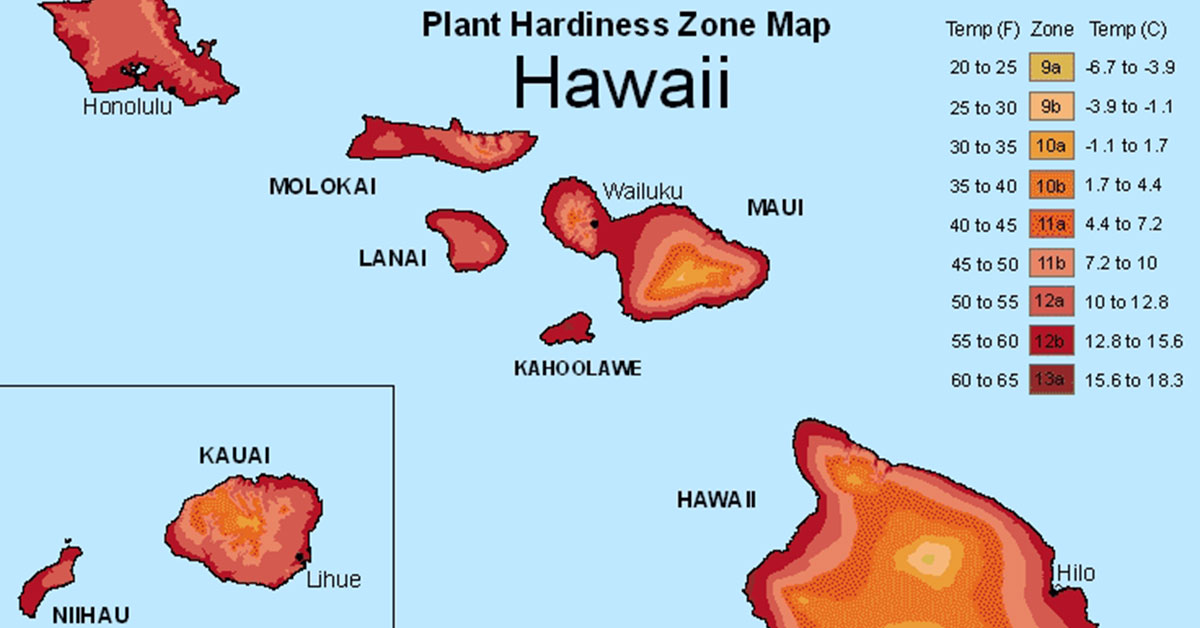

Welcome to the tropical paradise of Honolulu, where gardening enthusiasts are met with a unique set of challenges and opportunities. Situated on the island of Oahu, Honolulu boasts a warm and humid climate that is perfect for a wide variety of plants. However, understanding the USDA hardiness zone is crucial for successful gardening in this region.
With its classification as USDA hardiness zone 11, Honolulu experiences year-round warmth and minimal temperature fluctuations, making it an ideal environment for tropical and subtropical plants. In this article, we will delve into the intricacies of gardening in Honolulu, exploring the diverse plant options, essential care tips, and the best practices to thrive in this vibrant and verdant city.
Whether you are a seasoned gardener or a beginner, join us as we unlock the secrets to cultivating a lush and thriving garden in the heart of Honolulu.
What is Honolulu’s USDA hardiness zone?
The USDA hardiness zone system is a way to categorize regions based on their average annual minimum temperature. It helps gardeners determine which plants are most likely to thrive in a particular area. In the case of Honolulu, the hardiness zone is typically classified as Zone 11.
Zone 11 is known as a tropical zone, characterized by warm temperatures throughout the year and a lack of frost. The average annual minimum temperature in Zone 11 ranges from 40°F (4.4°C) to 50°F (10°C). This means that Honolulu experiences mild winters with no freezing temperatures. The absence of frost in Honolulu allows for a wide range of plants to grow successfully. Tropical and subtropical plants thrive in this climate, including palm trees, hibiscus, plumeria, orchids, and various fruit trees like mango, papaya, and banana.
Additionally, many types of vegetables and herbs can be grown year-round in Zone 11. However, it’s important to note that even within the same hardiness zone, microclimates can exist due to variations in elevation, exposure to wind, and proximity to the ocean. These factors can influence temperature and rainfall patterns, creating localized differences in plant suitability. It’s always a good idea to consider these microclimates when selecting plants for your garden in Honolulu.
In summary, the USDA hardiness zone in Honolulu is Zone 11, which is a tropical zone with mild winters and no frost. This allows for a diverse range of plants to thrive, making it an ideal location for gardening and plant care.
When can you plant your garden in Honolulu?
In Honolulu, the ideal planting times can vary depending on the specific USDA hardiness zone. Honolulu falls under USDA hardiness zone 11, which is characterized by its warm tropical climate. As a result, gardeners in Honolulu can enjoy a longer growing season compared to other regions.
For warm-season crops such as tomatoes, peppers, and eggplants, the ideal planting time in Honolulu is typically between February and May. These crops thrive in the warm temperatures and ample sunlight that Honolulu offers during this period.
For cool-season crops like lettuce, spinach, and broccoli, the ideal planting time is during the fall and winter months, between September and December. The milder temperatures during this time provide optimal conditions for these crops to grow and thrive.
It’s important to note that Honolulu’s climate is generally favorable for year-round gardening. Many crops can be grown throughout the year due to the absence of frost and mild winters. However, it’s still beneficial to consider the specific planting times for each crop to maximize their growth and yield.
Additionally, it’s essential to monitor weather patterns and adjust planting times accordingly. Extreme heat or heavy rainfall can impact plant growth, so it’s advisable to keep an eye on local weather forecasts and make adjustments as needed.
Overall, gardeners in Honolulu can enjoy a wide range of planting opportunities throughout the year, thanks to the city’s warm tropical climate and USDA hardiness zone 11 classification.
What grows well in Honolulu?
Honolulu falls under USDA hardiness zone 11, which is characterized by its warm tropical climate. Here is a comprehensive list of plants that generally thrive in this zone:
- Plumeria (Frangipani)
- Hibiscus
- Bird of Paradise (Strelitzia reginae)
- Bougainvillea
- Ti plant (Cordyline fruticosa)
- Croton (Codiaeum variegatum)
- Heliconia
- Ginger (Hedychium spp.)
- Orchids
- Anthurium
- Bromeliads
- Areca palm (Dypsis lutescens)
- Coconut palm (Cocos nucifera)
- Banana trees (Musa spp.)
- Plumbago (Plumbago auriculata)
- Ixora
- Frangipani (Plumeria spp.)
- Poinsettia (Euphorbia pulcherrima)
- Alocasia (Elephant ear)
- Philodendron
- Ferns (such as Boston fern and maidenhair fern)
- Spider lily (Hymenocallis spp.)
- Crown flower (Calotropis gigantea)
- Coffee plant (Coffea arabica)
- Jaboticaba (Myrciaria cauliflora)
- Passionflower (Passiflora spp.)
- Ylang-ylang (Cananga odorata)
- Plumbago (Plumbago auriculata)
- Jasmine (Jasminum spp.)
- Aloe vera
It’s important to note that while these plants generally thrive in Honolulu’s climate, specific growing conditions and care requirements may vary. It’s always a good idea to research the specific needs of each plant before adding them to your garden.
What won’t grow in Honolulu?
In Honolulu, which falls under USDA hardiness zone 11, there are certain plants that may not thrive due to the tropical climate and specific growing conditions. Here are some examples:
- Lilacs (Syringa spp.): Lilacs require a period of winter dormancy and cooler temperatures, which are not typically found in Honolulu’s warm and tropical climate.
- Tulips (Tulipa spp.): Tulips are native to cooler regions and require a period of cold dormancy in winter, making them unsuitable for the year-round warm temperatures in Honolulu.
- Peonies (Paeonia spp.): Peonies also require a period of winter dormancy and cooler temperatures, which are not prevalent in Honolulu.
- Blueberries (Vaccinium spp.): Blueberries prefer acidic soil conditions, which are not naturally found in the alkaline soil of Honolulu. Additionally, they require a certain number of chill hours in winter, which are not met in this tropical climate.
- Apples (Malus spp.): Most apple varieties require a significant number of chill hours in winter, which are not typically met in Honolulu. Some low-chill apple varieties may be suitable, but they still may not produce high-quality fruit.
- Lilacs (Syringa spp.): Lilacs require a period of winter dormancy and cooler temperatures, which are not typically found in Honolulu’s warm and tropical climate.
- Hydrangeas (Hydrangea spp.): While some hydrangea varieties can grow in Honolulu, they may not thrive as they prefer cooler temperatures and more consistent moisture than what is typically found in this region.
It’s important to note that while these plants may not thrive in Honolulu’s climate, there are still many beautiful and diverse plant options that can flourish in this tropical environment. It’s always best to choose plants that are well-suited to the specific growing conditions of your area.
Meta Description
Discover the unique hardiness zones of Honolulu and unlock the secrets to thriving plants in this tropical paradise. Explore now!