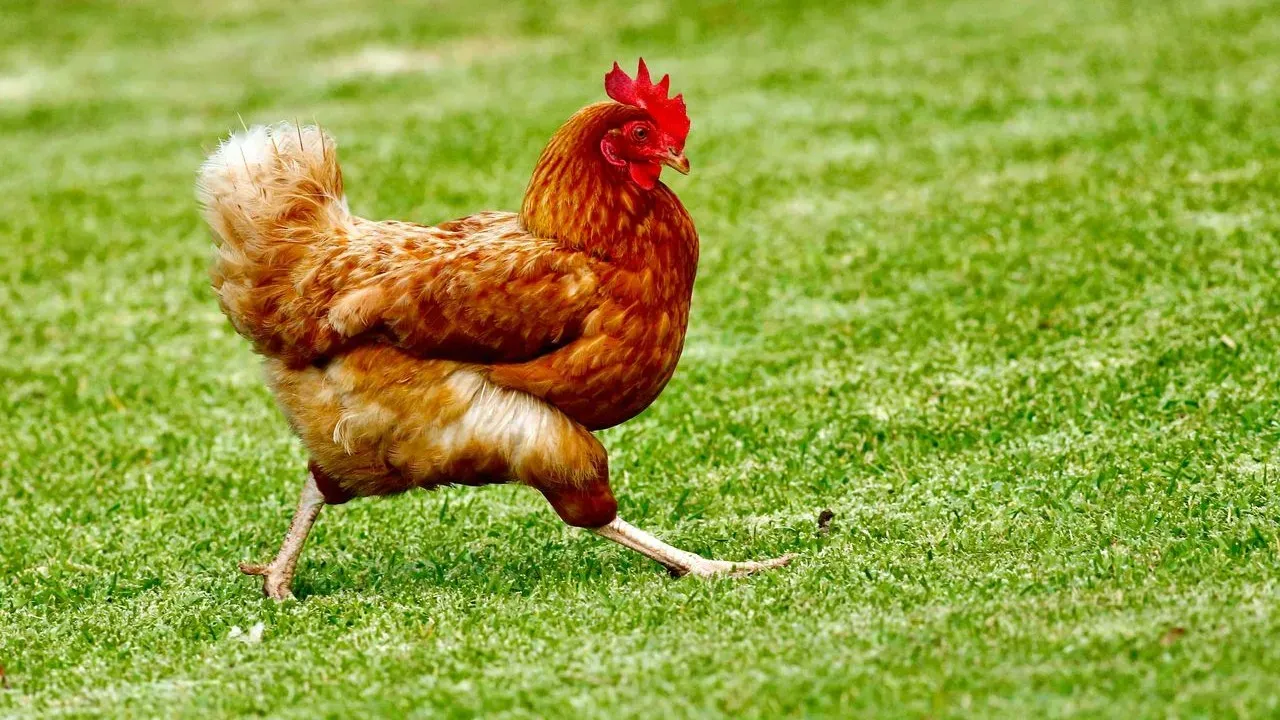

Honolulu – City officials on Oahu are urging residents and visitors to stop feeding feral chickens after the birds have turned into a widespread nuisance across neighborhoods and roadways. Clusters of a dozen or more birds now gather in the middle of streets, creating hazards and frustration for drivers and homeowners alike. The Department of Customer Services has launched an education campaign and trapping efforts, yet leaders say the scale of the problem requires community-wide cooperation.
Scale of the Problem Emerges
Feral chickens have multiplied across the island, crowing at odd hours and leaving droppings that pose hygiene concerns. The birds damage yards, gardens, and landscaping while sometimes provoking pets in residential areas. Officials note that the issue has persisted for years, with previous attempts to secure state funding falling short. One resident described seeing groups of 12 to 15 chickens blocking roadways in places like Aiea and Waimalu. Such gatherings force drivers to navigate around the flocks, adding to daily disruptions in affected communities.
City Launches Education and Control Measures
Honolulu has posted signs at parks and on public transit that read “Do Not Feed Feral Chicken.” An animated public service announcement explains why feeding the birds worsens the situation. Trapping teams have been deployed, though some traps have been damaged or removed by vandals. Department of Customer Services Director Kim Hashiro stated that crews are actively working on the issue but emphasized the limits of city resources. “While crews are actively trapping feral chickens and putting up educational signage, this is an issue the city simply cannot tackle alone,” Hashiro said. The department is asking everyone from residents to business owners to refrain from feeding the birds so control efforts can proceed safely.
Resident Frustrations Mount
Property owners have voiced long-standing complaints about noise, mess, and property damage. One Aiea resident wrote that the chickens have repeatedly destroyed gardens and left foul-smelling waste throughout the neighborhood. Another called for immediate government action to relocate or remove the birds so communities can return to normal. Some locals point to the island’s cockfighting industry as a contributing factor, noting that weak penalties allow unwanted birds to be released into neighborhoods. Cockfighting remains a misdemeanor in Hawaii with fines capped at modest levels.
Path Forward Depends on Collective Action
The public campaign continues with clear messaging that feeding the chickens only sustains and expands the population. Officials hope the combination of signage, outreach, and voluntary compliance will ease pressure on trapping crews. Without broader participation, the birds are expected to remain a fixture in Honolulu’s daily landscape.
AI Disclaimer: This article was created with the assistance of AI tools and reviewed by a human editor.