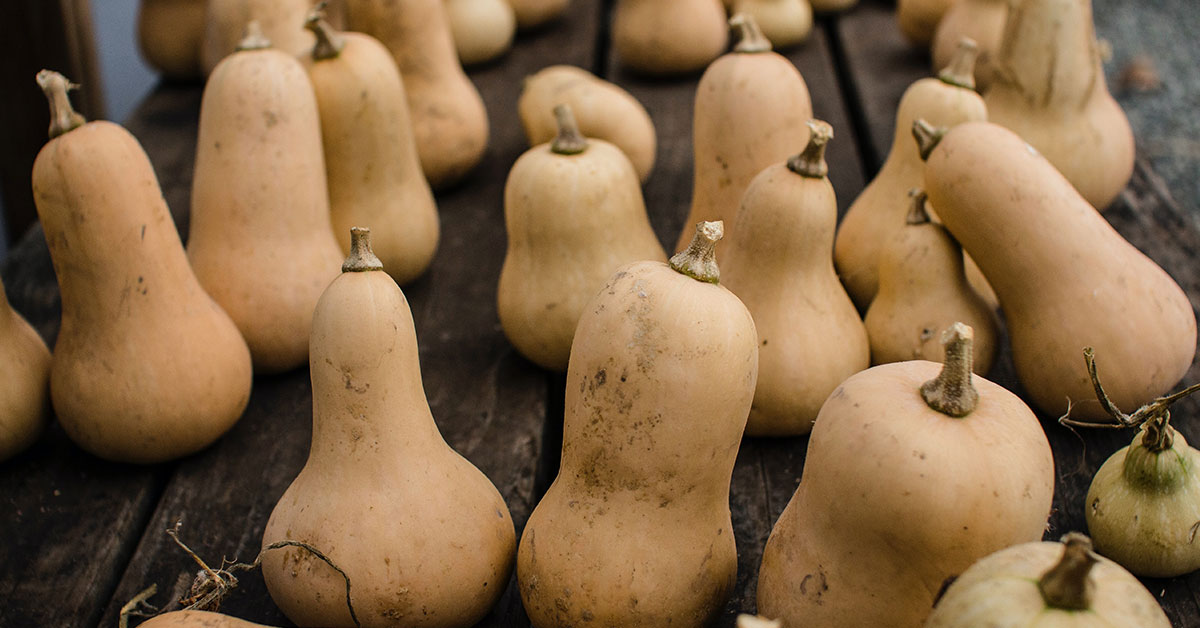

Honeynut butternut squash is a relatively new type of winter squash that has taken the culinary world by storm. This smaller, sweeter version of the classic butternut squash has become a favorite among chefs and foodies alike.
The honeynut squash is a hybrid of the butternut and buttercup squash, and it was developed by plant breeders at Cornell University. Its nutty flavor and creamy texture make it a versatile ingredient in a wide variety of dishes. We’ll explore the history and benefits of honeynut squash, as well as some delicious recipes to try at home.
What is a Honeynut Butternut Squash?
Honeynut Butternut Squash is a relatively new variety of winter squash that has gained popularity in recent years. It is a smaller and sweeter version of the regular butternut squash, with a deep orange flesh and a rich, nutty flavor. The Honeynut Butternut Squash was first developed by Michael Mazourek, a plant breeder at Cornell University, in collaboration with the chefs at Blue Hill restaurant in New York City.
The Honeynut Butternut Squash was created by crossbreeding a butternut squash with buttercup squash, resulting in a smaller, sweeter, and more flavorful hybrid. It is about half the size of a regular butternut squash, making it easier to handle and cook. The skin is dark brown and slightly rough, while the flesh is dense and creamy.
The Honeynut Butternut Squash is a nutrient-dense vegetable that is packed with vitamins, minerals, and antioxidants. It is an excellent source of vitamin A, vitamin C, potassium, and fiber. It also contains beta-carotene, which is a powerful antioxidant that can help protect against cancer and other chronic diseases.
In recent years, the Honeynut Butternut Squash has become a favorite of chefs and home cooks alike. It can be roasted, baked, mashed, or pureed, and is versatile enough to be used in a wide range of dishes. It pairs well with savory flavors such as garlic, thyme, and rosemary, as well as sweet flavors such as maple syrup and brown sugar.
Honeynut Butternut Squash is a delicious and nutritious vegetable that is worth adding to your diet. Its sweet and nutty flavor, combined with its health benefits, make it a great choice for any meal.
What does Honeynut Butternut Squash taste like?
Honeynut Butternut Squash is a new, sweeter variety of the classic butternut squash. It has a rich, nutty flavor with a hint of honey sweetness that makes it a perfect addition to a wide variety of dishes.
When cooked, the flesh is tender, moist, and dense. It has a creamy texture that melts in your mouth, making it an excellent substitute for sweet potatoes or pumpkin in recipes.
The sweetness of Honeynut Butternut Squash is more pronounced than that of regular butternut squash, making it a great ingredient for desserts. It pairs well with spices like cinnamon, nutmeg, and ginger. It’s perfect for making pies, custards, and cakes.
It also tastes great roasted or pureed in soups. It can be used in a variety of savory dishes, including stews, curries, and casseroles. Its sweet flavor complements the savory ingredients in these dishes, making them more flavorful and delicious.
This squash is a versatile ingredient that can be used in a wide range of dishes. Its sweet and nutty flavor makes it a favorite among chefs and home cooks alike.
How to start Honeynut Butternut Squash from seeds
If you’re interested in growing your own honeynut butternut squash, the first step is to start from seed. Here’s how:
- Choose a good location: It needs full sun and warm soil to thrive. Choose a location that gets at least 6 hours of direct sunlight per day and has well-draining soil.
- Prepare the soil: Before planting, prepare the soil by adding compost or aged manure. This will help to enrich the soil and provide nutrients for your plants.
- Plant the seeds: Plant your seeds about 1 inch deep and 2-3 inches apart. You can plant them directly in the ground or start them indoors in pots. If you start them indoors, be sure to transplant them outside once the weather warms up.
- Water regularly: It needs regular watering to grow properly. Be sure to water your plants deeply once a week, or more often during hot, dry weather.
- Watch for pests and diseases: Keep an eye out for pests like squash bugs and cucumber beetles, as well as diseases like powdery mildew. If you notice any signs of trouble, take action quickly to prevent further damage.
How to Grow
Honeynut butternut squash is a popular vegetable that is known for its sweet and nutty flavor. Growing this squash in your garden is a rewarding experience, and it is not difficult to do. Here are some steps to help you grow this plant successfully:
- Choose a sunny spot: This squash needs plenty of sunshine to grow properly. Choose a spot in your garden that receives at least 6 hours of direct sunlight every day.
- Prepare the soil: It grows well in well-draining soil that is rich in organic matter. Add compost or well-rotted manure to the soil to improve its fertility. The ideal soil pH range for growing honeynut butternut squash is between 6.0 and 6.8.
- Plant the seeds: This plant is typically grown from seeds. Plant the seeds in small mounds of soil that are spaced about 3 feet apart. Make sure the soil is moist but not waterlogged.
- Water the plants: It needs regular watering to grow properly. Water the plants deeply once a week, or more often if the weather is hot and dry.
- Fertilize the plants: This squash is a heavy feeder and needs regular fertilization to produce a good crop. Use a balanced fertilizer that is high in nitrogen, phosphorus, and potassium.
- Control pests and diseases: Honeynut butternut squash is susceptible to a variety of pests and diseases, including squash bugs, cucumber beetles, and powdery mildew. To control these pests and diseases, use natural methods like handpicking, neem oil, and copper fungicides.
- Harvest the squash: Honeynut butternut squash is ready to harvest when the skin turns a rich tan color and the stem starts to dry out. Cut the squash from the vine using a sharp knife or pruning shears.
When and how to harvest
If you’re growing Honeynut Butternut Squash in your garden, it’s important to know when and how to harvest them to get the best flavor and texture. Here are some tips for harvesting your Honeynut Butternut Squash:
- Timing: Honeynut Butternut Squash generally takes about 100 days to mature, so plan accordingly. The best time to harvest them is when the skin has turned a deep tan color and has a hard, tough rind.
- Look for signs: Before harvesting, check the vines for signs that the squash is ready. The stem should be dry and brown, and the vine should be starting to die back.
- Cut, don’t pull: When harvesting, use a sharp knife or pruner to cut the stem of the squash, rather than pulling it off the vine. Pulling can damage the squash and make it more susceptible to rot.
- Cure the squash: After harvesting, let the squash “cure” for a week or two in a warm, dry place like a sunny windowsill or covered porch. This will help the squash develop a sweeter, richer flavor and a firmer texture.
- Store properly: Once cured, it can last for several months in a cool, dry place like a pantry or root cellar. Avoid storing them in the refrigerator, which can cause the squash to spoil more quickly.
By following these tips, you can enjoy delicious, flavorful Honeynut Butternut Squash all winter long. Happy harvesting!