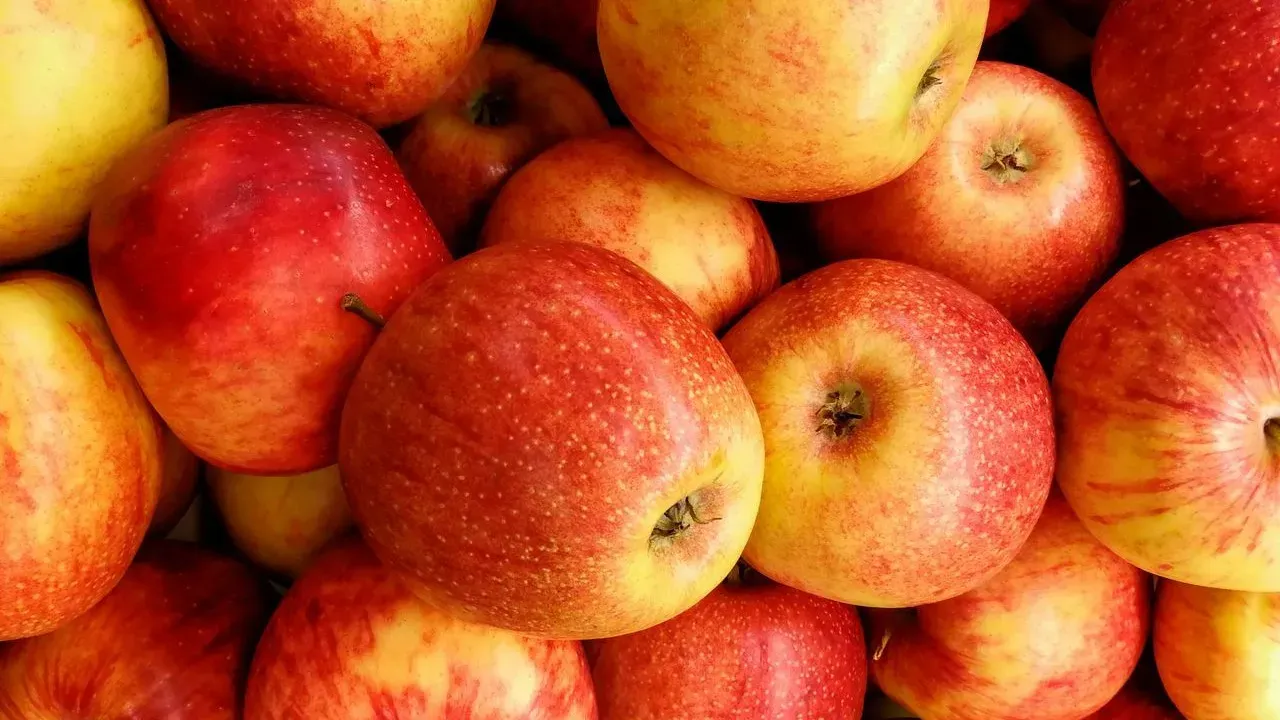

Discussions across social media platforms have shown that many consumers hold firm views on which apple varieties they will buy and which they will avoid. When preferred options are unavailable, some report choosing another fruit or leaving empty-handed rather than accepting a substitute. These patterns point to a broader shift in how texture influences purchasing decisions and how growers and breeders respond to those demands. ([1])
Texture Drives Everyday Choices
Shoppers frequently cite crispness and juiciness as non-negotiable qualities. Varieties that deliver a satisfying snap and abundant juice receive repeated mentions, while softer or mealy fruit draws consistent criticism. Red Delicious, in particular, surfaces often as an example of what people actively steer away from.
This focus on mouthfeel shapes practical decisions at the store. Individuals describe checking multiple retailers or waiting for restocks instead of compromising on the experience they expect. The result is a market in which texture functions as a primary filter for repeat purchases.
Breeding Programs Target the Same Qualities
Developers recognized the consumer preference for crunch after Honeycrisp reached the market in 1991. Subsequent varieties were selected specifically to match or exceed that standard. Cosmic Crisp, released from Washington State University, resulted from a cross between Honeycrisp and Enterprise.
At the University of Minnesota, researchers apply similar criteria when evaluating new seedlings. Only a small percentage advance each year, and those selections must demonstrate both crisp texture and balanced flavor. The process from initial cross to commercial release can span up to two decades, reflecting the time required to confirm consistent performance across growing conditions.
Growers who have adopted these newer releases report strong demand. One Minnesota orchard noted that SweeTango, another Honeycrisp descendant, now rivals the original in sales volume at its location.
Branded Varieties and Market Positioning
Many newer apples reach consumers under trademarked names rather than their underlying variety designations. Cosmic Crisp is marketed under that brand even though its official name is WA 38. SweeTango serves as the commercial identity for the Minneiska variety developed at Minnesota.
These managed programs include licensing agreements and quality standards intended to deliver uniform eating quality. Research covering the period from 2008 to 2018 found that such club apples carried an average price premium of roughly 29 percent compared with traditional varieties. The premium narrowed over time, yet consumers continued to place greater value on eating characteristics than on exclusivity alone.
Marketing Efforts Reinforce Recognition
Industry groups have explored additional ways to help shoppers distinguish among varieties. A recent campaign developed distinct personalities for twelve apples, drawing on their flavor profiles, growing habits, and handling requirements. Honeycrisp was presented as a high-maintenance figure to reflect the extra care it often needs from producers.
These approaches aim to build familiarity, yet many buyers already maintain clear preferences without additional prompting. The combination of breeding focus, branding, and consistent texture has turned certain apples into recognizable choices that command attention at retail.
The pattern suggests that future variety development will continue to prioritize the same sensory traits that currently shape loyalty. Growers and retailers who align with those expectations stand to benefit from sustained interest, while consumers gain more options that match the experience they seek.
AI Disclaimer: This article was created with the assistance of AI tools and reviewed by a human editor.