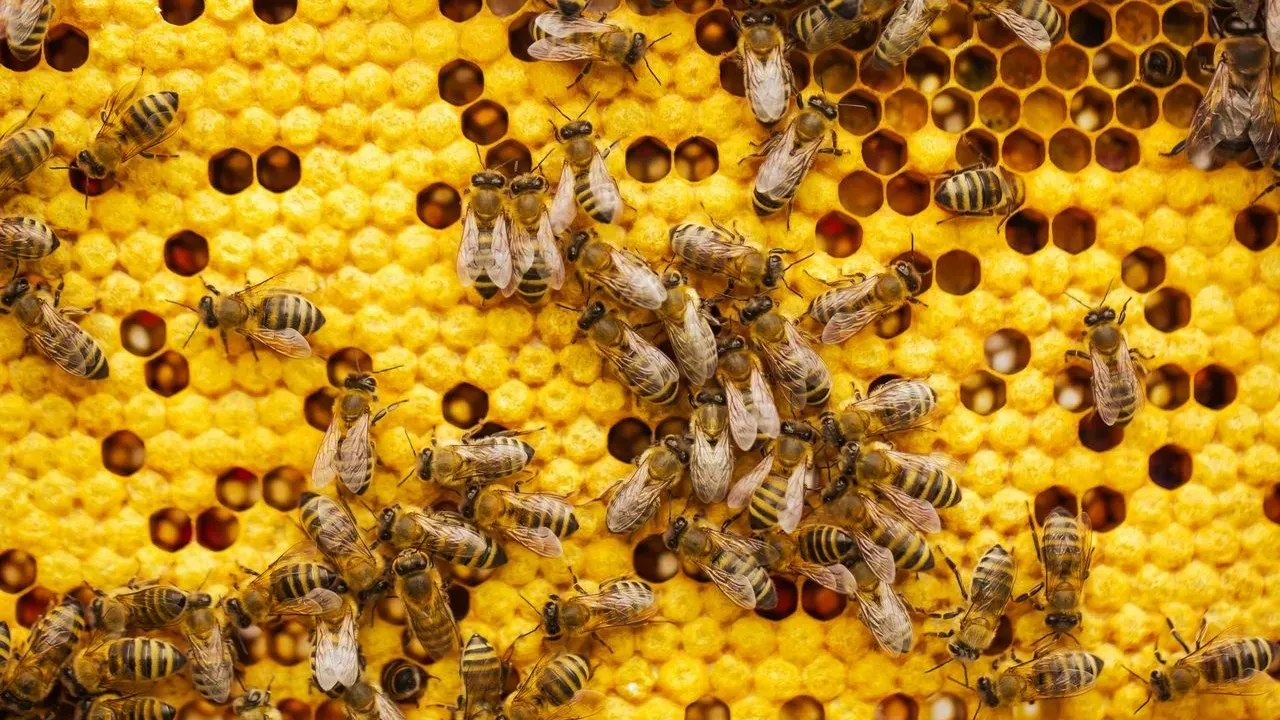

Cambridge, England – Researchers tracking pollinator behavior near established honey bee colonies have documented how these managed insects frequently chase, push aside, and intimidate other flower visitors to secure nectar and pollen. The observations, gathered over two years at sites within 300 meters of hives, show that honey bees often win encounters with bumblebees, solitary bees, and hoverflies, reducing feeding opportunities for those species. Rising temperatures and expanding beekeeping numbers could sharpen this competition in the years ahead. ([1])
Patterns of Competition on Key Plants
The study focused on bramble and ivy, two plants that supply substantial nectar and pollen during their bloom periods. Teams recorded interactions across more than 93 hours of observation, grouping visitors into honey bees, bumblebees, solitary bees, hoverflies, and a broader category that included butterflies, beetles, and wasps. Sites with higher honey bee densities consistently supported fewer individuals from the other groups. Doubling honey bee numbers on bramble corresponded with a 14 percent drop in bumblebee presence. On ivy, elevated honey bee counts aligned with lower numbers of solitary bees and hoverflies. These shifts occurred even though the plants continued to attract large insect crowds overall.
Aggressive Tactics and Avoidance Behaviors
Honey bees did not rely solely on arriving first. In many cases they initiated direct interference, physically displacing rivals or pursuing them away from flowers. Other pollinators avoided honey bees in 28 percent of bramble interactions and 36 percent of ivy encounters. At least one-fifth of the encounters won by honey bees involved active chasing or pushing. Aggression from non-honey bee species remained rare. The ivy bee, a solitary species first recorded in Britain in 2001, proved an exception by occasionally defending feeding spots and displacing honey bees in return. Most other wild visitors simply yielded ground.
Temperature and Population Pressures
Warmer conditions appeared to intensify the imbalance. Competitive encounters rose during hotter periods, partly because honey bees become more active as temperatures climb while bumblebees and hoverflies often forage less effectively in heat. Earlier work showed that a 12-degree Celsius increase can trigger a tenfold rise in honey bees leaving their nests. At the same time, the number of registered beekeepers in the UK has grown sharply, from 19,000 in 2010 to 47,000 in the most recent count. More colonies mean greater pressure on shared floral resources, especially in urban and suburban settings where hive density can be high.
Supporting Coexistence in Gardens
Lead researcher Victoria Buckle of Anglia Ruskin University stressed that the findings aim to guide conservation rather than discourage beekeeping. She noted that honey bees initiated most conflicts and recorded more wins, resulting in lost forage for other pollinators, yet emphasized the value of managed hives alongside efforts to protect wild species. Gardeners can help by planting a diverse range of flowering species that bloom across seasons, including late sources such as ivy. Maintaining patches of less manicured vegetation and avoiding broad pesticide use also supports a wider mix of pollinators. The research indicates that continued warming is likely to favor honey bees further, making deliberate habitat choices increasingly important for maintaining balanced pollinator communities.
AI Disclaimer: This article was created with the assistance of AI tools and reviewed by a human editor.