
If you’re a fan of juicy, flavorful strawberries straight from the garden, then you’re in for a treat with the Honeoye Strawberry. Known for its exceptional taste and vibrant red color, this popular berry variety has captured the hearts of gardeners and berry enthusiasts around the world.
Whether you’re an experienced gardener or a beginner with a green thumb, this article will guide you through the ins and outs of growing Honeoye Strawberries, from planting and care tips to harvest and beyond.
What is a Honeoye Strawberry?
The Honeoye strawberry was developed by the New York State Agricultural Experiment Station in Geneva, New York. It was first released in 1979 and has since gained popularity not only in New York but also across the United States. Named after the Honeoye Creek in Upstate New York, this strawberry variety quickly became a favorite among farmers and gardeners due to its outstanding qualities.
Honeoye strawberries are known for their attractive appearance. They have a bright red color with a glossy sheen, making them visually appealing. The berries are medium to large in size, often measuring around one inch in diameter. The shape is generally conical or heart-shaped, lending itself well to decorative use in desserts and garnishes.
One of the main reasons why Honeoye strawberries have gained such popularity is their exceptional flavor. They are known for their intense sweetness and juiciness, with a hint of tartness that adds a delightful balance. The flavor profile is often described as a classic strawberry taste, making it a favorite for eating fresh or incorporating into various culinary creations.
Honeoye strawberries are relatively easy to grow, making them a popular choice for home gardeners and commercial growers alike. They thrive in a variety of climates but particularly excel in cooler regions. These strawberries are typically harvested in late spring or early summer, depending on the climate and growing conditions.
The Honeoye strawberry’s exceptional taste and attractive appearance make it a versatile ingredient in the kitchen. They are perfect for eating fresh, adding to fruit salads, or using as a topping for desserts such as cakes, pies, and ice cream. Honeoye strawberries can also be used in jams, jellies, and preserves, allowing you to enjoy their delicious flavor all year round.
What does a Honeoye Strawberry taste like?
The Honeoye Strawberry is known for its exceptional sweetness. When perfectly ripe, its flavor is delightfully sweet, making it a popular choice for those with a sweet tooth. The sweetness is not overpowering, but rather a pleasant and well-balanced taste that leaves a refreshing sensation on your taste buds.
While the Honeoye Strawberry is primarily sweet, it also offers a subtle tartness. This slight tangy flavor adds a pleasant twist to the overall taste experience. It provides a nice contrast to the sweetness, giving the strawberry a well-rounded flavor profile.
One of the standout qualities of the Honeoye Strawberry is its juiciness. When you bite into a ripe Honeoye Strawberry, you’ll be greeted with a burst of flavorful juice. The juiciness enhances the overall taste experience, making each bite incredibly refreshing and satisfying.
Aside from its exceptional taste, the Honeoye Strawberry also boasts a delightful aroma. The fruity and floral scent of a perfectly ripe Honeoye Strawberry is enough to entice anyone. The aroma adds an extra layer of sensory pleasure to the overall experience, making it a truly enjoyable fruit to savor.
The Honeoye Strawberry’s flavor profile also makes it a versatile fruit in the culinary world. Its natural sweetness and hint of tartness make it an excellent choice for various applications. Whether you’re using it in desserts like pies, tarts, or cakes, or incorporating it into savory dishes like salads or salsas, the Honeoye Strawberry flavor can complement a wide range of recipes.
How to start from seed
If you’re a strawberry lover and want to try your hand at growing your own delicious Honeoye strawberries, starting from seeds can be a rewarding and cost-effective option. While it may require some patience and extra care, the satisfaction of seeing your strawberry plants thrive from tiny seeds is truly worthwhile. These instructions will guide you through the step-by-step process of starting Honeoye strawberries from seed.
Gather the Supplies:
Before you begin, gather all the necessary supplies. You will need the following:
Honeoye strawberry seeds: Purchase high-quality seeds from a reputable source.
Seed starting trays or pots: Choose containers with drainage holes to prevent waterlogging.
Seed starting mix: Use a lightweight, well-draining soil mix specifically designed for starting seeds.
Water spray bottle: A misting bottle will help ensure consistent moisture without disturbing the seeds.
Clear plastic wrap or humidity dome: This will create a greenhouse-like environment to promote germination.
Grow lights or a sunny windowsill: Adequate light is crucial for seed germination and healthy plant growth.
- Prepare the Seed Starting Mix:
Fill the seed starting trays or pots with a good quality seed starting mix. Moisten the mix with water, ensuring it is evenly damp but not soggy. Avoid using garden soil, as it may contain pathogens that can harm the delicate seedlings. - Sow the Seeds:
Take a pinch of Honeoye strawberry seeds and sprinkle them evenly over the surface of the seed starting mix. Aim for a spacing of about 1/4 inch between seeds. Gently press the seeds into the soil, ensuring they make good contact but are not buried too deep. - Provide Optimal Growing Conditions:
Cover the seed trays with clear plastic wrap or place a humidity dome over them. This will help create a warm and humid environment, which is ideal for germination. Place the trays in a warm spot, preferably with a temperature around 70°F (21°C). Alternatively, you can use a heating mat to maintain a consistent temperature. - Maintain Moisture:
Regularly mist the soil surface using a water spray bottle to keep it evenly moist. Avoid overwatering, as excessive moisture can lead to damping-off disease. Check the soil moisture daily and adjust watering as needed. Remember that consistent moisture is crucial for successful germination. - Provide Adequate Light:
As soon as the seeds germinate and tiny seedlings emerge, remove the plastic wrap or humidity dome. Place the trays in a location with plenty of direct sunlight or provide artificial grow lights. Aim for at least 12-14 hours of light per day to promote healthy growth. - Transplanting:
Once the seedlings have developed a few sets of true leaves and are about 3-4 inches tall, they are ready for transplanting. Carefully remove the seedlings from the seed starting trays, taking care not to damage their delicate roots. Plant them in larger pots or directly in the garden, spacing them about 12-18 inches apart.
How to grow this fruit in your garden
Growing your own Honeoye strawberries can be a rewarding and delicious experience. These juicy and sweet berries are known for their bright red color and exceptional flavor. Whether you are an experienced gardener or a beginner, here are some tips on how to successfully grow Honeoye strawberries in your garden.
- Choose the Right Location: Honeoye strawberries thrive in full sun, so it is important to select a spot in your garden that receives at least 6-8 hours of direct sunlight each day. The soil should be well-draining, rich in organic matter, and slightly acidic with a pH level between 5.5 and 6.5.
- Prepare the Soil: Before planting, prepare the soil by removing any weeds, rocks, or debris. Loosen the soil with a garden fork or tiller to a depth of 8-10 inches. Incorporate compost or well-rotted manure to improve soil fertility and drainage.
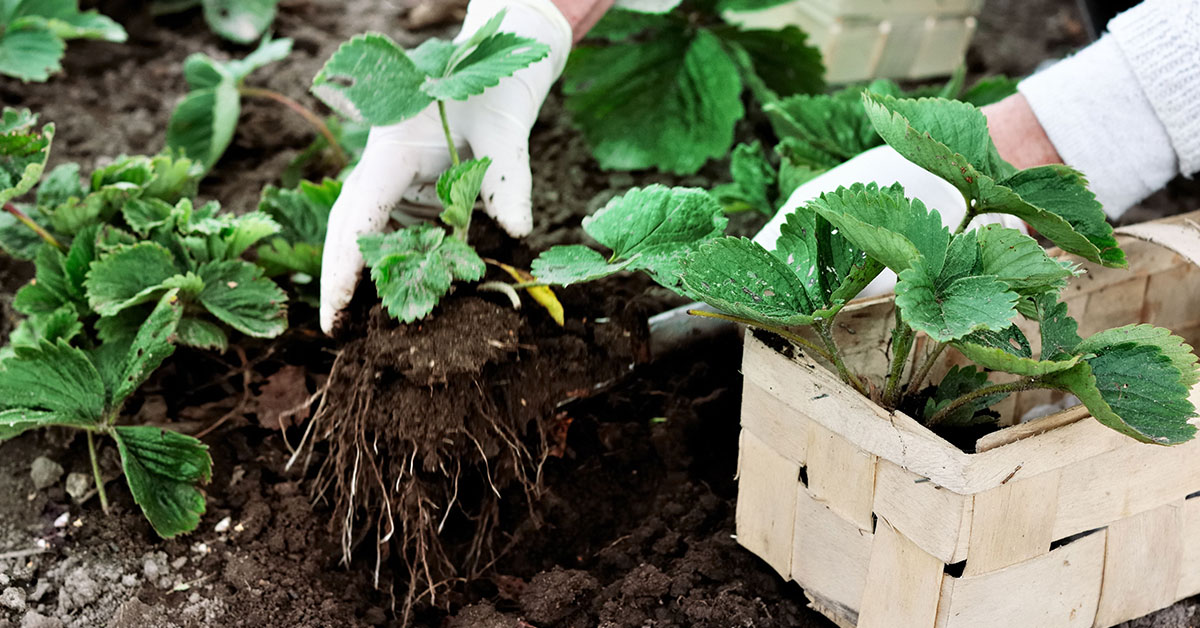
- Planting Honeoye Strawberries: Honeoye strawberries are typically grown from bare-root plants or runners. Dig a hole deep enough to accommodate the roots and spread them out. Space the plants about 12-18 inches apart, leaving at least 2-3 feet between rows. Ensure that the crown of the plant is level with the soil surface.
- Watering and Mulching: Water the newly planted strawberries thoroughly and keep the soil moist but not waterlogged. Mulching around the plants with straw or pine needles helps retain moisture, suppress weeds, and protect the berries from contact with the soil.
- Fertilizing: Honeoye strawberries benefit from regular feeding. Apply a balanced organic fertilizer or compost in early spring before the plants start to flower. Avoid over-fertilization, as it can lead to excessive foliage growth at the expense of fruit production.
- Pruning and Maintenance: Regularly remove any weeds, as they can compete with the strawberries for nutrients and water. Pinch off any runners that develop during the first year to encourage the plant to focus on fruit production. After harvesting, cut back the foliage to about 1 inch above the crown to promote healthier growth in the next season.
- Pest and Disease Control: Honeoye strawberries are generally resistant to common strawberry diseases, but they can still be susceptible to pests such as slugs, aphids, and birds. Use organic pest control methods if necessary, such as handpicking or applying natural repellents.
- Harvesting: Honeoye strawberries are ready for harvest when they are fully red and have a sweet aroma. Gently pick the berries, leaving the green caps attached. Harvest frequently to prevent overripe berries and encourage continuous production.
With proper care and maintenance, your Honeoye strawberry plants will reward you with bountiful harvests for years to come.