
The Moment of Discovery

It often starts with something small. A hollow sound beneath a garden fork, an unusual dip in the lawn, or a concrete edge peeking out from under years of overgrowth. Stories like this have captivated online communities, with posts about unexpected backyard discoveries drawing thousands of upvotes and hundreds of comments in forums like the r/centuryhomes subreddit on Reddit. The mix of history and personal surprise makes these finds feel strangely intimate.
In one well-documented case, a homeowner’s husband was walking through their backyard when his right leg plunged into the ground, up to above the knee, revealing a hidden underground void beneath the surface. While that particular structure turned out to be something else entirely, it illustrates how easily forgotten underground spaces hide in plain sight, waiting for decades before revealing themselves to new owners.
What Exactly Is an Underground Greenhouse?
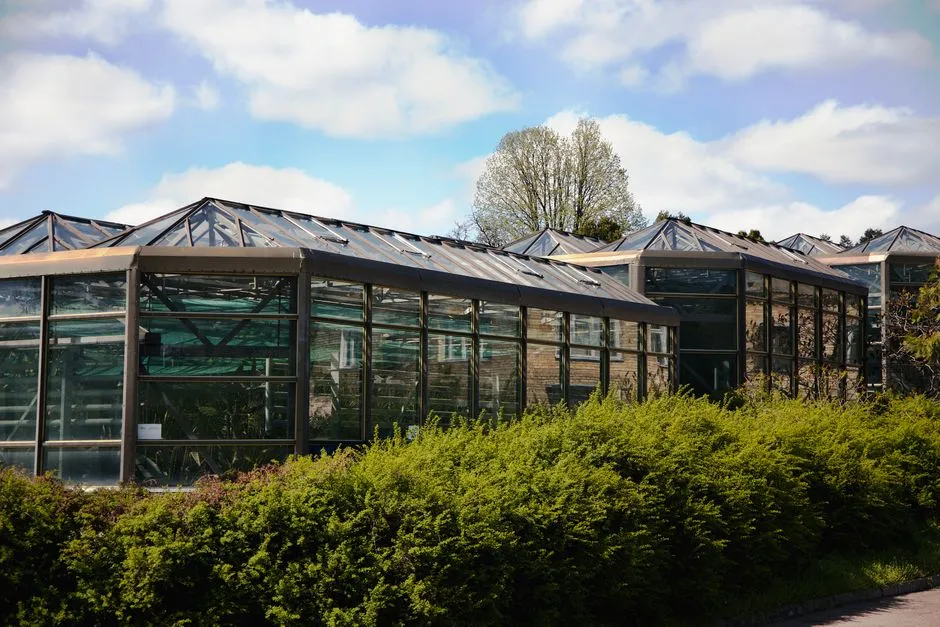
An underground, or walipini, greenhouse is a greenhouse that is dug into the ground, typically well below the frost line, which uses a combination of heat from the sun and naturally occurring geothermal heat to keep plant life warm. The concept is elegant in its simplicity. The earth itself becomes the insulator, replacing what conventional structures try to achieve with glass, metal frames, and heating systems.
The primary difference between a pit-style and a walipini, or underground, style is that walipini structures are sunken much deeper into the earth, usually about six to eight feet deep, with the roof being the only translucent part. The roof is angled, not pitched, so the pit receives maximum sunlight during winter months and also allows for water runoff. It is a design built around the physics of light and heat, not around aesthetics.
A Surprisingly Long History
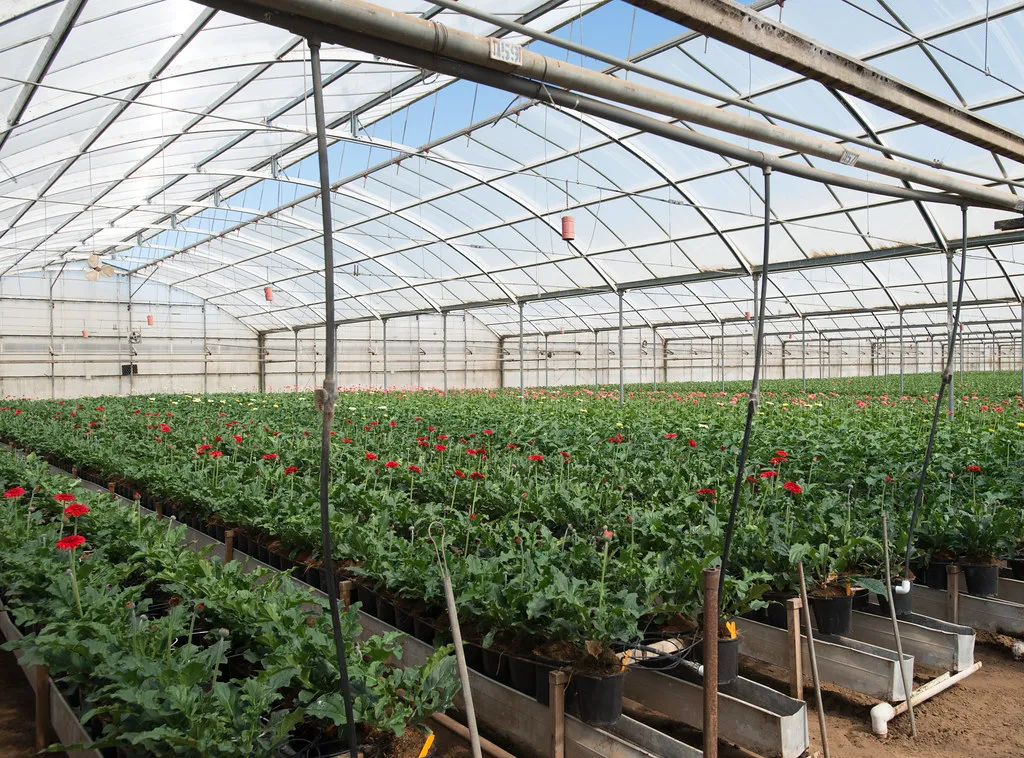
One of the earliest recorded examples of an underground greenhouse was built in 1798 at the famous Lyman Estate. The Lyman Estate Greenhouses are some of the oldest surviving sunken greenhouses in the United States. That places the concept well over two centuries old, long predating modern energy efficiency concerns or self-sufficiency movements.
The design idea caught on all across Massachusetts in the 1800s to protect rare grape and fruit tree varieties from the harsh cold that farmers were facing. Developers of later underground greenhouse concepts undoubtedly took inspiration from pre-revolution Russian underground greenhouses and Victorian-era pineapple pits that had been used in parts of Great Britain. These were not fringe experiments. They were mainstream agricultural tools for their era.
The Science Behind Staying Warm Underground

Underground temperature becomes stable starting roughly two feet below the earth’s surface and continues to stabilize at deeper depths, with underground soil maintaining a constant temperature year-round, averaging 55°F throughout the United States. That baseline warmth is the fundamental reason these structures work so reliably.
The soil also tends to have an eight-week lag time in temperature changes at the surface level, making it a very consistent way to heat a greenhouse throughout the colder months. This consistency arises from the thermal inertia of the soil, attributed to its substantial latent heat storage underground, enabling it to maintain a constant temperature at a specific depth, irrespective of fluctuations in ambient air temperature. For a grower trying to keep plants alive through a January freeze, that stability is everything.
The Energy Advantage That Still Holds Up Today
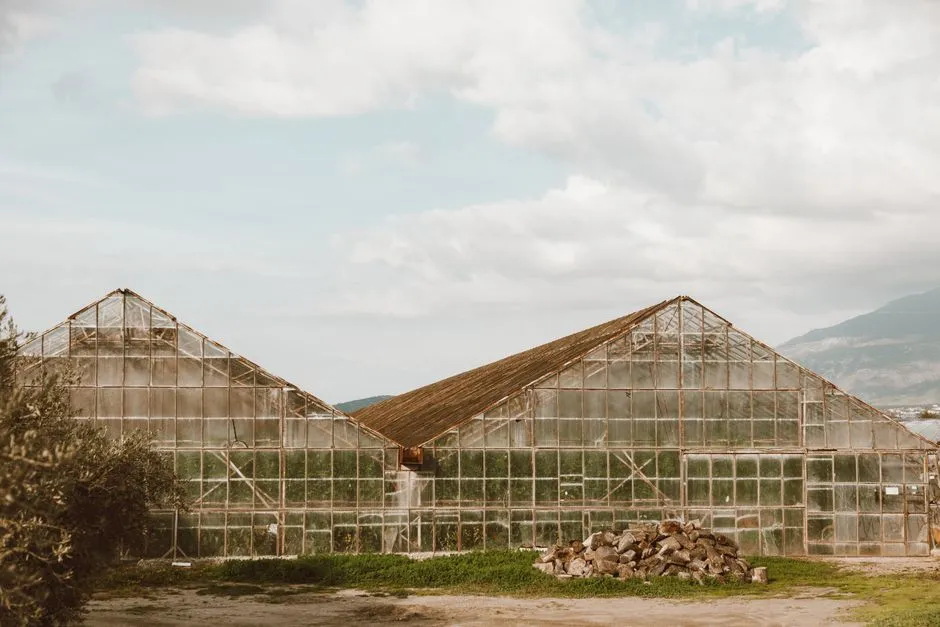
Heating and electricity combined is typically the third-largest cost for operating a traditional greenhouse. That cost adds up fast, season after season. An underground structure changes the financial picture significantly, because the earth does much of the work for free.
Using geothermal greenhouse heating, commercial growers estimate they save roughly 80 percent of operating fuel costs, a significant savings that also contributes to the conservation of resources. For a homeowner who discovers a functioning underground greenhouse on their property, that kind of inherited efficiency is genuinely valuable. Geothermal greenhouse heating can maintain temperatures between 50 and 70 degrees Fahrenheit year-round at roughly 30 to 50 percent of the cost of conventional propane or natural gas heating.
The Walipini Name and Where It Actually Came From
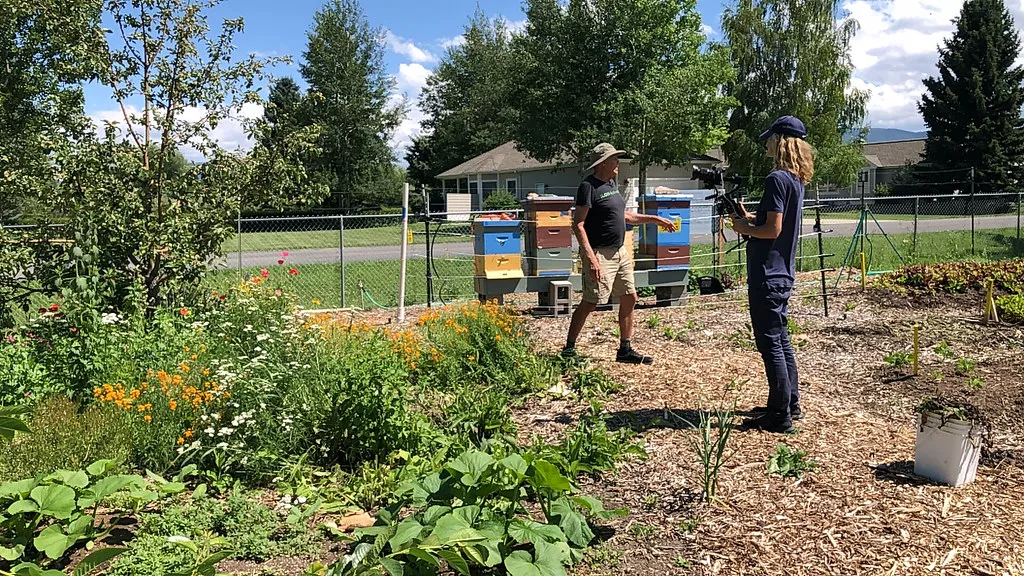
The name “walipini,” from a native Bolivian Aymara word, means “place of warmth,” and the term implies the deeply-dug structures are an ancient indigenous design. The reality is a little more recent. The walipini was first developed in La Paz, Bolivia in the 1990s as a philanthropic food-security project developed by the Benson Institute.
The walipini greenhouse was officially given its name in 2002 when a group of student volunteers from the Ezra Taft Benson Agriculture and Food Institute went to La Paz, Bolivia, to help local farmers. They departed with the goal of building low-cost pit greenhouses for local farmers to use year-round, and the students were able to design and build a greenhouse structure that helped farmers in La Paz keep their crops warm in the wintertime. The name traveled with the design, and both have spread widely since.
What Forgotten Greenhouses Often Look Like Inside
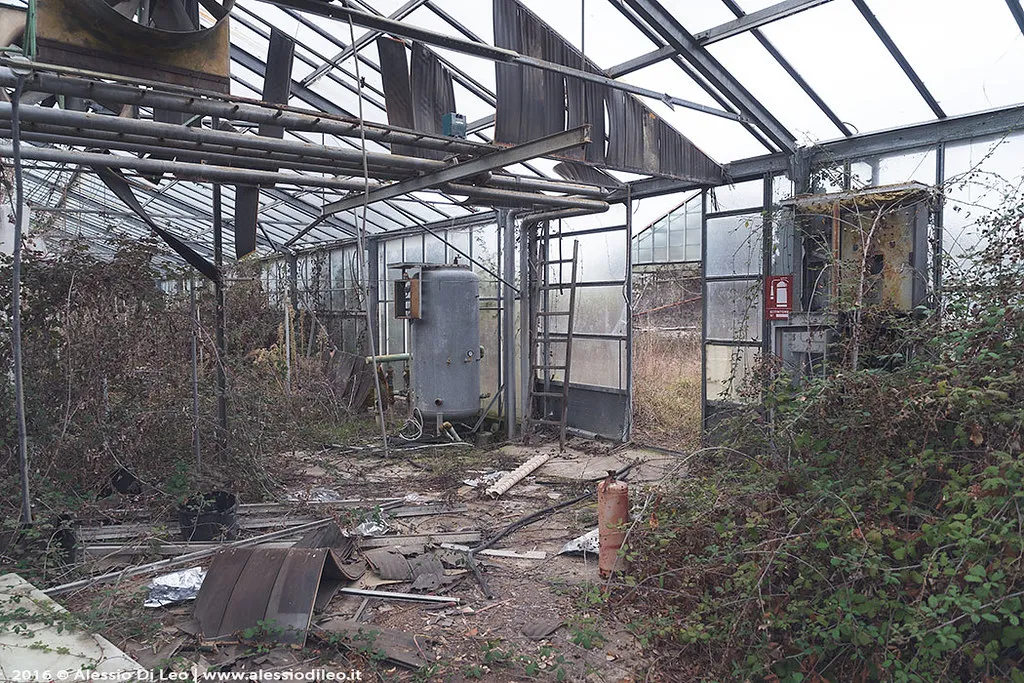
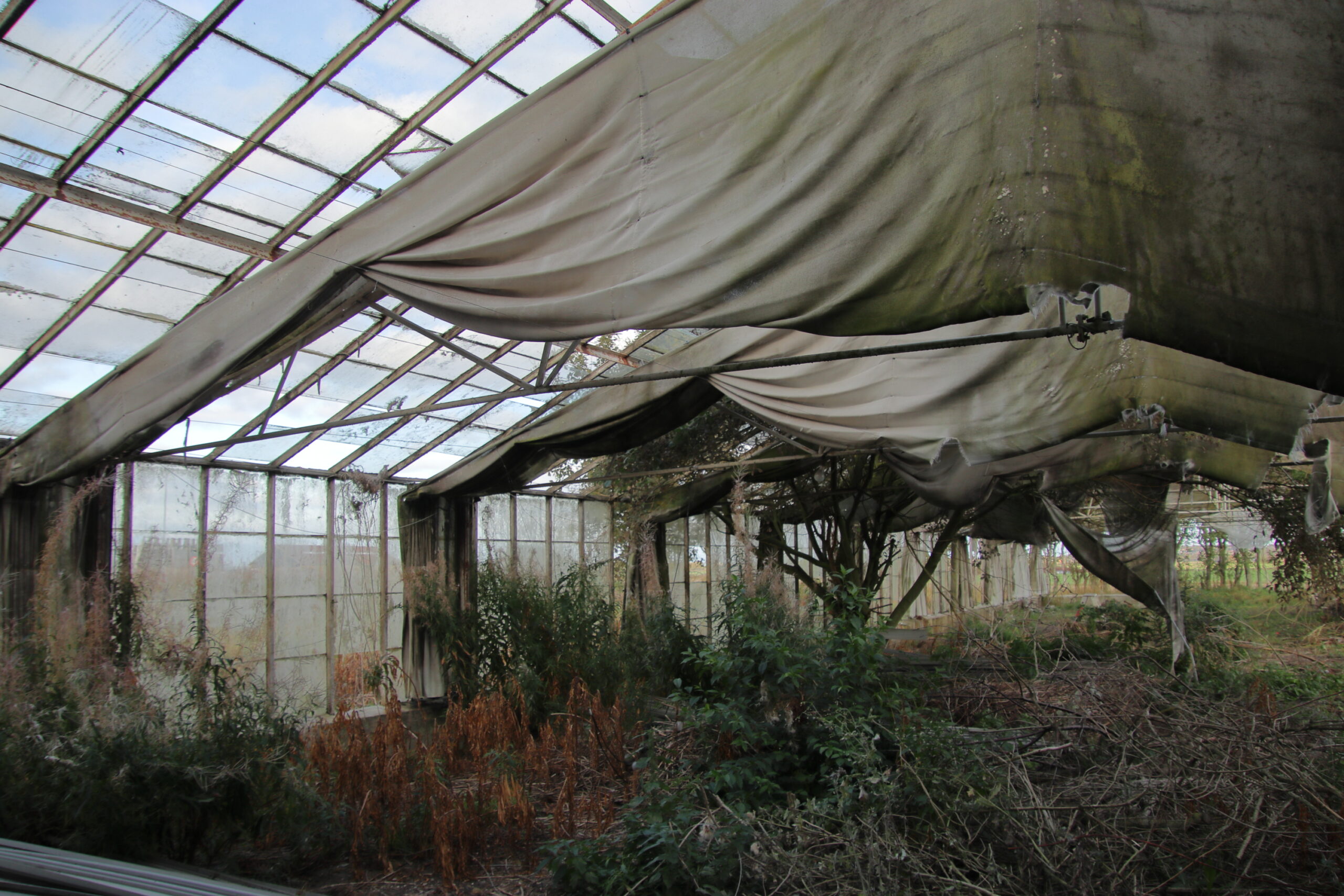
Not much is typically known about abandoned greenhouse structures, and many span enormous areas, hidden entirely by overgrowth. Older greenhouses are often found embellished with remnants of irrigation systems, terracotta planters, and abandoned furniture, carrying a sense of otherworldliness that is hard to describe. The plants, in many cases, simply kept going long after people stopped tending them.
As one observer noted about the fate of an abandoned greenhouse: “once left to rot, it might not be doing much rotting as it is growing.” That observation cuts to the heart of what makes these discoveries so striking. Nature doesn’t pause, and a space designed to nurture growth will often continue doing exactly that, with or without human help.
The Structural Variety a Homeowner Might Encounter
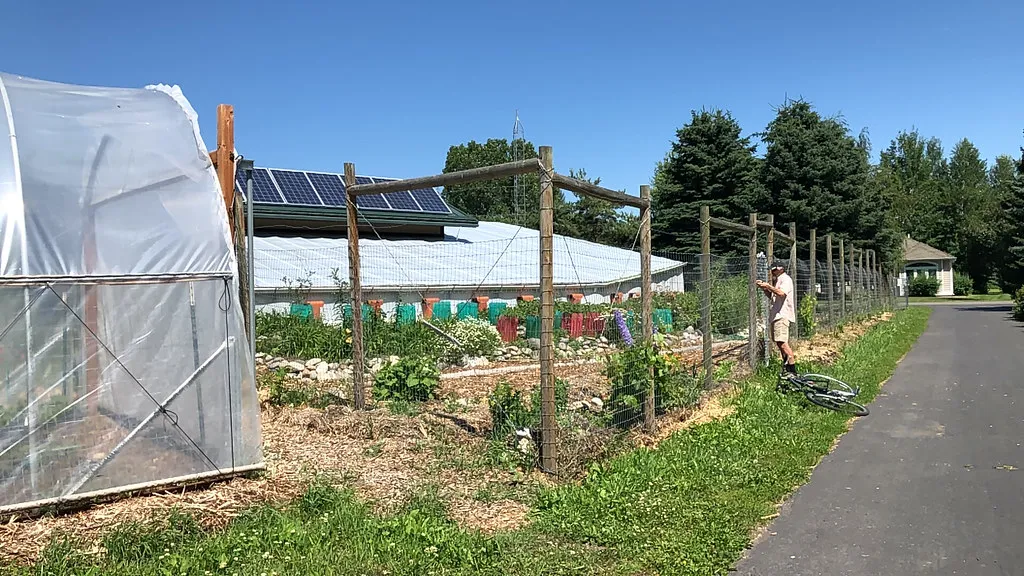
There are a few different types of pit or sunken greenhouses, and all of them use the sunken design to harness the insulating properties of the earth and passive solar energy to provide heat. The specific style found buried in a backyard could vary considerably depending on when and where it was built.
Chinese-style greenhouses, for instance, are considered far superior to conventional types for those who live in cold regions. These structures are slightly sunken below ground level by roughly a foot or so, with the north side buried in a hillside. Other examples include passive solar greenhouses built from repurposed structures, such as old concrete swimming pools that sat unused for many years before being converted into productive growing spaces. The ingenuity on display is often remarkable.
What Happens When Homeowners Renovate Older Properties
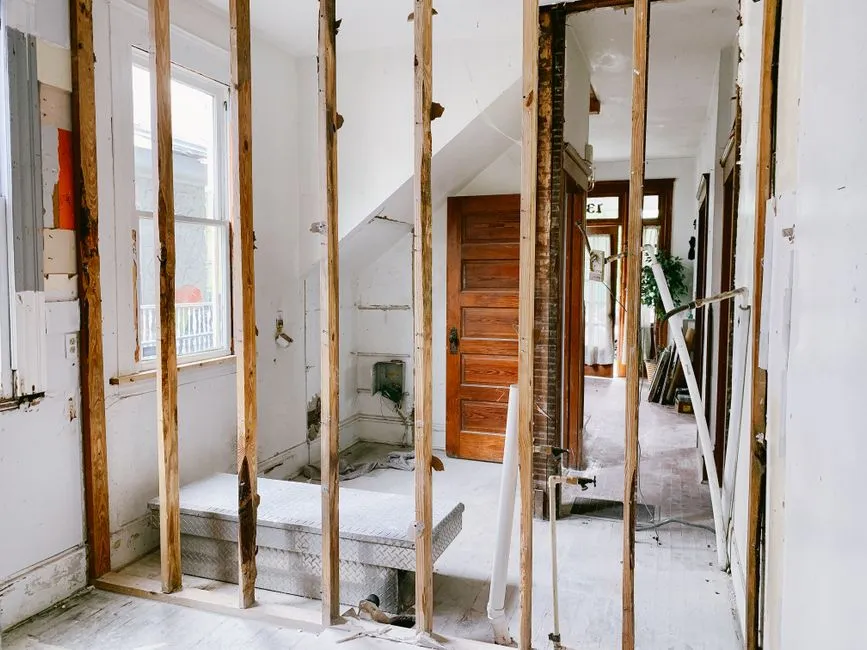
Median renovation spending increased by 60 percent between 2020 and 2023, rising from $15,000 to $24,000, according to a 2024 survey by Houzz, the home design website. More digging and clearing of older properties naturally means more buried history coming to the surface. As homeowners continue to invest in modernizing older properties, surprising discoveries highlight the architectural quirks of century-old residences.
An underground greenhouse discovery during renovation work raises immediate questions about structural integrity, drainage, and what permits might exist on the property. Checking a property’s official permit records from city archives, which sometimes include very old sketches of subterranean structures, is a practical first step when something unusual surfaces below the ground. Those records can transform a confusing discovery into a legible piece of history.
Could a Rediscovered Underground Greenhouse Actually Be Used Again?
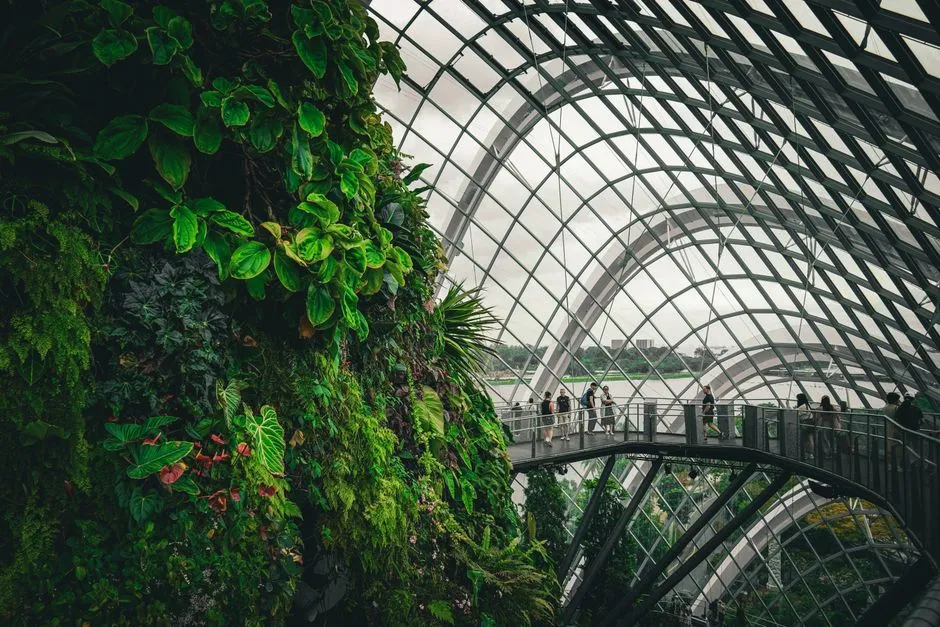
The plants that can be grown in underground greenhouses are the same as those in conventional types. The infrastructure, if structurally sound, remains functional. Underground greenhouses work by using the earth’s natural properties to create a steady environment for plants, and unlike structures that rely on external heaters or fans, they reduce temperature swings by being built below the surface where soil acts as insulation and thermal storage.
In Iceland, where outdoor growing seasons are short due to cold climates, geothermal greenhouses have revolutionized vegetable production, producing tomatoes, cucumbers, and leafy greens year-round without artificial lighting or fossil fuel heating, achieving yield increases of over 30 percent compared to conventional heated facilities while slashing energy costs by up to 75 percent. A restored underground greenhouse in an average backyard won’t match industrial scale, but the underlying principle is the same. The earth cooperates willingly when the design works with it.
The Quiet Lesson of a Buried Growing Space
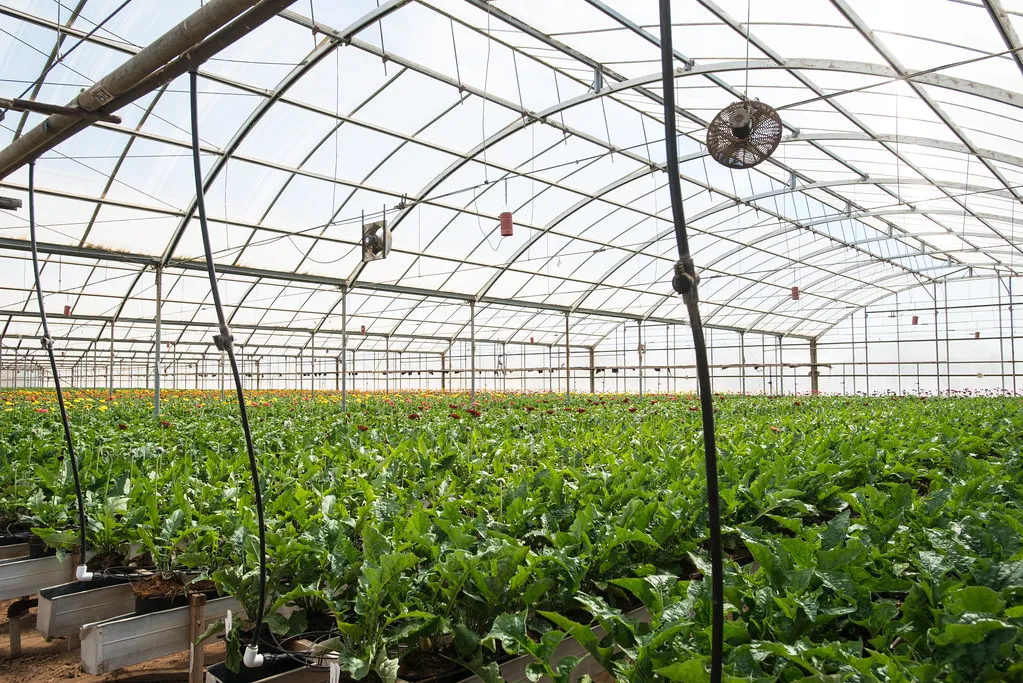
Past generations built with a different relationship to the land. An underground greenhouse wasn’t a novelty project. It was a serious investment in food security, often constructed by families who depended on it. Gardening history is dotted with an arsenal of methods created to rebuff frost and snow, such as cold frames, greenhouses, row covers, and cloches, all reflecting a persistent human drive to grow food outside the natural season.
A forgotten underground greenhouse beneath a neglected backyard is, in that sense, a small monument to that persistence. These structures are especially meaningful to homesteaders, off-grid gardeners, and anyone looking to produce fresh food throughout all seasons while cutting down on fuel or electricity use. Stumbling upon one is stumbling upon a fully formed idea, waiting to be understood again. That is the real find, not just the structure, but what it represents about how people once fed themselves, season after season, regardless of what the weather decided to do.
AI Disclaimer: This article was created with the assistance of AI tools and reviewed by a human editor.