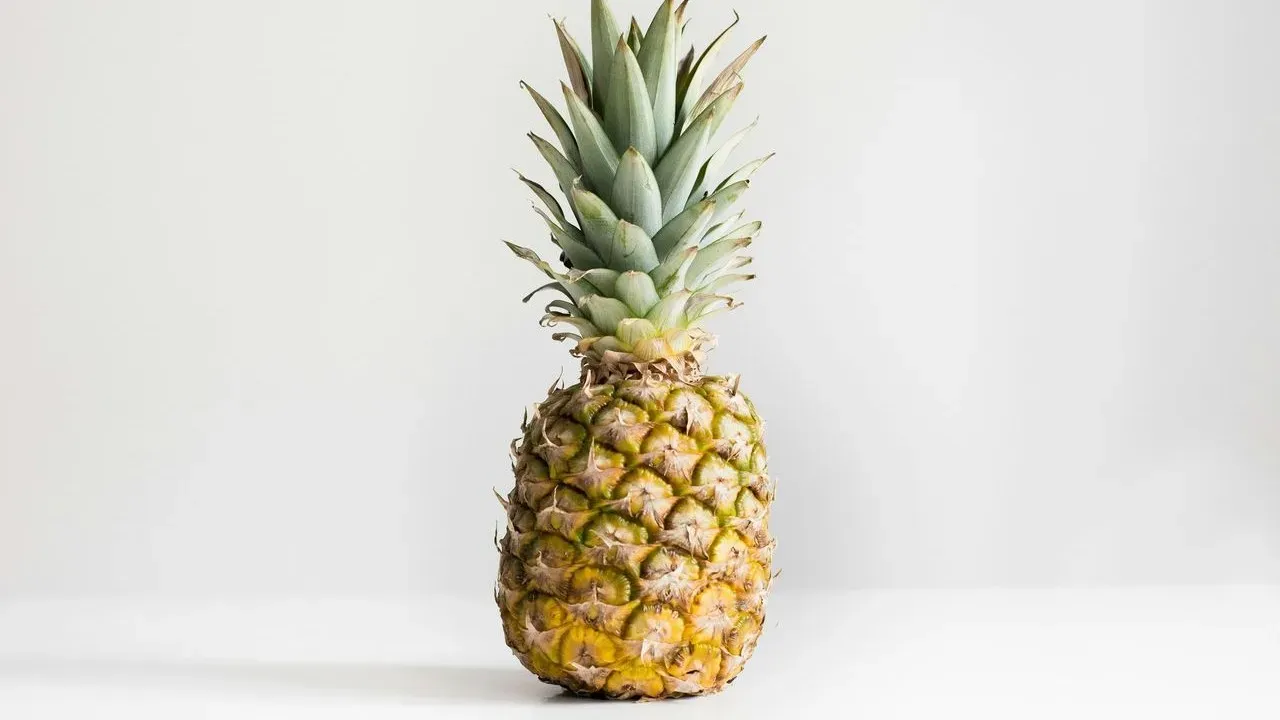

Many gardeners overlook pineapples as a backyard crop, yet personal accounts show they thrive with modest effort and deliver flavor that commercial fruit rarely matches. The difference stems from allowing the fruit to ripen fully on the plant rather than harvesting it green for shipping. This approach turns a tropical curiosity into a practical option for those with suitable space and climate. ([1])
A Family Legacy of Experimentation
Interest in home pineapple growing often traces to earlier generations who treated plants as ongoing projects rather than quick harvests. One account describes a grandfather who collected discarded pineapple tops from a grocery store and enlisted children to plant them in exchange for small payments. The resulting plants integrated into the landscape and began producing after roughly two years.
Those early fruits stood out for their golden color and sweetness, shared among visitors who expressed surprise at the homegrown origin. The effort continued for years, illustrating how a simple reuse of kitchen scraps can yield recurring rewards with minimal ongoing care.
Modern Success in a New Setting
Decades later, similar results emerged in a different region through a top planted in a large container of potting soil mixed with compost. The plant spent winters protected in a greenhouse to avoid cold damage and produced a ripe fruit after about three years. Allowing extra days on the counter after harvest further enhanced the flavor before serving alongside local farm-raised ham.
The outcome reinforced that patience with ripening pays off in taste. Gardeners who trade or source materials creatively can sustain such projects without large upfront costs, turning potential waste into productive cycles.
Key Advantages Over Commercial Fruit
Store-bought pineapples are typically picked before peak sweetness to survive transport, which limits their final flavor profile. Homegrown specimens, by contrast, remain on the plant until fully mature, resulting in deeper color and richer taste that stands out even in simple preparations.
The plants themselves require little beyond avoiding overwatering and providing frost protection where needed. Success depends on climate and available protected space, yet the low maintenance makes the crop accessible to dedicated home growers willing to wait for results.
Practical Considerations for New Growers
Starting from a store-bought top offers an entry point that reuses material otherwise discarded. The process aligns with broader interests in self-sufficiency and experimenting with unusual edibles in the garden.
Those in warmer zones or with greenhouse access can integrate pineapple plants into existing landscapes or containers. The long timeline from planting to harvest encourages planning ahead, but the reward of superior fruit justifies the wait for many enthusiasts.
What matters now is recognizing that home pineapple growing remains viable for those who match the plant’s needs to their local conditions, offering both enjoyment and a clear improvement in eating quality.
AI Disclaimer: This article was created with the assistance of AI tools and reviewed by a human editor.