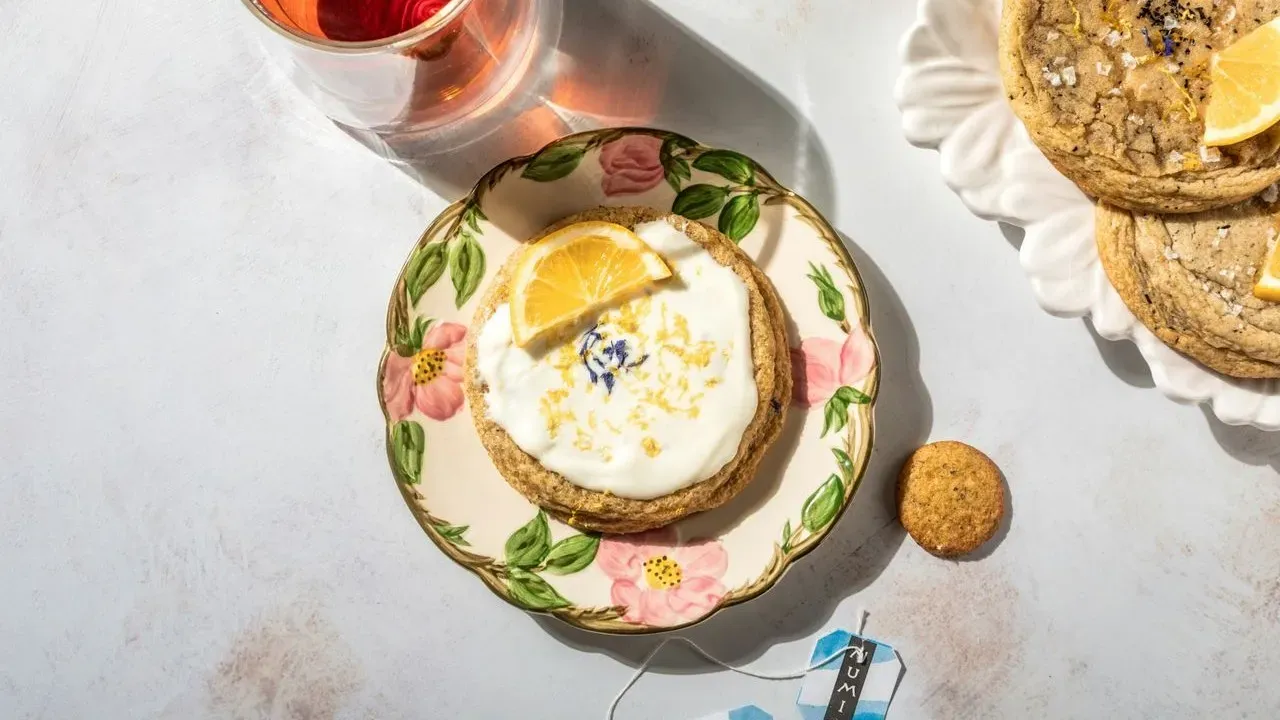

Gardeners have long prized chamomile, bergamot, and ginger for their soothing qualities and easy cultivation. Now these same plants are stepping into the kitchen as flavor powerhouses for a new wave of teatime cookies. The approach turns fresh or dried harvests into citrusy, floral treats that echo classic London Fog lattes while staying rooted in the garden. ([1])
Chamomile: A Simple Bloom With Delicate Sweetness
Chamomile grows readily from seed in sunny beds or containers, producing small daisy-like flowers that dry beautifully for storage. Once harvested, the blossoms release a mild apple-like aroma that softens the richness of butter and sugar in cookie dough. Bakers often steep the dried flowers in warm milk or cream before mixing, allowing the gentle floral note to infuse every bite without overpowering other ingredients. The plant tolerates poor soil and reseeds itself readily, making it ideal for first-time herb gardeners. A single season can yield enough flowers for multiple batches of cookies plus leftover tea. Its subtle sweetness pairs especially well with vanilla or a light lemon zest, creating a balanced treat that feels both familiar and unexpected.
Bergamot and Earl Grey: Citrus Lift From the Garden
Earl Grey tea draws its signature citrus edge from bergamot, a fragrant citrus whose peel flavors black tea leaves. While the full tree thrives in warmer climates, many gardeners grow related bergamot plants or source dried peel to recreate the same bright note at home. When incorporated into cookie dough, the tea lends a clean, aromatic lift that cuts through sweetness and echoes the popular London Fog drink. Steeping the tea in melted butter or milk concentrates the flavor before baking. The result is a cookie with layered depth: floral top notes followed by a lingering citrus finish. Gardeners who cannot grow bergamot directly often turn to potted lemon balm or other citrus-scented herbs as close substitutes that still deliver a comparable brightness.
Ginger for Salabat: Warm Spice in Every Bite
Salabat, the traditional Filipino ginger tea, brings a spicy warmth that contrasts beautifully with the milder floral elements in these cookies. Fresh ginger root grows vigorously in containers or garden beds with consistent moisture and partial shade in hot regions. Once harvested, the root can be grated and simmered into a concentrated tea that then flavors dough or glaze. The resulting cookies carry a gentle heat that builds slowly rather than overwhelming the palate. Many bakers combine salabat with the other two teas for a balanced trio of flavors: floral, citrus, and spice. Dried ginger works in a pinch, yet fresh root from the garden provides noticeably brighter, more vibrant results.
Putting It All Together in the Oven
The process begins with preparing each tea as a concentrated infusion, then folding the liquid into a standard shortbread or sugar-cookie base. Chilling the dough helps the flavors meld before slicing and baking. A light sprinkle of crushed dried flowers or candied ginger on top adds visual appeal and an extra burst of aroma. These cookies store well in airtight tins, making them practical for afternoon gatherings or gifting. The garden connection adds another layer of satisfaction: every batch carries the literal fruits of a season’s work in the soil. The trend shows how everyday garden plants can move seamlessly from bed to baking sheet, turning a simple cup of tea into something far more memorable.
AI Disclaimer: This article was created with the assistance of AI tools and reviewed by a human editor.