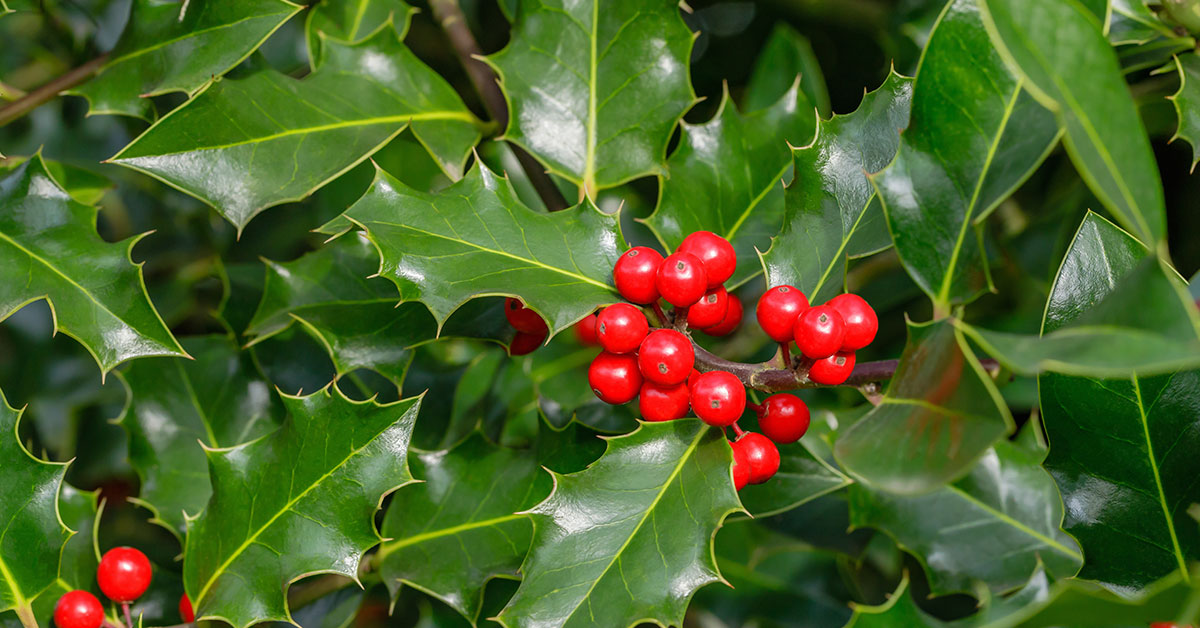

Welcome to the world of holly, a versatile and beautiful plant that can add a touch of elegance to any garden or indoor space. Known for its glossy green leaves and vibrant red berries, holly is not only a symbol of the holiday season but also a year-round delight. Whether you’re a seasoned gardener or a beginner, growing holly can be a rewarding experience.
With its ability to thrive in various climates and its low-maintenance nature, holly is a popular choice for both outdoor landscaping and indoor decoration. In this article, we will explore the different types of holly, the ideal growing conditions, and the essential care tips to ensure your holly plants flourish and bring joy to your surroundings. So, let’s dive into the enchanting world of holly and discover how to cultivate these stunning plants with success.
What is Holly?
Holly is a type of evergreen shrub or small tree that belongs to the genus Ilex. It is native to Europe, North America, and parts of Asia. Holly plants are known for their glossy, leathery leaves and vibrant red berries, which are most commonly associated with the Christmas season. The leaves of holly plants are typically dark green, although some varieties may have variegated or yellowish leaves. The leaves are often spiny and have a waxy texture, which helps them retain moisture.
The shape of the leaves can vary depending on the species, but they are generally oval or elliptical with pointed tips. Holly plants are dioecious, meaning there are separate male and female plants. Only the female plants produce the iconic red berries, which develop in the fall and persist through the winter, providing a striking contrast against the green foliage. The berries are not only visually appealing but also serve as a food source for birds during the colder months.
In addition to its attractive foliage and berries, holly is often used as a decorative plant in gardens and landscapes. It can be pruned into various shapes, such as hedges or topiaries, and its dense growth habit makes it an excellent choice for providing privacy or creating a natural barrier. It’s important to note that while holly plants are generally low-maintenance, some species can be toxic if ingested, so it’s advisable to keep them out of reach of children and pets.
Where is Holly native?
Holly is native to various regions around the world, including North America, Europe, and Asia. Different species of holly can be found in different regions, but they generally prefer temperate and subtropical climates.
In terms of invasiveness, some species of holly can be considered invasive in certain areas. For example, the English holly (Ilex aquifolium) is considered invasive in parts of North America, where it can outcompete native plants and disrupt natural ecosystems. Similarly, the Chinese holly (Ilex cornuta) is considered invasive in some regions of the southeastern United States.
It’s important to research and choose holly species that are native to your specific region to avoid contributing to invasive plant issues. Additionally, always check with local authorities or gardening experts to determine if a particular species of holly is invasive in your area before planting it.
How to grow Holly indoors
Growing holly indoors can be a rewarding experience, as it adds a touch of greenery and elegance to any space. Here is a care guide to help you successfully grow holly indoors:
- Choose the right variety: Select a holly variety that is suitable for indoor growing. Compact varieties like Ilex crenata (Japanese holly) or Ilex vomitoria (Yaupon holly) are good options as they adapt well to indoor conditions.
- Lighting: Holly plants require bright, indirect light to thrive. Place your holly near a window that receives bright, filtered sunlight for at least 4-6 hours a day. Avoid placing it in direct sunlight as it can scorch the leaves.
- Temperature: Holly plants prefer cool to moderate temperatures. Keep the indoor temperature between 60-70°F (15-21°C) during the day and slightly cooler at night. Avoid placing the plant near drafts or heating vents.
- Humidity: Holly plants prefer higher humidity levels. To increase humidity, you can place a tray filled with water near the plant or use a humidifier. Misting the leaves occasionally can also help.
- Watering: Water your holly plant thoroughly when the top inch of soil feels dry. Ensure proper drainage by using a well-draining potting mix. Avoid overwatering, as holly plants are susceptible to root rot. Reduce watering during winter when the plant is in its dormant phase.
- Fertilization: Feed your holly plant with a balanced, water-soluble fertilizer during the growing season (spring and summer). Follow the instructions on the fertilizer packaging for the correct dosage. Avoid fertilizing during winter.
- Pruning: Prune your holly plant to maintain its shape and size. You can remove any dead, damaged, or overgrown branches. Pruning also helps to encourage bushier growth. Use clean and sharp pruning shears to avoid damaging the plant.
- Pests and diseases: Watch out for common pests like spider mites, mealybugs, and scale insects. Regularly inspect the plant for any signs of infestation, such as webbing, sticky residue, or tiny insects. Treat any infestations promptly with organic insecticidal soap or neem oil.
- Dormancy: Holly plants require a period of dormancy to thrive. During winter, reduce watering and place the plant in a slightly cooler location (around 50-55°F or 10-13°C). This will help the plant rest and prepare for new growth in spring.
- Propagation: Holly plants can be propagated through stem cuttings. Take 4-6 inch (10-15 cm) long cuttings from healthy stems in spring or early summer. Remove the lower leaves and dip the cut end in rooting hormone before planting in a well-draining potting mix. Keep the soil moist and provide bright, indirect light until the cuttings root.
Remember that holly plants are toxic to pets and humans if ingested, so keep them out of reach of children and pets. With proper care and attention, your indoor holly plant will thrive and bring beauty to your home.
How to grow Holly outdoors
Growing holly outdoors requires some specific care to ensure its health and vitality. Here is a care guide to help you successfully grow holly plants:
- Choose the right variety: There are many different types of holly plants, so it’s important to select a variety that is suitable for your climate and growing conditions. Some popular varieties include American holly (Ilex opaca), English holly (Ilex aquifolium), and Japanese holly (Ilex crenata).
- Sunlight requirements: Holly plants generally prefer full sun to partial shade. Ensure that your holly receives at least 4-6 hours of direct sunlight each day. If you live in a hot climate, providing some afternoon shade can help protect the plant from excessive heat.
- Soil conditions: Holly plants thrive in well-draining soil that is slightly acidic. The pH level should ideally be between 5.0 and 6.5. If your soil is heavy or clay-like, amend it with organic matter such as compost or peat moss to improve drainage.
- Watering: Holly plants have moderate water needs. Water the plant deeply but infrequently, allowing the top inch of soil to dry out between waterings. Avoid overwatering, as holly plants are susceptible to root rot. During hot and dry periods, increase the frequency of watering to prevent the soil from drying out completely.
- Mulching: Apply a layer of organic mulch around the base of the holly plant, leaving a small gap around the trunk to prevent moisture-related issues. Mulching helps retain soil moisture, suppresses weed growth, and insulates the roots from extreme temperatures.
- Fertilization: Holly plants generally benefit from regular fertilization. Apply a balanced slow-release fertilizer in early spring, following the package instructions. Avoid over-fertilizing, as this can lead to excessive growth and reduced cold hardiness.
- Pruning: Prune holly plants in late winter or early spring before new growth begins. Remove any dead, damaged, or diseased branches. You can also shape the plant by selectively pruning to maintain its desired size and form. Wear gloves while pruning, as holly leaves have sharp spines.
- Pests and diseases: Holly plants are generally resistant to pests and diseases. However, occasional issues like leaf spot, powdery mildew, or scale insects may occur. Monitor your plants regularly and take appropriate action if you notice any signs of infestation or disease. Use organic or chemical treatments as necessary, following the instructions provided.
- Winter protection: Holly plants are known for their cold hardiness, but young or newly planted specimens may require some winter protection. Apply a layer of mulch around the base of the plant to insulate the roots and protect them from freezing temperatures. You can also wrap the plant with burlap or use a protective cover during severe winter weather.
By following these care guidelines, you can successfully grow holly plants outdoors and enjoy their beautiful foliage and berries. Remember to research the specific requirements of the holly variety you choose, as some may have unique care needs.
How to grow Holly in pots
Growing holly in pots can be a rewarding experience, as it allows you to enjoy the beauty of this evergreen plant in a smaller space. Here is a care guide to help you successfully grow holly in pots:
- Select the right pot: Choose a pot that is at least 12-18 inches in diameter and has drainage holes at the bottom. Holly has a deep root system, so a deeper pot is preferable.
- Soil requirements: Use a well-draining potting mix that is slightly acidic. A mix of peat moss, perlite, and compost works well. Avoid using heavy soils or those that retain too much moisture.
- Sunlight: Holly plants thrive in full sun to partial shade. Place your potted holly in a location that receives at least 4-6 hours of direct sunlight per day. If you live in a hot climate, some afternoon shade may be beneficial.
- Watering: Keep the soil consistently moist but not waterlogged. Water the plant thoroughly when the top inch of soil feels dry to the touch. Avoid overwatering, as holly plants are susceptible to root rot. Ensure that the pot has good drainage to prevent waterlogging.
- Fertilization: Feed your potted holly with a slow-release, balanced fertilizer in early spring. Follow the instructions on the fertilizer package for the correct dosage. Avoid over-fertilizing, as it can lead to excessive growth and weak branches.
- Pruning: Prune your holly plant in late winter or early spring to maintain its shape and remove any dead or damaged branches. You can also prune lightly throughout the year to control its size. Wear gloves when pruning, as holly leaves have sharp spines.
- Winter care: Holly is generally hardy, but if you live in a region with harsh winters, it’s best to protect your potted holly. Move the pot to a sheltered location, such as a garage or shed, where it can receive adequate light and protection from freezing temperatures. Water sparingly during winter, as the plant is dormant.
- Pests and diseases: Holly plants are relatively resistant to pests and diseases. However, keep an eye out for common issues like spider mites, scale insects, and leaf spot diseases. Treat any problems promptly with appropriate insecticides or fungicides, following the instructions on the product label.
- Repotting: Every 2-3 years, check if your holly plant has outgrown its pot. If the roots are tightly packed, it’s time to repot into a slightly larger container. Use fresh potting mix and ensure good drainage.
- Propagation: Holly plants can be propagated through stem cuttings or by collecting and planting the seeds from the berries. Cuttings should be taken in late spring or early summer, while seeds should be sown in the fall.
Remember, holly plants are dioecious, meaning they have separate male and female plants. If you want berries, you’ll need both a male and a female plant in close proximity for pollination.
By following these care guidelines, you can successfully grow holly in pots and enjoy its beautiful foliage and berries year-round.
When does Holly bloom?
Holly plants typically bloom in late spring or early summer, usually between May and June. However, it’s important to note that the exact blooming period can vary depending on the specific species and cultivar of holly, as well as the climate and growing conditions in your region.
Propagation guide
Holly (Ilex) can be propagated through various methods, including seeds, cuttings, and layering. Here’s a breakdown of each method:
Propagation by Seeds:
- Collect ripe holly berries and remove the seeds from the flesh.
- Soak the seeds in water for 24 hours to soften the outer seed coat.
- Sow the seeds in a well-draining potting mix, covering them lightly with soil.
- Keep the soil consistently moist and provide indirect light.
- Germination can take several weeks to months, so be patient.
Propagation by Cuttings:
- Take 4-6 inch long stem cuttings from a healthy holly plant in late spring or early summer.
- Remove the lower leaves, leaving only a few at the top.
- Dip the cut end in a rooting hormone (optional) to encourage root development.
- Plant the cutting in a well-draining potting mix or a mixture of perlite and peat moss.
- Place the pot in a warm, bright location, but avoid direct sunlight.
- Keep the soil consistently moist and mist the cutting regularly to maintain humidity.
- Roots should develop within a few weeks to a couple of months.
Propagation by Layering:
- Select a low-growing holly branch that is flexible enough to bend to the ground.
- Remove any leaves from the section of the branch that will be buried.
- Make a small wound on the underside of the branch where it touches the ground.
- Bury the wounded section in the soil, leaving the tip of the branch exposed.
- Secure the branch to the ground with a U-shaped wire or a small stone.
- Keep the soil consistently moist and wait for roots to develop, which may take several months.
- Once roots have formed, sever the branch from the parent plant and transplant it to a new location.
Remember to provide proper care, including regular watering, well-draining soil, and appropriate lighting conditions, to ensure successful propagation and healthy growth of your holly plants.
Common pests and diseases
Holly plants are generally quite resistant to pests and diseases, but they can still be affected by a few common issues. Here are some of the pests and diseases that can affect holly plants:
- Scale Insects: Scale insects are small, oval-shaped pests that attach themselves to the stems and leaves of holly plants. They can cause yellowing of leaves, stunted growth, and even death if left untreated.
- Leaf Spot: Leaf spot is a fungal disease that causes dark spots or lesions on the leaves of holly plants. It can be caused by various fungi and can lead to defoliation if severe.
- Powdery Mildew: Powdery mildew is a fungal disease that appears as a white, powdery coating on the leaves of holly plants. It can cause leaf distortion and stunted growth if not controlled.
- Holly Leaf Miner: Holly leaf miners are small larvae that tunnel through the leaves of holly plants, causing brown blotches and leaf distortion. While not usually fatal, severe infestations can weaken the plant.
- Spider Mites: Spider mites are tiny pests that feed on the sap of holly plants, causing yellowing leaves, webbing, and overall decline in plant health.
To prevent and manage these pests and diseases, it is important to maintain good plant hygiene, such as removing and destroying infected leaves or branches. Regularly inspecting your holly plants for signs of pests or diseases and taking appropriate action, such as using insecticidal soaps or horticultural oils, can also help keep them healthy.
Interesting facts
Holly (Ilex) is a fascinating plant with several interesting facts. Here are a few:
- Symbolism: Holly has been associated with various symbolic meanings throughout history. It is often linked to Christmas and is considered a symbol of eternal life, rebirth, and protection against evil spirits.
- Evergreen: Holly is an evergreen plant, meaning it retains its glossy green leaves year-round. This quality makes it a popular choice for adding color and interest to winter gardens.
- Dioecious: Holly plants are dioecious, which means there are separate male and female plants. Female holly plants produce the iconic red berries, while male holly plants produce small, inconspicuous flowers. To ensure berry production, it is necessary to have both male and female plants in close proximity.
- Berries: The bright red berries of holly plants are not only visually appealing but also serve as an important food source for birds during the winter months when other food is scarce. However, it’s essential to note that holly berries are toxic to humans and pets if ingested.
- Medicinal Uses: Holly has been used in traditional medicine for various purposes. Some cultures have utilized holly leaves to treat fever, rheumatism, and digestive issues. However, it is crucial to consult a healthcare professional before using holly for medicinal purposes.
- Wildlife Habitat: Holly plants provide valuable shelter and nesting sites for birds and small mammals. The dense foliage and prickly leaves offer protection from predators, making holly an excellent choice for creating wildlife-friendly gardens.
- Versatility: While the most commonly known holly species have spiky leaves, there are also varieties with smooth-edged leaves. Additionally, holly plants come in various sizes, from small shrubs to tall trees, making them versatile for different garden settings.
- Historical Uses: In ancient times, holly was believed to have protective qualities and was often used to ward off evil spirits. It was also used in celebrations and decorations during winter festivals long before it became associated with Christmas.
- Traditional Crafts: Holly has been used in traditional crafts for centuries. Its branches, leaves, and berries are often incorporated into wreaths, garlands, and floral arrangements, adding a festive touch to holiday decorations.
- Native Species: Holly is native to many regions around the world, including North America, Europe, and Asia. Different species of holly can be found in various habitats, from woodlands to coastal areas, showcasing its adaptability and resilience.