
The Hispi Cabbage is a versatile and delicious vegetable that has been cherished by gardeners and chefs alike. With its tender, sweet leaves and captivatingly crisp texture, Hispi Cabbage has become a beloved addition to various culinary creations.
Whether you are an experienced gardener looking to diversify your produce or a beginner ready to embark on your gardening journey, join us as we uncover the secrets and joys of cultivating Hispi Cabbage in your own backyard. Get ready to embrace the satisfaction of harvesting this delectable vegetable, and enjoy the rewards of a thriving garden that not only nourishes your body but also fills your soul with a sense of accomplishment.
What is a Hispi Cabbage?
Hispi cabbage, also known as sweetheart cabbage, is a variety of cabbage that has a distinctive shape and taste. It is a member of the Brassica oleracea species, which also includes other common vegetables like broccoli, cauliflower, and kale. Hispi cabbage is named after the town of Hispi in Yorkshire, England, where it was first cultivated in the 19th century.
One of the main characteristics of Hispi cabbage is its unique shape. It has a pointed, conical head with tightly packed, crisp leaves that form a dense, elongated shape. The outer leaves are a vibrant green color, while the inner leaves are pale yellow or white. In terms of taste, Hispi cabbage offers a mild and slightly sweet flavor compared to other cabbage varieties. The leaves are tender and have a delicate texture, making them ideal for both raw and cooked preparations.
When cooked, Hispi cabbage retains its crunchiness and doesn’t become overly soft or mushy. Like other members of the cabbage family, Hispi cabbage is nutritious and packed with vitamins and minerals. It is a good source of dietary fiber, vitamin C, vitamin K, and folate. It also contains antioxidants and phytonutrients that have been linked to various health benefits, including improved digestion and a strengthened immune system.
When it comes to cultivation, Hispi cabbage thrives in cool weather conditions and prefers a fertile, well-drained soil. It can be grown from seeds or transplants and requires regular watering to keep the soil evenly moist. Hispi cabbage is relatively easy to grow and can be harvested when the heads reach their desired size, typically around 10-12 weeks after planting.
In summary, Hispi cabbage is a visually appealing and flavorful variety of cabbage. Its unique shape, mild taste, and nutritional benefits make it a popular choice for both home gardeners and professional chefs alike.
What does Hispi Cabbage taste like?
A Hispi cabbage has a delicious and unique taste that sets it apart from other varieties of cabbage. It is known for its sweet and subtle flavor, which is less bitter than other cabbage types. When cooked, the leaves become tender and slightly creamy, with a delicate crunch. The taste is mild and slightly nutty, making it a versatile choice for various culinary preparations. Whether you use it in salads, stir-fries, or soups, the Hispi cabbage adds a pleasant and refreshing taste to any dish.
How to start from seed
Starting a Hispi cabbage involves several steps, from seed sowing to transplanting. Here is a step-by-step guide to help you successfully grow Hispi cabbage:
- Seed selection: Choose high-quality Hispi cabbage seeds from a reputable supplier or store. Look for seeds labeled as “F1 Hispi” for the best results.
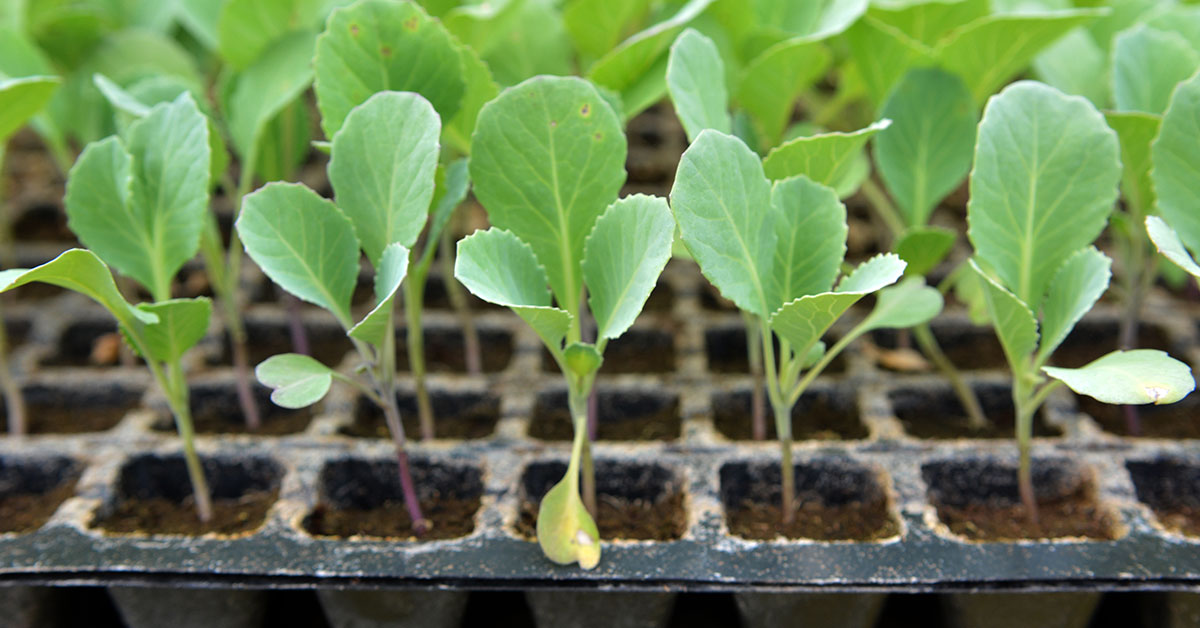
- Seed sowing: Start sowing the seeds indoors, around 6-8 weeks before the last expected frost date in your area. Fill seed trays or small pots with a well-draining seed-starting mix.
- Sowing depth and spacing: Plant the seeds about 1/4 to 1/2 inch deep in the soil. Space the seeds around 2 inches apart. Lightly cover the seeds with additional seed-starting mix.
- Watering: Moisten the soil evenly, ensuring it is not waterlogged. Use a misting spray or a gentle watering can to avoid displacing the seeds.
- Germination: Hispi cabbage seeds typically germinate within 7-10 days, but it may vary depending on the temperature and growing conditions. Maintain a consistent temperature range of 60-70°F (15-21°C) for better germination.
- Provide light: Once the seeds have germinated, place them in a location where they receive ample sunlight or provide artificial grow lights if natural light is insufficient. Aim for 14-16 hours of light per day.
- Transplanting: When the seedlings have developed their first set of true leaves and are around 4-6 inches tall, they are ready for transplanting. This usually takes 4-6 weeks from sowing.
- Harden off the seedlings: Before transplanting outdoors, gradually expose the seedlings to outdoor conditions over a period of 7-10 days. Start by placing them in a sheltered spot for a few hours each day, gradually increasing the duration and exposure to direct sunlight.
- Outdoor planting: Choose a sunny location in your garden with well-draining soil. Hispi cabbage prefers fertile, loamy soil with a pH range of 6.0-7.5. Space the transplants around 18-24 inches apart, leaving enough room for the mature plants to grow.
- Planting depth: Dig a hole slightly larger than the root ball of the seedling. Place the seedling in the hole, making sure it is planted at the same depth as it was in the seed tray. Gently firm the soil around the base of the plant.
- Watering and care: Water the newly transplanted seedlings thoroughly to settle the soil. Maintain consistent moisture levels throughout the growing season, ensuring the soil is evenly moist but not waterlogged. Regularly check for pests, such as aphids or cabbage worms, and take appropriate measures to control them.
- Harvesting: Hispi cabbage matures in approximately 12-14 weeks after transplanting. Harvest the cabbage heads when they are firm and reach the desired size, usually around 2-3 pounds. Cut the heads at the base using a sharp knife, leaving some outer leaves intact for protection.
By following these steps, you should be able to start and grow your own Hispi cabbage successfully. Good luck with your gardening endeavors!
Planting and growing Hispi Cabbage
Here are the steps for planting and growing Hispi Cabbage:
- Select a suitable location: Hispi cabbage prefers full sun, so choose a spot in your garden that receives at least 6-8 hours of direct sunlight per day. The soil should be well-draining and rich in organic matter.
- Prepare the soil: Remove any weeds, rocks, or debris from the planting area. Loosen the soil using a garden fork or tiller, and amend it with compost or well-rotted manure to improve fertility and drainage.
- Start seeds indoors (optional): The seeds can be started indoors, 4-6 weeks before the last frost date in your area. Plant the seeds in seed trays or pots filled with seed-starting mix, and keep them in a warm and well-lit area until they germinate.
- Direct sowing: This vegetable can also be directly sown in the garden. Once the danger of frost has passed, sow the seeds ½ inch deep and about 12-18 inches apart in rows that are 2-3 feet apart. Thin the seedlings to about 12 inches apart once they have developed their first true leaves.
- Watering: Hispi cabbage requires consistent moisture, so water the plants regularly, aiming to keep the soil evenly moist but not waterlogged. Avoid overhead watering to prevent the spread of diseases.
- Fertilization: Hispi cabbage benefits from regular feeding. Apply a balanced organic fertilizer or compost tea every 3-4 weeks during the growing season to promote healthy growth and development.
- Mulching: Apply a layer of organic mulch, such as straw or shredded leaves, around the base of the plants. Mulching helps conserve moisture, suppress weeds, and maintain a more even soil temperature.
- Pest and disease control: Monitor the plants regularly for common cabbage pests like aphids, cabbage worms, or slugs. Use organic pest control methods such as handpicking, applying insecticidal soap, or using companion plants like marigolds or nasturtiums to deter pests. Keep an eye out for signs of diseases such as powdery mildew or clubroot, and take appropriate measures to prevent or treat them.
- Harvesting: Hispi cabbage typically takes around 70-80 days to mature. Harvest the heads when they reach a desirable size and are firm. Cut the heads at the base of the plant using a sharp knife.
By following these steps, you should be able to successfully plant and grow Hispi cabbage in your garden. Remember to provide proper care, and enjoy the delicious, homegrown cabbages!
When to harvest
The best time to harvest Hispi cabbage is when the heads are firm and have reached their mature size. This usually occurs about 10-12 weeks after transplanting or 85-100 days after sowing the seeds. Hispi cabbage is typically ready for harvest in late summer or early fall, depending on the planting date. It is important to monitor the cabbage heads closely as they can quickly become overripe and develop a bitter taste if left on the plant for too long.