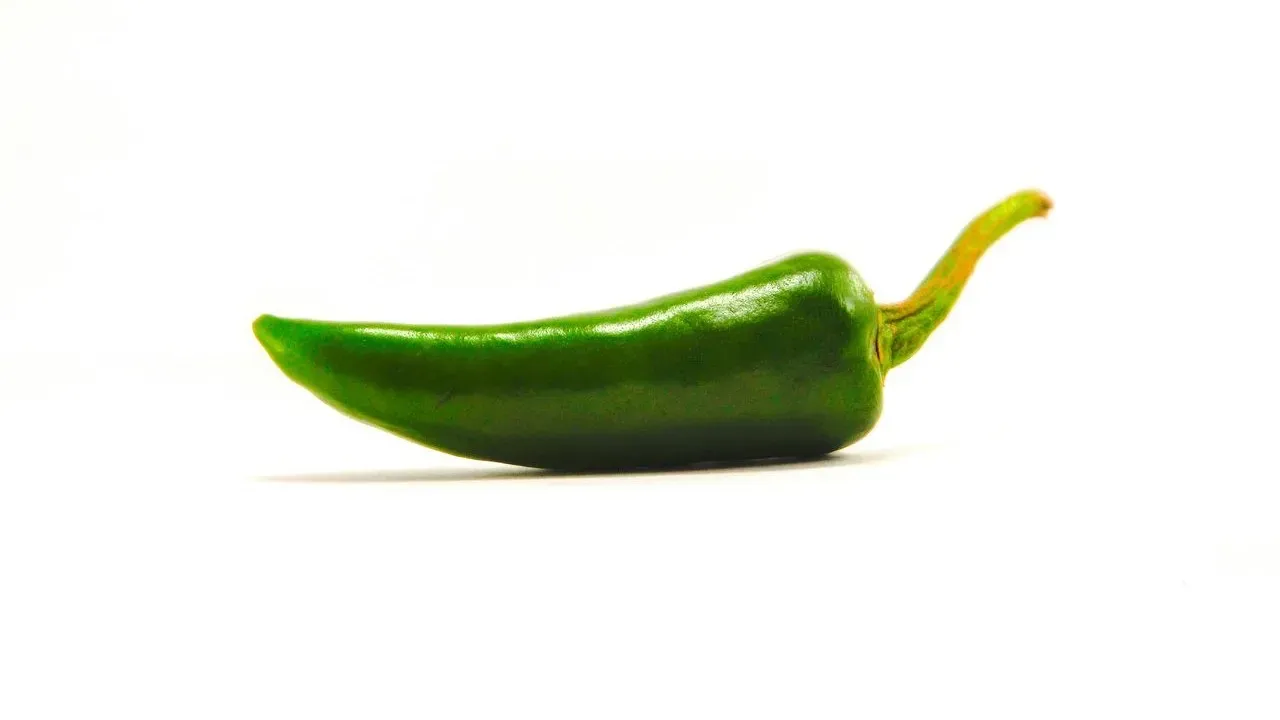

Home cooks and gardeners who regularly add plenty of chili peppers to their meals may want to weigh a new finding from a large-scale analysis. The review examined consumption patterns across multiple studies and identified a clear pattern: people with the highest intake showed a substantially elevated risk of esophageal cancer. Researchers stress that the connection remains an association rather than established cause and effect, leaving important questions about moderate use unanswered.
The Central Finding on Esophageal Cancer
The analysis pooled data from numerous observational studies that tracked dietary habits over time. Participants who reported eating the most chili peppers consistently showed higher rates of esophageal cancer compared with those who consumed little or none. This pattern held after accounting for several other known risk factors, though the exact biological mechanisms remain unclear. Esophageal cancer is particularly aggressive and often diagnosed at later stages, making prevention insights especially relevant. The review did not pinpoint a specific threshold amount that triggers the increased risk, nor did it examine preparation methods such as fresh, dried, or cooked peppers. Those details will require further investigation before any firm dietary guidance can emerge.
Evidence for Stomach and Colorectal Cancers
The same body of research produced less consistent results for other digestive tract cancers. Associations with stomach cancer appeared weaker and more variable across the included studies. Colorectal cancer showed no reliable link to chili pepper consumption in the aggregated data. This uneven picture suggests that any potential effect may be specific to certain parts of the digestive system rather than a broad impact on gastrointestinal health. The differences could stem from variations in study design, population groups, or how chili peppers interact with local tissue environments. Researchers noted that additional targeted studies would help clarify these distinctions.
Association, Not Proven Causation
A key limitation highlighted throughout the review is the distinction between correlation and direct cause. People who eat large amounts of chili peppers may also share other lifestyle or environmental factors that contribute to cancer risk. Without randomized controlled trials, which are difficult to conduct for dietary exposures over long periods, definitive proof remains out of reach. The authors explicitly caution against interpreting the results as evidence that chili peppers directly cause esophageal cancer. They emphasize the need for more research to determine whether occasional or moderate consumption carries similar concerns. This measured stance reflects standard scientific practice when observational data form the primary evidence base.
Considerations for Gardeners and Regular Consumers
For those who grow chili peppers at home or incorporate them frequently into cooking, the findings introduce a note of caution without demanding immediate drastic changes. Many gardeners value the crop for its flavor, versatility, and relatively easy cultivation in home settings. The review does not address whether growing methods, variety selection, or portion sizes alter the observed association. A short list of practical points to monitor includes:
– Tracking personal intake levels over time rather than assuming all amounts carry equal risk.
– Staying informed as new studies examine dose-response relationships.
– Discussing dietary patterns with healthcare providers, especially for individuals with additional risk factors for esophageal cancer. These steps allow continued enjoyment of homegrown produce while remaining attentive to emerging evidence.
Next Steps in Understanding the Link
Further work is already underway in several research groups to explore potential pathways, including how capsaicin and other compounds in chili peppers might affect esophageal tissue. Larger, longer-term studies that better control for confounding variables will be essential. Until those results appear, the current review serves mainly as a prompt for awareness rather than a call for avoidance. The uncertainty leaves room for balanced decisions. Individuals can weigh personal enjoyment of chili peppers against the preliminary nature of the risk signal and adjust habits accordingly as science progresses.
AI Disclaimer: This article was created with the assistance of AI tools and reviewed by a human editor.