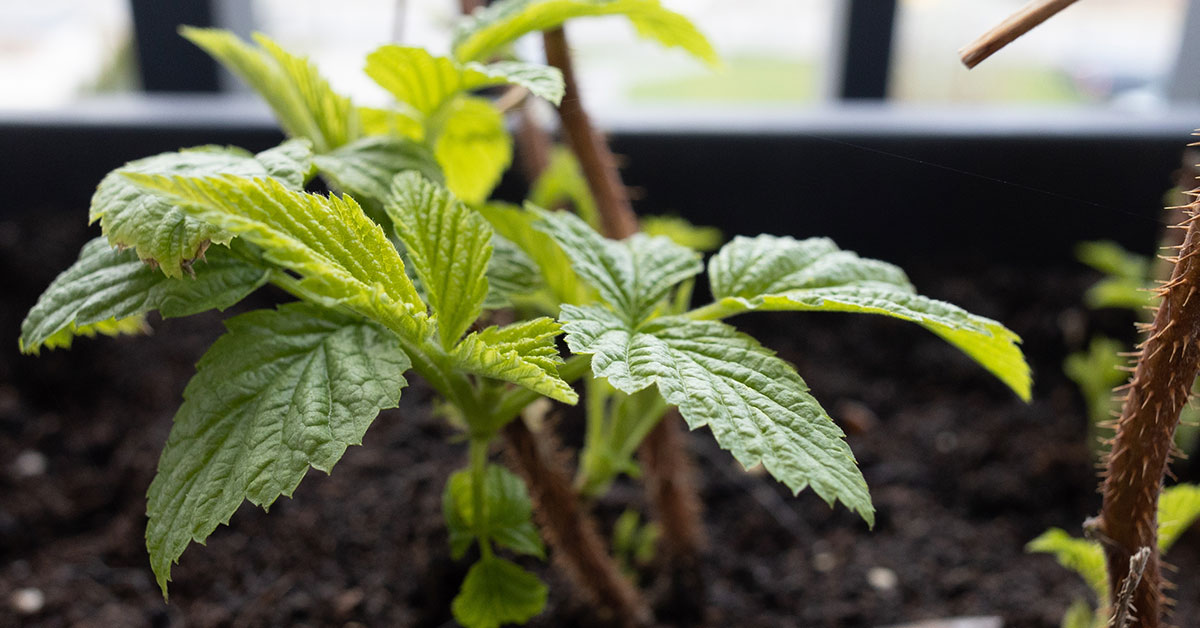

If you’re a fan of nostalgia and the taste of true, old-fashioned raspberries, then growing the heritage raspberry might be for you. These heirloom varieties have been passed down through generations, preserving their exceptional flavors and unique characteristics.
We will explore the world of heritage raspberries, from selecting the right variety to caring for your plants, so you can experience the delight of growing your own slice of history.
What is a Heritage Raspberry?
Heritage Raspberry is known for its exceptional taste and aroma. These raspberries are typically smaller in size compared to modern varieties but make up for it with their intense flavor. They are often described as having a sweet and tart taste, with a hint of floral notes. The berries have a deep red color and are soft and juicy, making them perfect for eating fresh, as well as for use in various culinary creations.
The origins of Heritage Raspberries can be traced back to the 19th century when they were cultivated by early settlers and gardeners. These raspberries were often grown in home gardens and were cherished for their unique flavors and adaptability. Over time, the seeds and plants were passed down from one generation to another, leading to the preservation of these heirloom varieties. Today, Heritage Raspberry is grown in various regions around the world, with each region having its own unique strains and cultivars.
Heritage Raspberry holds significant value for raspberry enthusiasts and growers alike. These heirloom varieties offer a taste experience that is unmatched by many modern raspberry cultivars. The rich and complex flavors of Heritage Raspberry make them a sought-after ingredient for desserts, jams, sauces, and other culinary delights. Additionally, these raspberries are often grown using traditional and organic farming practices, adding to their appeal for those seeking natural and sustainable food options.
Due to the increasing popularity of modern raspberry varieties, many Heritage Raspberry cultivars have faced the risk of extinction. However, there has been a growing movement to preserve and conserve these heirloom varieties. Seed banks, botanical gardens, and passionate growers have taken up the task of collecting and propagating Heritage Raspberry plants to ensure their continued existence. This conservation effort is essential to maintain the genetic diversity and unique flavors of these raspberries for future generations.
What does a Heritage Raspberry taste like?
When it comes to the world of berries, the Heritage Raspberry stands out as a truly exceptional fruit. With its vibrant red color and sweet aroma, this raspberry variety is sure to delight your taste buds. But what does it actually taste like? Let’s dive into the delightful flavors that make the Heritage Raspberry a favorite among berry enthusiasts.
The first thing you’ll notice when you take a bite of a Heritage Raspberry is its intense sweetness. Unlike some other raspberry varieties, the Heritage Raspberry is known for its high sugar content, which gives it a pleasantly sweet flavor profile. This natural sweetness makes it a perfect choice for enjoying on its own or adding to your favorite desserts.
But the sweetness of the Heritage Raspberry is not overwhelming. It is perfectly balanced with a subtle tartness that adds depth and complexity to its taste. This delicate tanginess gives the raspberry a refreshing quality, making it a wonderful choice for summer treats or as an ingredient in fruit salads and smoothies.
One of the unique characteristics of the Heritage Raspberry is its juiciness. As soon as you bite into one, you’ll experience a burst of flavorful juice that coats your mouth. The juicy texture of the raspberry enhances its overall taste, making every bite a delightful experience.
In terms of texture, the Heritage Raspberry is quite soft and tender. Its delicate structure allows it to melt in your mouth effortlessly, making it easy to savor and enjoy. The softness of the berry also contributes to its versatility in various culinary applications, such as making jams, jellies, and even sauces.
Another noteworthy aspect of the Heritage Raspberry’s taste is its subtle floral undertones. Some describe it as having a hint of rose or violet flavors, adding a touch of elegance to its overall profile. These delicate floral notes elevate the raspberry’s taste and make it a sophisticated choice for pairing with cheese or incorporating into gourmet recipes.
How to start from seed
Growing your own Heritage Raspberry plants from seed can be a rewarding and cost-effective way to enjoy these delicious berries in your garden. In this section, we will guide you through the process of starting Heritage Raspberry from seed, from selecting the seeds to planting and caring for the young plants.
- Selecting the Seeds:
To start Heritage Raspberry from seed, it is essential to choose high-quality seeds from a reliable source. Look for reputable seed suppliers or nurseries that specialize in berry plants. Make sure to select seeds of the Heritage Raspberry variety specifically, as there are different types of raspberries with varying flavors, sizes, and growing requirements. - Preparing the Soil:
Heritage Raspberry plants thrive in well-draining, nutrient-rich soil. Before planting the seeds, prepare the soil by removing any weeds, rocks, or debris. Loosen the soil with a garden fork or tiller to ensure good drainage. If the soil is heavy clay, consider adding organic matter, such as compost or well-rotted manure, to improve its texture and fertility. - Planting the Seeds:
Heritage Raspberry seeds should be planted in early spring, after the last frost date in your area. Start by creating small furrows or rows in the prepared soil, spaced about 2 feet apart. Place the seeds about an inch deep and 2-3 inches apart within the furrows. Cover the seeds with soil and gently pat it down to ensure good seed-to-soil contact. - Watering and Care:
After planting the seeds, water the soil thoroughly but gently. Avoid overwatering, as it can lead to rotting or fungal diseases. Keep the soil consistently moist but not waterlogged throughout the germination period. Provide a light mulch layer around the planting area to retain moisture and suppress weed growth. - Germination and Transplanting:
Heritage Raspberry seeds typically take 2-3 weeks to germinate. Once the seedlings have emerged and grown to about 3-4 inches tall, they can be transplanted to their permanent location in the garden. Choose a sunny spot with well-draining soil and enough space for the mature plants to spread. - Caring for Young Plants:
As the Heritage Raspberry plants continue to grow, proper care is crucial for their development. Regularly water the plants, especially during dry spells, and provide a trellis or support structure for the canes to climb on. Mulching around the plants will help conserve moisture and prevent weed competition. Additionally, consider applying a balanced fertilizer according to the instructions on the packaging to provide the necessary nutrients for optimal growth.
How to grow this fruit in your garden
This raspberry cultivar is known for its vigorous growth, disease resistance, and ability to produce a bountiful harvest. If you have a passion for gardening and want to add a delicious and versatile fruit to your backyard, growing Heritage Raspberry is an excellent choice. We will guide you through the process of successfully growing Heritage Raspberry plants, from selecting the right location to caring for your plants throughout the growing season.
Choosing the Right Location: To ensure optimal growth and fruit production, it is important to select the right location for your Heritage Raspberry plants. Here are a few factors to consider:
Sunlight: Heritage Raspberries thrive in full sun, so choose a location that receives at least 6-8 hours of direct sunlight per day.
Soil: Raspberries prefer well-drained soil with a pH level between 5.5 and 6.5. If your soil is heavy or compacted, consider amending it with organic matter such as compost or well-rotted manure.
Air Circulation: Good air circulation is crucial for preventing the spread of diseases. Avoid planting your Heritage Raspberry plants in areas with excessive shade or in tight spaces.
Planting Heritage Raspberry: Now that you have chosen the perfect location for your Heritage Raspberry plants, it’s time to get them in the ground. Follow these steps for successful planting: Dig a hole that is wide and deep enough to accommodate the roots of your raspberry plant.
Place the plant in the hole and ensure that the crown (the area where the roots meet the stem) is level with or slightly above the soil surface. Backfill the hole with soil and gently firm it around the plant, being careful not to damage the roots. Water the newly planted raspberry thoroughly to settle the soil and provide moisture to the roots.
Caring for Heritage Raspberry Plants: To ensure healthy growth and a bountiful harvest, it is essential to provide proper care to your Heritage Raspberry plants. Here are some care tips to keep in mind:
Watering: Raspberries need regular watering, especially during dry spells. Keep the soil consistently moist but not waterlogged. Mulching around the plants can help retain moisture and suppress weed growth.
Pruning: Pruning is an important part of raspberry plant maintenance. Remove any dead, damaged, or diseased canes, as well as the spent canes that have already produced fruit. This will encourage new growth and maintain the health of the plant.
Fertilizing: Heritage Raspberry plants benefit from regular fertilization. Apply a balanced fertilizer in early spring and again in early summer. Follow the manufacturer’s instructions for application rates.
Pest and Disease Management: Monitor your raspberry plants regularly for any signs of pests or diseases. Common issues include aphids, spider mites, and fungal diseases such as powdery mildew. If necessary, take appropriate measures to control pests and diseases, such as using organic insecticides or fungicides.