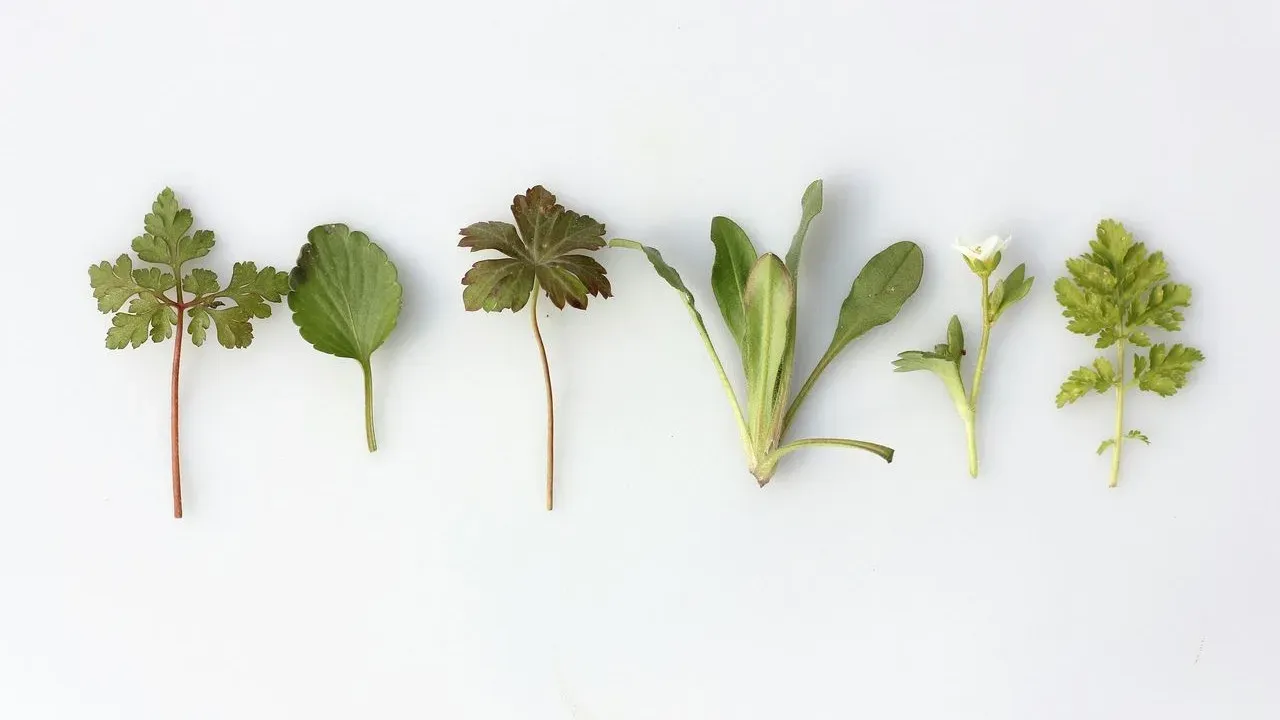

Dallas-area gardeners have long turned to their herb beds for fresh flavors and fragrances. Now some are extending that connection indoors by selecting wall colors drawn directly from the same plants. A recent project at a local guest house illustrates how paint manufacturers are capitalizing on this overlap between outdoor cultivation and interior comfort. ([1])
Why Herb Names Resonate With Homeowners
Paint companies have introduced multiple shades that borrow names and tones from familiar culinary and aromatic herbs. These choices tap into a desire for understated, nature-derived palettes that feel restorative rather than bold. Homeowners who already maintain herb gardens recognize the references immediately, which can simplify decisions when refreshing a room. The appeal lies in the colors’ ability to echo the muted greens and earth tones found in actual plantings. Rather than bright or saturated hues, the selections lean toward grayed or olive-inflected greens that shift subtly with changing light. This quality suits spaces intended for rest or quiet reflection.
Seven Herb-Linked Options Under Consideration
A Dallas County Master Gardener narrowed a larger palette to seven candidates, each tied to plants growing steps from the bedroom window. The list includes both Sherwin-Williams and Benjamin Moore products, presented here in alphabetical order with brief characterizations drawn from the project notes.
- Clary Sage (Sherwin-Williams 6178): A muted gray-green carrying a soft yellow cast that appears clearer in daylight and more khaki-toned in warmer light.
- Dill (Sherwin-Williams 6438): A mid-tone green with an olive cast and gentle yellow-green undertones that avoids a bright garden look.
- Dried Thyme (Sherwin-Williams 6186): An organic, outdoorsy green with cool, calming notes and a hint of blue.
- Herb Bouquet (Benjamin Moore 460): A softened mid-tone green with gray and olive leanings that reads calm and lived-in.
- Herb Garden (Benjamin Moore 434): A near-dark shade that adds depth without overwhelming a room.
- Rosemary (Sherwin-Williams 6187): A rich, gray-toned green described as calm, earthy, and balanced.
- Tansy Green (Sherwin-Williams 6424): A muted olive-leaning green with a yellow cast that suggests sun-warmed earth.
These descriptions highlight consistent traits: restraint, subtle variation under different lighting, and an ability to complement rather than compete with surrounding furnishings.
Practical Links Between Garden and Interior
The bedroom in question sits adjacent to an established herb bed containing multiple basil varieties, French tarragon, marjoram, oregano, and lemon verbena. Guests staying in the space will see living plants through the windows while surrounded by a painted reminder of the same garden. The approach creates continuity between indoor and outdoor environments without requiring additional maintenance. Such pairings can reduce visual clutter and reinforce a sense of calm. For gardeners who already invest time in herb cultivation, extending those tones inside represents a low-effort way to enjoy the plants year-round.
Next Steps and Broader Implications
A final selection is expected sometime in late October. The decision will rest partly on emotional response to the herb each color evokes, illustrating how personal attachment can guide practical choices in home improvement. Paint manufacturers appear to recognize this dynamic, as evidenced by the growing number of herb-referenced shades entering the market. For homeowners and gardeners alike, the trend offers a straightforward method to translate outdoor interests into interior design. It also underscores the continuing value of familiar plants as sources of both utility and aesthetic inspiration.
AI Disclaimer: This article was created with the assistance of AI tools and reviewed by a human editor.