

As the days grow shorter and the temperatures drop, many gardeners dread the thought of their beloved herbs going dormant or fading away until spring. However, winter doesn’t have to mean a halt to your culinary and medicinal pursuits! Herb gardening during the winter months is not only possible but can also be incredibly rewarding, allowing you to enjoy fresh flavors and aromatic plants even when the outdoor garden is quiet. Whether you prefer cultivating herbs indoors or adapting your outdoor space, there are numerous strategies to keep your herb garden thriving throughout the colder season.
I know how disheartening it can be to watch your hard-earned herbs struggle against the winter chill. It’s such a bummer when you can’t harvest fresh basil or thyme just when you need them the most. But fear not! With a bit of creativity and the right techniques, you can maintain a vibrant and productive herb garden all winter long. Let’s dive into some of my favorite tips and methods for herb gardening during the winter, ensuring that your kitchen remains stocked with fresh flavors and your garden stays green and lively even in the frostiest months!
Using Grow Lights for Indoor Herbs

One of the most effective ways to keep your herbs flourishing indoors during winter is by using grow lights. These artificial lighting solutions mimic the natural sunlight that herbs need to thrive, compensating for the reduced daylight hours. Originating from advancements in horticultural technology, modern LED grow lights are energy-efficient and provide the full spectrum of light that plants require for photosynthesis. By positioning grow lights above your indoor herb garden, you can ensure that your basil, parsley, and mint receive the consistent light they need to grow strong and healthy.
What I love most about grow lights is their versatility and ease of use. Whether you have a sunny windowsill or a dedicated indoor gardening space, grow lights can be adjusted to fit your specific needs. Many models come with adjustable heights and brightness settings, allowing you to tailor the light intensity to different types of herbs. Additionally, using grow lights can extend the growing season, enabling you to start new plants or propagate cuttings even in the dead of winter. Incorporating grow lights into your indoor herb garden not only boosts plant growth but also adds a beautiful, ambient glow to your living space, making winter herb gardening both practical and aesthetically pleasing!
Selecting Hardy Herbs for Winter
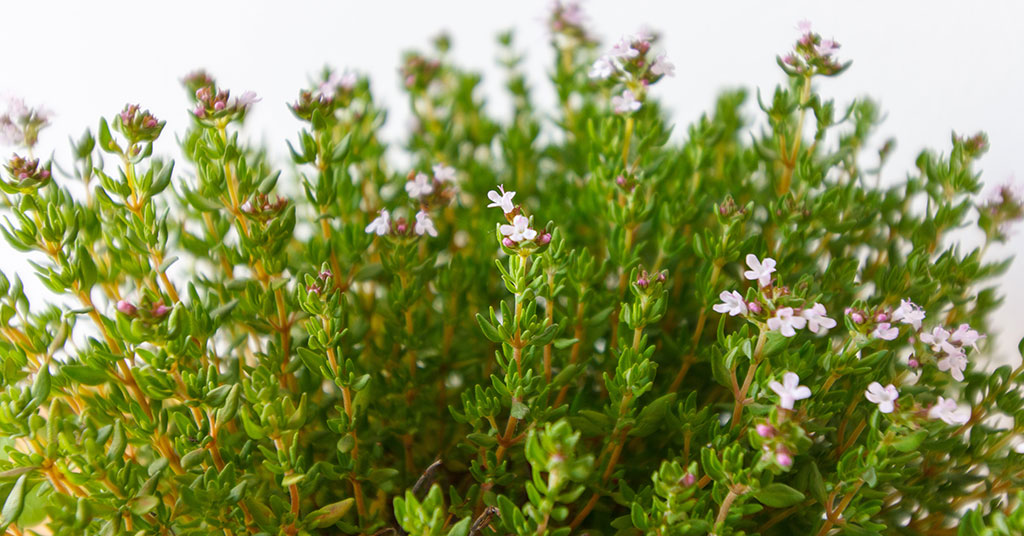
Choosing the right herbs is crucial for successful winter gardening, especially when dealing with colder temperatures and limited sunlight. Hardy herbs like rosemary (Rosmarinus officinalis), thyme (Thymus vulgaris), and sage (Salvia officinalis) are excellent choices for winter cultivation because of their resilience and ability to withstand cooler conditions. Native to the Mediterranean region, these herbs are adapted to thrive in well-drained soils and can handle the occasional frost, making them ideal for both indoor and protected outdoor gardens. Their robust nature ensures that they remain productive, providing fresh flavors for your culinary needs throughout the winter months.
In addition to their hardiness, these herbs offer numerous benefits beyond their culinary uses. Rosemary, for instance, attracts beneficial insects and can act as a natural pest deterrent in your garden. Thyme is known for its medicinal properties and aromatic qualities, making it a favorite among herbal enthusiasts. Sage not only enhances dishes with its earthy flavor but also has been used traditionally for its cleansing and healing properties. By selecting hardy herbs that are well-suited to winter conditions, you can create a sustainable and thriving herb garden that continues to support your health and well-being even during the colder seasons!
Propagation Methods for Winter Herb Gardening

Propagating herbs during the winter is a fantastic way to expand your indoor garden and ensure a steady supply of fresh plants. One of the most popular methods is taking stem cuttings, which is both simple and highly effective. For example, you can easily propagate basil, mint (Mentha spp.), and oregano (Origanum vulgare) by cutting a healthy stem just below a node and placing it in water until roots develop. This process not only saves you money on buying new plants but also allows you to share your favorite herbs with friends and family, spreading the joy of fresh flavors!
Another propagation technique is using seed saving, which involves collecting seeds from your existing herbs before they go to seed. This method is particularly useful for annual herbs like dill (Anethum graveolens) and cilantro (Coriandrum sativum). By storing the seeds in a cool, dry place, you can plant them as soon as the weather warms up, ensuring a continuous supply of your favorite herbs. Additionally, layering and division are effective for perennials like rosemary and thyme, helping to maintain vigorous and healthy plants year after year. Embracing these propagation methods not only enhances the diversity of your herb garden but also fosters a deeper connection with your plants, making winter herb gardening a truly enriching experience!
Protecting Outdoor Herb Gardens from Frost
Winter can be harsh on outdoor herb gardens, but with the right protection, your herbs can survive and even thrive despite the cold. One effective strategy is using frost blankets or burlap covers to shield your plants from freezing temperatures and harsh winds. These materials create a protective barrier that retains heat and prevents frost from damaging the delicate leaves and stems of your herbs. Native to various regions, many of these protective coverings are designed to be breathable, allowing air circulation while keeping the cold out, ensuring that your herbs remain healthy and robust throughout the winter.
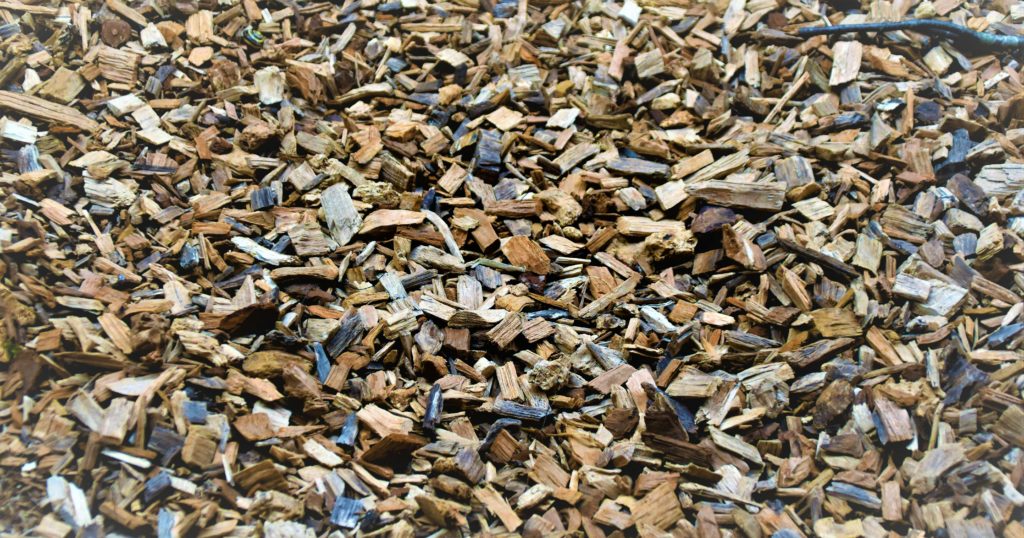
Another important protection method is mulching around the base of your herbs. Applying a thick layer of organic mulch, such as straw, shredded leaves, or compost, helps insulate the soil, maintaining a stable temperature and preventing root damage from frost. Mulching also retains moisture in the soil, reducing the risk of dehydration during dry winter periods. Additionally, grouping your herbs together can create a microclimate that offers mutual protection against the cold. It’s such a relief to see your outdoor herbs survive the winter months, knowing that your careful protection efforts have paid off. By implementing these protective measures, you can ensure that your outdoor herb garden remains a vibrant source of fresh flavors year after year!
Extending the Growing Season with Cold Frames

Cold frames are an excellent tool for extending the growing season of your herbs, allowing you to cultivate fresh flavors well into the winter months. These simple structures, typically consisting of a transparent roof and sturdy sides, create a mini-greenhouse effect that traps heat and provides a more stable environment for your herbs. Native to traditional European gardening, cold frames are easy to construct using reclaimed materials like old windows or glass panels, making them a cost-effective addition to your winter herb garden. By placing your herbs inside a cold frame, you can protect them from frost, wind, and excessive moisture, ensuring they remain productive even when the weather outside is less than ideal.
What I find particularly rewarding about using cold frames is the increased control over your herb garden’s microclimate. You can easily regulate the temperature and humidity by opening or closing the frame as needed, creating optimal growing conditions for herbs like parsley (Petroselinum crispum) and chives (Allium schoenoprasum). Additionally, cold frames allow you to start new herbs early in the spring, giving you a head start on the growing season. The transparent cover also provides ample light, which is essential for photosynthesis, ensuring your herbs receive the energy they need to grow strong and flavorful. Incorporating cold frames into your winter gardening routine not only protects your herbs but also enhances your overall gardening experience, making winter herb cultivation both feasible and enjoyable!
Harvesting and Pruning Herbs in Winter

Proper harvesting and pruning techniques are essential for maintaining the health and productivity of your herbs during the winter months. Regularly harvesting herbs like rosemary and thyme encourages bushier growth and prevents the plants from becoming leggy. It’s important to use clean, sharp scissors or pruning shears to make precise cuts just above a leaf node, which promotes new growth and keeps your herbs looking their best. Additionally, harvesting your herbs before the first frost ensures that you collect them at their peak flavor and potency, maximizing their culinary and medicinal benefits.
Pruning is equally important, as it helps to remove any dead or damaged foliage that could harbor pests or diseases. For perennial herbs like sage and oregano, a thorough pruning in late fall can invigorate the plants, preparing them for the winter dormancy period. This practice not only improves the overall appearance of your herbs but also enhances their resilience against winter stress. It’s such a satisfying feeling to carefully tend to your herbs, knowing that your efforts will pay off with lush, flavorful plants come spring. By incorporating regular harvesting and pruning into your winter herb gardening routine, you ensure that your herbs remain healthy, productive, and ready to provide fresh flavors all year round!
Indoor Herb Gardening Techniques
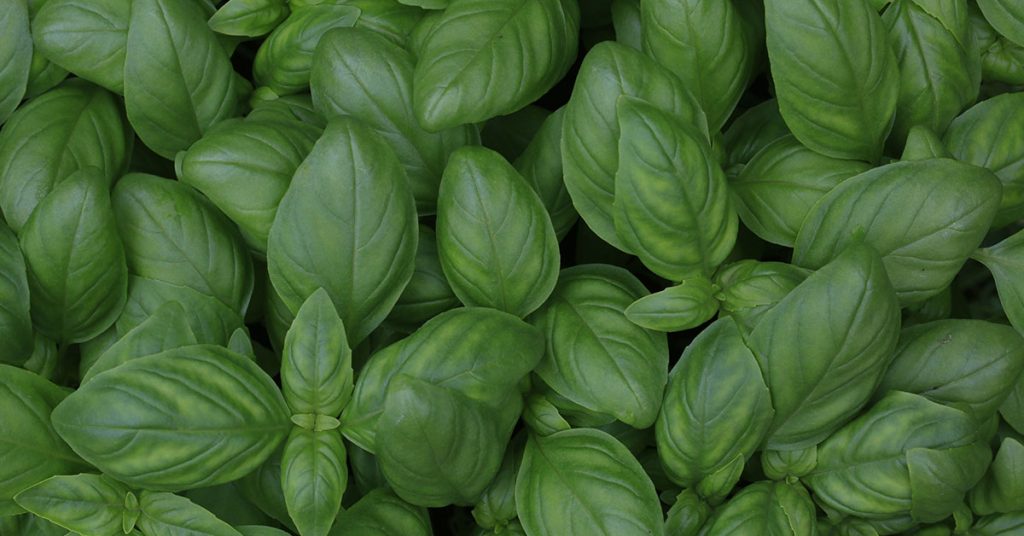
Indoor herb gardening offers a fantastic opportunity to enjoy fresh flavors and aromatic plants even when outdoor conditions are less favorable. One effective technique is using vertical gardening systems, such as wall-mounted planters or tiered shelves, which maximize space and provide ample light for your herbs. Herbs like basil, mint, and parsley thrive in these setups, where they receive consistent light and can be easily accessed for harvesting. Additionally, using high-quality potting soil and ensuring proper drainage are crucial for preventing root rot and promoting healthy growth, allowing your indoor herb garden to flourish throughout the winter.
Another key technique is maintaining optimal humidity and temperature levels for your indoor herbs. Placing a humidifier nearby or grouping your herbs together can help create a more humid environment, which is beneficial for moisture-loving herbs like basil and cilantro. Additionally, keeping your indoor garden in a well-ventilated area prevents the buildup of excess moisture, reducing the risk of mold and mildew. It’s such a joy to have a thriving indoor herb garden, where the fresh scents and vibrant colors brighten up your living space and provide a constant supply of herbs for your kitchen. By implementing these indoor gardening techniques, you can create a lush and productive herb sanctuary that enhances both your culinary endeavors and your home’s ambiance!
Container Gardening Outdoors

Container gardening is a versatile and practical approach to cultivating herbs outdoors during the winter, especially in regions with milder climates. Using containers allows you to move your herbs to protected areas, such as patios or balconies, where they can receive adequate sunlight and shelter from harsh weather. Herbs like rosemary, thyme, and oregano perform well in containers, as they require well-drained soil and can be easily managed for optimal growth. Additionally, container gardening provides flexibility, allowing you to rearrange your herbs as needed to take advantage of varying light conditions throughout the winter months.
What makes container gardening so appealing is the ability to customize each container to meet the specific needs of different herbs. For instance, placing sun-loving herbs like basil in a south-facing container ensures they receive maximum light, while herbs that prefer partial shade, such as chives and mint, can be positioned in areas with indirect sunlight. Using quality potting mix and regularly monitoring soil moisture levels are essential for maintaining healthy container-grown herbs. Furthermore, containers can be equipped with insulating materials or placed on stands to protect them from ground frost, enhancing their resilience against winter chill. Embracing container gardening outdoors not only keeps your herbs accessible and manageable but also adds a charming and organized aesthetic to your winter garden space!
Creating a Winter Herb Garden Layout
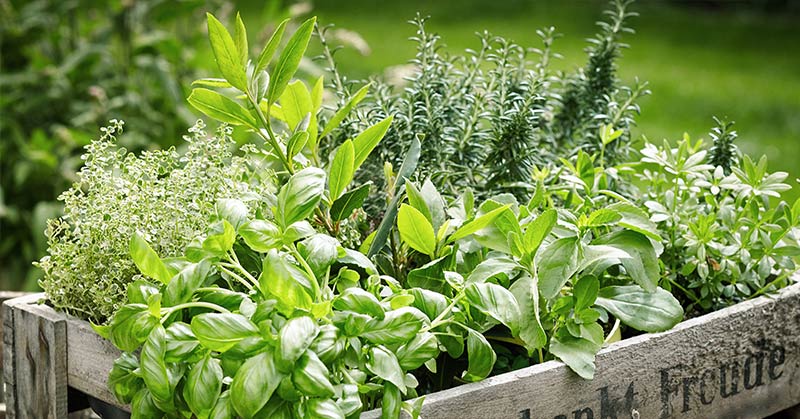
Designing a thoughtful layout for your winter herb garden is key to maximizing space, light, and accessibility for your plants. Start by grouping herbs with similar light and water requirements together, ensuring that each plant receives the optimal conditions it needs to thrive. For example, place sun-loving herbs like basil and oregano in the brightest spots, while shade-tolerant herbs like mint and parsley can be situated in areas with indirect light. Incorporating raised beds or tiered shelving can also help elevate your herbs, improving air circulation and light exposure, which is crucial for healthy growth during the shorter days of winter.
In addition to functional grouping, consider the aesthetic aspects of your winter herb garden layout. Using a variety of container sizes, shapes, and colors can add visual interest and create a pleasing arrangement that enhances your indoor or outdoor space. Incorporating decorative elements such as trellises for vining herbs like sweet basil or using multi-tiered planters can elevate the overall look of your garden. It’s such a satisfying experience to see your herbs arranged beautifully, making your winter gardening efforts both productive and visually appealing. By carefully planning your winter herb garden layout, you ensure that your herbs are well-organized, easy to care for, and a delightful addition to your home or outdoor area!
Managing Soil pH
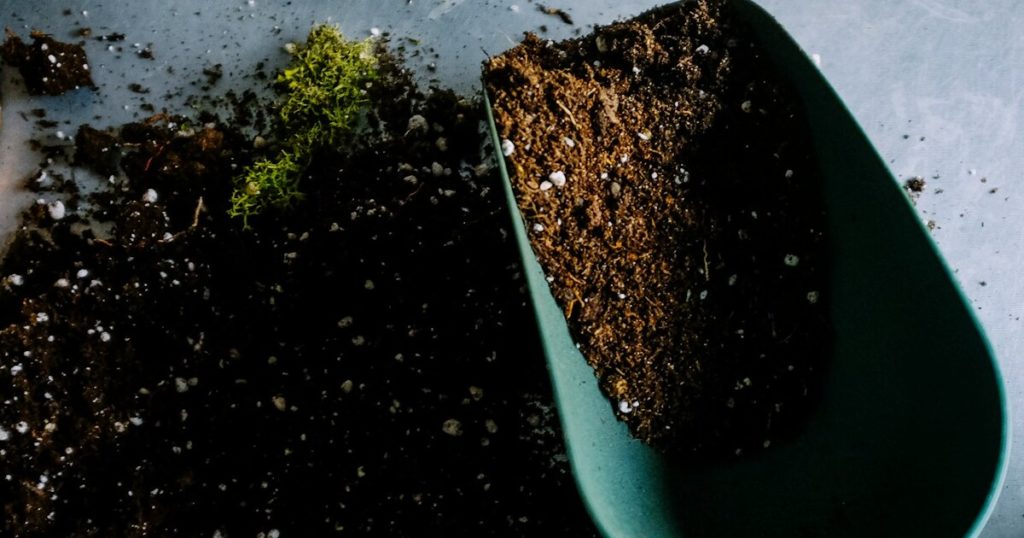
Maintaining the proper pH balance of your soil is essential for the health and productivity of your winter herb garden. Soil pH affects the availability of nutrients, influencing how well your herbs can absorb the essential elements they need to grow. Conducting a soil pH test before the winter season allows you to identify any imbalances and take corrective actions. Most herbs prefer a slightly acidic to neutral pH range (6.0 to 7.0), but specific needs can vary. For instance, thyme and oregano thrive in slightly alkaline soils, while parsley prefers a more neutral environment.
Adjusting soil pH involves adding amendments such as lime to raise the pH or sulfur to lower it, depending on the test results. It’s important to incorporate these amendments well before the winter sets in, giving them ample time to interact with the soil and create a stable environment for your herbs. Using organic matter like compost can also help buffer pH levels and improve soil structure, making it easier to maintain the desired balance. Proper pH management not only enhances nutrient uptake but also supports the growth of beneficial soil microorganisms that contribute to overall soil health. It’s such a strategic step to ensure that your winter herb garden remains fertile and productive, providing you with fresh flavors and vibrant plants throughout the season!
Benefits of Winter Herb Gardening
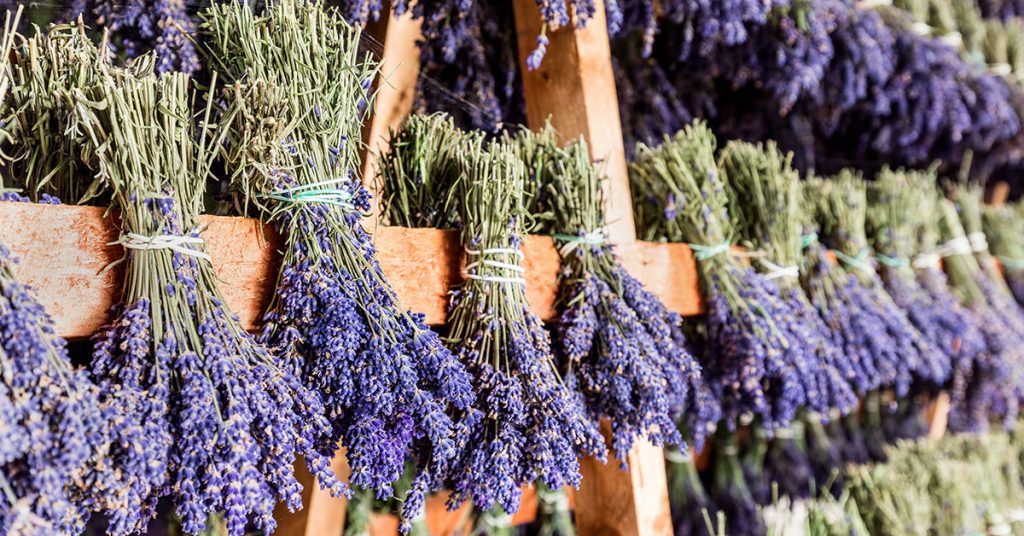
Winter herb gardening offers a multitude of benefits that extend beyond the mere availability of fresh flavors. One of the primary advantages is the convenience of having a steady supply of herbs at your fingertips, allowing you to enhance your culinary creations with ease. Fresh herbs like basil, rosemary, and thyme not only elevate the taste of your dishes but also provide essential vitamins and antioxidants, contributing to your overall health and well-being. Additionally, indoor herb gardens can serve as a beautiful and aromatic addition to your home, creating a pleasant environment that lifts your spirits during the darker winter months.
Another significant benefit is the opportunity to engage in sustainable and mindful gardening practices. By growing your own herbs, you reduce your reliance on store-bought produce, which often comes with packaging waste and a higher carbon footprint. Winter herb gardening also encourages you to explore and experiment with different cultivation techniques, fostering a deeper connection with your plants and the natural world. Moreover, caring for an herb garden can be a therapeutic and stress-relieving activity, providing a sense of accomplishment and peace during the busy winter season. Embracing winter herb gardening not only enhances your kitchen and home but also promotes a healthier, more sustainable, and fulfilling lifestyle!