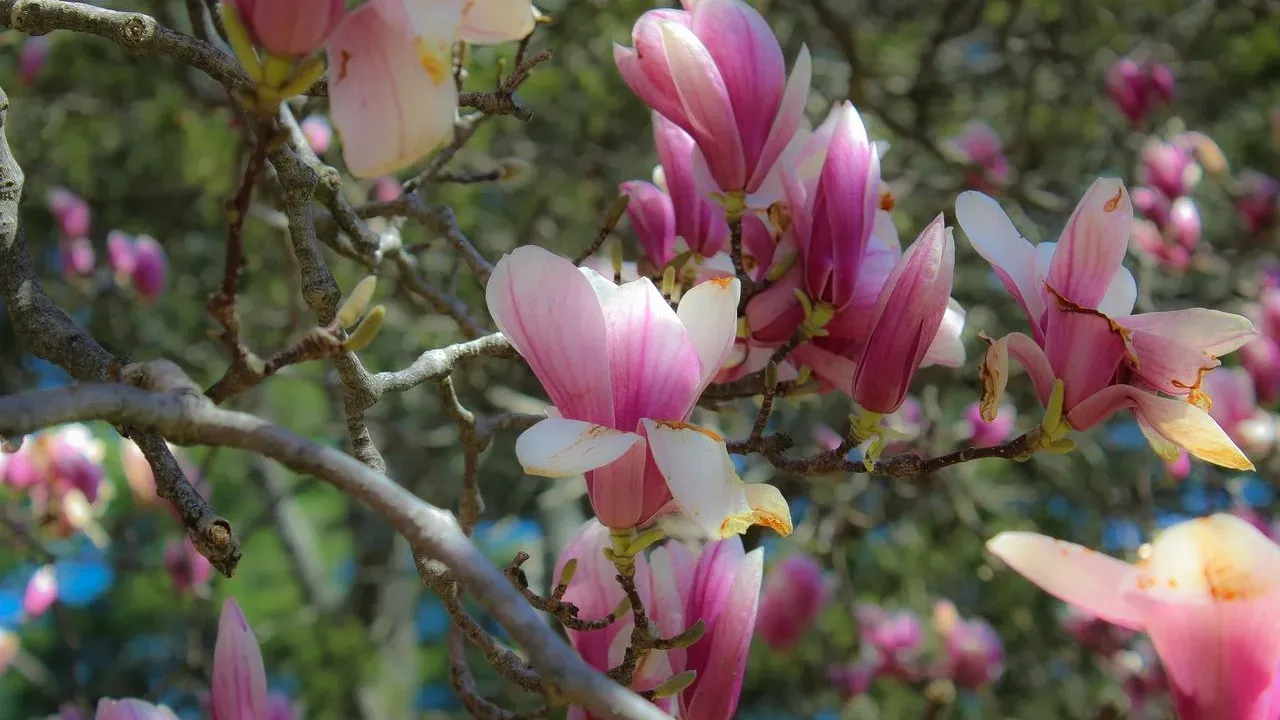

In Connecticut, Heidi tends an established garden that reaches its fullest expression each summer. Flowers crowd the beds in layers of color while bees and butterflies move steadily from bloom to bloom. The result is a lively, self-sustaining space that rewards the care invested over many seasons.
A Garden Built to Last
Years of thoughtful planting have created a stable framework that supports the summer display. Perennials return reliably, filling gaps left by earlier spring flowers and preparing the ground for later arrivals. This layered approach keeps the garden looking full even as individual plants cycle through their peaks.
The layout also favors pollinators by offering continuous nectar sources. Open areas allow sunlight to reach lower-growing flowers, while taller stems provide shelter on hotter days. Such practical choices turn the space into more than a collection of plants; they form a working habitat.
Summer Abundance on Display
By midsummer the beds overflow with blossoms in every height and hue. The sheer volume of flowers creates a sense of lushness that draws the eye across the entire garden. Each new day brings fresh openings, extending the season of color well into the warmer months.
This abundance does not happen by chance. Regular deadheading and careful spacing encourage repeat flowering and prevent overcrowding. The result is a garden that feels generous rather than sparse, even during the busiest weeks of the year.
Pollinators Find a Welcome Home
Bees of several sizes and butterflies in constant motion fill the air above the flowers. Their presence signals a healthy ecosystem where nectar and pollen remain available throughout the day. The garden’s design, with its mix of bloom times and flower shapes, supports this steady traffic.
Observers often notice the same insects returning to favored plants. The activity adds sound and movement that change the feel of the space from quiet to vibrant. In turn, the pollinators help set seed for the following year, closing a natural loop within the garden.
Lessons from a Working Landscape
Heidi’s garden shows how an established planting can deliver both beauty and ecological value at the same time. The focus on reliable perennials and pollinator-friendly choices reduces the need for constant replanting. Visitors leave with ideas they can adapt to their own yards, whether large or small.
The summer peak serves as a reminder that gardens mature into something greater than the sum of their parts. Continued observation and small adjustments keep the space responsive to weather and visitor patterns alike. In this way, the garden remains both a personal retreat and a living example for others.
AI Disclaimer: This article was created with the assistance of AI tools and reviewed by a human editor.