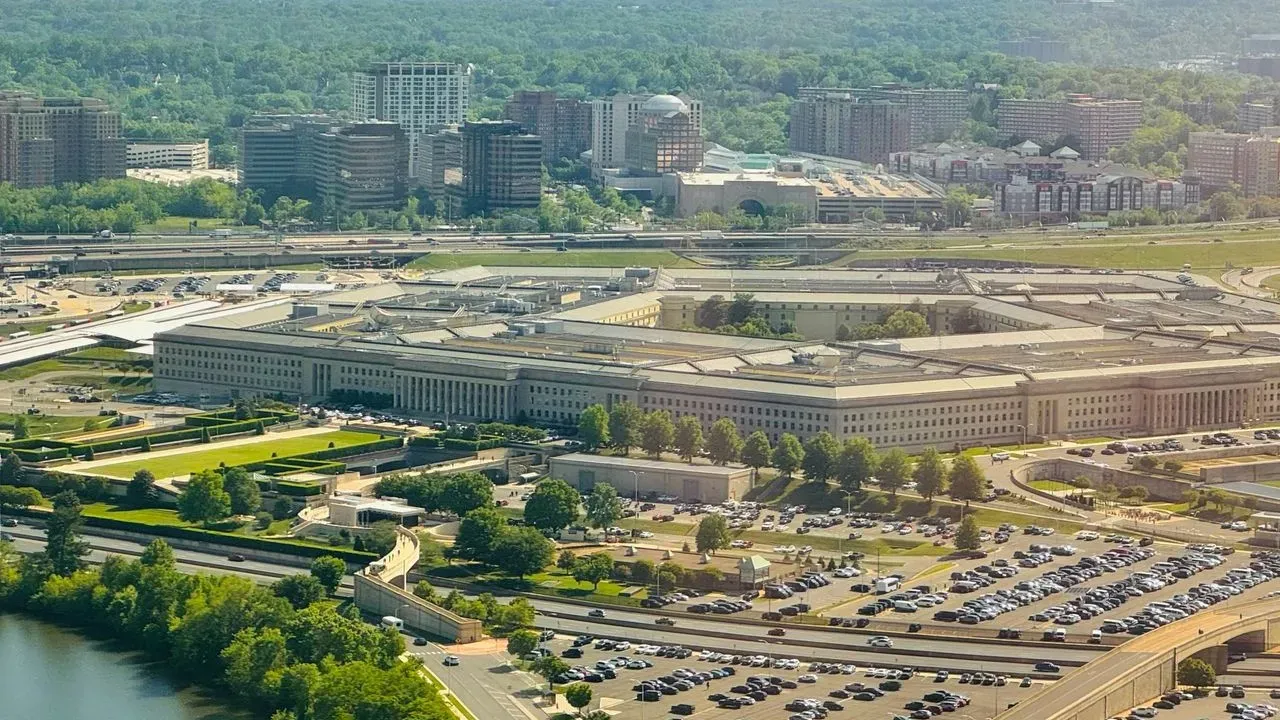

The Pentagon dismissed the editor-in-chief and a Middle East reporter at Stars and Stripes on Friday, citing insubordination after the journalists defended the newspaper’s editorial independence. Publisher Max Lederer, who had announced his retirement earlier in the week following more than three decades at the publication, also received a separation notice. The moves extend Defense Secretary Pete Hegseth’s months-long effort to limit journalists’ access to the military.
Details of the Dismissals
Erik Slavin, the editor-in-chief, and reporter Lara Korte were told their refusal to accept military oversight amounted to insubordination. Korte had covered the conflict with Iran extensively. Slavin informed the Associated Press that the termination notice explicitly referenced his stance against censorship. Korte emphasized the publication’s role in a statement after her dismissal. “Military families and service members have trusted us to share their experience with the world,” she said. The firings follow the earlier removal of the newspaper’s ombudsman, Jacqueline Smith, whose position was created to safeguard editorial independence.
Unique Status of Stars and Stripes
The newspaper traces its roots to the Civil War and has operated continuously for U.S. military communities since World War II. Although it receives partial Defense Department funding, Congress has long shielded its editorial independence to prevent it from becoming a public-relations arm of the Pentagon. That protection has placed the publication in direct tension with recent Pentagon directives. In January, a Pentagon spokesperson stated that Stars and Stripes would be refocused on “warfighting, weapons systems, fitness, lethality, survivability and ALL THINGS MILITARY,” while dropping what officials called “DC gossip columns” and wire-service stories. The April dismissal of the ombudsman signaled the start of deeper changes.
Pattern of Press Restrictions
The latest actions fit a broader campaign. Last year, dozens of journalists gave up Pentagon credentials rather than accept new reporting limits. A federal judge blocked parts of the policy, yet the Pentagon closed the long-used Correspondents’ Corridor and shifted reporters to an annex outside the building. Questions have also surfaced about access decisions. Reports indicate that Hegseth’s wife, Jennifer Rauchet Hegseth, who holds no official Pentagon role, has attended meetings with foreign defense officials and participated in a Signal chat where sensitive operational details were shared.
Continued Reporting Under Pressure
Stars and Stripes maintained its focus on military communities even after the personnel changes. On Saturday, the newspaper reported that the USS Abraham Lincoln was departing the Middle East after months of support for operations related to the Iran conflict without leave. The story carried particular weight for sailors and their families awaiting their return. The episode highlights the collision between a congressionally protected institution and an administration intent on reshaping military information channels. Stars and Stripes has navigated political pressures for generations; its ability to do so now rests on whether those protections hold.
AI Disclaimer: This article was created with the assistance of AI tools and reviewed by a human editor.