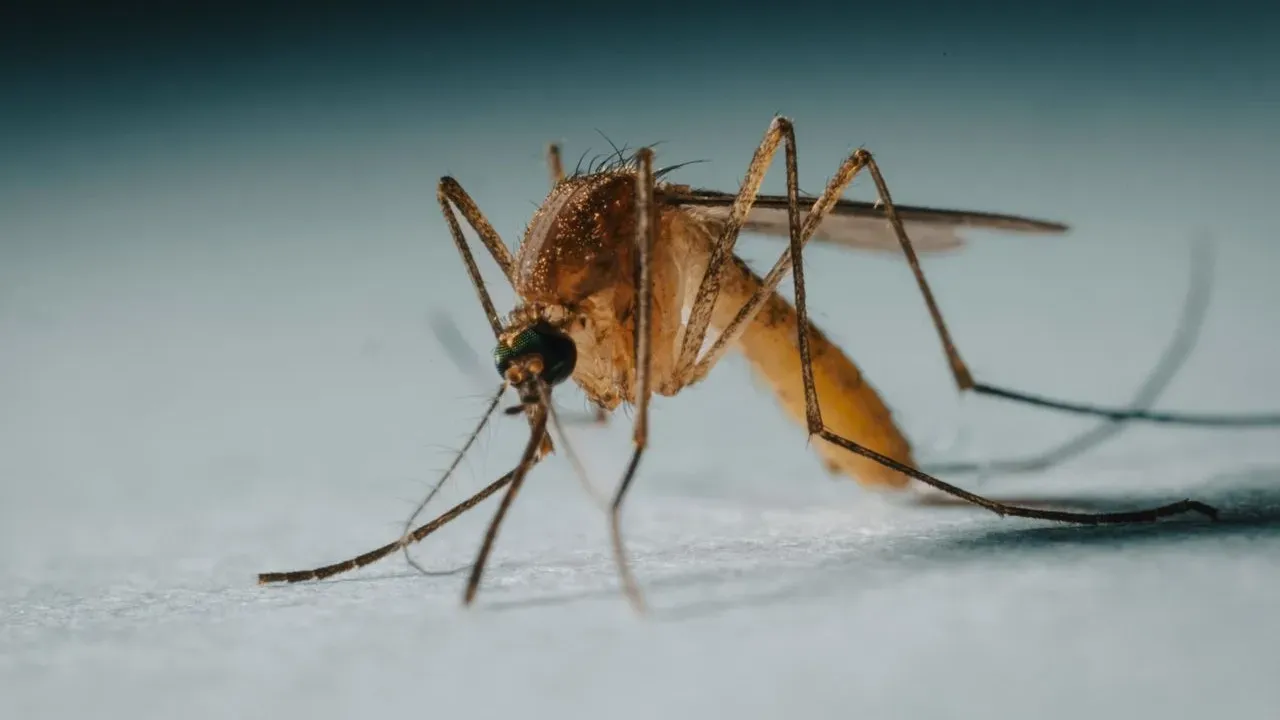

Southern California is facing a sharp rise in mosquito activity as record heat speeds up breeding cycles across the region. Local vector control teams have launched emergency spraying operations to curb the expanding population. The development raises fresh questions about how residents can limit breeding sites around homes and gardens. ([1])
Heat Speeds Up the Life Cycle
Warmer temperatures shorten the time it takes for mosquito eggs to develop into biting adults. In typical conditions the process spans several days, yet extreme heat can compress it significantly. This acceleration allows successive generations to emerge faster than control programs can respond. Officials note that the current heat wave has created ideal conditions for rapid population growth in both urban and suburban areas.
Emergency Spraying Begins
Control districts have shifted to targeted aerial and ground treatments in affected zones. These operations focus on locations where larvae counts have spiked beyond normal thresholds. Crews apply approved larvicides and adulticides while coordinating with local health departments. The goal remains containment rather than eradication, given the scale of the outdoor environment.
West Nile Virus Context
Health authorities continue to monitor for West Nile virus, which mosquitoes can transmit. The virus circulates in bird populations and occasionally spills over to humans through bites. No new case counts appear in the latest reports, yet the combination of heat-driven breeding and virus presence prompts heightened vigilance. Residents are advised to reduce personal exposure during peak mosquito hours.
Yard and Garden Steps That Matter
Homeowners can interrupt breeding by removing or treating standing water sources. Common garden features such as birdbaths, saucers under pots, and clogged gutters often hold enough moisture for egg-laying. Consistent irrigation checks and container management help limit new sites. These routine actions complement professional spraying and reduce the need for broader interventions.
What matters now
Consistent yard maintenance paired with official control efforts offers the most practical path forward while temperatures remain elevated.
AI Disclaimer: This article was created with the assistance of AI tools and reviewed by a human editor.