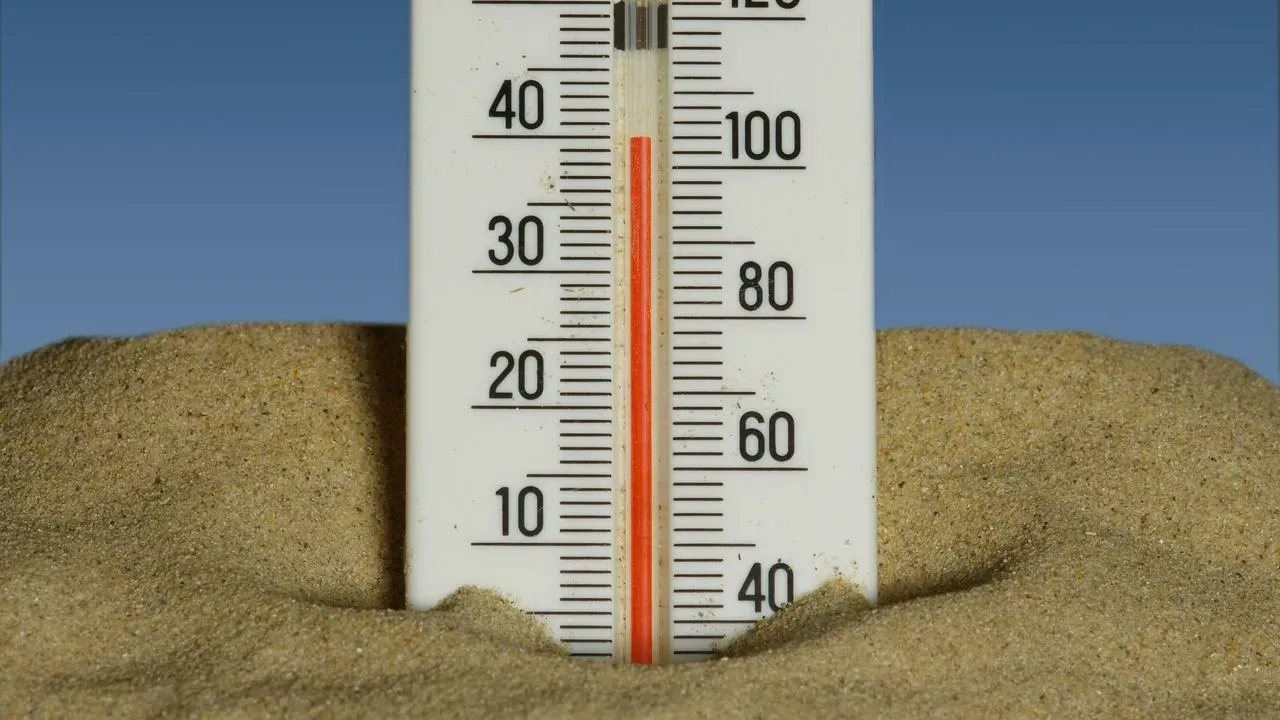

High pressure has settled over the southern United States, locking in above-normal temperatures and a prolonged stretch of triple-digit readings. Meteorologist Hannah Gard has noted the pattern will keep conditions hot for an extended period. Gardeners across the region now face the challenge of shielding plants, lawns, and soil from sustained stress before lasting damage occurs.
The Weather Pattern Driving the Heat
A strong high-pressure system has taken hold across the South, suppressing cloud cover and rainfall while pushing daytime highs well into triple digits. This setup tends to stall, creating a dome-like effect that traps heat near the surface for multiple days in a row. Forecasters expect the pattern to persist, leaving little relief in the near term.
The result is not a brief spike but a drawn-out period of extreme conditions. Soil moisture evaporates quickly under such pressure, and plants lose water faster than their roots can replenish it. Lawns that appeared healthy just days ago can turn brown and brittle within a week.
Direct Risks to Plants, Lawns, and Containers
Prolonged triple-digit heat scorches leaves and flowers, especially on shallow-rooted annuals and container specimens. Without adequate shade or extra water, foliage wilts by midday and fails to recover overnight. Lawns suffer too, as grass blades dry out and expose bare patches that invite weeds.
Container plants face the greatest immediate threat because their limited soil volume heats and dries rapidly. Even established shrubs can show signs of stress through leaf drop or scorched margins. The longer the dome remains in place, the higher the chance that some plants will not rebound without intervention.
Practical Steps to Limit Damage
Water deeply in the early morning or evening to reduce evaporation and give roots time to absorb moisture before the next day’s peak heat. Focus on the base of plants rather than overhead sprinkling, which can promote fungal issues in humid conditions. Mulch around beds and containers helps retain what water is already in the ground.
Move portable pots and hanging baskets into shaded spots during the hottest hours. Temporary shade cloth or old sheets can protect vulnerable rows in vegetable gardens. Avoid fertilizing or heavy pruning while temperatures remain extreme, as stressed plants recover more slowly from additional disturbance.
- Check soil moisture daily by probing a few inches down.
- Group containers together to create a microclimate with slightly higher humidity.
- Hold off on new plantings until the heat eases.
- Monitor for pests that thrive when plants are weakened.
Looking Ahead After the Heat Passes
Once the high-pressure system shifts and temperatures moderate, assess which plants survived and which need replacement. Replenish mulch layers and resume a normal watering schedule gradually to avoid shocking recovering roots. Lawns may require aeration or overseeding in thin areas once cooler weather returns.
Gardeners who act early can often preserve most of their plantings through the current stretch. The key is consistent attention rather than dramatic last-minute efforts once wilting becomes widespread. With the dome expected to linger, steady care now offers the best chance of keeping yards intact.
AI Disclaimer: This article was created with the assistance of AI tools and reviewed by a human editor.