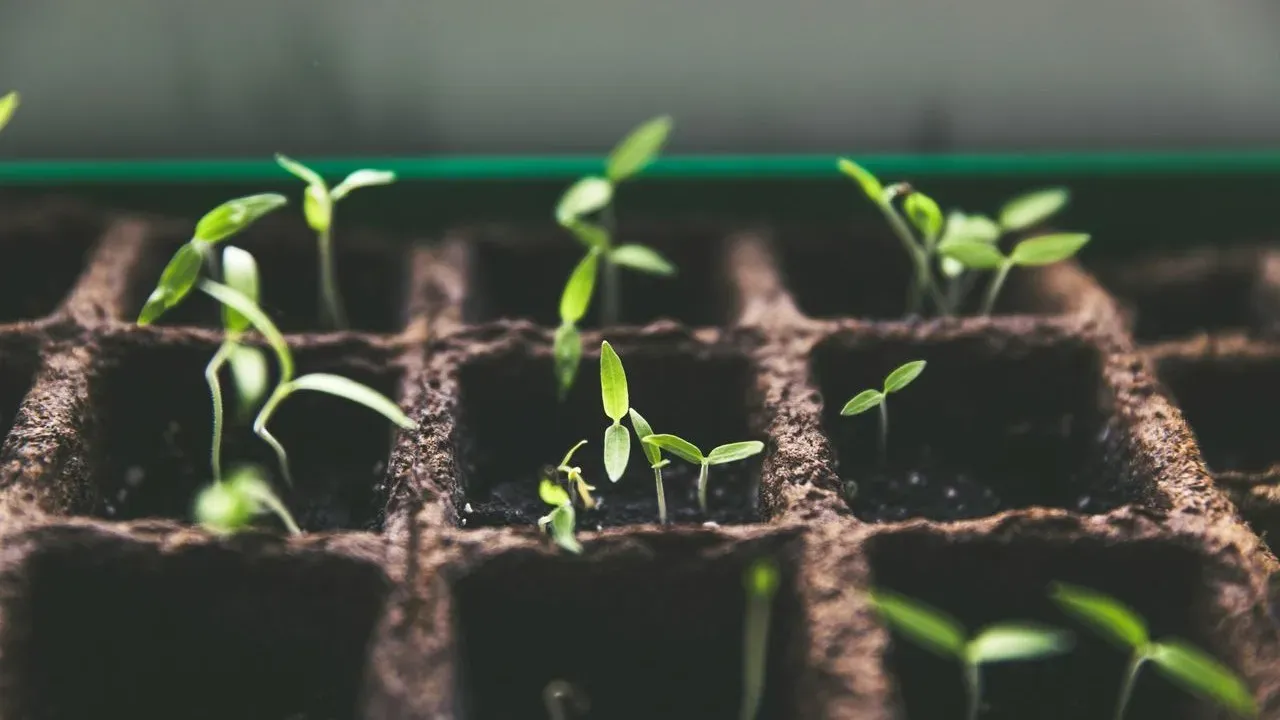

In the low desert, healthy tomato transplants placed outside on an August morning can collapse by evening under intense sun and temperatures above 105 degrees. The process of hardening off seedlings changes sharply when the goal shifts from tolerating cooler nights to surviving rapid moisture loss and scorching heat. Gardeners who follow spring guidelines often lose plants because the margin for error shrinks dramatically in summer conditions.
Why Summer Hardening Off Differs From Spring
Hardening off gradually exposes indoor seedlings to outdoor air, light, and temperature swings so their tissues strengthen and leaf cuticles thicken. In spring the main risks are cold, wind, and frost, which allows a slower pace over seven to ten days. Summer instead brings extreme heat, intense sunlight, and fast drying of small root balls, so the same biological preparation must happen faster.
Once seedlings tolerate outdoor heat, they usually perform better planted in garden soil than left sitting in small pots. Soil buffers temperature swings and holds moisture longer than containers exposed to August conditions. The aim remains acclimation without unnecessary delay.
Pot Size Determines Survival Odds
Four-inch pots offer the largest moisture buffer and prove most forgiving during heat waves. Two-inch pots succeed for many transplants when monitored closely. Plugs, with minimal soil around the roots, dry from moist to bone dry within hours on a hot afternoon and require constant attention or pre-potting into larger containers.
During the October 2024 Phoenix heat wave that reached 113 degrees, larger transplants survived while plugs dried out and died. Observation of which sizes handle specific conditions helps refine choices in future seasons.
Three to Five Days Instead of a Week
Most indoor-started seedlings need only three to five days of gradual exposure in summer. Day one focuses on shade and consistent moisture to test heat tolerance. Day two adds filtered or early morning sun while watching for stress. By day three a sturdy transplant may be ready for evening planting if it shows no wilting or scorching.
Days four and five provide extra time with increasing morning light when needed. Overcast stretches allow slightly faster progress, while brutal forecasts call for waiting or potting up instead of forcing the schedule. The goal never includes full-day August sun exposure before planting.
Planting and Early Care in Extreme Heat
Evening planting lets new transplants settle overnight before facing sun again. Afternoon shade for the first one to two weeks, thick mulch to moderate soil temperature, and frequent moisture checks remain essential even after hardening off. Monsoon humidity and cloud cover can ease water stress compared with clear, dry heat.
Cool-season crops such as broccoli or lettuce follow similar steps but benefit from waiting until nights cool in late September or early October. Nursery transplants often skip most hardening steps yet still require afternoon protection if they spent time under shade structures.
Key Adjustments for Success
East-facing spots or areas under tree canopies provide natural morning sun and afternoon shade without constant moving. Shade cloth works when no natural protection exists. Watering occurs when soil feels dry, sometimes twice daily for small pots, while excess water must drain to avoid root rot in heat.
Wilting or scorched leaves signal the need to reduce exposure immediately. If plants outgrow pots during a heat wave, moving them into larger containers preserves options better than planting into extreme conditions. Recording which spots and sizes performed well builds practical knowledge over time.
AI Disclaimer: This article was created with the assistance of AI tools and reviewed by a human editor.