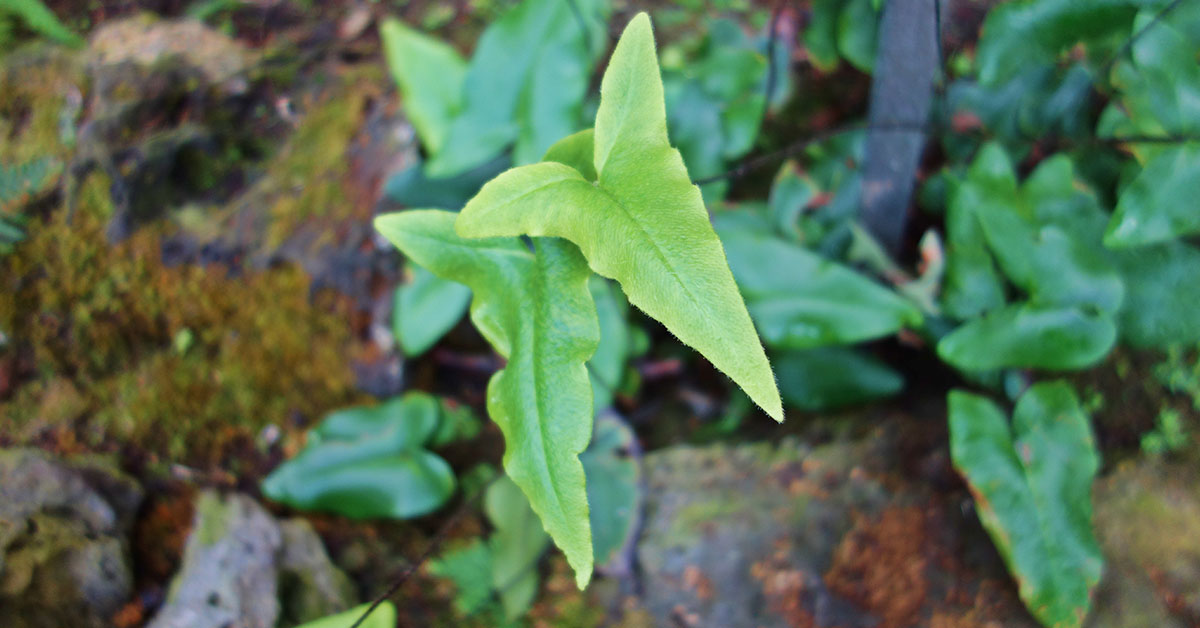

The heart fern, scientifically known as Hemionitis arifolia, are charming plants that add a touch of elegance and grace to any indoor garden. With their distinctive heart-shaped fronds and delicate texture, these ferns are a popular choice for plant enthusiasts seeking to create a serene and tranquil atmosphere. In this article, we will delve into the world of heart ferns, exploring their origins, ideal growing conditions, propagation methods, and essential tips for ensuring their successful growth.
What is a Heart Fern?
Heart ferns belong to the family Hemionitis and encompass several species within the Hymenophyllum genus. These ferns are characterized by their small size, intricate frond structure, and heart-shaped leaflets. Heart ferns are epiphytic or lithophytic in nature, meaning they often grow on rocks or trees, taking advantage of the moisture and shade provided by their surroundings.
Where do Heart Ferns Grow?
Heart ferns are native to various regions around the world, including tropical and subtropical climates. They are typically found in moist, shaded areas, such as rainforests, where they thrive in the cool, damp conditions. In their natural habitats, heart ferns grow on trees, rocks, and other surfaces that provide them with the necessary support and moisture retention.
How to Grow Heart Ferns
To successfully grow heart ferns, it’s important to recreate their preferred environment within your home. Here are some essential tips to get started:
Lighting: Heart ferns prefer bright, indirect light. Place them near a window with filtered sunlight or in an area with bright, indirect light. Avoid exposing them to direct sunlight, as it can scorch their delicate fronds.
Temperature: Heart ferns thrive in moderate temperatures ranging from 60°F to 75°F (15°C to 24°C). Protect them from drafts and extreme temperature fluctuations, as they prefer a stable environment.
Humidity: Heart ferns require high humidity levels to thrive. Consider using a humidifier, placing a tray of water near the plant, or misting the fronds regularly to increase humidity. Grouping plants together can also create a microclimate with higher humidity.
Watering: Keep the soil consistently moist but not waterlogged. Aim to provide regular watering, allowing the top inch of soil to dry out slightly between waterings. Adjust the frequency depending on the environmental conditions and the moisture retention of your potting mix.
Potting Mix: Use a well-draining potting mix that retains moisture while providing good aeration. A mix containing peat moss, perlite, and orchid bark works well for heart ferns.
Fertilization: Feed your heart ferns with a diluted, balanced liquid fertilizer every two to four weeks during the growing season (spring and summer). Follow the instructions on the fertilizer package for proper dosage.
How to Propagate Heart Ferns
Heart ferns can be propagated through spores or division. Here’s how:
Spore Propagation: Collect mature fronds with sporangia (spore-producing structures) and place them in a plastic bag to capture the spores. Sprinkle the spores on a tray or pot containing a sterile, moistened growing medium. Cover the tray or pot with plastic to create a mini greenhouse and maintain high humidity. Place it in a warm and brightly lit area without direct sunlight. Once the spores germinate and grow into small ferns, carefully transplant them into individual pots.
Division: Gently remove the heart fern from its pot and inspect the root system. Look for natural divisions or clusters of rhizomes. Using a clean, sharp knife or shears, carefully divide the plant into smaller sections, ensuring each section has roots and fronds attached. Plant the divisions in separate pots, following the same care instructions as for mature heart ferns.
Additional growing tips
To ensure the optimal growth and health of your heart ferns, consider the following additional tips:
Regularly remove any yellowing or damaged fronds to maintain a tidy appearance and encourage new growth. Avoid placing heart ferns near heating or cooling vents, as they can experience temperature extremes and dry air, leading to stress and decline.
Maintain good air circulation around the plants to prevent the development of fungal diseases. Monitor your heart ferns for pests such as spider mites or aphids. If necessary, treat them with appropriate insecticidal soap or horticultural oil.
Consider placing heart ferns in terrariums or enclosed glass containers to create a controlled environment with high humidity and stability.
Heart ferns bring a touch of elegance and tranquility to indoor gardens with their delicate, heart-shaped fronds. By providing the right conditions of light, humidity, and temperature, along with proper watering and care, you can enjoy the beauty of these unique ferns in your home. With patience and attention to detail, you’ll be rewarded with a thriving heart fern that enhances your living space with its lush greenery.