

As the crisp air of October settles in and the vibrant hues of autumn leaves begin to adorn your garden, it’s the perfect time to cultivate a healing sanctuary right outside your doorstep. Healing gardens are thoughtfully designed outdoor spaces that promote physical, emotional, and mental well-being through the harmonious blend of plants, natural elements, and serene layouts. Whether you’re seeking a peaceful retreat to unwind after a long day or a vibrant space to engage your senses, creating a therapeutic garden this October can transform your outdoor area into a haven of tranquility and rejuvenation.
Designing a healing garden involves more than just selecting beautiful plants—it’s about creating an environment that fosters relaxation, mindfulness, and a deep connection with nature. From incorporating soothing water features to choosing fragrant, native plants that attract beneficial wildlife, every element plays a crucial role in enhancing the garden’s therapeutic benefits. In this guide, I’m excited to share my favorite tips and plant selections that will help you craft a healing garden tailored to your needs and the unique charm of October. Let’s embark on this green journey and turn your garden into a sanctuary of peace and wellness!
Lavender: The Calming Aromatherapy Plant
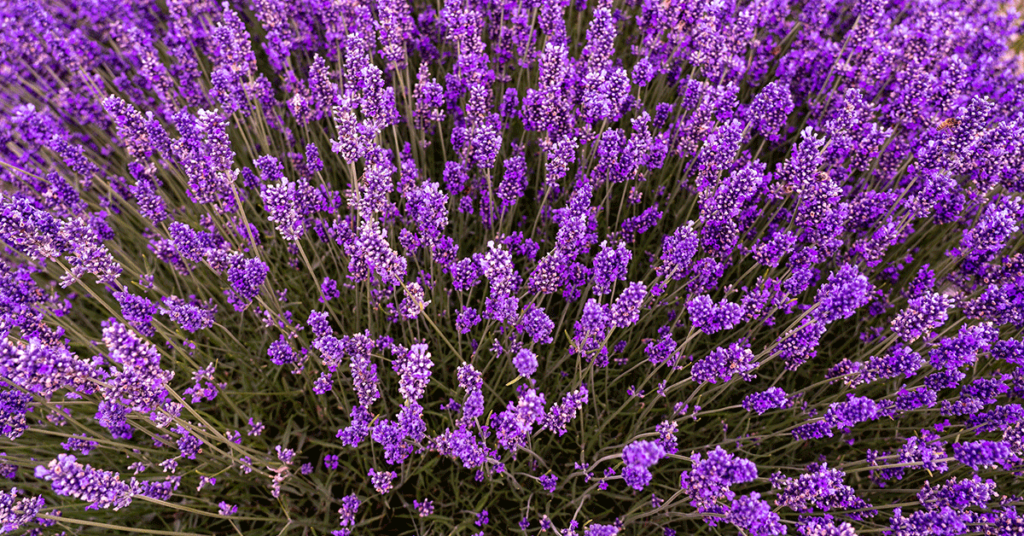
Lavender (Lavandula angustifolia) is one of my absolute favorite plants for a healing garden! Native to the Mediterranean region, lavender is renowned for its soothing fragrance and vibrant purple blooms that add a touch of elegance to any garden space. Not only does lavender provide a beautiful visual appeal, but its calming scent is also known to reduce stress and anxiety, making it a perfect addition to a therapeutic outdoor area. Lavender thrives in well-drained soil and plenty of sunlight, which makes October an ideal time to plant it before the cooler months set in.
While lavender is not considered invasive, it’s important to ensure it has enough space to grow and spread naturally. Pruning lavender regularly encourages bushier growth and prevents it from becoming too woody. Additionally, lavender attracts beneficial insects like bees and butterflies, enhancing the biodiversity of your healing garden. Incorporating lavender into your October garden plan not only boosts the aesthetic and aromatic qualities but also contributes to a serene and peaceful environment that promotes relaxation and well-being!
Japanese Maple: A Symbol of Tranquility and Beauty

Japanese Maple (Acer palmatum) is a stunning choice for any healing garden, especially in October when its leaves transform into brilliant shades of red, orange, and yellow. Native to Japan, these trees are celebrated for their delicate, intricate leaf patterns and graceful branching, which add a sense of tranquility and elegance to your outdoor space. Japanese Maple thrives in partial shade and well-drained soil, making it a versatile addition to various garden settings. Planting it in October allows the tree to establish its roots before the winter chill, ensuring vibrant foliage in the spring.
One of the reasons I love Japanese Maple is its ability to create a focal point in the garden, drawing attention and providing a sense of calm with its beautiful silhouette. While not invasive, it’s important to choose a variety that suits your garden size and space to prevent overcrowding. Japanese Maple also attracts birds and other wildlife, adding life and movement to your healing garden. Its seasonal beauty and serene presence make it an indispensable element for creating a peaceful and aesthetically pleasing therapeutic outdoor space!
Water Features: Enhancing Serenity with Flowing Water

Incorporating a water feature, such as a small fountain or a gently flowing stream, can significantly enhance the therapeutic qualities of your healing garden. The soothing sound of flowing water is incredibly calming and can mask unwanted noises, creating a peaceful ambiance perfect for meditation and relaxation. In October, setting up a water feature allows you to enjoy the gentle sounds of water as the garden transitions into the quieter winter months. Additionally, water features attract a variety of wildlife, including birds and beneficial insects, adding to the garden’s vibrant ecosystem.
When selecting a water feature, consider one that complements the overall design and scale of your garden. Solar-powered fountains are a great eco-friendly option that require minimal maintenance, while a small pond can serve as a habitat for frogs, dragonflies, and other beneficial creatures. Ensuring proper drainage and preventing stagnation is key to maintaining a healthy water feature, especially as temperatures drop. By thoughtfully integrating a water element into your October garden, you create a dynamic and serene environment that enhances both the aesthetic and therapeutic value of your healing space!
Native Wildflowers: Attracting Pollinators and Boosting Biodiversity
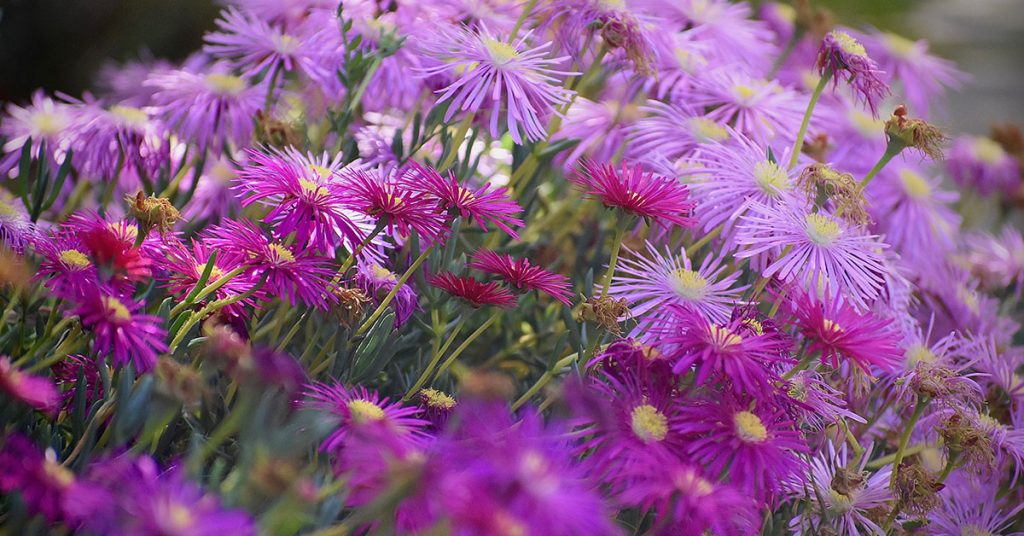
Planting native wildflowers is a wonderful way to boost the biodiversity of your healing garden while providing essential resources for pollinators like bees, butterflies, and hummingbirds. Native wildflowers are adapted to your local climate and soil conditions, making them low-maintenance and highly resilient. In October, choose species that continue to bloom into the cooler months, ensuring that your garden remains vibrant and alive. Examples include goldenrod (Solidago spp.) and asters (Symphyotrichum spp.), both native to North America and known for their bright, cheerful blooms.
Native wildflowers not only enhance the visual appeal of your healing garden with their diverse colors and shapes but also play a crucial role in supporting the local ecosystem. They provide nectar and pollen for pollinators, which are vital for the health of your garden and surrounding areas. Additionally, wildflowers attract beneficial insects that help control pests naturally, reducing the need for chemical interventions. By incorporating native wildflowers into your October garden, you create a lively and sustainable environment that promotes both beauty and ecological balance, fostering a truly therapeutic outdoor space!
Aromatic Herbs: Infusing the Garden with Soothing Scents
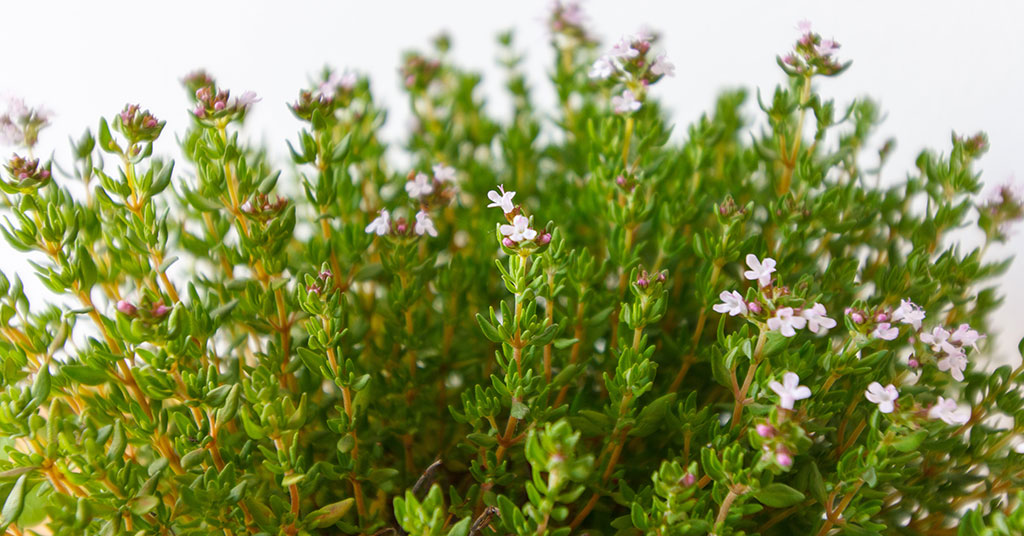
Aromatic herbs are a delightful addition to any healing garden, offering not only visual appeal but also a range of soothing scents that enhance the therapeutic atmosphere. Herbs like rosemary (Rosmarinus officinalis), thyme (Thymus vulgaris), and chamomile (Matricaria chamomilla) are excellent choices for October planting. Native to the Mediterranean region, these herbs thrive in well-drained soil and plenty of sunlight, making them perfect for the autumn season. Their fragrant leaves and flowers can be used in teas, potions, and as natural remedies, adding a practical dimension to their beauty.
In addition to their aromatic qualities, these herbs attract beneficial insects such as bees and ladybugs, which help pollinate your garden and control pests naturally. Rosemary, for example, is not only fragrant but also acts as a natural deterrent for certain garden pests, keeping your healing garden healthy and vibrant. Regular harvesting of aromatic herbs encourages new growth and keeps the plants thriving. Incorporating aromatic herbs into your October garden enhances both the sensory experience and the overall therapeutic benefits, creating a multi-sensory healing environment that delights the mind and body!
Comfortable Seating Areas: Creating Spaces for Relaxation and Reflection

A healing garden is not complete without comfortable seating areas where you can sit, relax, and immerse yourself in the beauty of nature. Incorporating elements like benches, hammocks, or cushioned chairs into your garden design provides dedicated spaces for meditation, reading, or simply enjoying the serene surroundings. In October, as the weather begins to cool, having sheltered seating areas can offer warmth and comfort, allowing you to enjoy your healing garden even during the brisk autumn days. Choose seating that complements the garden’s aesthetic, such as rustic wooden benches or sleek, modern loungers, to enhance the overall style and functionality.
Creating inviting seating areas also involves thoughtful placement to maximize the garden’s therapeutic benefits. Positioning benches near focal points like water features or vibrant plant beds allows you to fully appreciate the garden’s beauty while enjoying a moment of peace. Adding elements like soft cushions, throw blankets, and shade structures can enhance comfort and usability, making your healing garden a welcoming retreat. By incorporating comfortable and aesthetically pleasing seating areas, you create dedicated spaces for relaxation and reflection, turning your October garden into a true sanctuary for mind and soul!
Scented Pathways: Engaging the Senses with Fragrant Blooms
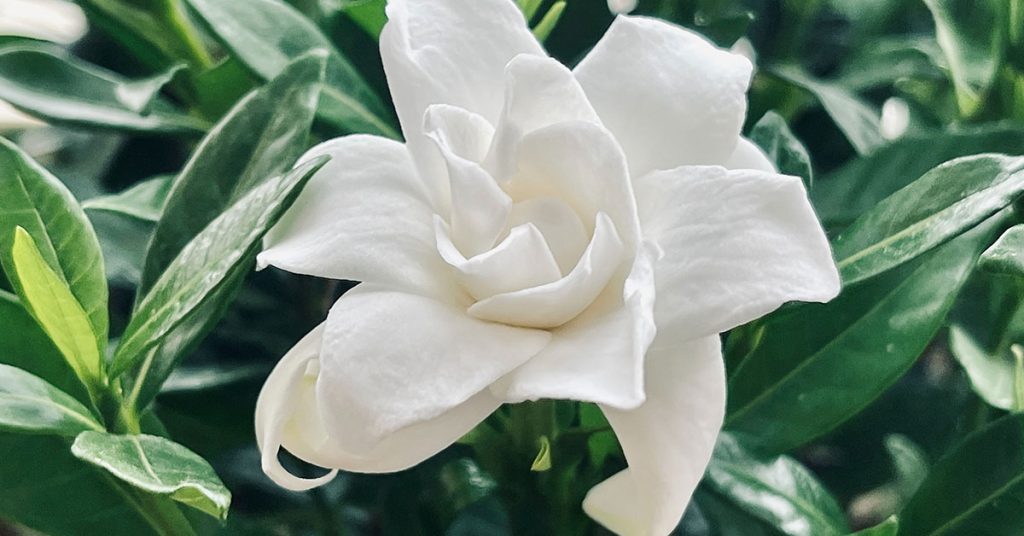
Designing scented pathways is a creative way to engage your senses and enhance the therapeutic experience of your healing garden. By strategically planting fragrant flowers and herbs along walkways, you create an immersive environment that delights the senses and promotes relaxation. In October, choose plants that emit soothing scents even as other flowers begin to fade. Examples include gardenias (Gardenia jasminoides), which are native to Asia and known for their rich, sweet fragrance, and jasmine (Jasminum officinale), native to the Middle East, which offers a delicate and uplifting aroma.
Scented pathways not only provide a sensory delight but also guide visitors through different sections of the garden, creating a cohesive and enchanting experience. Incorporating a variety of fragrant plants ensures that your garden remains aromatic throughout the day, with different scents emerging at various times. Additionally, scented pathways can attract beneficial insects like moths and butterflies, which are drawn to the alluring fragrances and contribute to the garden’s biodiversity. By designing scented pathways in your October healing garden, you create a multi-sensory journey that enhances both the beauty and therapeutic value of your outdoor sanctuary!
Water-Wise Plants: Ensuring Sustainability and Ease of Maintenance

Incorporating water-wise plants into your healing garden is essential for creating a sustainable and low-maintenance outdoor space, especially as the seasons change in October. Water-wise plants are adapted to conserve moisture and thrive with minimal irrigation, making them perfect for maintaining a healthy garden without excessive water use. Native plants are often the best choice for water-wise gardening, as they are naturally adapted to your local climate and soil conditions. Examples include sedum (Sedum spp.), native to various regions, and yarrow (Achillea millefolium), native to temperate regions of the Northern Hemisphere.
Choosing water-wise plants not only conserves water but also reduces the need for frequent maintenance, allowing you to focus on enjoying your healing garden rather than constantly tending to it. These plants are typically hardy and resilient, requiring less care and being more resistant to pests and diseases. Additionally, water-wise plants often have deep root systems that improve soil structure and enhance moisture retention, contributing to the overall health and sustainability of your garden. By selecting water-wise, native plants for your October healing garden, you create a beautiful and sustainable sanctuary that thrives with ease and supports the well-being of both you and the environment!
Incorporating Natural Elements: Enhancing the Therapeutic Atmosphere

Incorporating natural elements such as rocks, stones, and logs into your healing garden can significantly enhance its therapeutic atmosphere and visual appeal. These elements add texture and structure, creating a sense of balance and harmony that is essential for a calming outdoor space. In October, the addition of natural elements can complement the changing colors of the season, providing a sturdy and grounding presence amidst the vibrant foliage. Native rocks and stones are ideal choices, as they blend seamlessly with the surrounding environment and require minimal maintenance.
Natural elements also offer practical benefits, such as providing habitats for beneficial insects and small wildlife, which contribute to the garden’s biodiversity. Logs and stones can serve as natural seating or platforms for meditation and reflection, creating a deeper connection with nature. Additionally, incorporating features like stone pathways or rock borders can guide visitors through the garden, highlighting key areas and enhancing the overall flow and design. By thoughtfully integrating natural elements into your October healing garden, you create a serene and balanced environment that supports both relaxation and a harmonious connection with the natural world!
Lighting for Ambiance: Creating a Soothing Evening Environment

Proper lighting is essential for creating a soothing and inviting atmosphere in your healing garden, especially as the days grow shorter in October. Soft, ambient lighting can transform your garden into a magical retreat, allowing you to enjoy its beauty and tranquility even after sunset. Incorporate elements like solar-powered lanterns, string lights, or strategically placed spotlights to highlight key features such as water elements, seating areas, and fragrant plants. The gentle glow of lighting not only enhances the garden’s aesthetic appeal but also promotes a sense of calm and relaxation during the evening hours.
Choosing the right type of lighting is important to maintain the therapeutic ambiance of your garden. Opt for warm-colored lights that create a cozy and inviting atmosphere without being too harsh or overpowering. Additionally, using dimmable lights or adjustable fixtures allows you to customize the brightness and focus based on your needs and preferences. Pathway lights can ensure safe navigation through the garden while adding a touch of elegance, while lanterns and fairy lights can create enchanting focal points that draw attention to specific areas. By thoughtfully incorporating lighting into your October healing garden, you create a serene and beautiful environment that can be enjoyed day and night, enhancing both its therapeutic and aesthetic qualities!
Therapeutic Plant Arrangements: Designing for Mindfulness and Relaxation
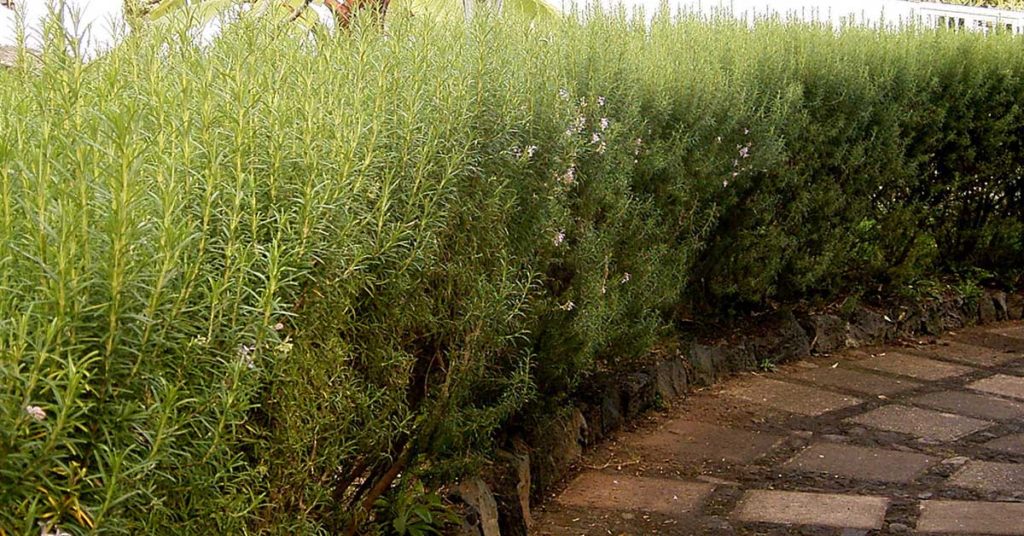
Creating therapeutic plant arrangements is a key aspect of designing a healing garden that fosters mindfulness and relaxation. Thoughtfully arranging plants in clusters or patterns can create a sense of order and harmony, encouraging a meditative and peaceful state of mind. In October, focus on incorporating plants with varying textures, colors, and scents to engage multiple senses and promote a deeper connection with nature. For example, grouping together plants like lavender, rosemary, and chamomile creates a fragrant and visually appealing arrangement that stimulates both sight and smell.
Designing plant arrangements with intention can also enhance the therapeutic benefits of your garden. Consider using circular or spiral patterns that draw the eye inward, promoting a sense of flow and continuity. Incorporating seating areas within these arrangements allows you to fully immerse yourself in the calming environment, providing a dedicated space for reflection and relaxation. Additionally, using native plants ensures that your arrangements are sustainable and well-suited to your local climate, reducing maintenance and supporting local biodiversity. By creating therapeutic plant arrangements in your October healing garden, you cultivate an environment that nurtures both your well-being and the natural beauty of your outdoor space!
Embracing Seasonal Changes: Adapting Your Garden for October

Embracing the seasonal changes that come with October is essential for maintaining a vibrant and therapeutic healing garden throughout the year. As temperatures drop and daylight hours decrease, adapting your garden to these changes ensures that it continues to thrive and provide a sanctuary for relaxation and well-being. This involves selecting plants that can withstand cooler weather, incorporating seasonal elements like fallen leaves and bare branches, and adjusting maintenance routines to prepare for winter. By thoughtfully planning for the seasonal transition, you ensure that your healing garden remains a resilient and beautiful space even as the environment around it changes.
Adapting your garden for October also means incorporating elements that reflect the season’s beauty and tranquility. Planting late-blooming flowers, adding seasonal decorations like pumpkins or gourds, and utilizing warm-toned lighting can enhance the autumnal ambiance of your healing garden. Additionally, preparing the garden for winter by mulching, pruning, and protecting sensitive plants ensures that it remains healthy and ready to bloom again in the spring. By embracing and celebrating the seasonal changes, you create a dynamic and ever-evolving healing garden that continues to offer therapeutic benefits and aesthetic pleasure throughout October and beyond!
Creating Privacy and Seclusion: Designing a Personal Retreat

Creating privacy and seclusion is a fundamental aspect of designing a healing garden that serves as a personal retreat from the stresses of everyday life. Incorporate elements such as tall hedges, trellises, or bamboo screens to block unwanted views and create a sense of enclosure. In October, as the leaves change color and fall, these privacy barriers not only provide a secluded space but also add a layer of natural beauty and texture to your garden. Native shrubs like boxwood (Buxus spp.) or arborvitae (Thuja occidentalis) are excellent choices for creating green walls that offer both privacy and a habitat for local wildlife.
Designing for privacy also involves thoughtful placement of seating areas and focal points to ensure that you can fully immerse yourself in the tranquil environment. Position benches or meditation spots away from main pathways and noise sources, surrounded by fragrant and visually pleasing plants that create a peaceful sanctuary. Incorporating elements like pergolas or gazebos can provide additional layers of seclusion while offering shade and shelter from the elements. By creating private and secluded areas within your October healing garden, you establish a dedicated space for relaxation, mindfulness, and personal reflection, enhancing the overall therapeutic experience of your outdoor sanctuary!
Integrating Art and Decorative Elements: Enhancing the Healing Experience

Integrating art and decorative elements into your healing garden can significantly enhance the therapeutic experience by adding visual interest and personal touches that resonate with your sense of well-being. Sculptures, wind chimes, and garden art can serve as focal points that inspire creativity and reflection, while also adding a unique and personalized aesthetic to your garden. In October, incorporating seasonal art pieces like carved pumpkins or autumn-themed decorations can celebrate the beauty of the season and create a warm, inviting atmosphere.
Choosing art and decorations that harmonize with the natural elements of your garden ensures a cohesive and serene environment. Consider using pieces made from natural materials such as stone, wood, or metal, which blend seamlessly with the garden’s landscape and weather gracefully through the seasons. Additionally, interactive elements like wind chimes or kinetic sculptures add movement and sound, further engaging your senses and enhancing the calming ambiance of your healing garden. By thoughtfully integrating art and decorative elements into your October garden, you create a visually stimulating and emotionally enriching space that supports relaxation, creativity, and overall well-being!
Embracing Minimalism: Simplifying for Clarity and Peace
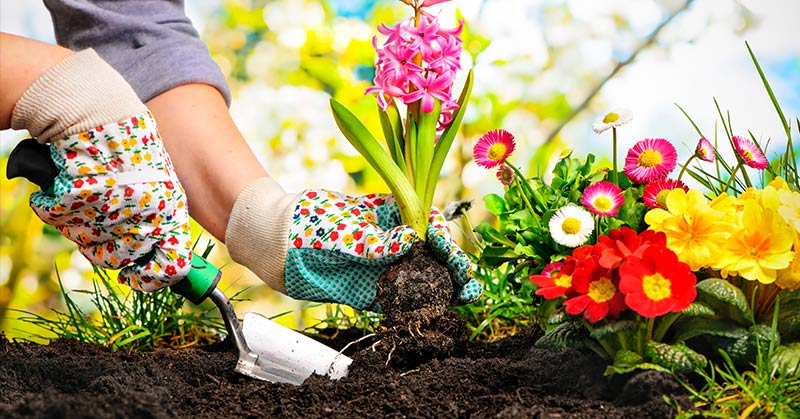
Embracing minimalism in your healing garden can create a sense of clarity and peace by focusing on essential elements and reducing visual clutter. In October, as the garden transitions into a quieter season, a minimalist approach can highlight the natural beauty of your plants and create a serene, uncluttered space that promotes relaxation and mindfulness. Choose a few key plants and features that hold personal significance or offer the most therapeutic benefits, allowing each element to shine without overwhelming the senses.
Minimalist garden design also emphasizes clean lines, open spaces, and simple arrangements, which can enhance the overall sense of calm and order in your healing garden. Incorporating elements like a single water feature, a lone bench, or a carefully selected arrangement of native plants can create a powerful and peaceful focal point that encourages introspection and tranquility. Additionally, using neutral colors and natural materials can further simplify the aesthetic, creating a harmonious and balanced environment that supports mental and emotional well-being. By embracing minimalism in your October healing garden, you cultivate a space that is both beautiful and profoundly peaceful, providing a perfect retreat for relaxation and rejuvenation!
Sustainable Practices: Promoting Eco-Friendly Healing Gardens

Incorporating sustainable practices into your healing garden not only benefits the environment but also enhances the therapeutic qualities of your outdoor space. Sustainable gardening involves using eco-friendly methods such as composting, rainwater harvesting, and choosing native, drought-resistant plants that require minimal resources. In October, as you prepare your garden for the colder months, implementing sustainable practices ensures that your healing garden remains healthy and resilient while reducing its ecological footprint. Composting garden waste enriches the soil with organic matter, improving plant health and fostering a thriving ecosystem.
Rainwater harvesting systems can be integrated into your garden design to collect and utilize natural rainfall, providing a sustainable water source for your plants and reducing dependency on municipal water supplies. Additionally, using organic fertilizers and natural pest control methods promotes a healthy and balanced garden environment without the harmful effects of chemicals. By embracing sustainable practices, you create a healing garden that supports both your well-being and the health of the planet, fostering a harmonious and eco-friendly sanctuary that thrives throughout October and beyond!