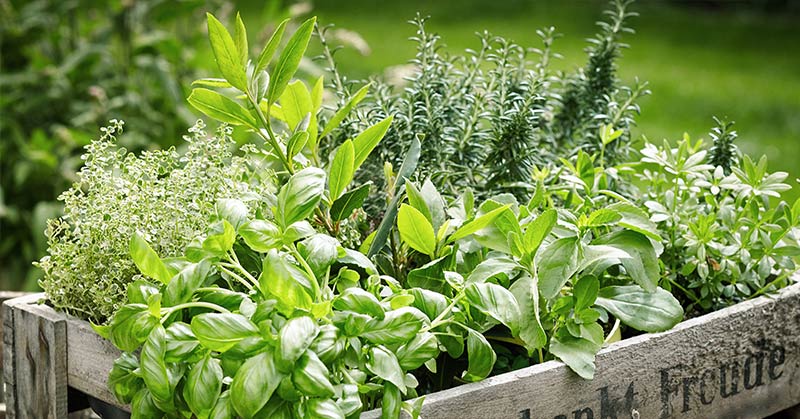

September is a magical time for the herb garden! The cooler days and gentle rains bring a second wind to many herbs, making it the perfect time to harvest and preserve them before the first frost hits. I can’t tell you how satisfying it is to gather fresh herbs, knowing that their flavors will brighten my meals all winter long. Whether you’re drying, freezing, or making flavorful oils and vinegars, preserving herbs is a fantastic way to savor the garden’s bounty well after the growing season has ended. I know how easy it is to let those herbs go a little wild in the garden, but don’t let them slip away—this is your chance to capture all that goodness!
Preserving herbs isn’t just about keeping your kitchen stocked with delicious flavors; it’s also a way to connect with the seasons and enjoy the fruits of your labor all year round. Plus, it’s a great way to avoid waste and make the most of what your garden has to offer. If you’ve ever felt overwhelmed by a sudden herb surplus or wondered what to do with that last batch of basil, you’re not alone. I’m here to share some of my favorite tips for harvesting and preserving herbs in September so you can enjoy them long after the garden has gone to sleep.
Basil: Preserve the Taste of Summer
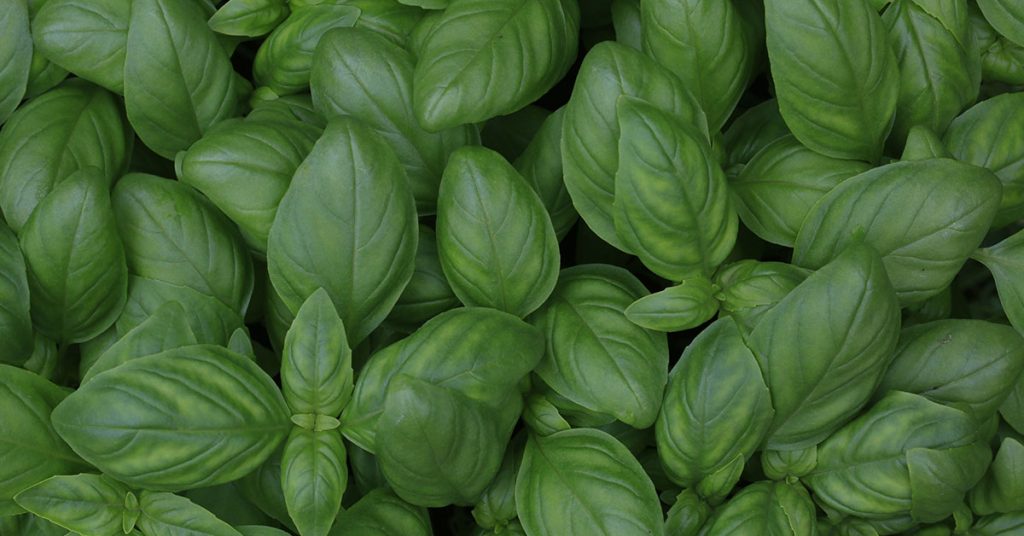
Basil, with its sweet, aromatic leaves, is a true summer staple, but it’s one of those herbs that doesn’t love the cold. Native to tropical regions in Central Africa and Southeast Asia, basil is an annual in most gardens and won’t survive the first frost. That’s why September is the perfect time to harvest as much as you can and preserve its vibrant flavor. I always find it bittersweet to say goodbye to fresh basil, but preserving it means I get to enjoy that summery taste all winter long!
The best way to preserve basil is by making pesto and freezing it in ice cube trays—just pop the frozen cubes into a bag, and you’ve got perfectly portioned pesto ready to add to pasta, soups, or spreads. Another great method is to chop the leaves and freeze them in olive oil, which helps retain their color and flavor. If you’re drying basil, keep in mind that it loses some of its potency, so freezing is often the way to go if you want that fresh-from-the-garden taste. Harvest your basil in the morning after the dew has dried, and be sure to snip just above a leaf node to encourage new growth. Trust me, you’ll be glad you took the time to preserve it!
Rosemary: A Hardy Herb That Lasts
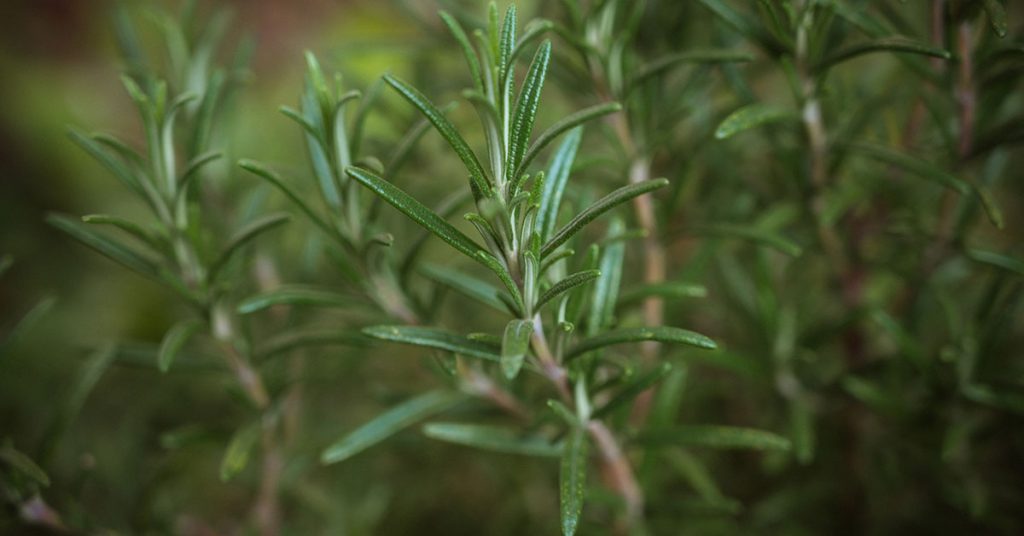
Rosemary is one of those wonderfully resilient herbs that can actually handle the cooler weather of September and even beyond. Native to the Mediterranean, rosemary is a woody perennial that can thrive in full sun and well-drained soil. While it’s not considered invasive, it can grow quite large over time, making it perfect for regular harvesting. I adore rosemary for its robust, pine-like flavor that pairs beautifully with roasted vegetables, meats, and even breads. Plus, it’s a garden stalwart that provides a splash of green when other plants have faded.
To preserve rosemary, drying is the most straightforward method. Simply snip off sprigs and hang them upside down in a cool, dark place until they’re completely dry. Once dry, strip the needles from the stems and store them in an airtight container. Rosemary also freezes well—just chop the leaves and freeze them in olive oil or butter for easy use in recipes. I love having rosemary on hand in the kitchen; it’s like a little reminder of the garden, and the scent when you crush a leaf is just heavenly. And if you have a rosemary bush that’s particularly lush, you can even make rosemary-infused olive oil or vinegar, which makes a fantastic homemade gift!
Thyme: A Garden Workhorse
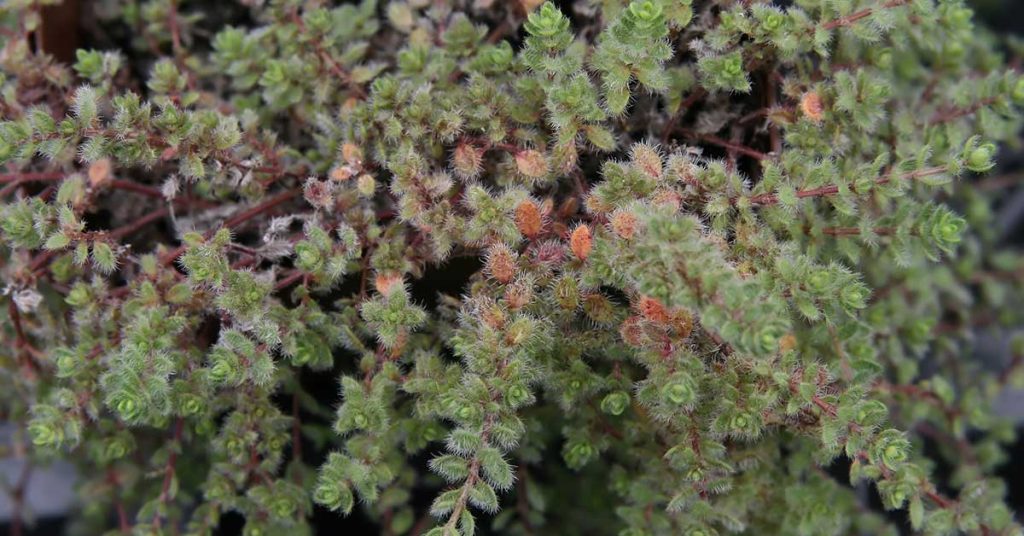
Thyme is another herb that keeps going strong well into fall, and it’s perfect for harvesting in September when its flavor is at its peak. Native to the Mediterranean, thyme is a low-growing, woody perennial that’s not only easy to grow but also incredibly versatile in the kitchen. Whether it’s tucked into a bouquet garni, sprinkled on roasted potatoes, or added to soups and stews, thyme’s earthy, slightly minty flavor is a staple in so many dishes. I always make sure to keep some fresh thyme handy, but I also like to preserve a good amount for those cold winter days when the garden is just a memory.
Drying is the best way to preserve thyme. Cut the sprigs just before the flowers open for the most potent flavor, and hang them upside down in small bunches. Once dry, strip the leaves and store them in a glass jar away from direct sunlight. Freezing thyme in butter or olive oil is another great option, allowing you to easily add its robust flavor to your cooking. What I love about thyme is how it retains its flavor beautifully even when dried, unlike some other herbs that lose their punch. Plus, it’s a magnet for beneficial insects like bees, so you’re not just preserving thyme—you’re also supporting your garden’s ecosystem.
Mint: A Cool Burst of Freshness
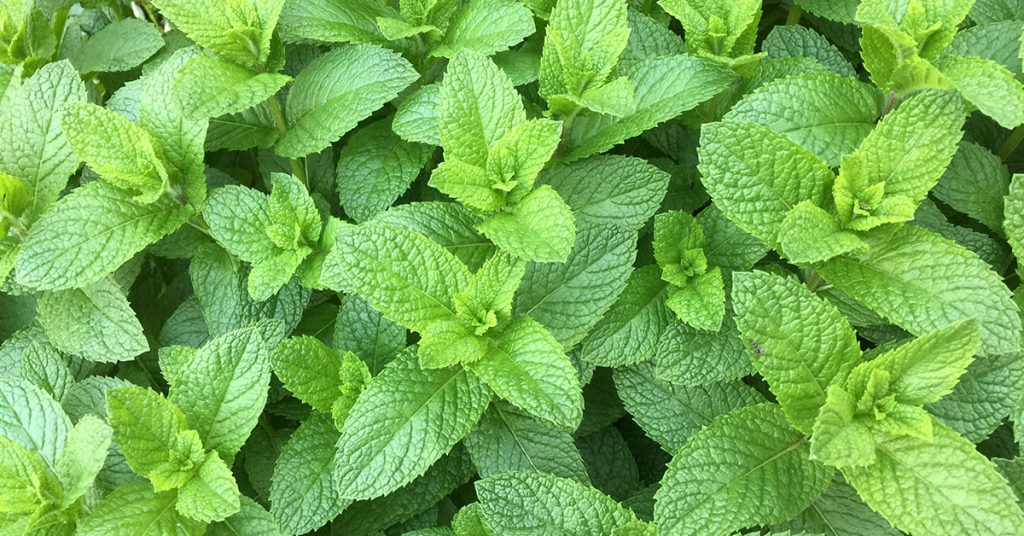
Mint is one of those herbs that can easily take over your garden if you’re not careful! Native to Europe and Asia, mint is known for its vigorous growth and refreshing scent. While it’s technically invasive, if managed properly, it can be a wonderful addition to your herb garden. I’ve always loved the versatility of mint, from adding it to teas and cocktails to using it in savory dishes and desserts. But come September, it’s time to tame that mint patch and start preserving those fragrant leaves before the frost arrives.
Drying mint is a simple and effective way to preserve it. Just cut the stems, tie them in small bundles, and hang them upside down in a dark, dry place. Once dry, crumble the leaves and store them in an airtight container. For a fresher option, freezing mint in water or ice cubes is perfect for drinks or sauces. You can also make mint syrup or even mint-infused oils and vinegars for a burst of flavor that will transport you back to summer. Mint’s ability to attract beneficial insects makes it a garden hero, but be sure to keep it contained so it doesn’t take over—trust me, it’s worth the extra effort!
Sage: The Autumn Herb
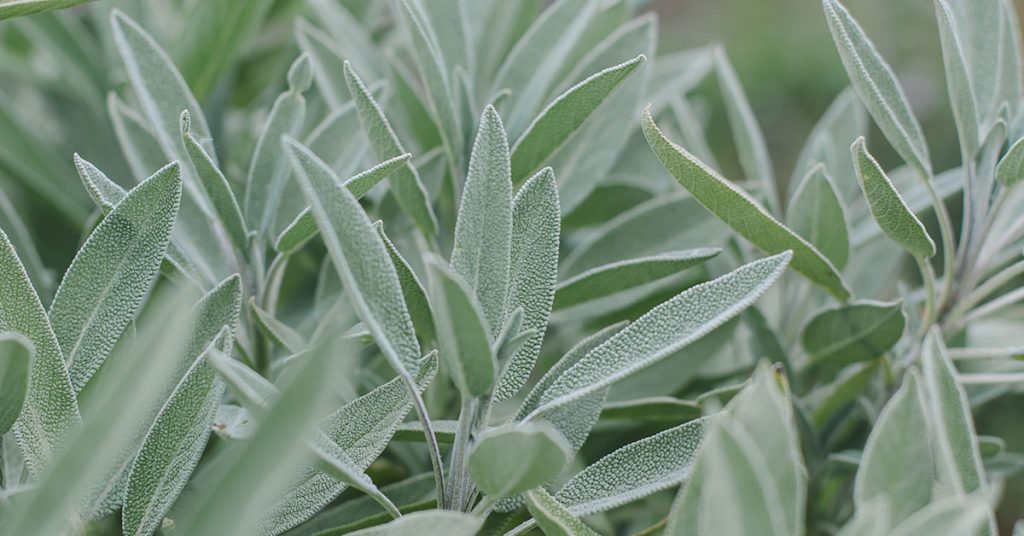
Sage is one of those herbs that seems to come into its own in the fall, with its earthy, slightly peppery flavor that pairs perfectly with roasted meats, root vegetables, and hearty fall dishes. Native to the Mediterranean, sage is a woody perennial that thrives in full sun and well-drained soil. It’s not invasive, but it does tend to grow into a sizable bush over time, making it perfect for regular harvesting. I love sage for its culinary uses, but it’s also a beautiful plant in the garden with its soft, silvery leaves that add texture and contrast to other herbs.
To preserve sage, drying is the most common method. Simply cut the sprigs and hang them upside down in a well-ventilated area. Once dry, store the leaves in an airtight container, and they’ll be ready to add to your cooking all winter long. You can also freeze sage leaves in olive oil or butter, which is perfect for adding to savory dishes on the fly. Another fun way to preserve sage is to make a sage-infused vinegar or salt, which can be used to flavor meats and vegetables. Sage’s robust flavor and versatility make it a must-have in any herb garden, and preserving it ensures you can enjoy its benefits long after the growing season has ended.
Oregano: A Mediterranean Marvel
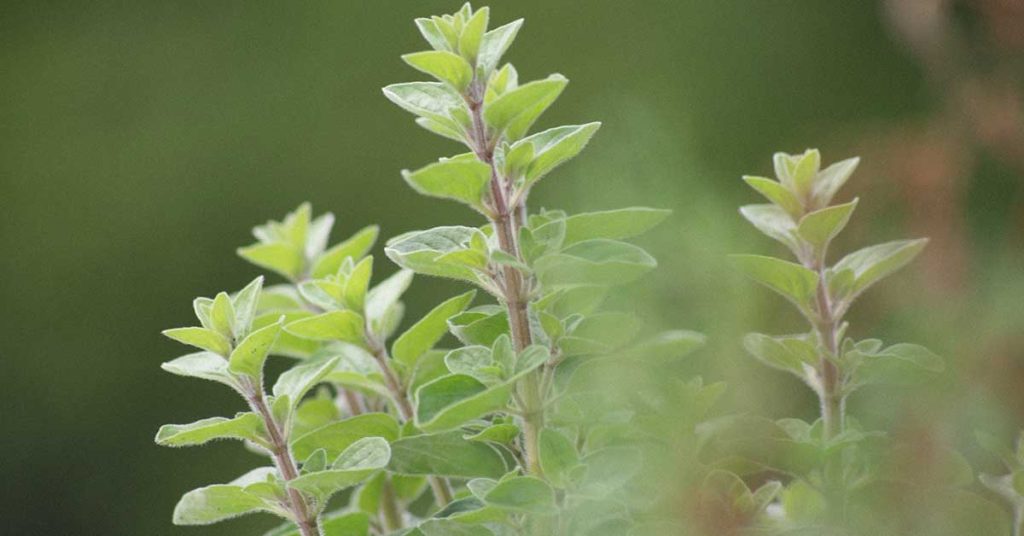
Oregano is a staple in Italian and Greek cooking, and its bold, peppery flavor is a must for any kitchen herb garden. Native to the Mediterranean region, oregano is a hardy perennial that loves full sun and well-drained soil. It’s not invasive, but it can spread nicely to fill in gaps, creating a lovely, aromatic ground cover that’s as practical as it is pretty. I’ve always had a soft spot for oregano—its strong flavor stands up to hearty dishes like pizza, pasta, and roasted meats, making it an essential herb to have on hand.
Drying is the best way to preserve oregano, as it actually intensifies the flavor. Harvest the stems when the leaves are at their peak, just before the flowers open, and hang them upside down in a cool, dry place. Once the leaves are completely dry, strip them from the stems and store them in an airtight container. I also like to make oregano-infused olive oil, which is perfect for drizzling over salads, pasta, or even as a dipping oil for bread. Oregano is a fantastic pollinator attractor, drawing bees and butterflies to your garden, which makes it not just a culinary delight but also a garden hero!
Harvesting and preserving herbs in September is a wonderful way to make the most of your garden’s bounty. By taking the time to gather and store these fragrant, flavorful plants, you’re not just saving a bit of summer for the colder months—you’re also keeping your connection to the garden alive all year round.