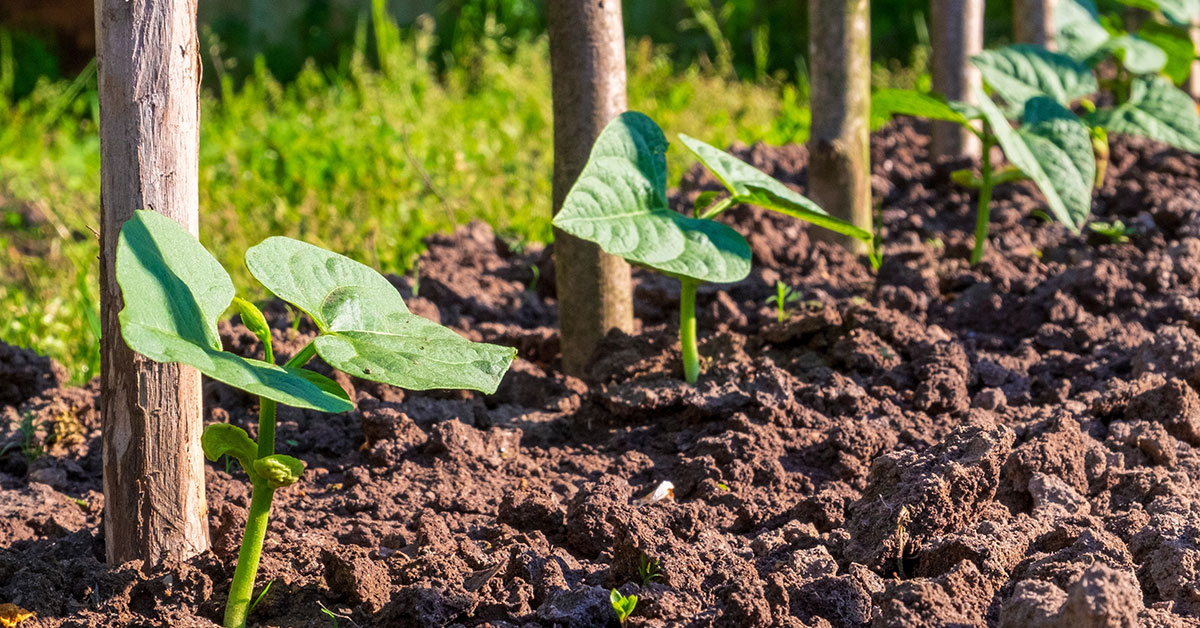

If you’re looking to add a versatile and nutrient-rich legume to your garden, look no further than the haricot bean. Also known as the navy bean or white bean, the haricot bean is a compact and easy-to-grow plant that produces an abundance of delicious and protein-packed beans.
Whether you’re a seasoned gardener or just starting out, growing haricot beans can be a rewarding experience that will not only enhance your culinary creations but also contribute to a sustainable and healthy lifestyle.
What is a Haricot Bean?
Haricot beans are believed to have originated in South America, particularly in Peru and Mexico. They were later introduced to Europe by Spanish explorers in the 16th century. Today, haricot beans are grown in many countries, including the United States, China, India, and Brazil. There are several varieties of haricot beans, with the most common being the small white beans, but they can also be found in red, black, and speckled varieties.
Haricot beans are an excellent source of protein, dietary fiber, and essential nutrients. They are low in fat and cholesterol, making them a healthy choice for those looking to maintain a balanced diet. These beans are also rich in vitamins such as folate, thiamin, and vitamin B6, as well as minerals like iron, magnesium, and potassium. Incorporating haricot beans into your meals can help support digestion, boost energy levels, and promote heart health.
Haricot beans are incredibly versatile and can be used in a variety of dishes. They are commonly used in soups, stews, and casseroles, as their creamy texture adds thickness and richness to these dishes. Haricot beans can also be mashed and used as a base for spreads or dips, such as hummus or bean dip. Additionally, they can be cooked and added to salads, and chili, or even used as a filling for tacos or burritos. The mild flavor of haricot beans allows them to easily absorb the flavors of spices and seasonings, making them a great addition to many recipes.
What does a Haricot Bean taste like?
Haricot beans, also known as navy beans or white beans, are a popular legume that features in a wide variety of dishes around the world. If you’ve never tried haricot beans before, you might be wondering what they taste like. In this section, we’ll explore the flavor profile of haricot beans and give you an idea of what to expect when you take a bite.
Haricot beans have a mild and delicate flavor that is often described as slightly nutty or buttery. They have a smooth and creamy texture, making them an excellent addition to soups, stews, and casseroles. When cooked, the beans become soft and tender, with a melt-in-your-mouth quality that adds richness to any dish.
One of the reasons why haricot beans are so popular is their neutral taste. This neutrality allows them to absorb the flavors of the ingredients they are cooked with, making them incredibly versatile in various recipes. Whether you’re making a hearty chili, a comforting bean salad, or a creamy dip, haricot beans can easily adapt and complement the other ingredients without overpowering them.
While haricot beans are generally mild and neutral, they do have subtle earthy undertones. These undertones give the beans a depth of flavor that adds complexity to dishes. They can enhance the taste of broths, sauces, and dressings, bringing a satisfying depth to the overall flavor profile.
Apart from their pleasant taste, haricot beans offer a host of nutritional benefits. They are an excellent source of plant-based protein, fiber, and essential minerals such as iron, magnesium, and folate. Incorporating haricot beans into your meals can help boost your nutrient intake while providing a satisfying and tasty addition to your diet.
How to start from seed
Starting them from seed is a simple and rewarding process that allows you to enjoy the satisfaction of growing your own food. In this section, we will guide you through the steps to start haricot beans from seed and provide you with helpful tips along the way.
- Choosing the Right Seeds:
To start haricot beans from seed, it is important to begin with high-quality seeds. Look for seeds that are specifically labeled for haricot beans or navy beans. You can find these seeds at your local garden center or order them online. It is recommended to select seeds from a reputable supplier to ensure their viability and quality. - Preparing the Soil:
Haricot beans thrive in well-drained soil with a pH level of around 6.0 to 7.5. Before planting, prepare the soil by removing any weeds or debris and loosening it with a garden fork or tiller. Incorporate organic matter, such as compost or well-rotted manure, to improve the soil’s fertility and drainage. Ensure that the soil is adequately moist but not waterlogged. - Planting the Seeds:
Haricot beans can be directly sown in the garden after the last frost date, as they are sensitive to cold temperatures. Create furrows in the soil about 1 inch deep and 2-3 inches apart. Place the seeds in the furrows, spacing them about 3-4 inches apart. Cover the seeds with soil and gently pat it down to ensure good seed-to-soil contact. - Watering and Care:
After planting, water the soil thoroughly but avoid overwatering, as excessive moisture can lead to rotting of the seeds. Keep the soil consistently moist but not waterlogged throughout the germination and growth period. It is important to avoid overhead watering, as it can increase the risk of fungal diseases. Consider using a soaker hose or drip irrigation system for more efficient watering. - Providing Support:
As haricot bean plants grow, they tend to develop long vines that require support. To prevent them from sprawling on the ground and to maximize space, provide a trellis, stakes, or a bean tower for the plants to climb. This will also make harvesting easier and reduce the risk of fungal diseases caused by contact with damp soil. - Protecting from Pests and Diseases:
Haricot beans can be vulnerable to pests such as aphids, bean beetles, and spider mites. Regularly inspect your plants for any signs of pests and take appropriate measures, such as using organic insecticides or introducing beneficial insects, to control their populations. Additionally, maintaining good air circulation around the plants and practicing proper watering techniques can help prevent fungal diseases like powdery mildew.
How to grow this plant in your garden
Haricot beans are a nutrient-dense and versatile legume that can be easily grown in your own garden. Whether you’re an experienced gardener or a beginner, growing haricot beans can be a rewarding and enjoyable experience.
- Selecting the Right Variety:
Before you start growing haricot beans, it’s essential to choose the right variety that suits your climate and growing conditions. There are several varieties of haricot beans available, such as ‘Bush Blue Lake’ or ‘Tendergreen.’ Consider factors like frost tolerance, disease resistance, and growth habit when selecting your seeds. - Preparing the Soil:
Haricot beans prefer well-drained soil with a pH level between 6.0 and 7.0. Begin by clearing the area where you plan to grow the beans, removing any weeds or debris. Loosen the soil with a garden fork or tiller, breaking up any clumps and ensuring proper aeration. Incorporate organic matter, such as compost or well-rotted manure, to improve soil fertility and drainage. - Planting the Seeds:
The optimal time to plant haricot beans depends on your climate. They thrive in warm soil, so wait until all chances of frost have passed before planting. Create rows or furrows spaced around 18-24 inches apart. Plant the seeds about 1-2 inches deep and 2-4 inches apart, placing them with the eye facing down. Cover the seeds with soil and gently firm the ground to ensure good seed-to-soil contact. - Watering and Care:
Haricot beans require consistent moisture, especially during the flowering and pod development stages. Water the plants deeply and regularly, ensuring the soil remains evenly moist but not waterlogged. Avoid overhead watering, as it can increase the risk of fungal diseases. Mulching around the plants can help retain moisture and suppress weed growth. - Supporting the Plants:
As haricot beans grow, they will need support to climb and keep the pods off the ground. Consider using trellises, stakes, or a bean tower to provide vertical support. Place the supports in the ground when the plants are around 6-8 inches tall, being careful not to damage the roots. As the vines grow, gently train them onto the supports, helping them climb and twine naturally. - Pest and Disease Management:
While haricot beans are generally resistant to pests and diseases, there are a few common issues to watch out for. Aphids, bean beetles, and spider mites can occasionally pose a threat. Regularly inspect your plants for any signs of infestation or disease and take appropriate measures, such as using organic insecticides or practicing companion planting. Proper spacing, good airflow, and crop rotation can also help prevent disease outbreaks. - Harvesting:
Haricot beans are typically ready for harvest around 80-90 days after planting, depending on the variety. The pods should be firm, crisp, and fully matured but still green in color. Avoid waiting too long, as overripe pods can become tough and mealy. Harvest the beans by gently pulling or snapping them off the vine. Be careful not to damage the plant or nearby pods in the process.
Growing your own haricot beans can be a delightful experience, providing you with a bountiful harvest of nutritious legumes. By following these simple steps and providing the proper care, you can enjoy the satisfaction of growing your own food and reaping the rewards of your hard work.