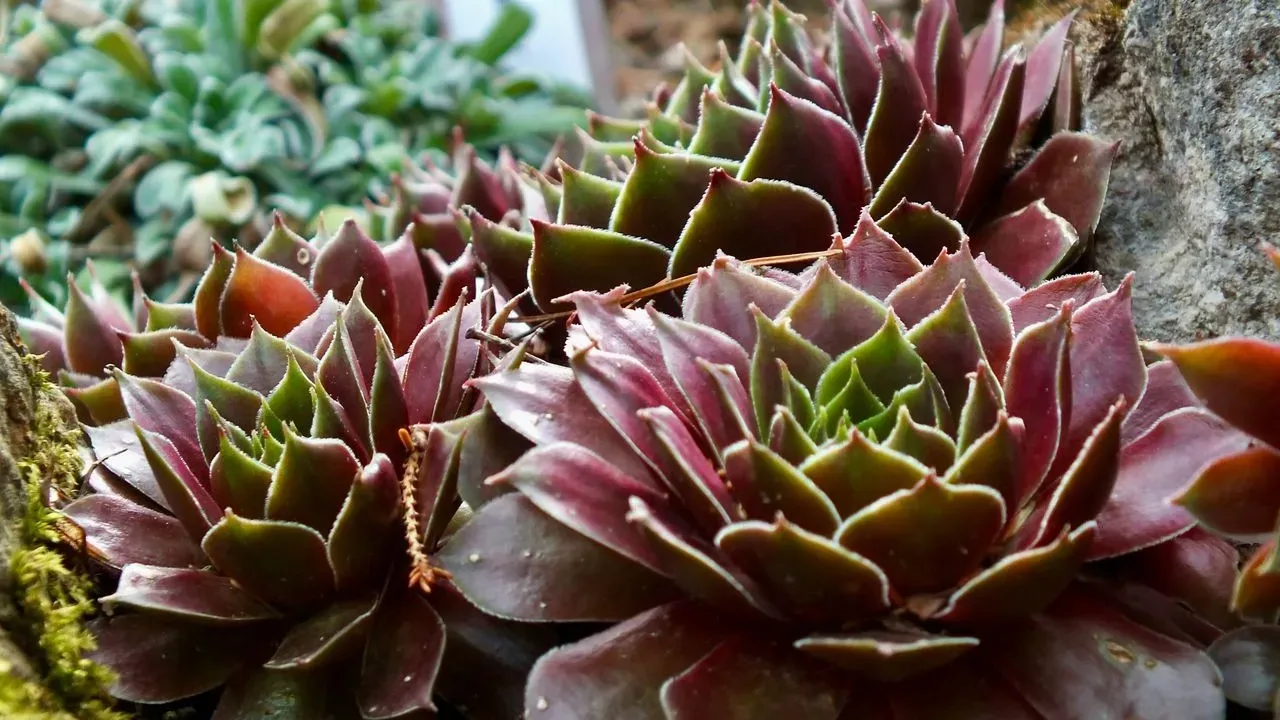

Mid-Atlantic gardeners often contend with stretches of limited rainfall that test even established plantings. Tough perennials that stand up to dry conditions reduce the need for frequent irrigation while maintaining visual interest across seasons. The result is lower maintenance and more reliable performance in home landscapes throughout the region.
Practical Benefits for Local Gardeners
Selecting plants adapted to periodic dryness delivers clear advantages in time and resources. Homeowners spend less time hauling hoses or adjusting sprinklers during hot spells. Properties retain curb appeal without the expense of supplemental watering systems. ([1])
These choices also support broader water conservation goals common in many communities. Established perennials develop deeper root systems that draw moisture from lower soil layers. The outcome is a garden that remains attractive even when rainfall falls below average.
Performance in Regional Conditions
Mid-Atlantic soils and temperature swings reward plants that tolerate both drought and occasional cold snaps. Perennials with this profile return reliably each year once settled. Their resilience stems from natural adaptations rather than intensive care routines.
Gardeners report fewer losses during dry periods compared with thirstier species. This reliability matters for beds that receive full sun or sit on slopes where moisture drains quickly. Consistent performance reduces the need to replace plants after challenging seasons.
Key Characteristics to Prioritize
- Deep or extensive root systems that access moisture reserves
- Foliage or stems that retain structure when water is scarce
- Ability to rebound quickly once rainfall returns
- Low fertilizer requirements that match lean soil conditions
These traits combine to create plantings that demand less intervention overall. Gardeners can focus attention on design and seasonal interest instead of daily upkeep.
What Matters Now
Choosing tough perennials aligns garden plans with the realities of variable weather. The shift reduces long-term costs and supports more sustainable landscapes across the Mid-Atlantic.
Forward planning around these plants helps gardens remain productive and attractive with fewer inputs. The approach suits both new installations and renovations of existing beds.
Over time, such selections contribute to landscapes that weather dry intervals with minimal disruption. Gardeners gain both practical relief and lasting visual results from plants built for the conditions they actually face.
AI Disclaimer: This article was created with the assistance of AI tools and reviewed by a human editor.