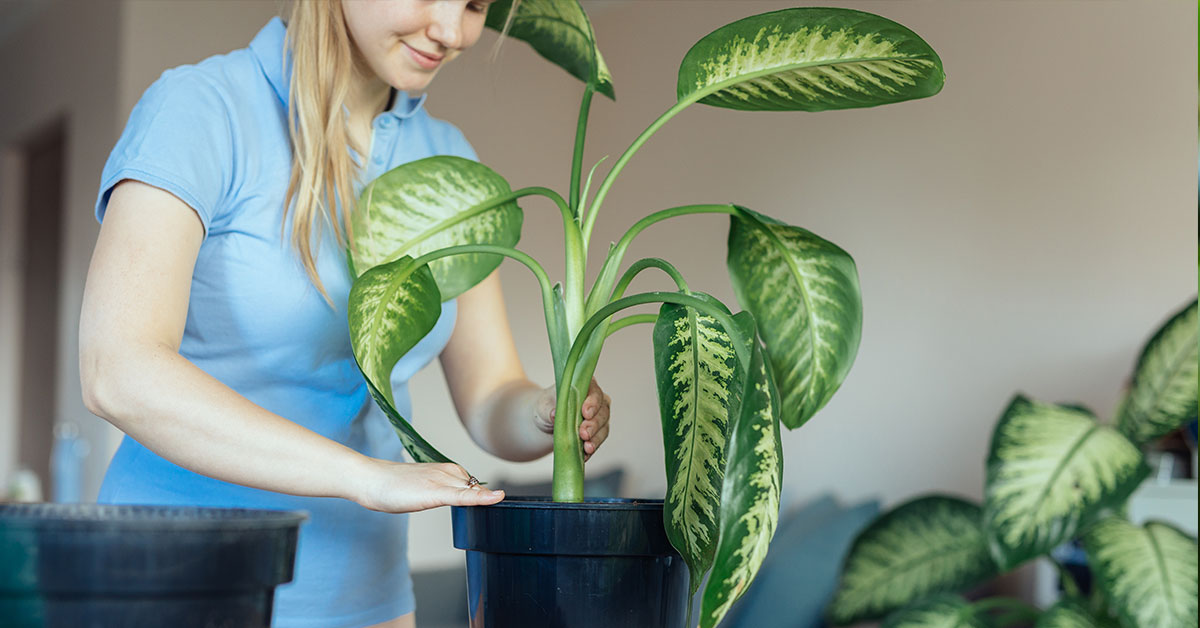

Repotting large plants can be a daunting task for even the most experienced gardeners. It requires careful planning, the right tools, and a lot of physical effort. Taking the time to properly repot large plants can be beneficial. As it allows them to grow in a new environment and can help them stay healthy. We’ll discuss the steps involved in repotting large plants. From choosing the right pot and soil to giving plants the best care after the repotting process is complete. With the right knowledge, you can repot large plants successfully and give them the opportunity to thrive.
Is It Time For Repotting Large Plants?
Repotting large plants is an important step in their care. It is essential for keeping plants healthy and vibrant, encouraging new growth. Repotting allows for the plant to have access to fresh soil, which can help to reduce the risk of pests, and disease, and can help to provide the necessary nutrients for the plant to thrive. Additionally, repotting large plants can help to provide additional space for the roots. Allowing them to grow and spread out, which can help to promote healthy growth. Finally, it can help to prevent the plant from becoming rootbound, which can cause stunted growth or even death. Repotting large plants is an essential part of their care and should be done on a regular basis.
The best time to repot large plants is in the early spring when the weather is beginning to warm up, but before the plant has started to flower or produce new growth. This gives the plant the best chance to acclimate to its new home without being set back too much. When repotting, it is important to use a larger pot than the one the plant is currently in. Additionally, make sure the potting soil is fresh and has good drainage. Additionally, regular pruning and careful watering are necessary to keep large plants healthy and growing.
Repotting Large Plants
Before attempting to repot a large plant, it is important to choose the right soil. The most important factor to consider is the type of soil that best suits the particular type of plant you are repotting. Different plants require different kinds of soil, so it is important to research and select the soil that is best for the particular species of plant. Additionally, the soil should be well-draining and contain organic matter to provide the plant with the nutrients it needs. Furthermore, it is important to ensure that the soil is free from any contaminants or pests.
First, make sure you have a pot that is slightly larger than the current one, a bag of soil, and something sturdy to help support the plant. Begin by carefully removing the plant from the current pot, taking care not to damage the roots. Place the plant in the new pot and pour the soil around it. Using your sturdy crutch to help keep the plant in place and fill the pot with soil until it is about 2 inches from the top. Finally, water the plant until the water begins to seep out of the drainage holes. This will ensure that the roots have an adequate amount of water and soil to thrive in.
Providing Necessary Aftercare
Providing aftercare for repotted large plants is an essential step in helping them to thrive. First, you should ensure that the soil is well watered. This will help promote root growth and improve the soil’s water-holding capacity. Once the plant is properly hydrated, it is important to provide it with adequate light, as this will help it to photosynthesize and grow. Additionally, you should monitor its progress and check periodically for signs of pests or disease. Finally, you should feed it with a balanced fertilizer to ensure that it is getting the right nutrients.
Pruning is an essential part of caring for large plants that have been recently repotted. Pruning encourages healthy growth by removing dead or damaged branches, allowing more air and light to reach the inner parts of the plant. This can also help to encourage the formation of new buds and flowers. When pruning, remember to use sharp, sterilized tools, and to make clean cuts at an angle, just above a bud or node. Pruning large plants can be daunting, so it is important to take it slow and only remove small amounts of the plant at a time. Taking your time and not over-pruning can help to ensure that the plant will remain healthy and thrive.
Overwatering And Underwatering
When repotting large plants, it is important to be mindful of how much water they need. Too much water, known as overwatering, can cause root rot, which can kill the plant. Signs of overwatering include drooping leaves, yellow leaves, or a foul smell coming from the soil. On the other hand, underwatering can also be detrimental to the health of the plant. Signs of underwatering include dry and brittle leaves or a dry soil surface. To ensure the health of your plant, make sure to use a soil mix that allows for proper drainage and check the soil often to make sure the plant has enough moisture.
Repotted large plants are prone to pests and diseases that can cause irreparable damage. Common pests such as aphids, mealybugs, spider mites, and scale can infest plants quickly, especially if they are not monitored regularly. These pests can cause stunted growth and discoloration of the foliage. Diseases such as root rot, and bacterial and fungal leaf spots, can also affect plants in containers, often caused by excessively wet soil or poor drainage. To prevent the spread of pests and diseases, it is important to inspect plants regularly, remove and dispose of dead or diseased leaves, and avoid over-watering. In addition, sterilizing potting soil and containers before use can help reduce the likelihood of infestation.