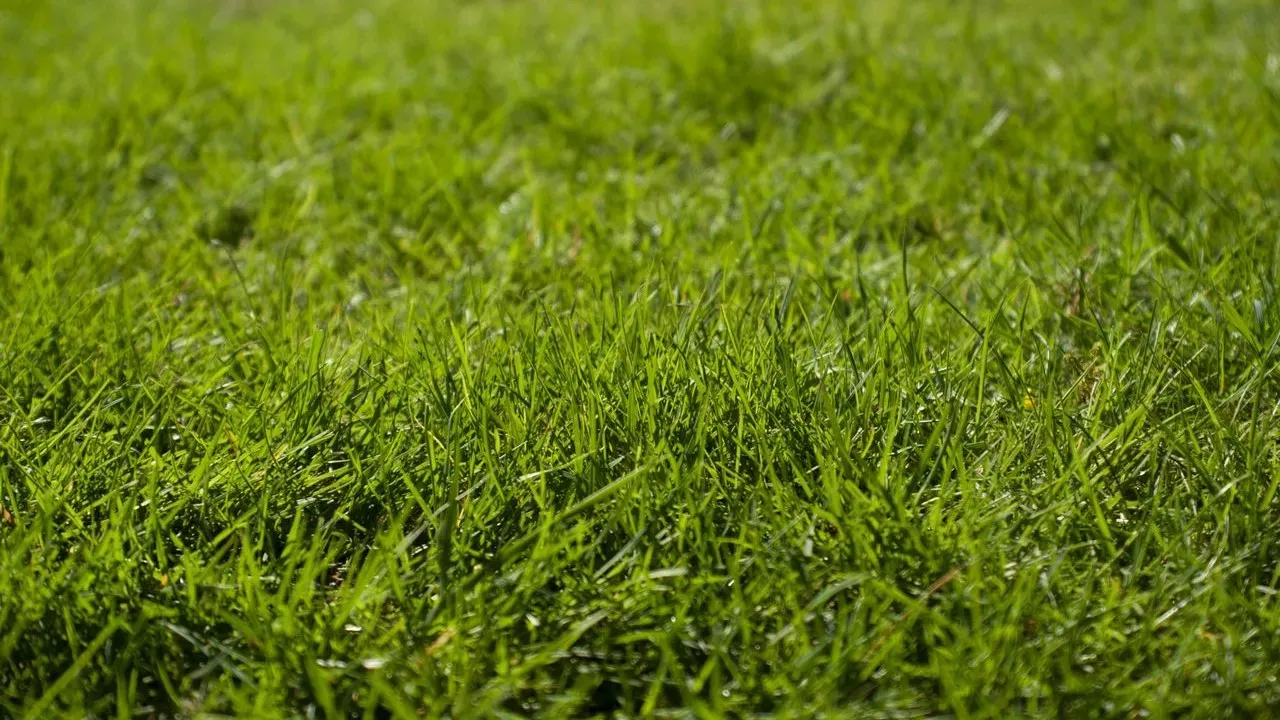

Brown patches in an otherwise healthy lawn often prompt homeowners to suspect grubs right away. Yet the real cause may lie elsewhere, from drought stress to fungal issues or even excess fertilizer. Grubs, the larvae of several common beetles, only warrant action when their numbers reach damaging levels. Late summer offers the narrow window when control measures work best if an infestation is confirmed.
The Surprising Reality of Grub Damage
Grubs feed on grass roots near the soil surface, severing the connection between roots and the blades above. This feeding can produce the telltale brown areas that homeowners notice first. Still, populations below a certain threshold cause no meaningful harm and require no intervention. Many lawns host a few grubs without showing any decline in health.
How to Perform the Diagnostic Test
The confirmation process begins with a straightforward excavation. Cut and lift a square section of turf roughly one foot on each side and three to four inches deep, making sure the sample overlaps the edge between damaged and healthy grass. Turn the piece over and examine the soil and root zone for the distinctive C-shaped, whitish larvae with brown heads.
Each larva measures about half an inch to one inch long. Count the insects found within that square foot. Fewer than ten grubs indicates a normal presence that needs no treatment. Ten or more signals a true infestation, and the turf in heavily affected spots will often roll up like loose carpet because the roots have been severed.
Choosing the Right Response
Effective control depends on timing and product selection. Young grubs are most vulnerable in late summer, so any treatment applied outside that period is unlikely to succeed. Two biological options stand out for homeowners who prefer non-chemical approaches.
Milky spore powder targets only Japanese beetle grubs and shows variable results depending on climate. Beneficial nematodes, particularly the Heterorhabditis bacteriophora strain, attack a wider range of grub species by introducing a bacterium that kills the larvae within days. Both products perform better when the soil is watered thoroughly beforehand.
Why Chemical Options Carry Extra Risks
Synthetic insecticides can harm earthworms, pollinators, pets, and wildlife in addition to the target pests. Some formulations also pose direct risks to people. For these reasons, the biological alternatives remain the preferred route when action is justified.
A confirmed grub problem does not automatically doom the lawn. Early detection through the simple square-foot test, combined with properly timed biological treatment, gives homeowners a practical path to protect their turf before damage spreads further.
AI Disclaimer: This article was created with the assistance of AI tools and reviewed by a human editor.