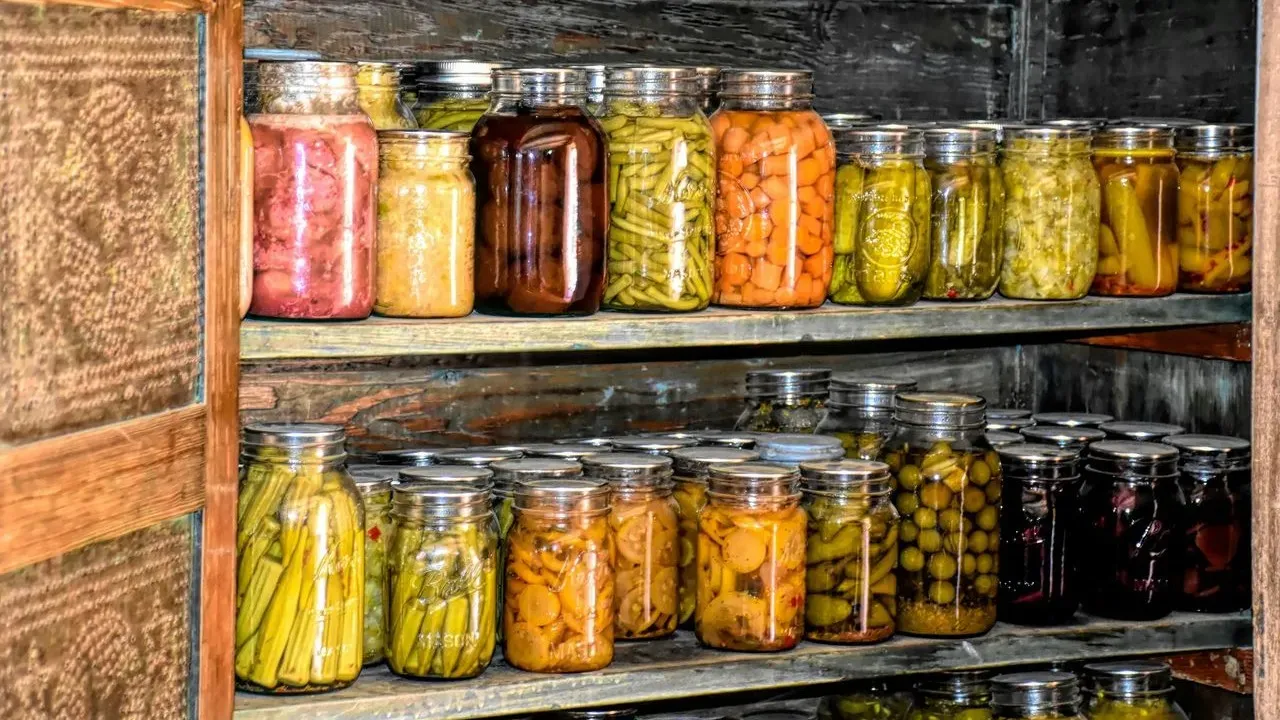

Home gardeners frequently find themselves with more fruit and vegetables than they can consume fresh. The result is often unnecessary waste as produce spoils on counters or in refrigerators. Preservation offers a direct way to capture that excess and extend its usefulness through the months ahead.
The Common Problem of Overabundant Harvests
Many home gardeners plant with high hopes and end up with yields that outpace daily needs. Tomatoes ripen in waves, zucchini multiplies overnight, and berry bushes deliver more than a household can eat in a week. Without a plan, much of this surplus ends up in the compost bin rather than on the table.
This pattern repeats across backyards and allotments each season. The gap between what the garden produces and what gets used promptly creates both frustration and lost value. Gardeners who track their output often notice that a significant portion never reaches the kitchen in usable form.
Why Acting on Surplus Matters
Preserving excess produce reduces waste and provides a reliable supply of home-grown food later in the year. It also rewards the time and effort already invested in raising the plants. For many gardeners, the ability to enjoy summer flavors in winter becomes a practical benefit rather than a distant ideal.
Financial considerations play a role as well. Purchased produce carries ongoing costs, while preserved garden output offsets some of those expenses. In addition, home preservation allows control over ingredients and methods, which appeals to those who prefer to know exactly what goes into their stored food.
Practical Preservation Options Gardeners Use
Home gardeners turn to established techniques that match the type of produce and the equipment available. These approaches range from simple, low-cost methods to those that require more preparation and storage space. The choice often depends on the volume of surplus and how long the preserved items need to last.
Success with any method starts with harvesting at peak quality and processing promptly. Clean, undamaged produce stores better and retains more flavor and nutrients. Gardeners who build preservation into their routine from the start of the season tend to see better results than those who react only when the counter is overflowing.
Building Preservation Into the Gardening Year
Planning ahead helps turn surplus from a problem into an asset. Gardeners who set aside time and basic supplies before the heaviest harvests arrive are better positioned to act quickly. This might involve checking equipment, sourcing jars or containers, and identifying which crops are likely to produce the largest excess.
Over time, many gardeners develop a rhythm that matches their specific growing conditions and household needs. They learn which varieties store well and which benefit most from processing. The result is less waste and a steadier supply of garden produce throughout the calendar year.
AI Disclaimer: This article was created with the assistance of AI tools and reviewed by a human editor.