
Imagine stepping into a garden that not only dazzles the eyes but feeds your belly and nourishes your soul—right in your backyard! I know how frustrating it is to wander grocery aisles searching for elusive wild flavors, so creating a dedicated forager’s paradise brings those tastes home. As a gardener who’s spent seasons nurturing both ornamentals and edibles, I’m thrilled to share fifteen plants that welcome you to forage at will, while inviting beneficial wildlife to your green haven.
Each of these species has its own native story—from woodland edges of Europe to North America’s forest floors—and most stay well‑behaved when tended properly. Some can naturalize if left unchecked, so I’ll point out any runaway tendencies. Let’s dive into these fifteen glorious, garden‑worthy foragers—get ready to harvest nourishment and delight all season long!
Wild Raspberry (Rubus idaeus)

Native to temperate Europe and northern Asia, wild raspberries form arching canes that yield sweet, jewel‑red berries by midsummer. While they self‑seed readily, they’re not typically invasive in well‑managed beds. Plant them in full sun with rich, well‑draining soil, and you’ll be rewarded with abundant fruit!
These berries attract songbirds and pollinators alike; I often spot chickadees feasting on fallen fruit and bumblebees buzzing among the blossoms. Harvest by gently rolling ripe berries between your fingers—such a joy to taste that heady summer sweetness fresh off the vine!
Dandelion (Taraxacum officinale)
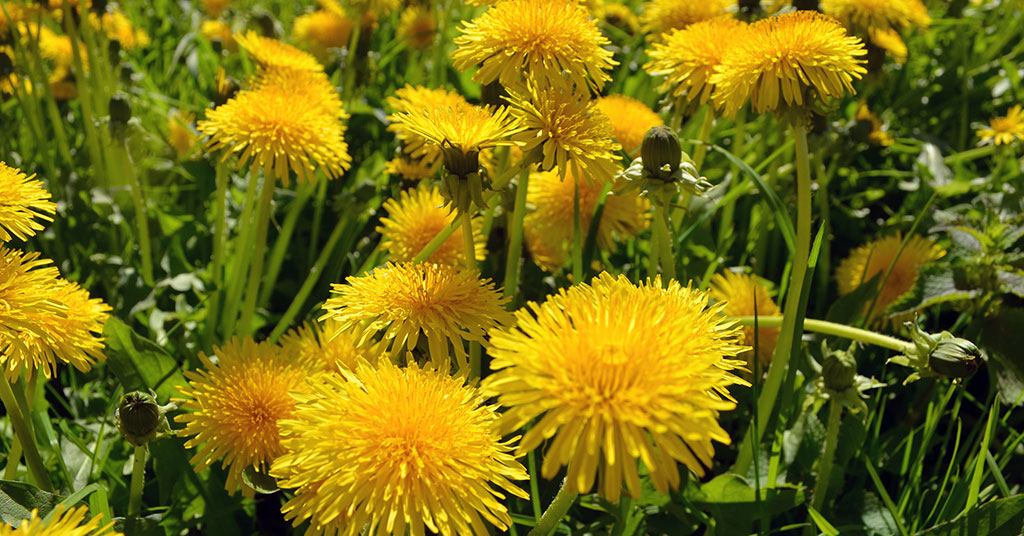
Often maligned as a weed, dandelions are actually edible dynamos, native to Eurasia but naturalized across the Northern Hemisphere. Their bright yellow flowers add cheer to the spring garden and aren’t invasive beyond open lawns or beds. Sow in full sun or light shade for early‑season greens and blossoms.
These humble blooms lure hoverflies and solitary bees, while small ground‑nesting bees sometimes burrow near dense patches. You can forage young leaves for salads and fritters, and the flowers infuse oils or soaps with sunny color—every part of this plant is a treasure!
Stinging Nettle (Urtica dioica)

A powerhouse of nutrients, stinging nettle is native to Europe, Asia, and North America’s woodlands. It spreads via rhizomes and seed, so contain it in pots or dedicated beds unless you want a wild tangle! Harvest with gloves in spring when shoots reach 6–8 inches tall—once cooked or dried, the sting vanishes, revealing a spinach‑like flavor.
Nettles support a host of butterflies, like the peacock and small tortoiseshell, which lay eggs on the leaves. I love watching caterpillars munching away! Blanching nettles yields a mineral‑rich tea or soup base—an invigorating treat that transports you straight to the forest edges.
Wood Sorrel (Oxalis acetosella)

Esteemed for its lemony tang, wood sorrel hails from shaded woodland floors in Europe and North America. It tends to spread by seed and creeping stems but remains manageable in shady garden patches. Preferring moist, humus‑rich soil, its trifoliate leaves and delicate white‑pink flowers add zing to salads and sauces.
Hoverflies and small solitary bees sometimes visit the nectar‑rich blooms, and I’ve spotted tiny mining bees nesting in nearby bare soil. A handful of sorrel leaves transforms pesto or vinaigrettes into bright, tangy delights—such a refreshing flavor burst!
Chickweed (Stellaria media)
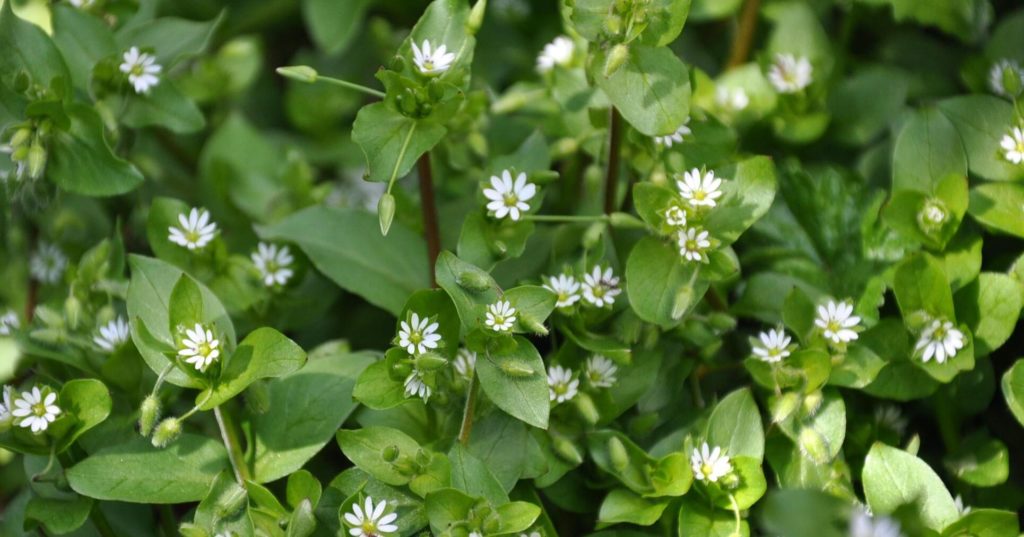
Chickweed is a low‑growing annual native to Europe, now naturalized worldwide. It self‑seeds prolifically but isn’t aggressive in moist, fertile soil. In early spring, harvest the tender shoots and tiny white flowers for salads or steamed greens.
This plant attracts small hoverflies and parasitic wasps that help control aphids—nature’s own pest patrol! I often see tiny leafhoppers dancing on stems. Chickweed’s mild flavor and silky texture make it perfect in smoothies or as a fresh garnish on soups.
Purslane (Portulaca oleracea)

With succulent leaves and bright yellow flowers, purslane is native to hot, dry regions of Africa and the Mediterranean but has naturalized worldwide. Though it can sprawl vigorously, keeping it in gravelly beds or containers prevents unwanted spreading. Its tangy, lemony leaves are high in omega‑3s—delicious raw or lightly sautéed!
Bees and hoverflies relish its open flowers, and I’ve found ground‑nesting bees nesting in sandy patches nearby. Foraging purslane feels like discovering a hidden treasure—just pop stems in your mouth for a crisp, juicy snack, or toss into stir‑fries for a nutritional boost!
Elderberry (Sambucus nigra)
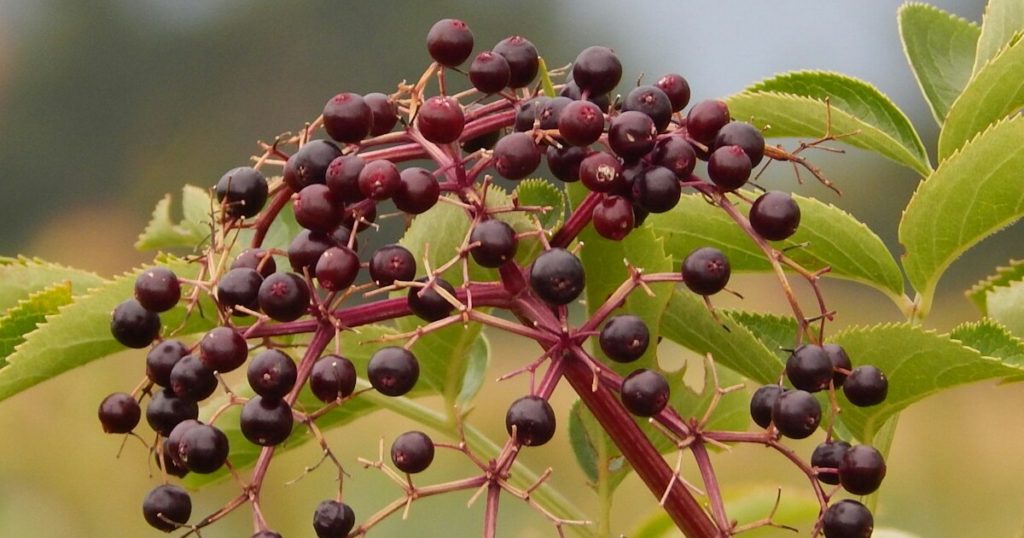
Native to Europe and widely planted in North America, elderberry shrubs produce umbels of creamy white flowers in spring and deep purple berries in late summer. They can naturalize via suckers, so plant in a dedicated area or prune suckers regularly. The blossoms make floral teas or cordials with delicate perfume!
Elderflowers attract hoverflies and small bees, and bird species like finches feast on the berries come autumn. I love bringing in those lacy flowers for cordial—straining and sweetening yields a fragrant syrup that captures midsummer in every sip.
Wild Strawberry (Fragaria vesca)
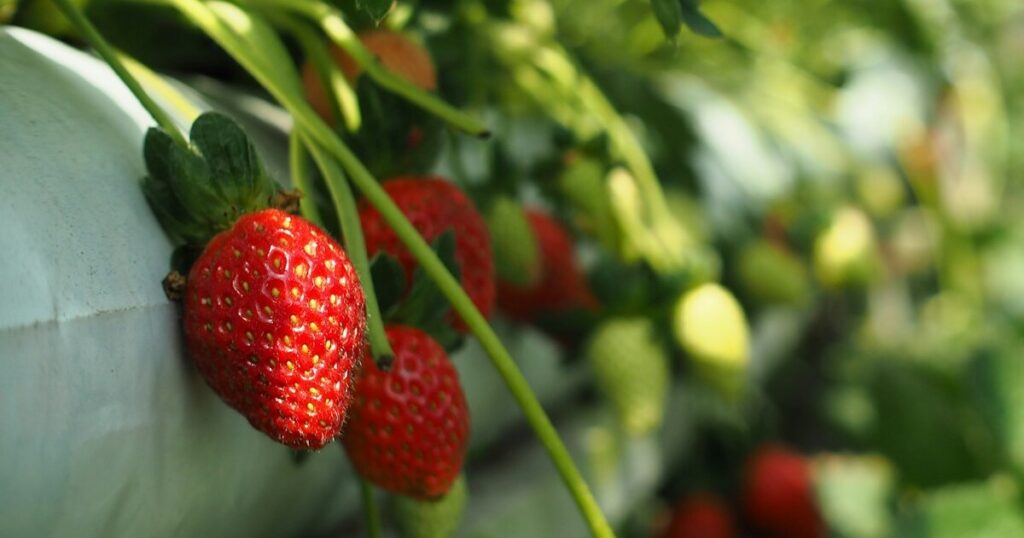
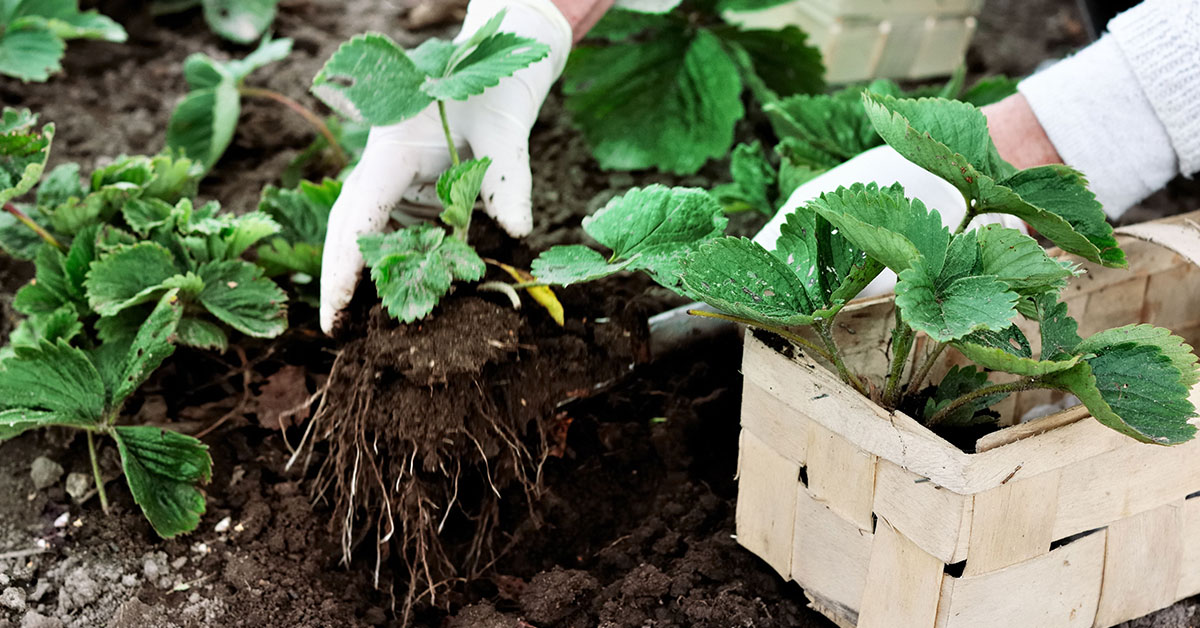
Wild strawberries, native to temperate zones across the Northern Hemisphere, form low mats of trifoliate leaves and produce dainty red fruits. They spread by runners but stay compact in garden beds or rock walls. Preferring partial shade to full sun, they reward you with intensely sweet berries early in summer!
These tiny fruits attract finches and sparrows, which help disperse any excess seed. I always leave a few undisturbed for the birds. Foragers delight in popping them fresh—they taste like concentrated sunshine, elevating breakfast bowls or jams to new heights!
Garlic Mustard (Alliaria petiolata)

Though invasive in many North American woodlands, garlic mustard is prized for its garlic‑onion flavor and vitamin C content. If you have an existing patch, harvest before flowering to prevent further spread, and use young leaves raw in pesto or salads.
The white flowers attract small solitary bees and hoverflies early in the season, supporting vital pollinators. Pulling and foraging garlic mustard feels like a victory: you’re both controlling an invasive and enjoying its zesty flavor in your recipes!
Violet (Viola odorata)

Sweet violets, native to Europe and Asia, form groundcover mats of heart‑shaped leaves and fragrant purple flowers in spring. They’re non‑invasive in garden beds and thrive in partial shade with moist, well‑draining soil. Candied violet petals or infused syrups lend intense floral perfume to confections and cocktails!
Bees and early‑emerging hoverflies visit violets for nectar, and small ground bees may nest nearby. Harvest flowers gently to preserve plant vigor—each time I taste those sugared petals, I’m transported to a woodland glade in full bloom!
Jerusalem Artichoke (Helianthus tuberosus)
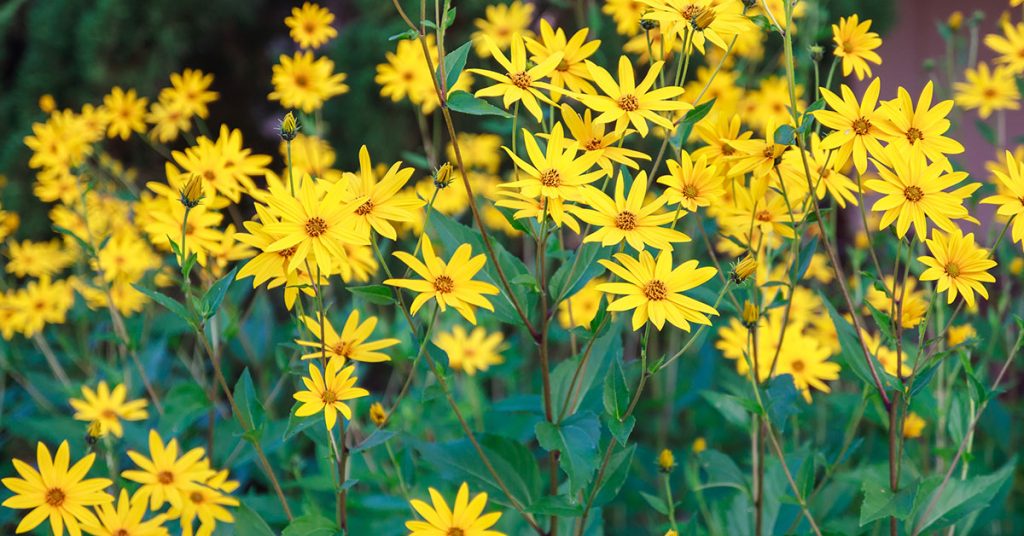
Also called sunchokes, these North American natives produce tall sunflower‑like blooms and edible tubers underground. They spread by tubers and can become invasive if unchecked, so contain them in trench‑style beds or large pots. Their knobby tubers, with a sweet, nutty flavor, roast to a delightful crispness!
Goldfinches and bumblebees flock to the bright yellow flowers late in the season, while ground beetles shelter among the stalks. Digging your own tubers feels like treasure hunting—each harvest reveals a bounty of knobbly roots ready for soups, gratins, or raw slaws!
Lemon Balm (Melissa officinalis)
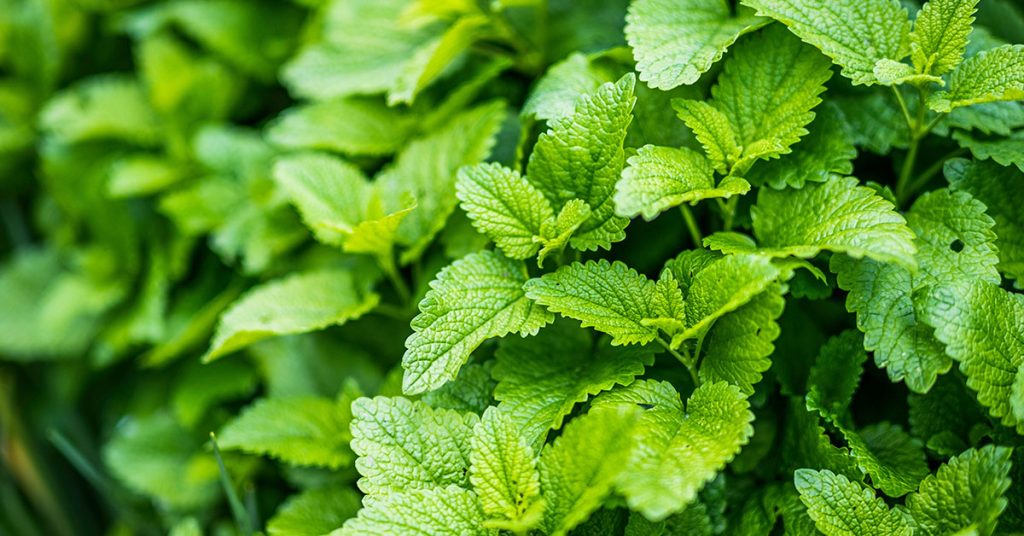
Originating in southern Europe, lemon balm forms fragrant mounds of crinkled leaves. It self‑seeds gently but rarely becomes weedy; trimming after flowering controls stray seedlings. Harvest leaves throughout summer for a lemony tea or to infuse oils used in soaps and balms.
Bees adore its tiny white flowers, and I often spot bumblebees sipping nectar at dawn. Crushing fresh leaves releases that bright citrus scent—one of my favorite ritualistic pleasures before making herbal teas or infusions that carry garden fragrance into each cup!
Mint (Mentha spp.)
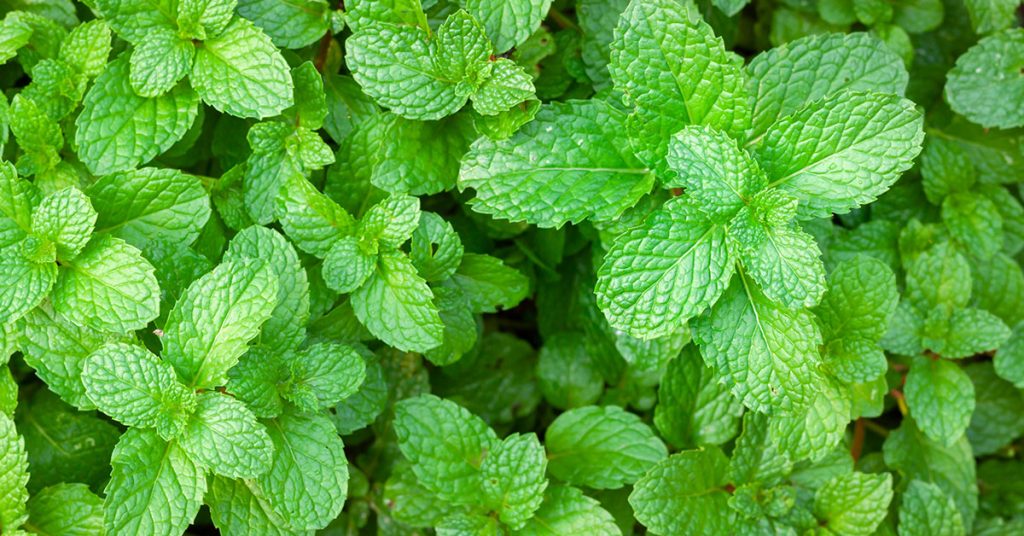
Mint species, including peppermint and spearmint, originate from Europe and Asia, spreading vigorously via underground rhizomes. To prevent invasiveness, grow mint in pots or submerged containers. Its aromatic leaves add a refreshing zing to teas, jellies, and savory dishes!
Mint flowers attract a plethora of pollinators—hoverflies, solitary bees, and butterflies—transforming your garden into a buzzing micro‑wildlife haven. Snipping a sprig and inhaling that cool, menthol aroma is like summoning a burst of garden freshness any time you need a lift!