
I absolutely love the idea of cultivating a living medicine cabinet right in my garden beds and window boxes! There’s something so satisfying about snipping fresh herbs or roots to brew into soothing teas, tinctures, and syrups at the first sign of a scratchy throat or stuffy nose. I know how frustrating it can be to rely solely on store-bought remedies when you’d rather trust in the gentle power of plants you nurtured yourself.
In this article, I’m thrilled to share fourteen of my favorite cold- and flu-fighting plants you can easily grow at home. We’ll explore where each plant hails from, whether it tends to spread beyond its bounds, and how it interacts with beneficial wildlife—everything from buzzing bees to tiny nesting insects. Let’s get planting and set you up for your healthiest season yet!
Yarrow (Achillea millefolium)
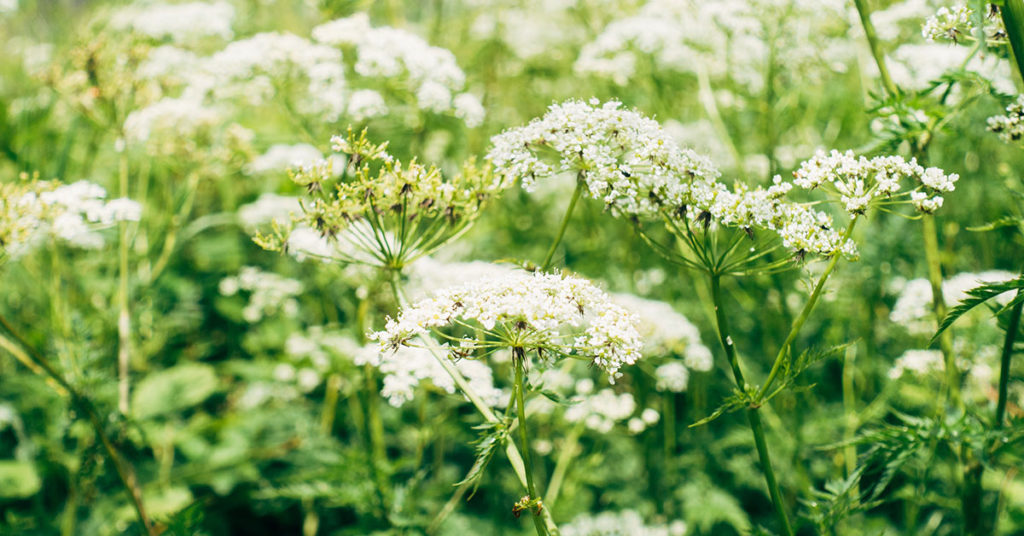
One of my go-to herbs for winter wellness, yarrow’s ferny foliage and flat-topped clusters of flowers contain compounds like achilleine and flavonoids that help promote sweating and ease congestion. Native across temperate regions of the Northern Hemisphere, this hardy perennial is rarely invasive and makes a beautiful, drought-tolerant addition to sunny borders. Its deep root network stabilizes soil, so you won’t find it popping up where you don’t want it!
In midsummer, yarrow’s nectar-rich blooms attract butterflies, bees, and even predatory wasps that prey on garden pests. I love watching ladybugs seek shelter in its foliage—and you might spot solitary bees nesting in nearby bare ground, taking advantage of the plant’s protective shade. Harvest the flowers early in bloom for drying into teas or infusing into vinegars that soothe sore throats.
Licorice (Glycyrrhiza glabra)
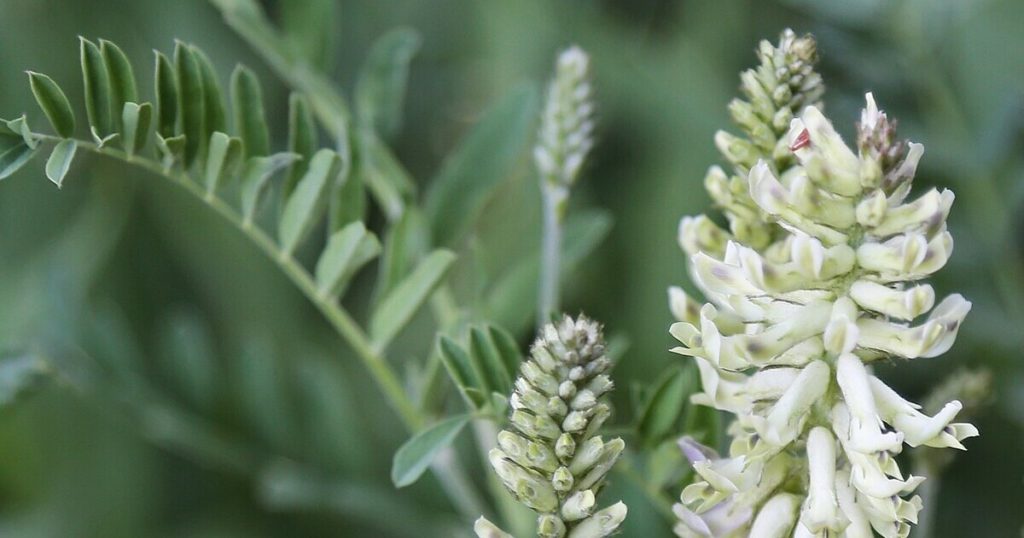
I adore the sweet, soothing flavor of licorice root steeped into teas or syrups—it’s packed with glycyrrhizin, which can help calm coughs and support mucous membrane health. Native to parts of Asia and southern Europe, licorice spreads slowly via rhizomes but isn’t usually considered invasive unless grown in ideal conditions. For most home gardens, a confined bed or large container keeps it under control.
When licorice flowers in late summer, its purple pea-shaped blossoms attract bees and hoverflies, adding lively activity to the garden. Ground-nesting bees may take advantage of the loose soil around the root crowns, and I’ve even seen small spiders weaving webs between the stems. Just be mindful: licorice can deplete soil moisture, so give it a consistent drink and mulch to retain hydration.
Elderberry (Sambucus nigra)
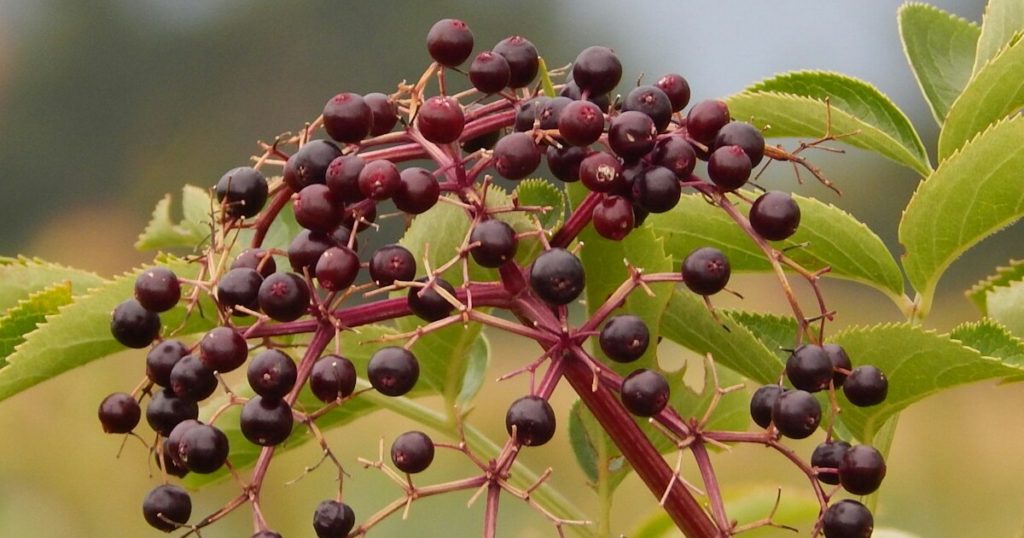
Making elderberry syrup is practically a rite of passage for herbal gardeners! Native to Europe (and with close relatives in North America), elderberry is revered for its high vitamin C, anthocyanins, and antiviral flavonoids. This multi-stemmed shrub can reach eight to ten feet, but its suckering habit is manageable—simply remove unwanted shoots as they appear.
In early summer, flat clusters of creamy white flowers draw bees and butterflies, and once berries set in late summer, birds flock to feast and help disperse seeds. Those same birds may also nest amid the arching branches, turning your elderberry into a wildlife hub. Just remember: cook the berries before consuming—they’re potent when prepared properly, but raw berries can cause upset tummies!
Chamomile (Matricaria chamomilla)

There’s nothing like a calming cup of chamomile tea when you’re under the weather. Native to Western Europe, chamomile’s apigenin and bisabolol have gentle anti-inflammatory and antispasmodic properties that soothe coughs and support restful sleep. As an annual, it self-seeds modestly but rarely becomes invasive, making it garden-friendly if you deadhead spent blooms to control volunteers.
Its dainty, daisy-like flowers sway in summer breezes and beckon hoverflies and small bees that prey on aphids. I’ve spotted tiny ground-nesting bees popping in and out of bare earth nearby, drawn to the plant’s protective cover. Drying the flowers for late-season teas is effortless—just snip when blooms are fully open and air-dry in a shaded spot.
Self-Heal (Prunella vulgaris)
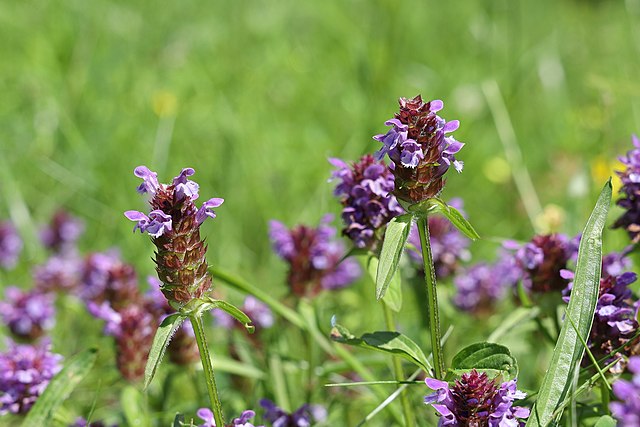
One of my favorite low-growing herbs, self-heal has been used for centuries to soothe sore throats and minor respiratory complaints. Native across Europe, Asia, and North America, it forms creeping mats but isn’t aggressively invasive. In fact, its groundcover habit makes it a charming filler between stepping stones or along pathways.
In midsummer, violet-purple flower heads attract bumblebees, honeybees, and even tiny sweat bees. You may notice leafcutter bees carving neat semicircles from its foliage—an odd but endearing behavior! Harvest the leaves and flowers for fresh infusions or tinctures, which boast phenolic compounds supportive of immune function.
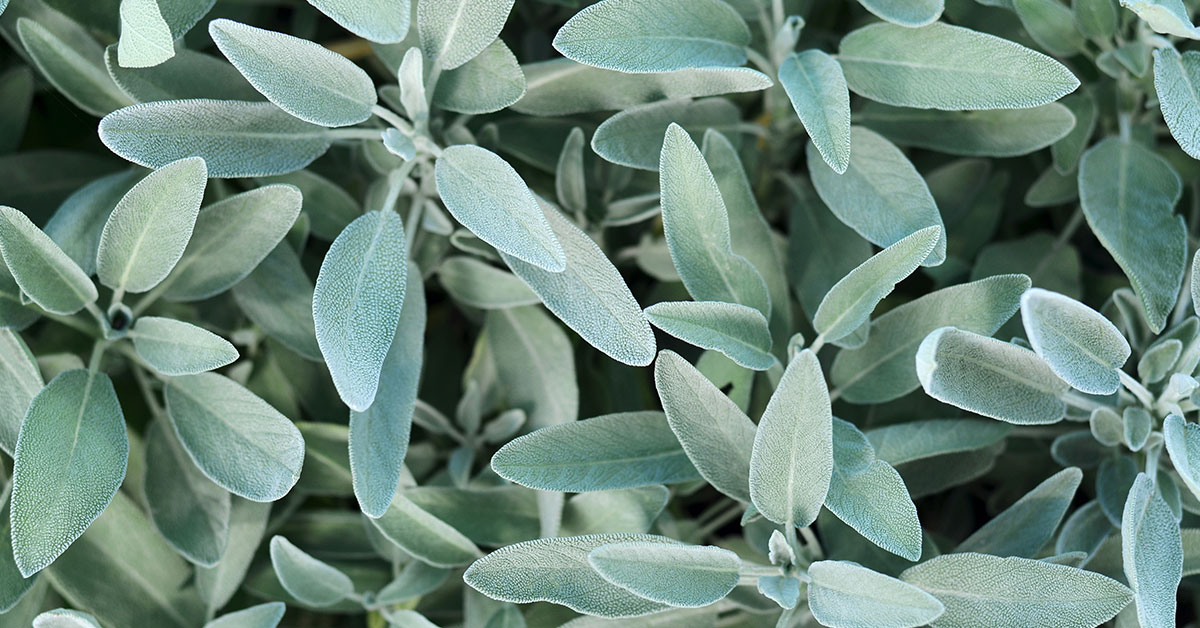
Sage (Salvia officinalis)
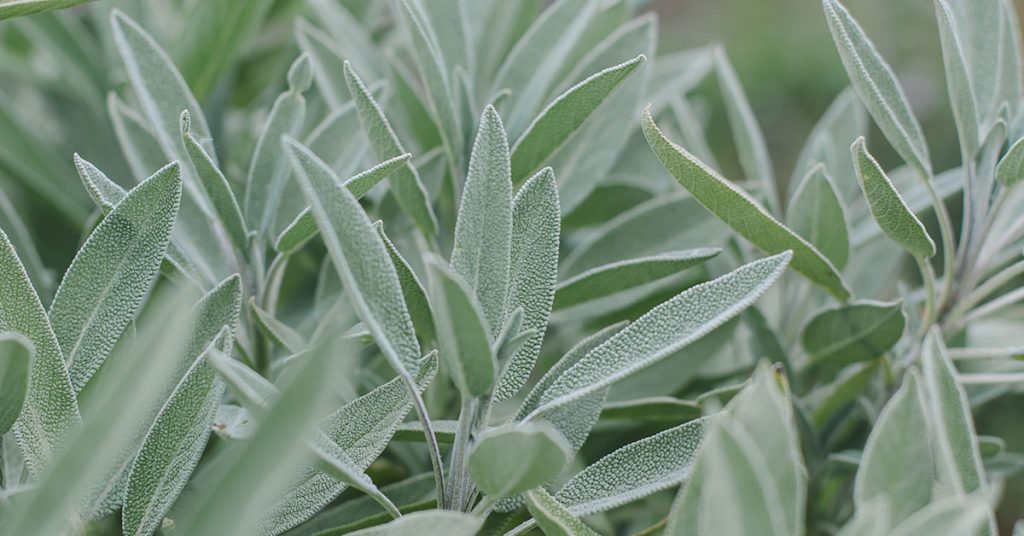
Sage’s savory, earthy flavor—thanks to thymol and rosmarinic acid—makes it a classic remedy for throat irritation and coughs. This Mediterranean native is well-behaved in both beds and pots, rarely spreading beyond where you plant it. Its woody stems and evergreen leaves add year-round structure to gardens, and I find its aroma alone can clear the cobwebs in my sinuses!
When sage blooms in spring with spikes of blue flowers, it’s a bee magnet, drawing in bumblebees, honeybees, and solitary bees alike. You might even glimpse mason bees nesting in hollow stems or crevices nearby. Regularly snipping flower stalks after the initial bloom keeps plants bushy and prolongs leaf harvests for drying into herbal lozenges.
Peppermint (Mentha × piperita)
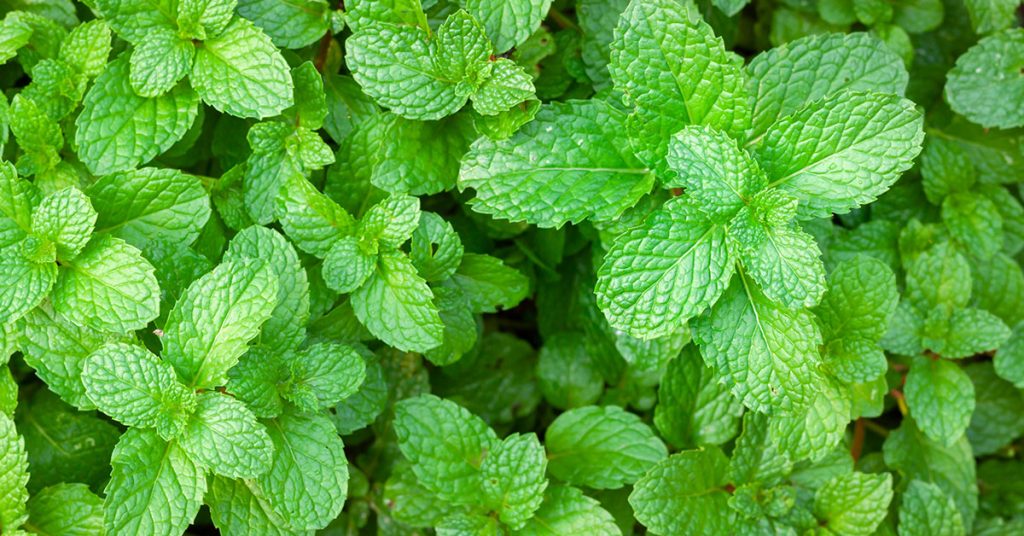
I can’t resist the bright, cooling zing of peppermint tea—it’s rich in menthol, which helps ease congestion and soothe upset stomachs. A hybrid of watermint and spearmint, peppermint originates from Europe but has naturalized widely. It can be invasive via creeping rhizomes, so I always grow it in containers sunk into the soil or in raised beds to curb its exuberance.
In summer, small violet flowers attract hoverflies and bees, and ground-nesting bees often nest in patches of sun-warmed bare soil around the pots. Snip before flowering to maximize leaf oil content, then hang bunches upside down in a cool, dark space to dry for jarred tea blends.
Echinacea (Echinacea purpurea)

Echinacea’s coneflower heads are synonymous with immune support—its cichoric acid and polysaccharides help stimulate white blood cell activity. Native to North American prairies, this clumping perennial is well-behaved and noninvasive. It thrives in lean, well-drained soil and full sun, making it an easy-care favorite in medicinal gardens.
In late summer, its purple petals and prominent seed cones beckon butterflies, bees, and goldfinches—who snack on the seeds come fall. Some mason bees may nest in hollow stems you leave standing for winter, and goldfinch nests often appear nearby in shrubs. Harvest roots in autumn for tincturing or dry petals and cones for potent herbal preparations.
Marshmallow (Althaea officinalis)

Marshmallow root’s mucilage-rich properties are legendary for soothing sore throats and coughs. Native to Europe, Western Asia, and North Africa, this perennial prefers moist soils and can spread slowly via seed—though it rarely becomes weedy in home gardens. Its tall stems and soft, round leaves add a cottage-garden charm.
Pale pink to white flowers bloom in mid-summer, attracting bees and hoverflies, and I’ve even spotted leafcutter bees tucking their cut discs into nearby soil cavities. Harvest roots in autumn after the plant’s second year, slice thinly, and dry for long-term storage in cough syrups or lozenges.
Ginger (Zingiber officinale)
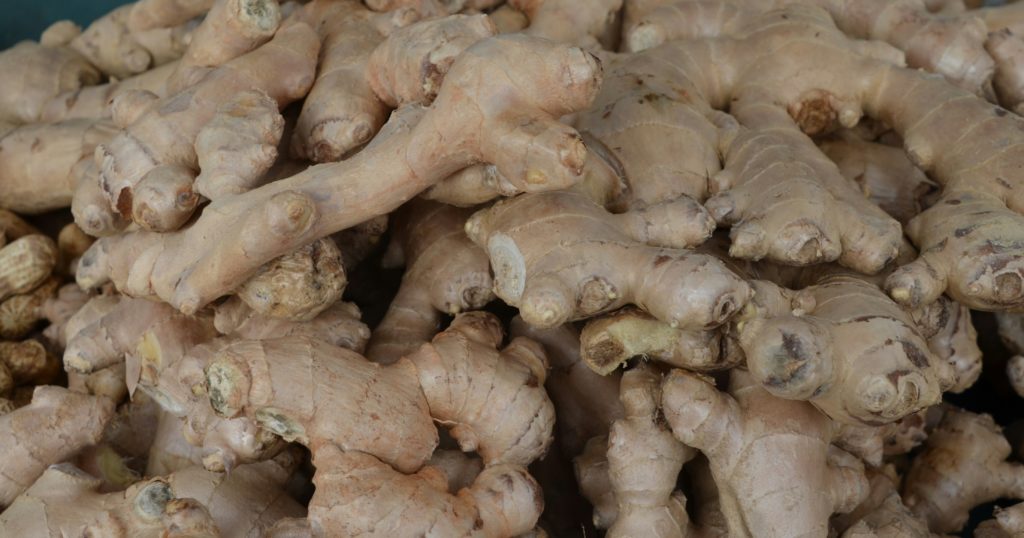
Cultivating ginger indoors feels like capturing a bit of the tropics! Native to Southeast Asia, ginger’s rhizomes are rich in gingerols—powerful anti-inflammatory compounds that help combat cold symptoms and nausea. It won’t survive frost outdoors in most climates, but a bright windowsill or heated greenhouse ensures a steady supply.
Though it doesn’t flower prolifically in home settings, its lush foliage offers shelter for small insects, and ground-nesting bees may nest beneath its canopy in outdoor beds. When shoots emerge, they’re so exciting to see—just dig up finger-sized rhizome sections, replant the rest, and you’ll have a continual harvest!
Thyme (Thymus vulgaris)
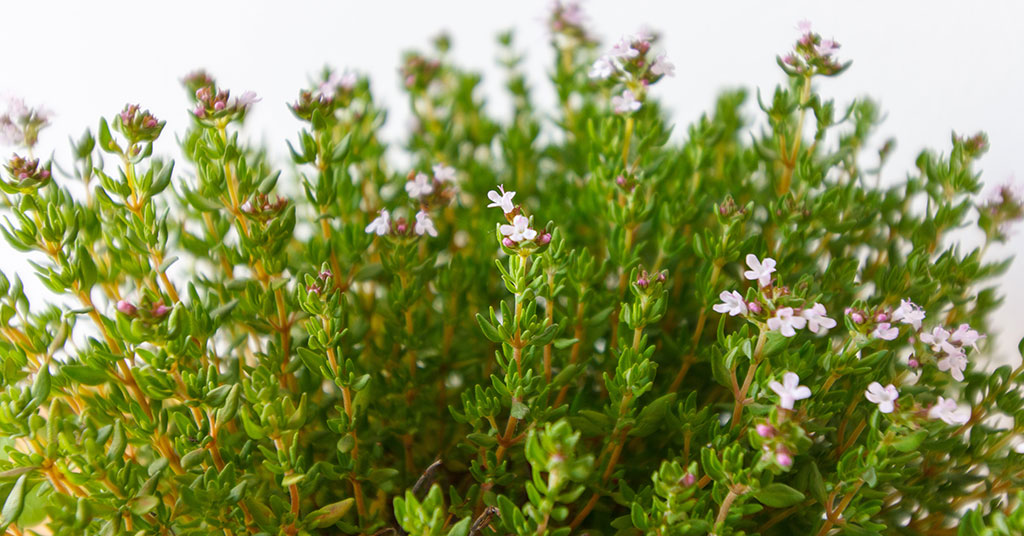
Thyme’s antiseptic thymol makes it a classic ingredient in herbal steam inhalations and cough syrups. Native to the Mediterranean, this low-growing perennial thrives in sunny, well-drained soils and seldom invades beyond its patch. I love tucking thyme along garden edges for both its culinary uses and its tough groundcover habit.
Tiny flowers bloom in spring and summer, attracting bees that may nest in the warm nooks between paving stones or dry soil spots. Snip flowering stems for drying, then steep in hot water with honey and lemon for a throat-soothing tonic that’s pure garden magic!
Lemon Balm (Melissa officinalis)
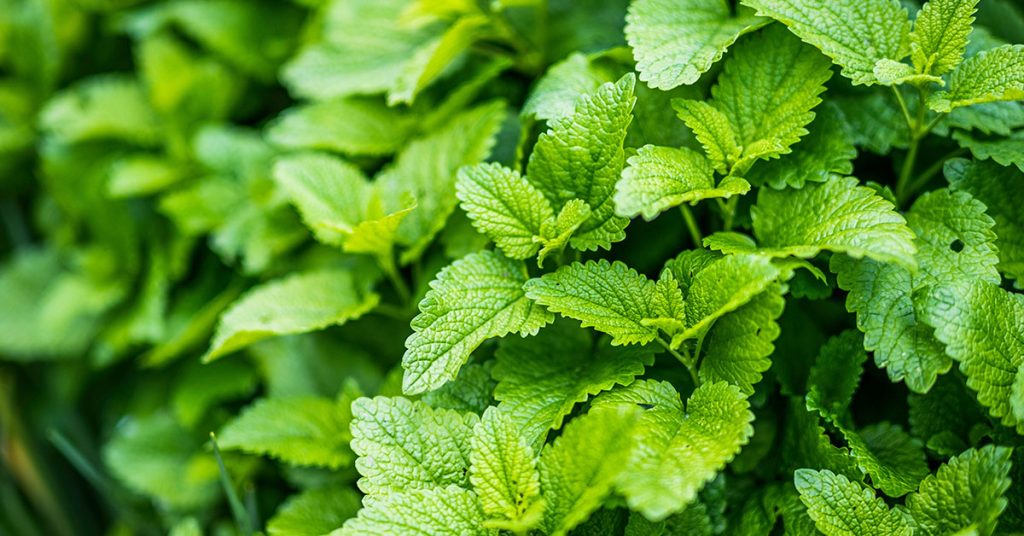
Lemon balm’s bright citrus scent—courtesy of rosmarinic acid—helps reduce stress and supports immune defenses. Native around the Mediterranean, it can self-seed and spread if left unchecked, but clipping flowers before seed set or growing in containers keeps it tidy. Its soft leaves add cheerful green to shady corners of the garden or patio.
In early summer, tiny white flowers attract bees and hoverflies, and I’ve seen solitary bees nesting in nearby ground. Harvest leaves throughout the growing season, bundle them for drying, or toss fresh into steaming mugs of hot water for a gentle, uplifting tea.
Garlic (Allium sativum)
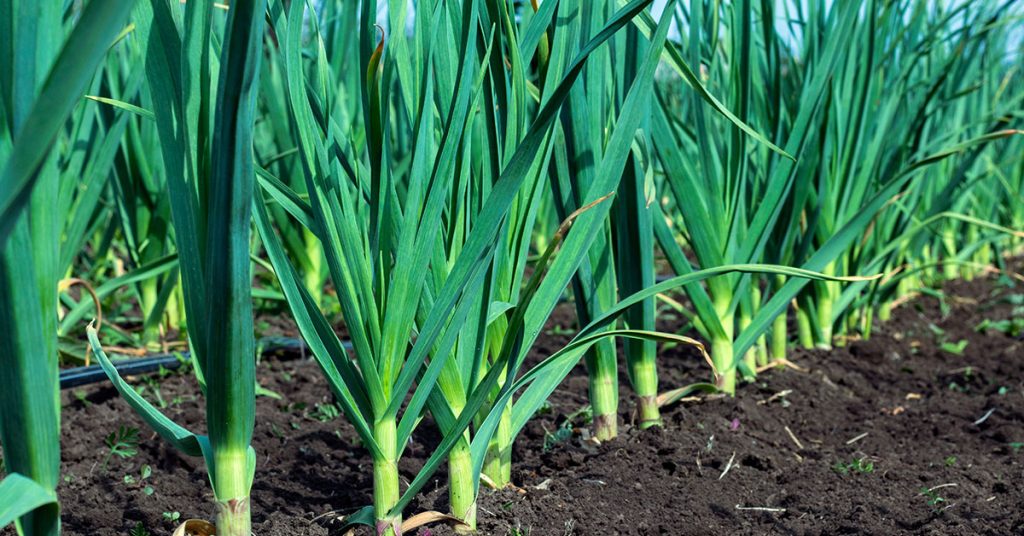
Garlic is a staple in my cold-fighting garden—allicin lends potent antimicrobial action that’s backed by research. Native to Central Asia, garlic is easy to grow from single cloves planted in fall or early spring and won’t become invasive in typical garden beds. Its strap-like leaves and emerging scapes give visual interest through the seasons.
When garlic flowers—you might choose to remove the scapes to direct energy into the bulb—but if you let them bloom, they attract bees and hoverflies that enjoy the nectar. Pull bulbs in mid-summer once foliage yellows, then cure them for winter use in cooking and medicinal syrups.
Horehound (Marrubium vulgare)

Horehound’s bitter compounds support cough relief and respiratory comfort, making it a classic ingredient in throat lozenges. Native to Europe, North Africa, and parts of Asia, this perennial can self-seed but rarely becomes aggressively invasive in home borders. Its woolly leaves and white flowers add texture to medicinal beds.
Flowers bloom in late spring and early summer, attracting bees and pollen-collecting wasps; some ground-nesting bees may burrow beneath the plant’s protective foliage. Harvest leaves before or during flowering, dry them, and infuse into honey or glycerin to make soothing syrups that tackle coughs naturally.