
There’s something incredibly satisfying about cultivating your own herbs for homemade soaps—nothing beats the aroma of fresh, garden-grown botanicals that infuse your creations with natural goodness! I know how disheartening it can be when store-bought ingredients don’t quite capture the authentic scent you’re after, or when pests and shady spots spoil your garden plans. That’s why I’m excited to share 13 wonderful herbs that not only elevate your soap-making game but also bring life, color, and ecological benefits to your garden!
Over the years, I’ve discovered that these herbs—each with its unique native roots, growth habits, and even a few hidden talents like attracting pollinators or providing tiny nesting spots—make every gardening day a celebration of nature’s bounty. Whether you’re an experienced green thumb or just starting your indoor or outdoor herb garden, these selections will delight you with their ease of cultivation and the luxurious, natural aromas they lend to homemade soaps. Let’s dig in and explore these botanical treasures together!
Calendula

Calendula is a vibrant herb celebrated for its bright, sunny blossoms that add a cheerful pop of color to your garden—and they work wonderfully in soap making! Native to the Mediterranean region, Calendula has been cherished for centuries for its anti-inflammatory and skin-soothing properties. It’s a non-invasive perennial that thrives in well-drained soil, making it a perfect choice for borders, containers, or raised beds where its blossoms can easily be harvested for your homemade recipes.
In my own garden, Calendula is a delightful surprise every spring. Its vivid orange and yellow petals not only enhance the visual appeal of the landscape but also attract an array of bees and small butterflies that eagerly sample its nectar. I find it fascinating how these bright blooms can transform an ordinary soap into a luxurious, all-natural treat, while also serving as a beacon for beneficial insects that help maintain a balanced ecosystem!
Rosemary

Rosemary is a robust, aromatic herb that infuses your soaps with a distinctive, evergreen scent and potent antibacterial properties. Native to the Mediterranean, this woody perennial thrives in sunny, well-drained spots and is well-behaved in garden beds and containers alike—so you won’t have to worry about it overtaking your space. Its needle-like leaves and occasional clusters of blue or purple flowers make it a visual treat as well as a culinary and cosmetic essential.
In my garden, rosemary stands as a stalwart companion, its fragrant aroma filling the air and attracting bees and other small pollinators. I enjoy watching how its resilient nature not only beautifies the landscape but also provides a natural haven for beneficial insects that contribute to the health of the garden. When incorporated into homemade soaps, rosemary delivers a refreshing, invigorating scent that truly embodies the spirit of the Mediterranean!
Lavender

Lavender is an iconic herb prized for its soothing fragrance, striking purple blooms, and versatility in soap making. Native to the Mediterranean, lavender thrives in sun-drenched, well-drained soils and is celebrated for its calming, antiseptic properties. It’s non-invasive when grown in containers or controlled beds, making it an ideal choice for gardeners seeking beauty and function in a compact space.
Every time I tend to my lavender, I’m captivated by the way its color and scent evolve as the day progresses. Its blossoms attract a host of bees and butterflies, who help pollinate not only the lavender but also neighboring plants. Incorporating lavender into your homemade soaps not only infuses them with a soothing aroma but also connects you with the timeless traditions of herbal wellness—truly a win for both the senses and the spirit!
Peppermint
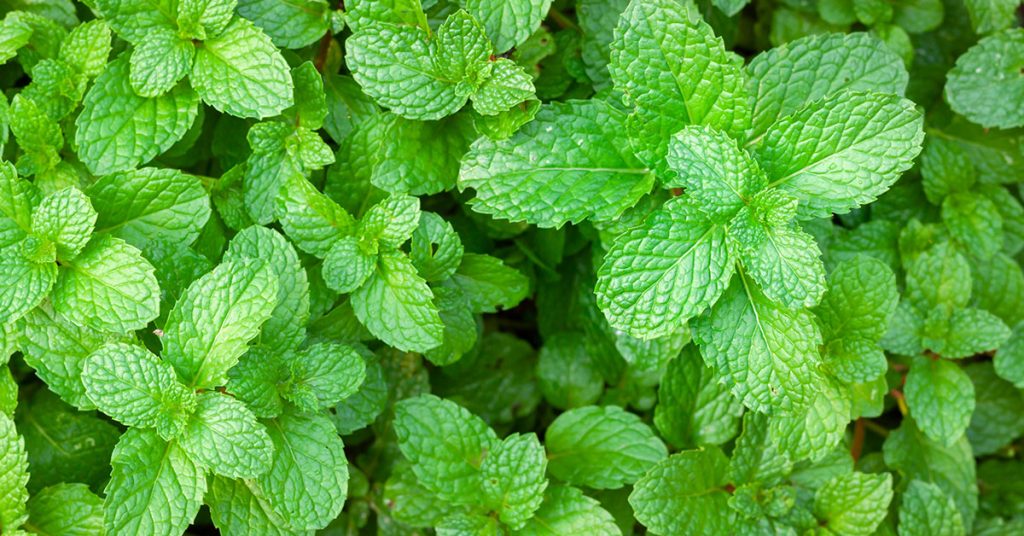
Peppermint is a refreshing herb that delivers a cool, invigorating burst of flavor and aroma, making it a fantastic addition to homemade soaps. A hybrid of watermint and spearmint, peppermint is native to Europe and the Middle East and is widely appreciated for its natural antiseptic and soothing qualities. Although it can spread rapidly in open ground, growing it in containers keeps its vigorous growth perfectly in check.
In my garden, peppermint is a star performer—its lush, aromatic leaves not only enhance my soap recipes with a crisp, minty note but also draw in beneficial insects like bees and small butterflies. I find it delightful to see these tiny pollinators buzzing around, contributing to the garden’s natural balance and even sometimes using the dense foliage for shelter. The refreshing scent of peppermint in your soaps is an instant pick-me-up that transforms everyday routines into moments of pure bliss!
Chamomile
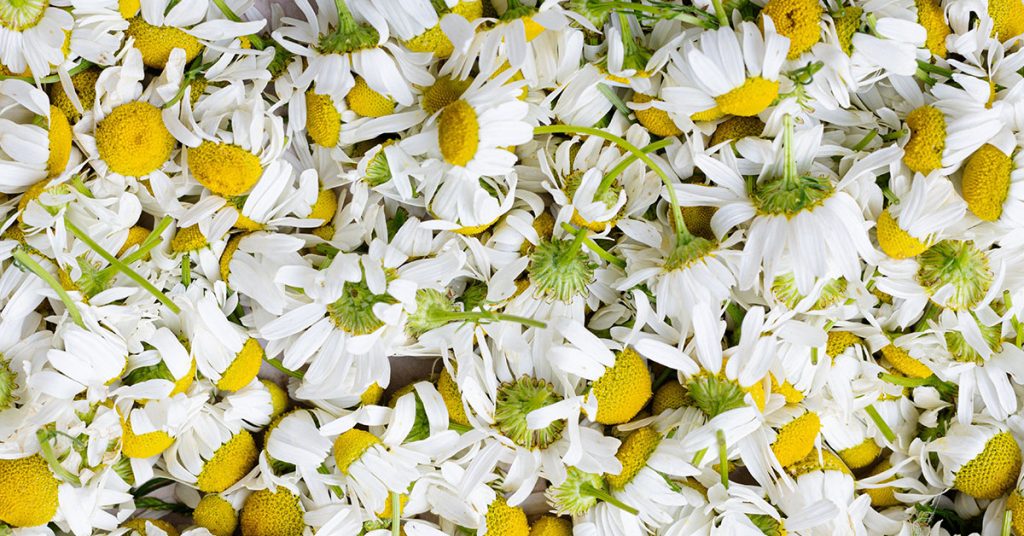
Chamomile is a gentle, soothing herb with delicate, daisy-like blossoms that lend a soft, calming essence to homemade soaps. Native to Europe and Western Asia, chamomile has been used for centuries to promote relaxation and skin healing, and it grows beautifully in sunny, well-drained gardens. It’s non-invasive, so you can enjoy its tender blooms without fear of it overrunning your space.
In my garden, chamomile is a constant reminder of nature’s subtle beauty—it effortlessly attracts beneficial insects like small bees and hoverflies that adore its soft, inviting flowers. I find it especially rewarding to harvest chamomile for soaps, as its calming aroma and natural healing properties bring a touch of serenity to every bar you create. Its delicate, evolving hues also add an understated visual charm that transforms any herbal collection into a sanctuary of wellness!
Lemongrass
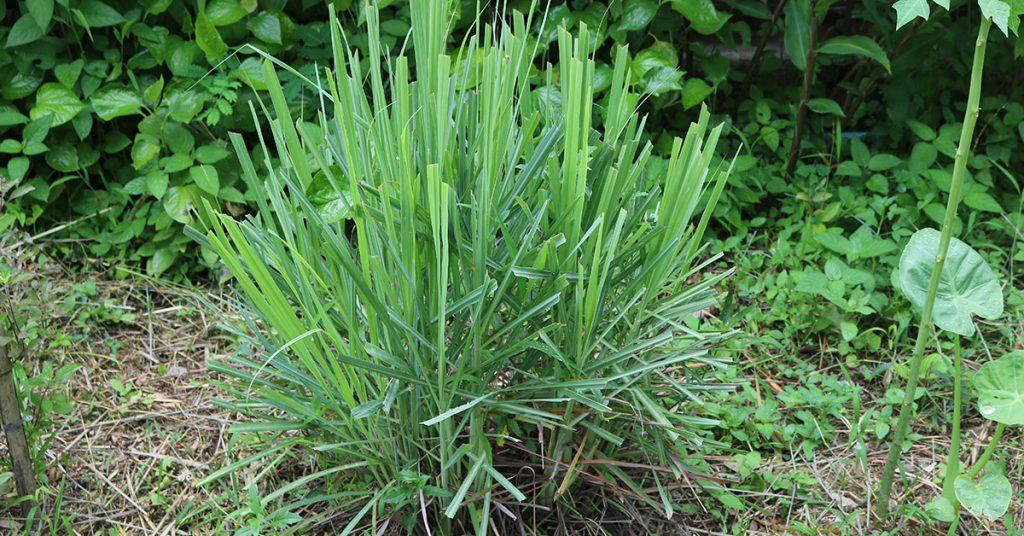
Lemongrass is a tropical herb celebrated for its citrusy aroma and bright, zesty flavor that can elevate your homemade soaps to a whole new level. Native to Southeast Asia, lemongrass thrives in warm, well-drained conditions and is ideal for container gardening, ensuring it stays perfectly contained and never becomes invasive. Its long, slender leaves exude a fresh, lemony scent that is both uplifting and naturally antibacterial.
I absolutely adore the way lemongrass enlivens my garden and my soap-making projects alike. The plant’s vigorous growth attracts a host of beneficial insects, particularly in sunny, humid conditions, where bees and butterflies come to revel in its refreshing fragrance. Whether you’re using its essential oil or dried leaves, lemongrass brings a burst of energy and brightness to your creations—a true testament to the herb’s dynamic character and tropical charm!
Thyme
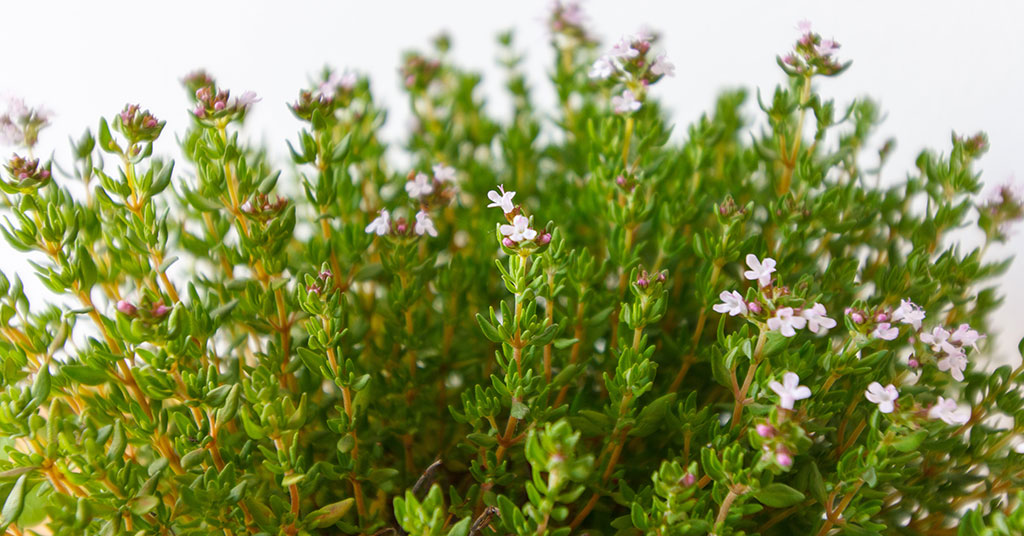
Thyme is a small yet mighty herb that adds a burst of earthiness and robust flavor to your homemade soaps. Native to the Mediterranean region, thyme flourishes in sun-drenched, well-drained soils and is known for its non-invasive, clumping growth habit—making it perfect for both garden borders and container setups. Its tiny, star-shaped flowers often change subtly in hue as they bloom, adding an extra layer of visual interest.
In my garden, thyme is a veritable magnet for bees and other beneficial insects, which find its nectar irresistible. I appreciate how its modest size belies its powerful aroma and healing properties, making it an indispensable ingredient in many soap recipes. Its ability to thrive in challenging conditions while still offering a dynamic display of color and scent makes thyme a cherished staple for any gardener passionate about natural beauty and wellness!
Sage
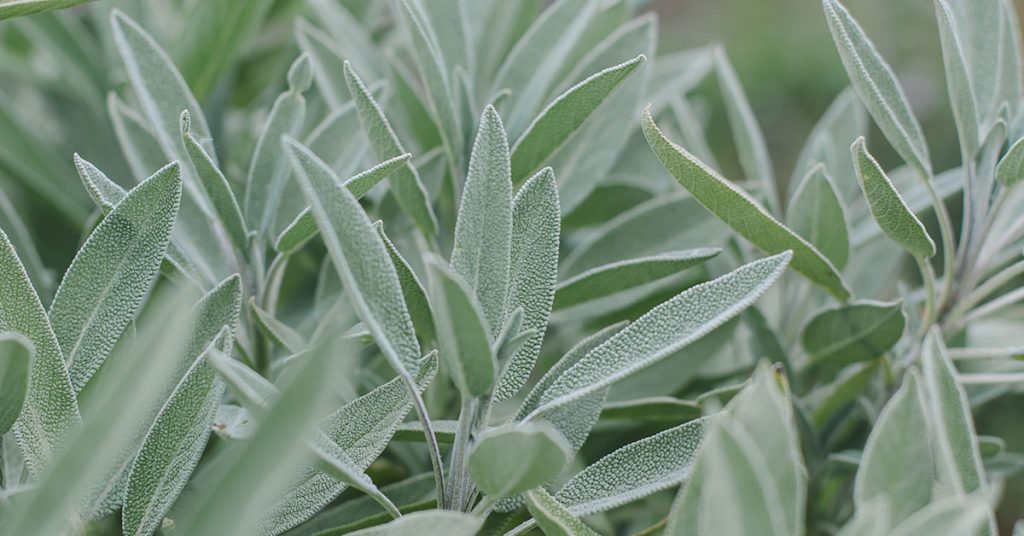
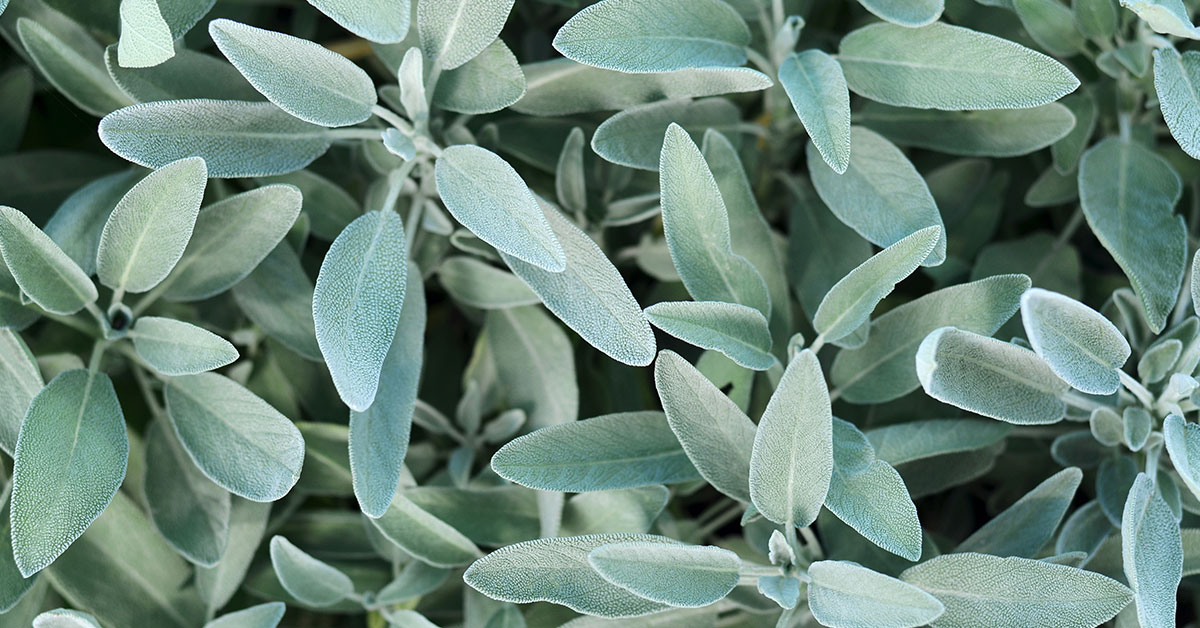
Sage is an aromatic herb that not only enhances your homemade soaps with its earthy, herbal fragrance but also offers a wealth of culinary and medicinal benefits. Native to the Mediterranean region, sage thrives in full sun and well-drained soil, and its non-invasive nature means you can confidently grow it in both gardens and containers. Its velvety leaves and occasional purple or blue flowers create a pleasing contrast against the backdrop of green, adding a touch of rustic charm.
In my own garden, sage is a true multi-tasker—it not only enriches my soaps with a deep, herbaceous aroma but also attracts a variety of beneficial insects, including bees that find its nectar particularly enticing. I often notice tiny critters taking shelter among its dense foliage, which adds to the overall vibrancy and balance of my outdoor space. Sage’s robust character and dynamic fragrance make every harvest a delightful experience, both in the kitchen and the soap-making studio!
Lemon Balm
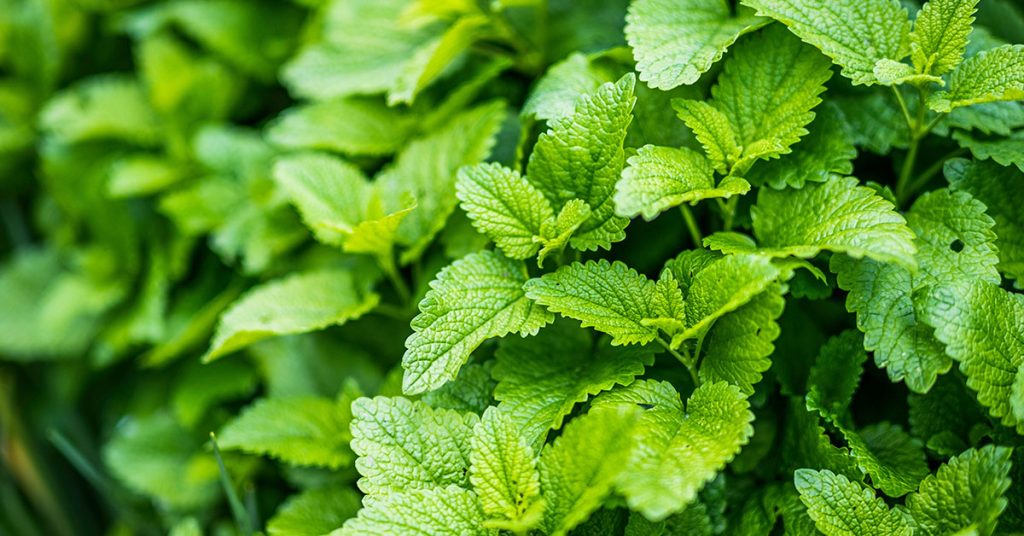
Lemon Balm is a wonderfully uplifting herb that infuses your homemade soaps with a gentle, citrusy note, perfect for a refreshing cleanse. Native to Europe and the Mediterranean, this member of the mint family grows easily in well-drained soil and is non-invasive when cultivated in gardens or containers. Its soft, lemon-scented leaves and delicate white or pale yellow flowers are a natural treat for both the eyes and the nose.
In my garden, Lemon Balm is like a burst of sunshine on a cloudy day—its refreshing aroma not only enlivens my soap recipes but also attracts a host of beneficial insects such as bees and butterflies. I love observing these little visitors, who often use the herb’s lush foliage as a temporary nesting spot during warm afternoons. Lemon Balm’s vibrant energy and natural charm make it a delightful addition to any herbal collection, promising both beauty and an invigorating scent for your handmade creations!
Eucalyptus
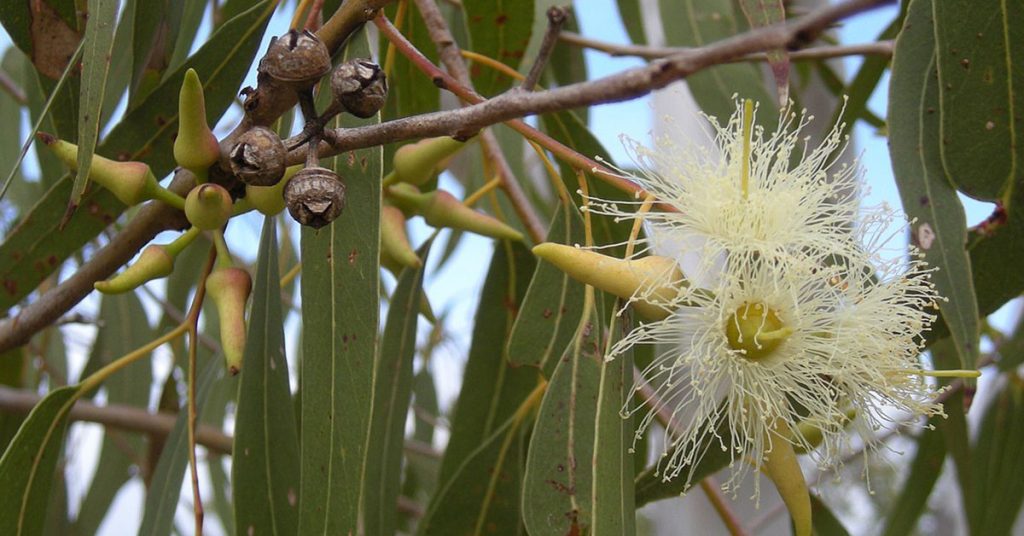
Eucalyptus is a fascinating herb that brings a burst of invigorating, antiseptic fragrance to your homemade soaps, offering a touch of the exotic in every bar! Native to Australia, eucalyptus is prized for its aromatic leaves and powerful essential oils, which have been used for centuries in natural remedies. Although it has a vigorous growth habit, dwarf varieties grown in containers remain non-invasive and perfectly manageable in small gardens.
In my outdoor space, eucalyptus is a standout feature, its silvery-green leaves and distinctive aroma creating a calming yet refreshing atmosphere. It attracts a variety of beneficial insects, and I’ve even noticed that some small pollinators are drawn to the gentle rustling of its leaves on a breezy day. The bold, natural scent of eucalyptus not only enriches your soap-making but also transforms your garden into a mini oasis of tranquility and natural wellness!
Basil
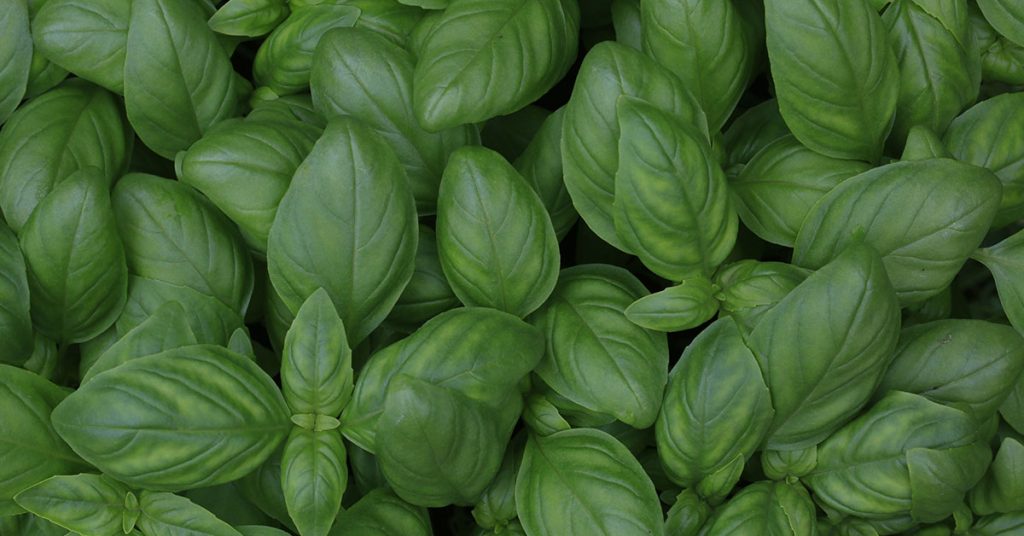
Basil is a beloved herb that brings a burst of sweet, aromatic flavor to homemade soaps, making it a delightful choice for any garden enthusiast! Native to tropical regions of Asia, basil thrives in warm, sunny environments and is non-invasive when grown in containers or well-managed beds. Its lush, green leaves and occasional white or purple flowers create a striking visual that complements its irresistible fragrance perfectly.
In my own garden, basil is a constant source of inspiration—it not only enriches my culinary creations but also transforms my soaps with its natural, invigorating scent. Its blossoms attract a variety of beneficial insects, particularly bees that enjoy the nectar hidden among the leaves, and sometimes even small butterflies find a perch on its tender stems. Growing basil feels like nurturing a little piece of sunshine, and every harvest infuses my homemade products with warmth and vitality!
Marjoram
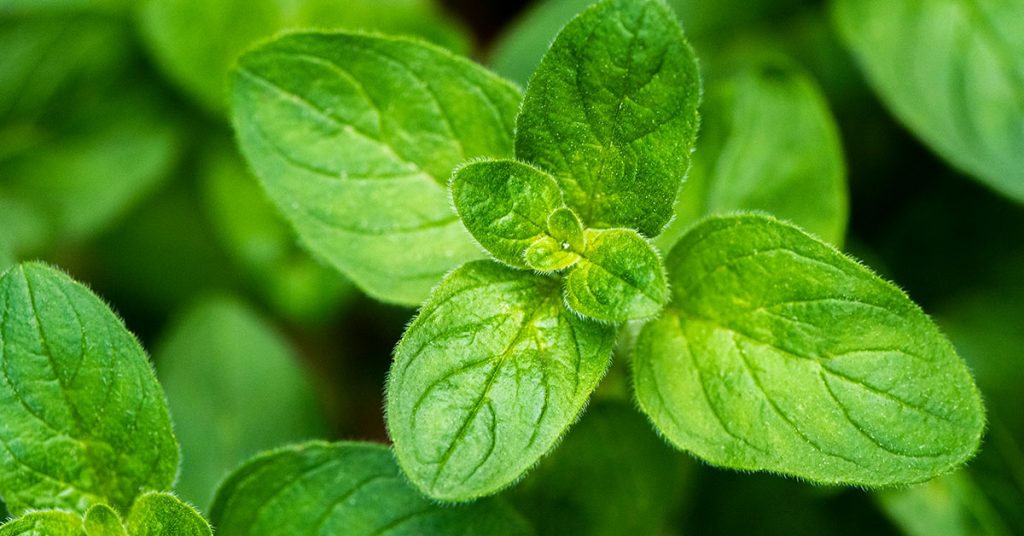
Marjoram is a subtly sweet herb that lends a warm, nuanced aroma to homemade soaps, adding a touch of sophistication to your natural creations. Native to the Mediterranean region, marjoram thrives in well-drained, sunny locations and is prized for its delicate, non-invasive growth habit. Its soft, rounded leaves and occasional tiny white to pale pink flowers create a gentle, inviting display that perfectly complements its culinary and cosmetic uses.
In my garden, marjoram is a hidden gem—its understated beauty attracts a host of beneficial insects, including bees and small flies that help pollinate nearby plants. I enjoy watching how its tender foliage provides miniature nooks where tiny critters can find shelter, contributing to a balanced garden ecosystem. Marjoram’s mellow yet enchanting fragrance makes every homemade soap feel like a luxurious treat, elevating everyday routines into moments of pure botanical bliss!
Lemon Verbena
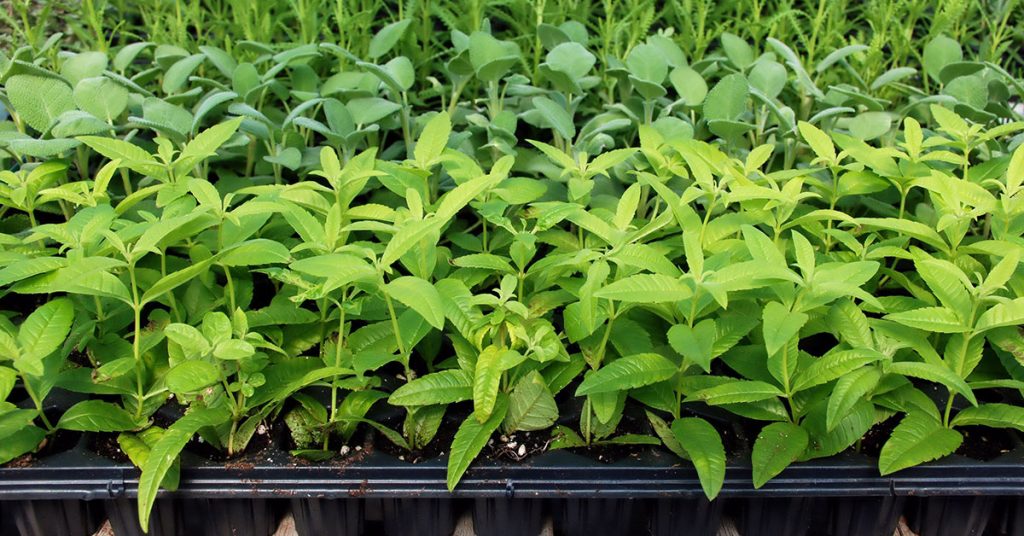
Lemon Verbena is an exotic herb celebrated for its intense lemony aroma and delicate, finely divided leaves that bring an unparalleled freshness to homemade soaps. Native to South America but widely naturalized in warmer climates, Lemon Verbena thrives in full sun and well-drained soils, and it’s non-invasive when properly managed in garden containers. Its bright, refreshing scent is truly a standout, making it an essential ingredient for those looking to craft invigorating, all-natural products.
In my garden, Lemon Verbena is an absolute showstopper—its crisp, citrus fragrance attracts an array of buzzing bees and fluttering butterflies, all of which seem to revel in its vibrant energy. I find it utterly enchanting how this herb transforms my outdoor space into a lively, aromatic haven, where even the smallest details contribute to a sense of renewal and inspiration. Incorporating Lemon Verbena into your homemade soaps not only delivers a potent burst of freshness but also infuses every creation with the spirit of sunlit summer days!