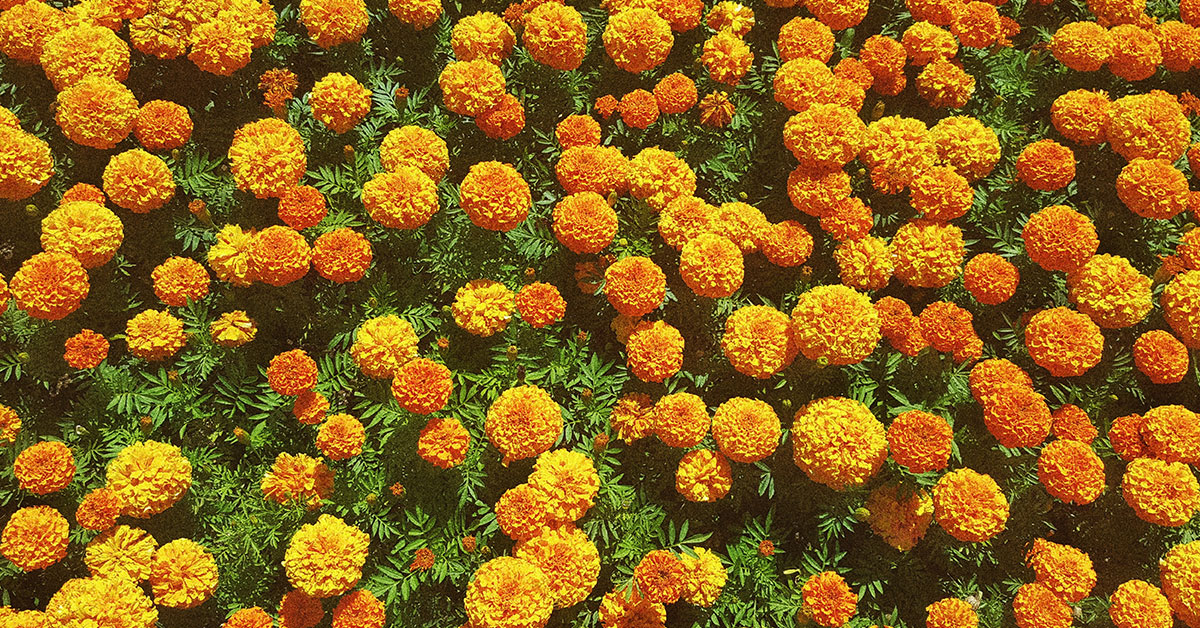

There’s something undeniably uplifting about pockets of vibrant orange lighting up a cool, crisp autumn landscape! I know how disheartening it can feel when your summer blooms fade and the garden turns to subdued tones—but planting bold orange flowers ensures your beds stay ablaze with color well into the season. As a gardener who’s learned that fall can be just as spectacular as spring, I’m thrilled to share these fiery favorites that thrive when the days shorten and temperatures dip.
Beyond their show-stopping hues, each of these plants brings ecological benefits—luring in pollinators, providing habitat for nesting insects, and sometimes even offering edible accents for seasonal dishes. We’ll delve into their native origins, any tendencies to wander beyond their bounds, and tips for keeping them happy. Let’s dive in and discover how to set your autumn garden aglow!
Gazania (Gazania rigens)
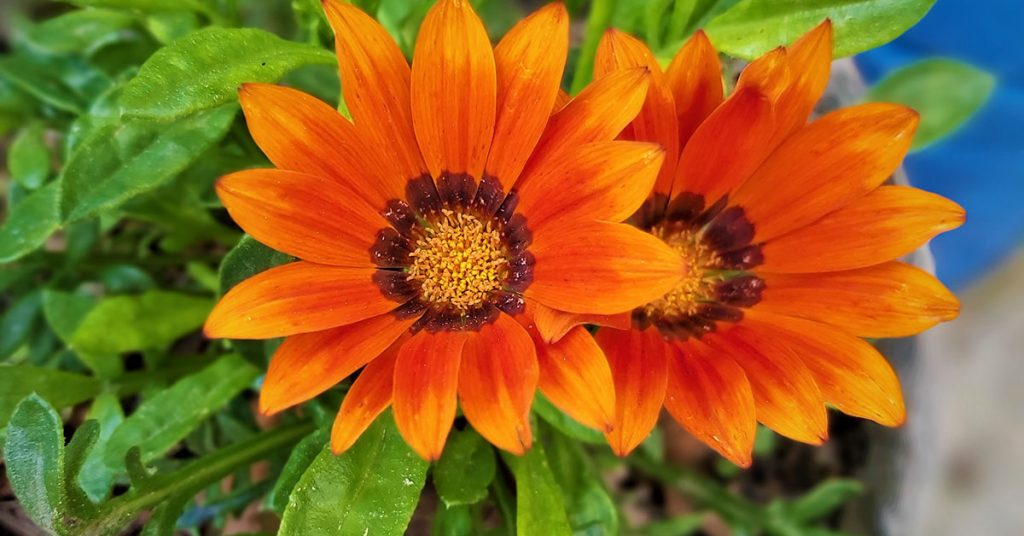
Gazania’s daisy-like blooms open each morning in sunshine, flaunting rich orange petals with contrasting bases that seem almost painted on! Native to South Africa’s sunny, dry grasslands, gazanias revel in full sun and well-drained soil, making them perfect for hot, exposed beds and containers. They’re not invasive in most climates, though in frost-free regions they may self-seed sparingly.
These low-growing plants form neat mats, and their bright flowers attract a flurry of bees and hoverflies throughout fall. Ground-nesting bees often take advantage of the sunny patches between gazania clumps, excavating small cavities in the warm soil. If you live where frost arrives late, you’ll be treated to weeks of fiery color before the first freeze!
Chrysanthemum (Chrysanthemum × morifolium)
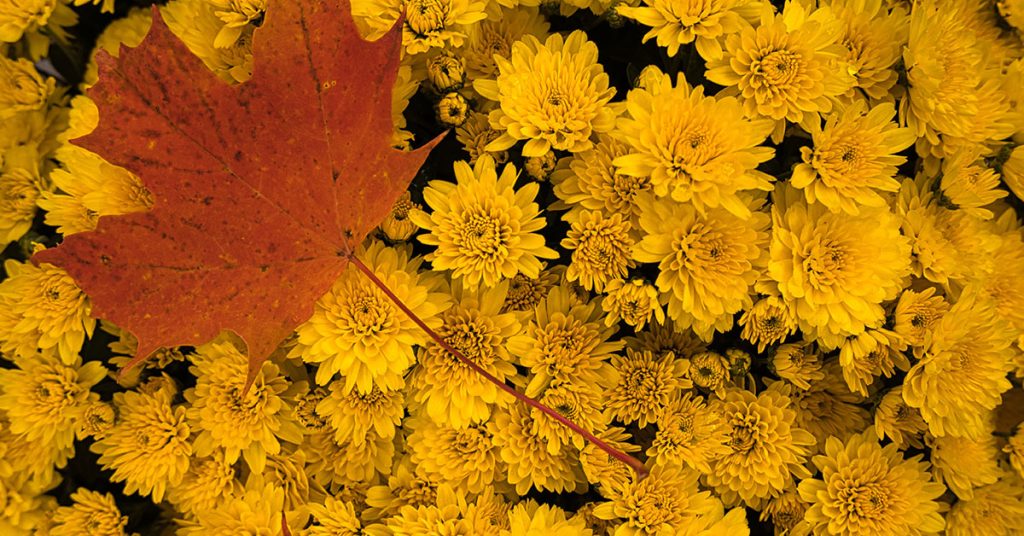
Nothing says autumn quite like the classic garden mum! Chrysanthemums, native to East Asia, were cultivated in China over 2,500 years ago for tea and medicinal uses, so they carry both beauty and heritage. Modern garden varieties come in endless orange shades—from soft apricot to deep tangerine—and are generally well-behaved, with little risk of spreading beyond your garden beds.
As the weather cools, mums burst into bloom when many other perennials are winding down, creating a pollinator waypoint in fall. Bumblebees and honeybees often visit the dense flower heads for late-season nectar, and I’ve even spotted small solitary bees nesting in nooks beneath the plant’s foliage. For best display, pinch back new shoots in midsummer to encourage fuller, bushier plants packed with blossoms!
Dahlia ‘Orange King’ (Dahlia pinnata)
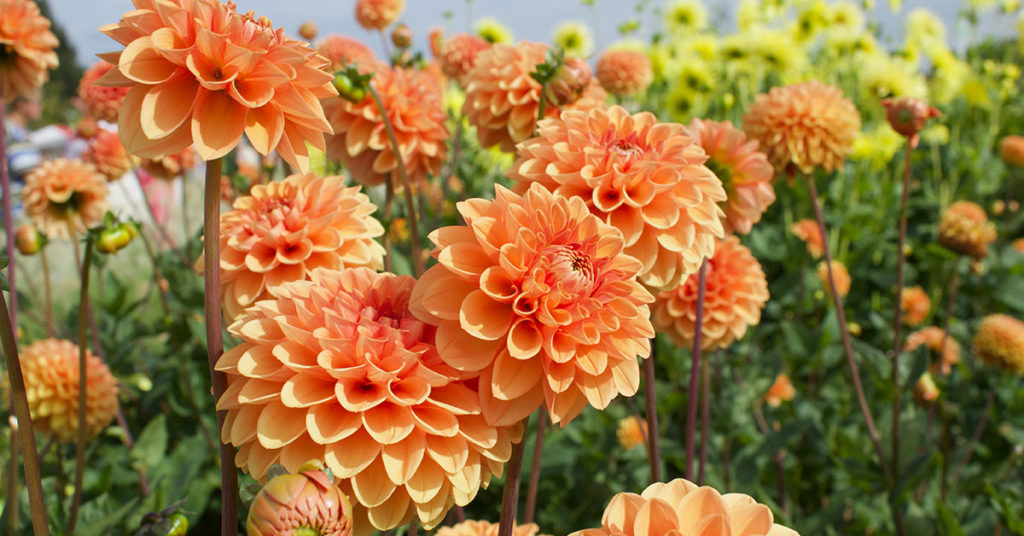
Dahlias never fail to amaze me with their architectural blooms—and the fiery orange cultivars feel like miniature suns in the garden! Native to Mexico and Central America, dahlias are tuberous perennials that will fill your beds with color until frost. While they aren’t invasive, lift and store tubers in colder regions to protect them through winter.
Their large, nectar-rich flower heads draw an array of pollinators—especially butterflies and bumblebees—while the lush foliage offers shelter for ground-dwelling insects. You might even glimpse tiny spiders building webs between the stems! Stake taller varieties to keep stems upright, and deadhead spent blooms to coax even more flowers before the season ends.
Calendula (Calendula officinalis)

Also known as pot marigold, calendula brightens both garden beds and culinary creations with its edible petals. Originally from southern Europe, this hardy annual thrives in full sun to light shade and tolerates a range of soils. It self-seeds modestly but rarely becomes weedy, making it a reliable favorite for fall color.
Calendula’s daisy-like blooms attract hoverflies—voracious aphid predators—and bees that nest in nearby bare patches. I love scattering seeds in late summer for a flush of orange and gold blooms merging into early frost. Harvest petals as blooms open to preserve their vibrant color for salads or infused oils that soothe winter ailments!
Mexican Sunflower (Tithonia rotundifolia)

It’s such a thrill to watch Tithonia’s bold orange-red blooms atop sturdy stalks! Native to Mexico and Central America, this tender annual grows quickly from seed sown in spring or early summer, ensuring spectacular late-season color. While it won’t invade perennial beds, it self-seeds freely, so collect spent blooms if you want to control volunteers.
Tithonia is a magnet for butterflies—monarchs, swallowtails, and fritillaries flock to its nectar-rich flowers! Hummingbirds often join the party, hovering to sip each tubular bloom. Ground-nesting bees take advantage of the warm, loose soil in and around the tall stalks, turning your tithonia patch into a bustling pollinator hub.
Rudbeckia triloba (Brown-eyed Susan)
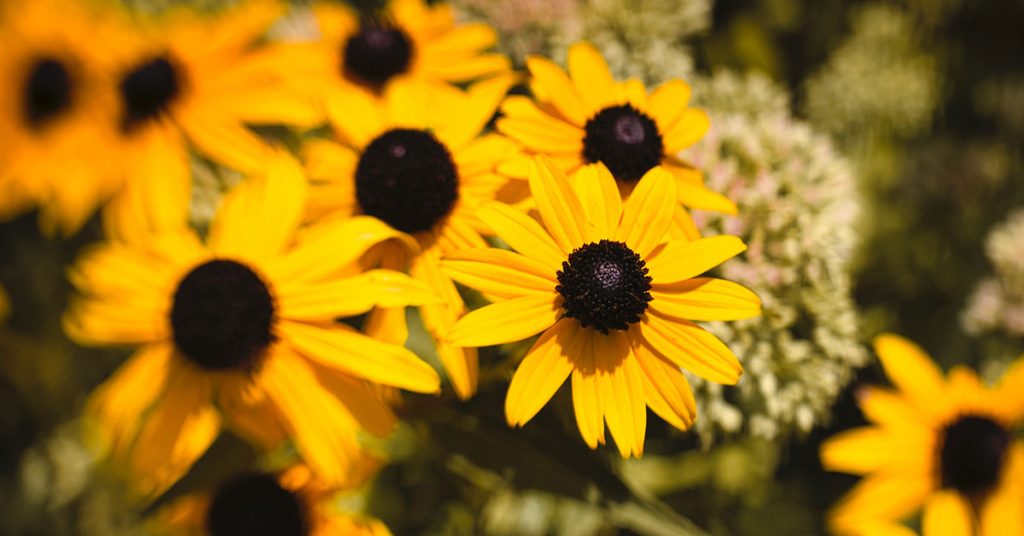
With clusters of small, daisy-like orange petals and dark centers, Rudbeckia triloba extends its bloom from mid-summer well into fall. Native to the central United States, this perennial forms loose colonies via short rhizomes but usually stays confined to its designated site. Its airy habit adds delightful movement to garden borders.
Butterflies and bees feast on the abundant nectar, and goldfinches often linger at seedheads later in the season, making nests nearby in dense shrubs. I find the delicate trifoliate leaves provide an inviting ramp for small ground-nesting bees to excavate their burrows. Deadheading encourages more blooms, but leaving some seedheads gives wildlife a snack when other resources wane!
Helenium ‘Sahin’s Early Flowerer’ (Sneezeweed)
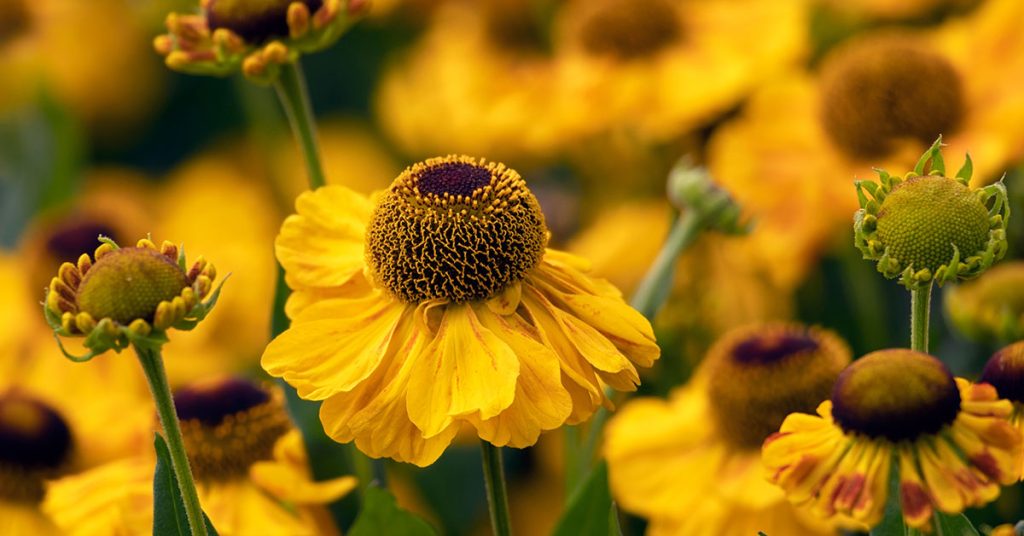
Don’t let the name fool you—sneezeweed is a garden gem, especially in autumn! Native to North America, species of Helenium boast vibrant orange to coppery blooms perched atop sturdy stems. They prefer moist, fertile soils in full sun and are noninvasive clump-formers, so they’ll stay where you plant them.
In late summer and fall, heleniums draw a parade of bees, hoverflies, and emerging late-season butterflies. Some bumblebee queens even nest in abandoned rodent burrows beneath plants, taking advantage of the loose soil. Cutting back spent flower stalks can prolong the show, while a midseason feed ensures robust flowering into cooler weather!
African Marigold (Tagetes erecta)

African marigolds bring bold, pom-pon blooms in blazing orange, and they’re incredibly easy to grow from seed. Hailing from Mexico and Central America, these annuals relish full sun and well-drained soil. They generally self-seed minimally, so you won’t battle runaway volunteers.
Their strong fragrance can repel certain garden pests, and the flowers attract beneficial insects like lacewings and hoverflies. Ground-nesting bees may carve out small nests in the warm earth around sturdy stems. Deadhead regularly to sustain new blooms, and you’ll have continuous color until frost.
Montauk Daisy (Nipponanthemum nipponicum)

Also called the Nippon daisy, this hardy perennial sports pure orange buds opening into cheerful daisy-like flowers in late fall—an absolute treasure when much else has faded! Native to Japan’s coastal dunes, it tolerates poor, sandy soils and is nonaggressive, forming tidy mounds that rebloom under cool, bright conditions.
Despite coastal origins, Montauk daisies adapt beautifully inland. Their nectar-rich blooms attract bumblebees and honeybees seeking late-season forage, and I’ve even seen small butterflies fluttering around in mild autumn weather. Trim back old growth in early spring to rejuvenate plants for a dazzling fall encore!
Cosmos sulphureus (Sulphur Cosmos)

Cosmos sulphureus, with its cup-shaped orange to flame-red flowers, looks like embers glowing in the breeze. Native to Mexico and Central America, this annual thrives in lean, well-drained soil and full sun. It self-seeds, but you can easily pull stray seedlings or collect seeds for next year.
Throughout fall, cosmos bloomed into a frenzy of insects—hoverflies, bees, and even tiny parasitic wasps that help control caterpillar pests. Their airy foliage provides cover for ground-nesting bees, and I love leaving a few seedheads standing for birds to snack on later. Deadheading spent blooms keeps the display going strong until frost nips the petals!