
August can feel like a sprint to the finish line of your growing season—after months of watering, weeding, and watching for pests, you’re eager for a bountiful harvest in September! It’s such a bummer when late-season diseases or nutrient deficiencies nip your progress just as fruits begin to swell. I know how frustrating it is to see spent blooms or drooping leaves when you’ve invested so much love in your plants. That’s why a well-timed round of pruning and feeding can make all the difference, redirecting energy into ripening produce and strengthening vines before cooler nights arrive.
In the following tips, I’m excited to share ten targeted practices—from clipping tomato suckers to side-dressing brassicas—that will turbocharge your garden’s final push. We’ll explore each crop’s origins (think the wild ancestors of your juicy tomatoes in the Andes!) and note invasiveness concerns, plus highlight the beneficial wildlife interactions you’ll encourage—everything from bumblebees nesting near pruned basil to earthworms thriving in freshly composted beds. Let’s dive in and get your garden humming toward a bumper September haul!
Clip Tomato Suckers to Focus Energy
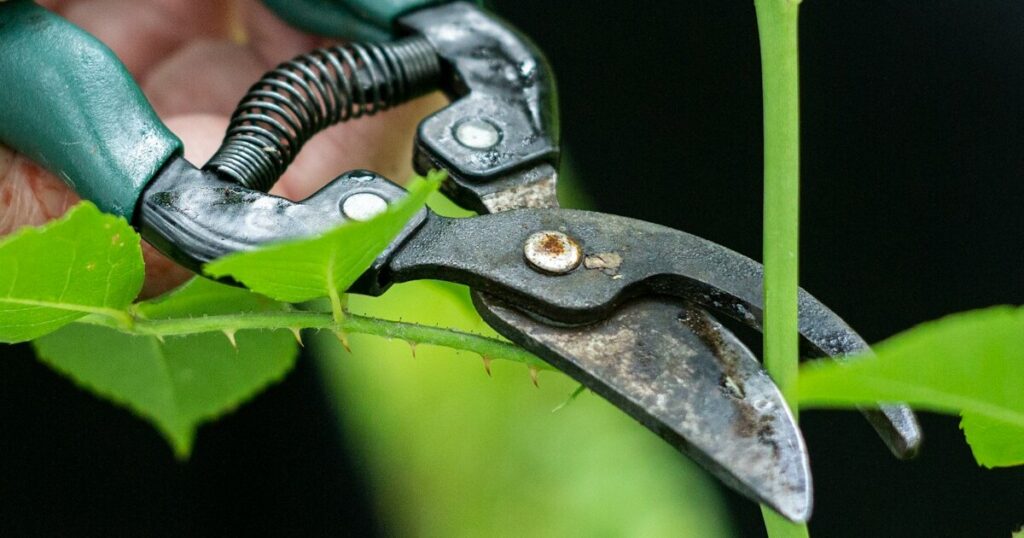
Tomato plants (Solanum lycopersicum), native to the western regions of South America, aren’t known to be invasive in most gardens—but they do channel nutrients into every new sucker they sprout. By snipping off those side shoots emerging from leaf axils in early to mid-August, you redirect the plant’s energy into enlarging existing fruit clusters. I love watching my beefsteaks plump up beautifully once I’ve removed the extra foliage!
This pruning also improves air circulation, reducing the risk of late-season blights. While you’re at it, admire the tiny bumblebees buzzing around any remaining flowers—these gentle giants often nest in soft soil at the garden’s edge and relish access to fresh blooms. Just be sure to sanitize your shears between plants to prevent disease spread!
Side-Dress Peppers with Balanced Compost
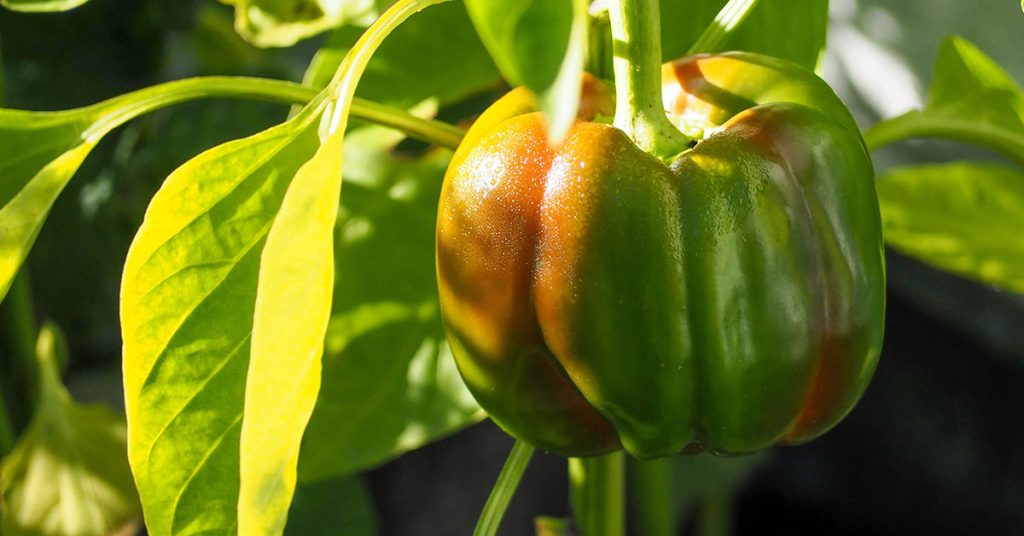
Bell and hot peppers (Capsicum annuum), originally from Mexico and Central America, rarely escape cultivation, but they benefit enormously from a mid-August nutrient boost. Work a two-inch layer of well-aged compost around the drip line of each plant, then gently fork it in to avoid disturbing roots. This slow-release feeding sustains steady growth as temperatures begin to wane.
Peppers produce small white flowers even late in the season, attracting hoverflies that prey on aphids and tiny ground-nesting bees seeking warm soil for their burrows. That beneficial insect activity helps keep pests in check without chemicals! After feeding, water thoroughly to help compost nutrients leach into the root zone.
Deadhead Zucchini and Summer Squash Blossoms
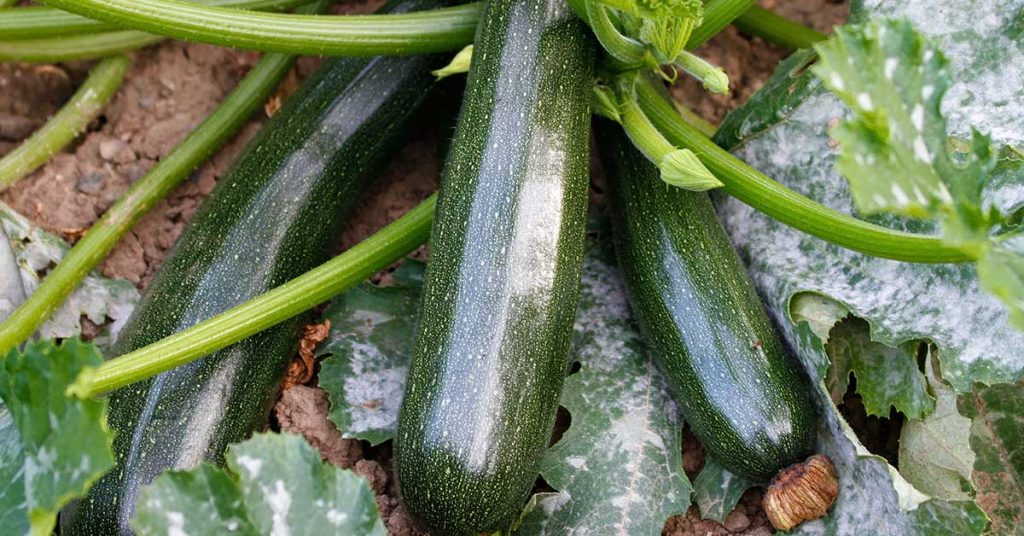
Zucchini (Cucurbita pepo) hails from Central America and isn’t invasive—its vine spread is easy to contain with regular harvesting and pruning. By mid-August, you may notice spent male blossoms and a few wilted female blooms that won’t set fruit. Remove these to encourage the plant to produce fresh flowers and prolong fruiting into September.
This simple prune frees the plant to send resources to new buds, and it keeps pollinators—especially squash bees—visiting your garden. These specialist bees often nest in sunny, bare patches near squash plants, so maintaining open ground around the vines supports their life cycle while boosting pollination!
Thin Fall-Bound Fruit on Apple Trees

If you have late-season apples or pears (both Pyrus species native to Europe and Asia), thinning excess young fruits in August can result in larger, juicier specimens in September. Remove clusters so that remaining fruits sit six inches apart, gently cutting stems with clean pruners. While these trees aren’t invasive in cultivated orchards, escaped seedlings can pop up in wood edges, so be sure to compost or discard thinned fruits responsibly.
Thinning also promotes stronger branch structure, preventing limb breakage under heavy fruit loads. You’ll notice increased visits from mason bees that often nest in pre-drilled tubes or hollow twigs nearby—those solitary pollinators thrive when orchards offer plentiful blossoms and room to nest!
Prune Basil for Bushier Harvests
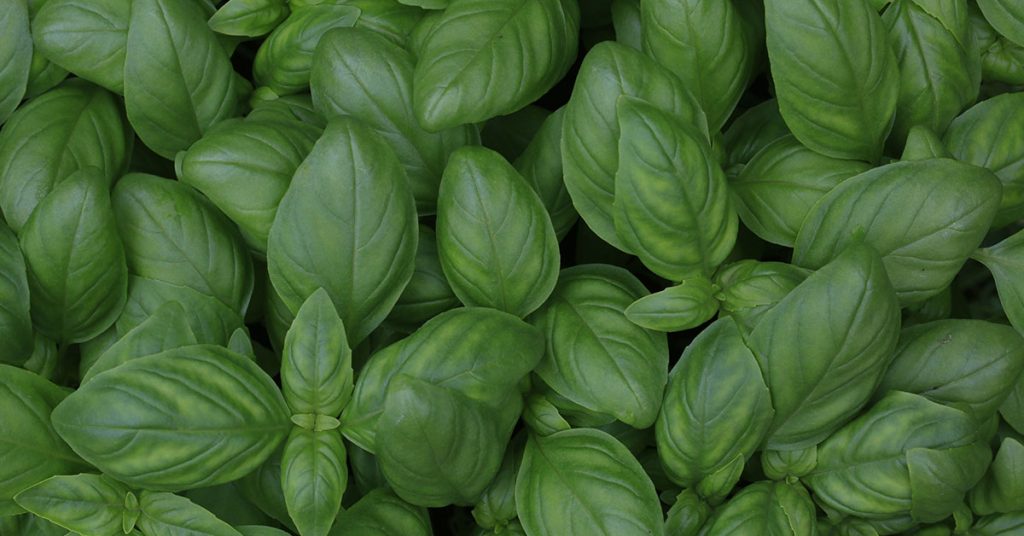
Ocimum basilicum, the beloved sweet basil native to tropical regions of central Africa and southeast Asia, can self-seed in warm climates but rarely becomes invasive in temperate gardens. In August, pinch back the top pairs of leaves just above a leaf node to stimulate new side shoots and delay flowering. This encourages a lush, bushy plant loaded with fragrant leaves for pesto and salads.
While you prune, admire honeybees and bumblebees feeding on stray basil blooms—they’ll sometimes nest in crevices of nearby stone walls or digging soft soil tunnels at the bed’s edge. Regular clipping keeps basil in vegetative mode, ensuring you don’t lose precious leaves to bolt-induced flowers!
Side-Dress Brassicas with Fish Emulsion
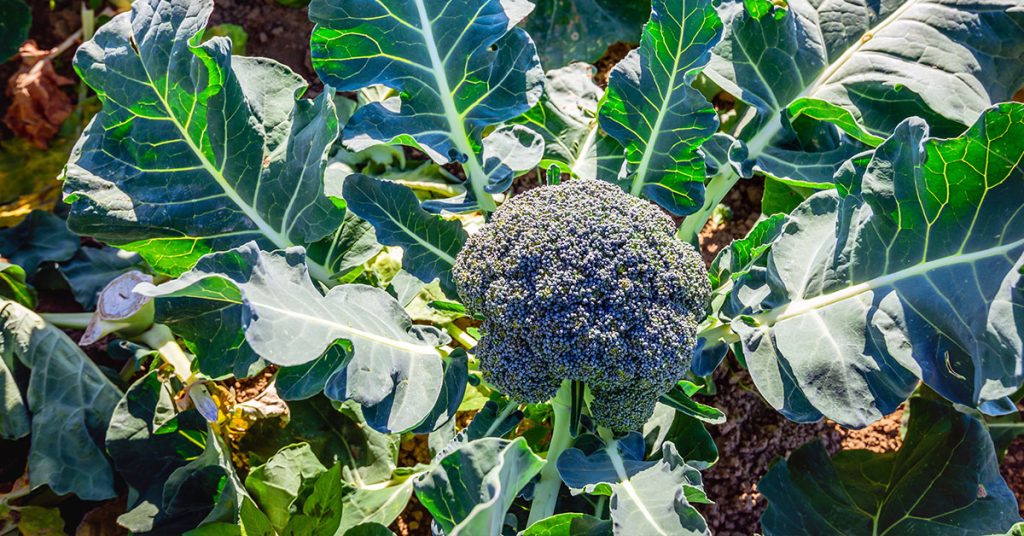
Broccoli, cabbage, and kale (Brassica species native to Europe and western Asia) thrive on a second helping of nitrogen in late summer. Apply a diluted fish emulsion around each plant’s base in early August, following label rates to prevent leaf burn. This quick-acting feed supports the vigorous leaf and head development crucial for a September harvest.
As your brassicas grow fuller, watch for hoverflies zipping around—they lay eggs near aphid colonies, and their larvae act as living pest control. You might also spot small ground-nesting wasps tucking into cracks beneath rocks bordering the bed, taking advantage of the sheltered environment your tidy brassica rows provide.
Remove Yellowing Leaves from Eggplants

Eggplants (Solanum melongena), native to India and Southeast Asia, are well-behaved in gardens but can succumb to foliar diseases if yellowed leaves linger. In August, selectively prune any yellow or spotted foliage close to the soil line—this reduces disease pressure and prevents further spread. Use sanitized pruners to avoid introducing pathogens.
This cleanup also exposes ripe purple fruits, making them easier to harvest and preventing rot. Watch for tiny sweat bees that often nest in exposed soil around eggplant rows; they appreciate foraging on the plant’s small white blooms while you work!
Apply Seaweed Extract as Foliar Feed

A foliar spray of kelp-based seaweed extract delivers trace minerals and plant hormones that enhance stress tolerance and fruit set. Suitable for tomatoes, peppers, and cucurbits, this spray—made from brown algae native to cold ocean waters—can be applied in mist form early in the morning on calm August days. It’s noninvasive and biodegradable, making it an eco-friendly boost.
Beneficial microbes flourish in leaf crevices treated this way, and you’ll see increased visits from predatory mites and lacewings that use sprayed foliage as hunting ground. Their tiny nests aren’t obvious, but the healthier ecosystem balance they bring pays off with fewer pests and sturdier crops.
Mulch with Nutrient-Rich Compost

A final top-dress of rich garden compost around all your vegetable and fruit beds in mid-August feeds soil life during the transition to cooler weather. Compost originates from countless native materials—leaves, kitchen scraps, and yard waste—and reharnesses natural nutrient cycles without introducing invasives. Spread a two-inch layer and gently fork in if heavy rainfall isn’t expected, or leave it as a protective mulch.
Earthworms will feast on this fresh organic matter, tunneling deeper and aerating soil in the process. You might even spot them on the surface after watering—always a joyful sign! Those tunnels improve root growth and drainage, setting the stage for vigorous September harvests.