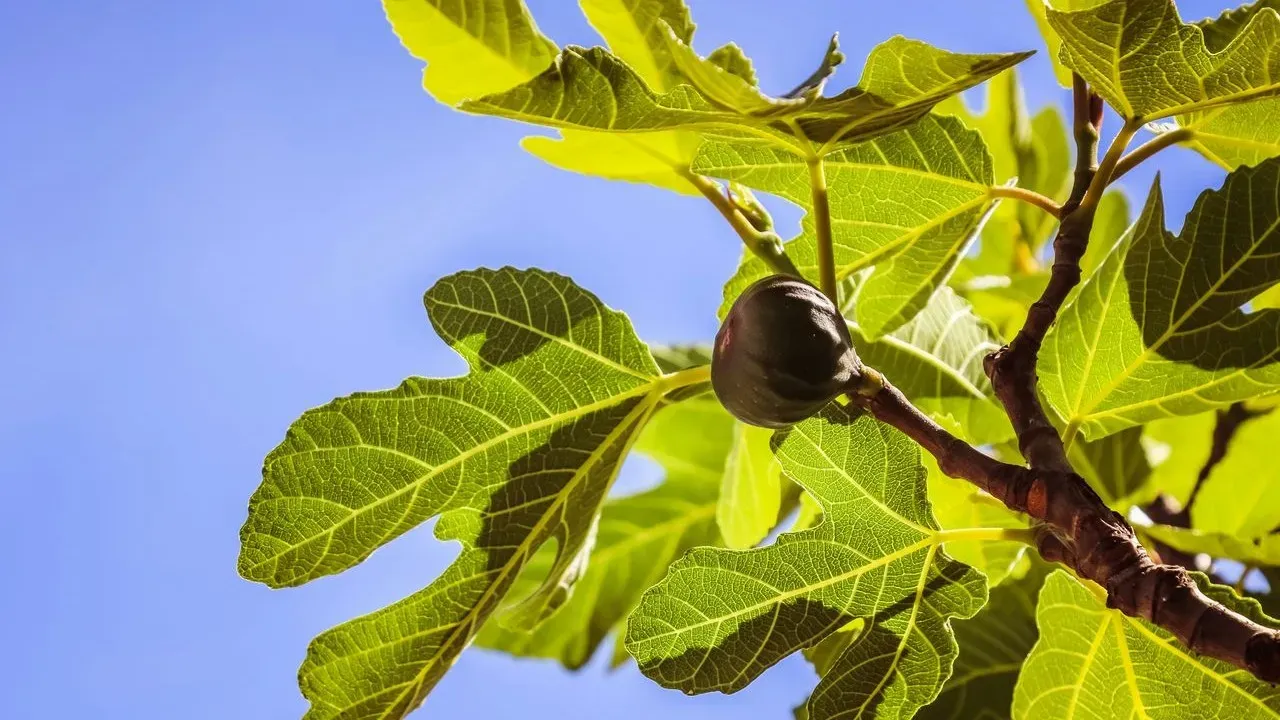

Growing figs at home delivers fresh, sweet fruit from trees that fit many yards. Ficus carica plants come in standard and miniature sizes and perform best in full sun. The difference between a reliable harvest and disappointing results often comes down to choosing a cultivar suited to local conditions.
Why the Wrong Choice Leads to Losses
Figs that split or spoil during ripening frustrate many new growers. These problems arise when a variety is not adapted to the temperature swings, humidity levels, or length of the growing season in a particular area. A cultivar that ripens well in a mild coastal climate may struggle in hotter inland zones or cooler northern regions. Selecting carefully reduces waste and protects the effort put into planting and watering. Home gardeners who match the tree to their setting see fewer cracked fruits and longer windows for picking. The result is a more consistent supply of usable produce from the same amount of space.
Size Options That Fit Different Yards
Standard fig trees can reach substantial heights and spreads, making them suitable for larger gardens or orchard-style plantings. Miniature forms stay compact enough for containers, patios, or smaller urban lots while still producing worthwhile crops. Both types share the same basic need for ample sunlight and well-drained soil. Gardeners with limited space often prefer the smaller selections because they remain manageable without heavy pruning. Larger trees reward those who have room and want higher yields once established. In either case, the cultivar’s ripening behavior must still align with the local climate to avoid the splitting and spoilage issues mentioned earlier.
Core Planting Requirements
Full sun exposure remains essential for strong growth and fruit development across all Ficus carica selections. A location that receives at least six to eight hours of direct light daily supports the best flavor and production. Soil that drains freely prevents root problems that can compound climate-related stresses. Watering should be consistent during establishment and fruit development, then tapered as the season progresses. Mulching helps retain moisture and moderate soil temperature. These straightforward steps, combined with the right cultivar, give the tree the best chance to deliver fruit that ripens evenly and holds up well.
Key considerations before planting: confirm the cultivar’s ripening window matches your frost dates and summer heat; decide between standard and miniature size based on available space; prepare a sunny, well-drained site in advance.
Home growers who invest a little time in variety selection avoid the most common setbacks and enjoy reliable harvests for years.
AI Disclaimer: This article was created with the assistance of AI tools and reviewed by a human editor.