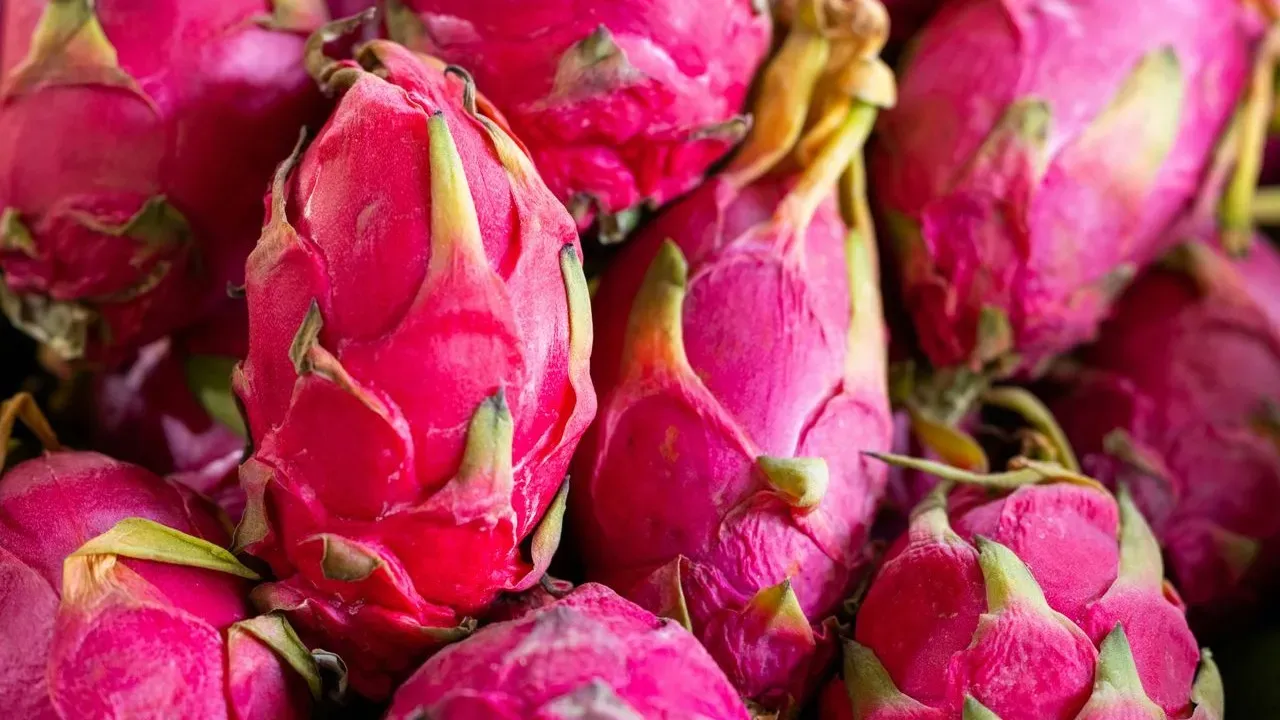

Dragon fruit, also known as pitaya, has long been a fixture in specialty produce sections. Yet many gardeners are discovering that this striking cactus can thrive in home settings with the right approach. The choice between small sweet yellow fruits and larger tangy red-fleshed types allows growers to match plants to both local conditions and personal preferences. This flexibility turns an exotic grocery item into a rewarding backyard project.
Why Home Cultivation Makes Sense
Dragon fruit plants are climbing cacti that produce striking flowers and edible fruit. They adapt well to containers or trellised beds in suitable climates. Home growers gain access to fresher harvests than what travels through commercial supply chains. The plants also add architectural interest to gardens with their unusual form and night-blooming flowers.
Success depends on matching the cultivar to available sunlight, temperature range, and desired flavor profile. Yellow-skinned types often deliver milder sweetness, while red-fleshed selections provide bolder tang. Both categories reward consistent care with repeated harvests once established.
Selecting Varieties by Flavor and Size
Gardeners frequently start with yellow varieties when they want compact, sweet fruit that ripens reliably. These smaller fruits suit smaller spaces and appeal to those who prefer a gentler taste. Red-fleshed options, by contrast, tend toward larger size and more pronounced acidity that works well in smoothies or desserts.
Intermediate selections exist between these two poles. They offer balanced flavor and moderate fruit size. Matching the plant to local growing conditions remains more important than chasing any single trait. Soil drainage, protection from frost, and support structures all influence which type performs best.
Practical Steps for First-Time Growers
Begin with a healthy cutting or nursery plant suited to the target climate zone. Provide a sturdy trellis or wall for the vining stems to climb. Water regularly during active growth but allow the soil to dry between sessions to prevent rot. Fertilize sparingly with a balanced formula during the growing season.
Monitor for common cactus pests and ensure adequate airflow around the stems. Fruit production typically begins within one to two years under favorable conditions. Patience during the establishment phase pays off with repeated cycles of blooms and harvest.
Looking Ahead to Your First Harvest
Once plants settle in, the reward comes in the form of homegrown fruit that never appears on store shelves. Experimenting with different types over time reveals which ones suit a particular garden best. Many growers find the process itself as satisfying as the eventual harvest.
AI Disclaimer: This article was created with the assistance of AI tools and reviewed by a human editor.