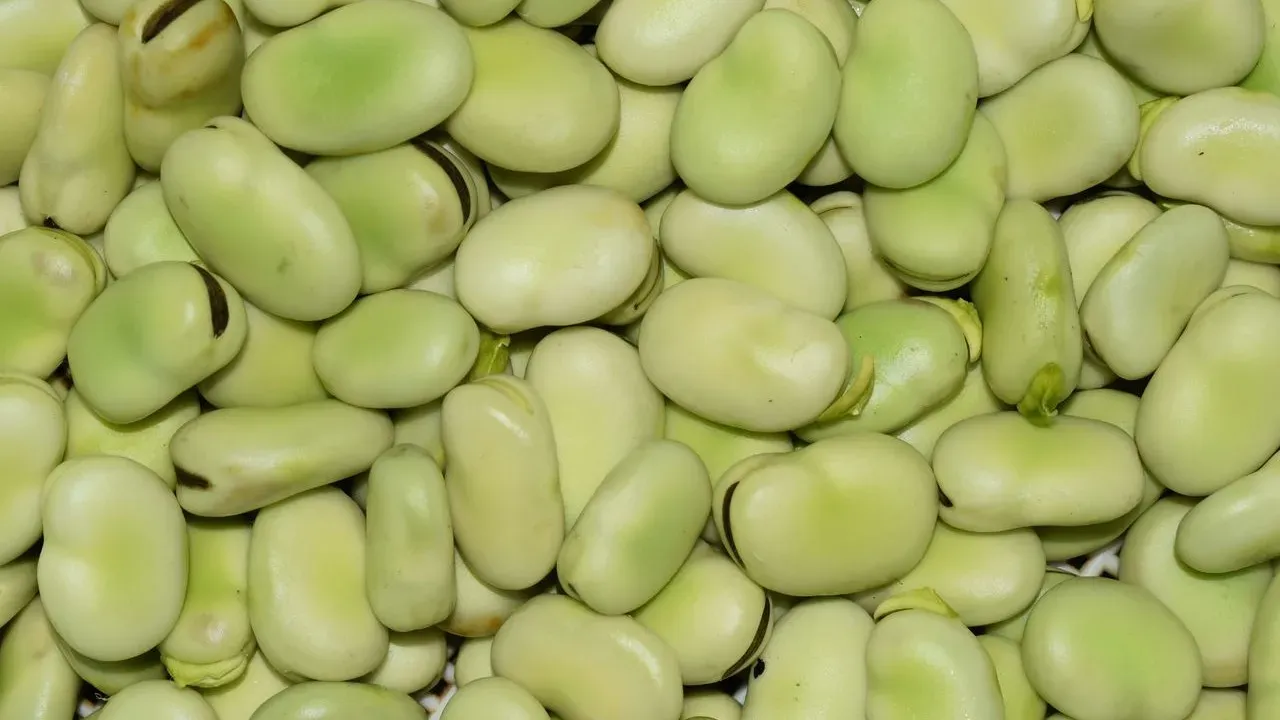

Gardeners seeking low-cost ways to enrich soil ahead of the next growing season have a practical option in bell beans. These small-seeded fava beans function as both an edible crop and a natural nitrogen source when used as a cover crop. The approach draws on established practices that turn a familiar vegetable into a soil-building tool planted in autumn. The method centers on timing and management rather than complex inputs. Bell beans fix atmospheric nitrogen through root nodules, storing it in plant tissue that later becomes available to subsequent crops. Cutting the plants at the right stage releases that nitrogen into the soil without additional purchases of synthetic fertilizers.
Why Fall Planting Matters for Soil Health
Fall offers a window when many garden beds would otherwise sit bare through winter. Planting bell beans during this period establishes cover that protects soil from erosion while actively building fertility. The plants grow through cooler months and reach peak nitrogen content before spring crops go in. Gardeners who adopt the practice reduce reliance on purchased amendments. The beans also produce a harvestable crop if pods are collected before the cover is terminated. This dual role distinguishes bell beans from many other cover crop choices that provide only soil benefits.
The Nitrogen-Fixing Process in Practice
Bell beans form symbiotic relationships with soil bacteria that convert nitrogen gas into forms plants can use. The resulting compounds accumulate in roots, stems, and leaves. When the cover crop is cut and left on the surface or lightly incorporated, microbes break down the material and make the nitrogen accessible to the next planting. Success depends on allowing the plants to reach flowering stage before termination. Earlier cutting limits nitrogen accumulation, while waiting too long risks the crop setting seed and becoming weedy. The window typically aligns with early spring in many regions, giving gardeners a clear signal based on plant development rather than calendar dates alone.
Practical Steps for Garden Integration
– Select a site with full sun and well-drained soil. – Sow seeds directly in fall at recommended spacing for the variety. – Monitor growth through winter for signs of establishment. – Cut plants at flowering and leave residue in place. – Follow with heavy-feeding vegetables such as tomatoes or corn the following season. These steps keep the process straightforward and align with standard garden calendars. The beans remain edible throughout, offering an additional return on the space used.
Broader Implications for Home Gardeners
Adopting bell beans as a cover crop supports more self-sufficient gardening systems. Reduced fertilizer purchases lower ongoing costs and limit external inputs. The practice also contributes to soil structure over multiple seasons as organic matter builds. Gardeners who track results often note improved plant vigor in beds that followed the cover crop. The approach fits both small urban plots and larger vegetable gardens, scaling without specialized equipment. Over time, consistent use can shift reliance away from commercial soil amendments toward on-site nutrient cycling. This fall offers a timely opportunity to test the method in beds that would otherwise remain unused. The combination of an edible harvest and measurable soil improvement provides a clear return for modest effort.
AI Disclaimer: This article was created with the assistance of AI tools and reviewed by a human editor.