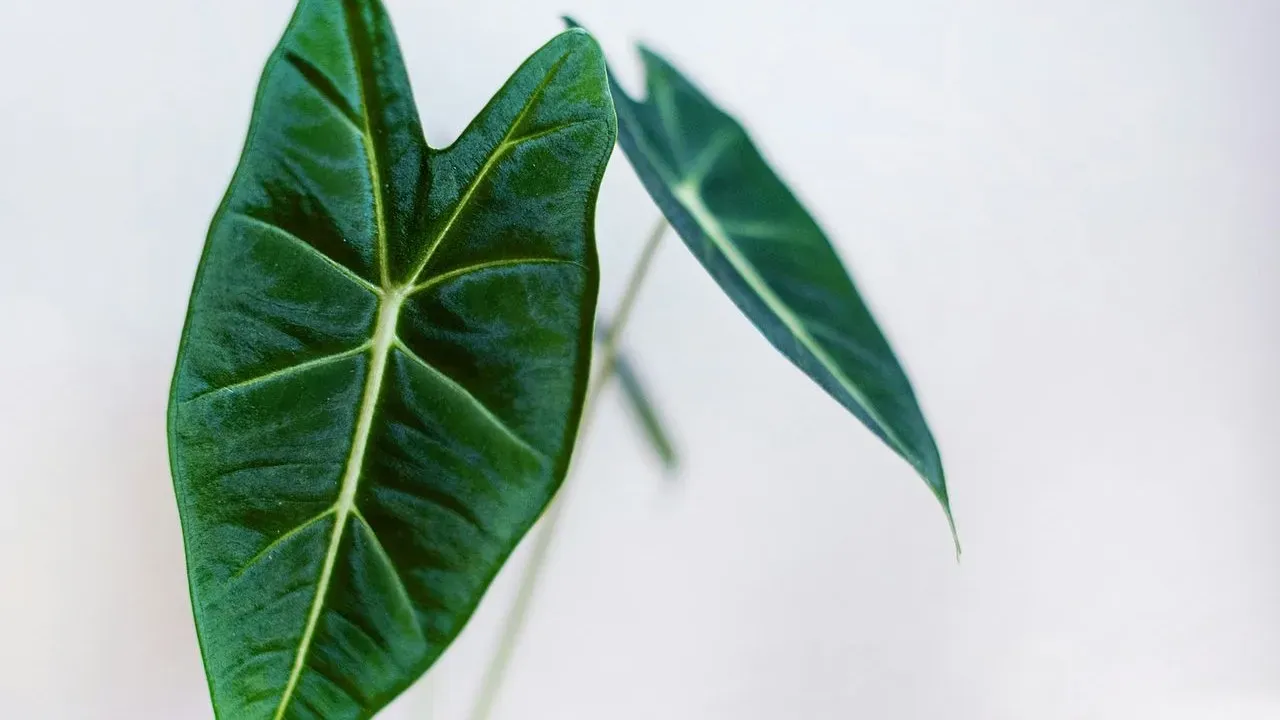

Houseplant enthusiasts continue to seek out foliage that stands apart from the usual green. Alocasia species deliver exactly that with leaves in velvety textures, metallic sheens, ridged surfaces, and bold stripes. These tropical plants have moved from specialty collections into more living rooms as people look for low-maintenance drama that fits smaller spaces. The original guide to their varieties highlights practical care that keeps them thriving indoors ([1]).
Leaf Textures That Catch the Eye
Alocasia foliage often feels almost artificial at first glance. Some varieties show a soft, velvet-like surface that absorbs light rather than reflecting it. Others carry a metallic cast that shifts with the angle of sunlight coming through a window. Ridged veins create depth and shadow, while striped patterns run in sharp contrast across the blade.
These traits make the plants conversation pieces without requiring constant attention. A single well-placed specimen can change the mood of a room. The variation across different types means growers can match leaf style to existing decor or light conditions. Many people start with one plant and find themselves adding more as the distinctive look becomes addictive.
Practical Care for Indoor Success
Alocasia plants prefer bright, indirect light that mimics the filtered sun of their native understory. Direct rays can scorch the leaves, while too little light slows growth and dulls the colors. Consistent moisture in the soil supports healthy roots, yet soggy conditions quickly lead to rot. A well-draining mix and pots with drainage holes solve most watering issues.
Humidity plays a larger role than many new growers expect. Regular misting or a pebble tray helps maintain the moist air these plants enjoy. Temperatures between 65 and 80 degrees Fahrenheit keep them comfortable year-round. Fertilizer applied at half strength during the growing season encourages steady leaf production without overwhelming the roots.
Common Challenges and Simple Fixes
Yellowing leaves often signal overwatering or poor drainage rather than a serious disease. Adjusting the watering schedule and checking the potting mix usually restores the plant within weeks. Brown edges typically trace back to low humidity or fluoride in tap water. Switching to distilled or rainwater and increasing ambient moisture resolves the problem.
Pests such as spider mites appear occasionally, especially in dry indoor air. Early detection through regular leaf inspection prevents widespread damage. Wiping leaves with a damp cloth removes dust and improves both appearance and photosynthesis. Repotting every couple of years refreshes the soil and gives expanding roots room to grow.
Why These Plants Reward Patient Growers
Alocasia rewards attention with steady new leaves that showcase the same striking features. Each flush of growth brings fresh texture and color into the home. The plants also serve as quiet reminders of the tropics during colder months when outdoor gardening slows. Many owners describe the satisfaction of watching a once-small specimen fill out over time.
Success comes from matching the plant to the right spot rather than forcing ideal conditions everywhere. Those who succeed often find the distinctive foliage becomes a personal signature in their indoor garden. The effort stays modest compared with the visual payoff that lasts season after season.
AI Disclaimer: This article was created with the assistance of AI tools and reviewed by a human editor.