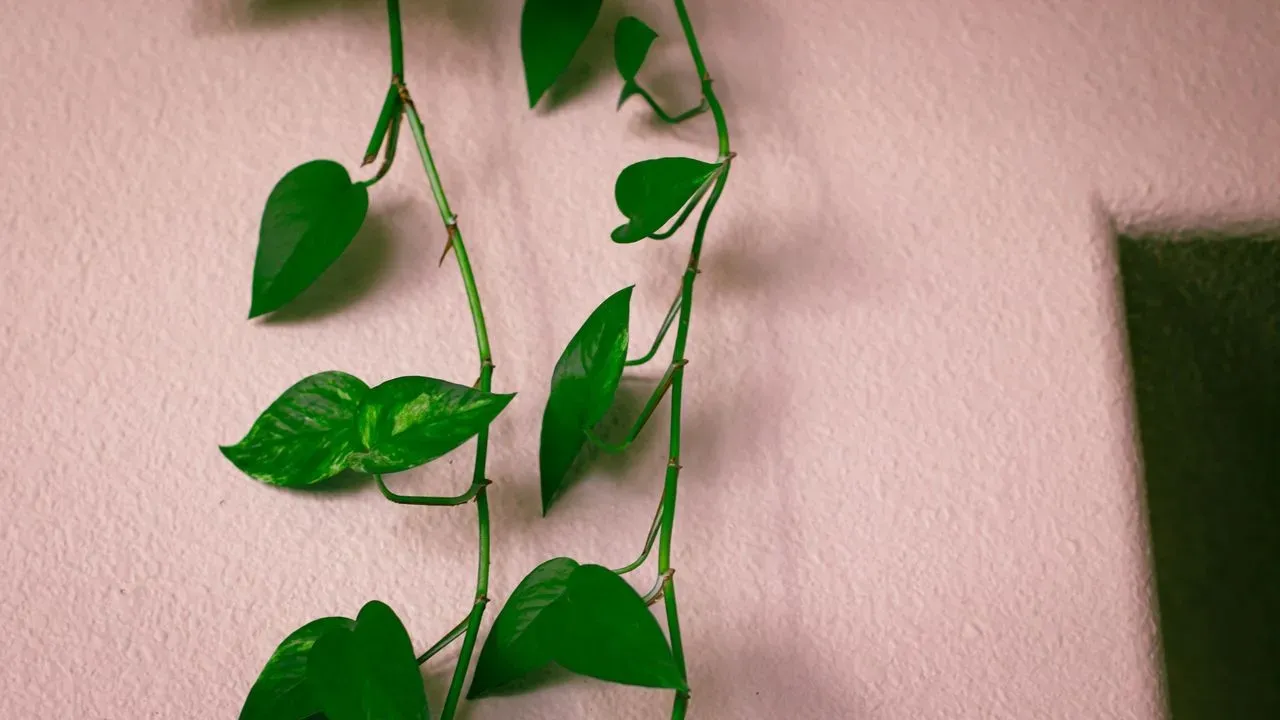

Indoor gardening continues to draw interest as homeowners look for simple ways to refresh living spaces with greenery. Pothos ranks among the most adaptable houseplants, thriving in varied light levels and requiring only occasional attention. Selecting companions that share its preferences for moisture, light, and soil creates displays that feel cohesive and remain easy to maintain over time.
Why Matching Conditions Matters
Pothos tolerates low to medium light and prefers soil that dries slightly between waterings. Plants with similar tolerances reduce the risk of one specimen suffering while another flourishes. This alignment simplifies routines and supports steadier growth across the entire arrangement. Consistent conditions also help limit pest issues and stress that can arise when plants with conflicting needs share the same shelf or room. Gardeners who focus on compatibility often report fewer adjustments needed throughout the seasons.
Key Care Traits to Align
Light exposure forms the first consideration. Pothos handles indirect light well, so companions should avoid direct sun that scorches leaves or deep shade that slows growth. Watering frequency comes next. Species that prefer evenly moist soil may clash with Pothos, which benefits from drier intervals. Soil type and drainage play supporting roles, as both pothos and its companions perform best in well-aerated mixes that prevent root rot. Temperature and humidity ranges round out the list. Most indoor settings stay within comfortable bounds for these plants, yet drafts or heating vents can create microclimates worth monitoring.
Styling Tips for Cohesive Displays
Trailing pothos vines work well in hanging baskets or on high shelves where they can cascade naturally. Upright or bushier companions placed nearby add visual contrast without competing for the same space. Groupings of three to five plants often feel balanced on a windowsill or console table. Rotating positions every few months encourages even growth and prevents any single plant from dominating the arrangement. Simple containers in matching finishes help unify the look while allowing each plant its own root space.
Long-Term Benefits of Thoughtful Pairings
Well-matched companions tend to require less intervention, freeing time for enjoyment rather than constant troubleshooting. The resulting display can soften indoor environments and improve perceived air quality without demanding specialized equipment. Over months and years, these groupings often develop a settled, mature appearance that rewards consistent but minimal care. Home gardeners who start with compatibility in mind frequently expand their collections with greater confidence.
AI Disclaimer: This article was created with the assistance of AI tools and reviewed by a human editor.