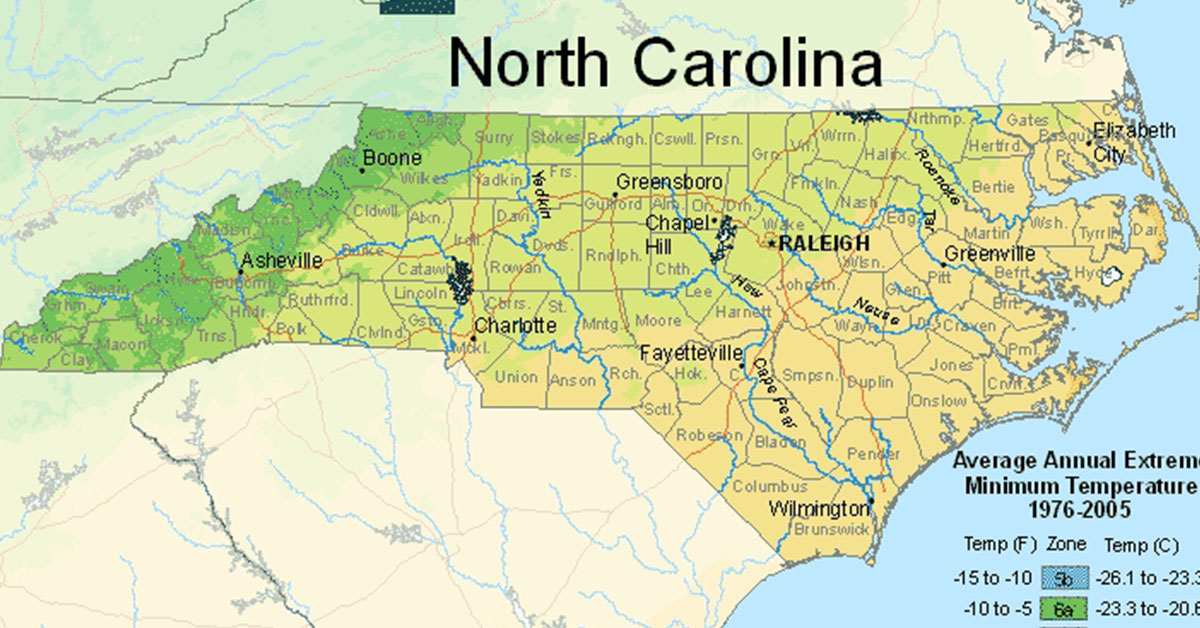

Welcome to the lush world of gardening in Greensboro, North Carolina! Nestled in the heart of the Piedmont region, Greensboro offers a unique and vibrant environment for plant enthusiasts. One of the key factors to consider when embarking on your gardening journey here is the USDA hardiness zone.
Greensboro falls within zone 7b, which means that gardeners can enjoy a wide variety of plant options that can thrive in this specific climate. Understanding the zone and its implications is crucial for successful gardening, as it helps determine which plants are best suited for our region’s temperature extremes and frost dates.
Whether you are a seasoned gardener or just starting out, this article will provide you with valuable insights and tips to make the most of gardening in Greensboro’s USDA hardiness zone.
What is Greensboro’s USDA hardiness zone?
The USDA hardiness zone is a system used to classify regions based on their average annual minimum temperature. It is a useful tool for gardeners and plant enthusiasts to determine which plants are likely to thrive in a specific area.
In the case of Greensboro, North Carolina, it falls within USDA hardiness zone 7b. This means that the average annual minimum temperature in Greensboro ranges from 5 to 10 degrees Fahrenheit (-15 to -12 degrees Celsius). It is important to note that this is just an average, and extreme weather events can cause temperatures to fall outside this range.
Knowing the hardiness zone of an area is crucial for selecting plants that can withstand the local climate conditions. Plants that are not suited to the zone may struggle to survive or may require extra care and protection during colder periods. In zone 7b, gardeners have a wide range of plant options to choose from. Many popular garden plants, including perennials, shrubs, and trees, are suitable for this zone.
Some examples of plants that thrive in zone 7b include azaleas, camellias, hydrangeas, daylilies, roses, and various types of fruit trees like apples, pears, and peaches. It is also important to consider other factors besides temperature when selecting plants for a specific area. Soil type, sun exposure, rainfall patterns, and microclimates within the garden can all affect plant growth and health.
Therefore, it is recommended to do further research or consult with local gardening experts to ensure the best plant selection and care practices for Greensboro’s specific conditions. Overall, understanding the USDA hardiness zone of Greensboro provides valuable information for gardeners, helping them make informed decisions about which plants are most likely to thrive in the local climate.
When can you plant your garden in Greensboro?
In Greensboro, the ideal planting times can vary depending on the specific USDA hardiness zone. Greensboro is located in USDA hardiness zone 7b, which means it experiences an average minimum winter temperature range of 5 to 10 degrees Fahrenheit (-12 to -14 degrees Celsius).
For cool-season crops like lettuce, spinach, and broccoli, the ideal planting time in Greensboro is typically in early spring (March) and late summer to early fall (August to September). These crops thrive in cooler temperatures and can tolerate light frosts.
Warm-season crops such as tomatoes, peppers, and cucumbers require warmer soil and air temperatures. In Greensboro, it is best to wait until after the last frost date, which typically occurs around mid-April, before planting these crops. This ensures that the risk of frost damage is minimized.
Perennial plants, including trees, shrubs, and flowers, can be planted throughout the year in Greensboro. However, it is generally recommended to plant them in early spring or early fall when the weather is milder and the plants have a better chance to establish their root systems before facing extreme temperatures.
It is important to note that these planting times are general guidelines and can vary based on weather patterns and specific plant requirements. It is always advisable to check with local gardening resources, such as the local cooperative extension office or gardening clubs, for more precise planting recommendations based on current conditions.
What grows well in Greensboro?
Given that Greensboro, North Carolina falls within USDA hardiness zone 7b, here is a comprehensive list of plants that typically grow well in this zone:
- Marigolds (Tagetes)
- Zinnias (Zinnia)
- Petunias (Petunia)
- Geraniums (Pelargonium)
- Impatiens (Impatiens walleriana)
- Snapdragons (Antirrhinum)
- Cosmos (Cosmos bipinnatus)
- Sunflowers (Helianthus annuus)
- Nasturtiums (Tropaeolum majus)
- Alyssum (Lobularia maritima)
- Coneflowers (Echinacea purpurea)
- Black-eyed Susans (Rudbeckia)
- Daylilies (Hemerocallis)
- Shasta Daisies (Leucanthemum x superbum)
- Bee Balm (Monarda)
- Phlox (Phlox paniculata)
- Salvia (Salvia nemorosa)
- Coreopsis (Coreopsis verticillata)
- Sedum (Sedum spp.)
- Russian Sage (Perovskia atriplicifolia)
- Azaleas (Rhododendron spp.)
- Camellias (Camellia spp.)
- Hydrangeas (Hydrangea spp.)
- Roses (Rosa spp.)
- Boxwood (Buxus spp.)
- Butterfly Bush (Buddleja davidii)
- Spirea (Spiraea spp.)
- Viburnum (Viburnum spp.)
- Forsythia (Forsythia spp.)
- Lilacs (Syringa spp.)
- Dogwood (Cornus florida)
- Red Maple (Acer rubrum)
- Crape Myrtle (Lagerstroemia indica)
- Japanese Maple (Acer palmatum)
- Eastern Redbud (Cercis canadensis)
- Bald Cypress (Taxodium distichum)
- Southern Magnolia (Magnolia grandiflora)
- Sweetgum (Liquidambar styraciflua)
- White Oak (Quercus alba)
- River Birch (Betula nigra)
- Tomatoes (Solanum lycopersicum)
- Peppers (Capsicum annuum)
- Beans (Phaseolus vulgaris)
- Lettuce (Lactuca sativa)
- Cucumbers (Cucumis sativus)
- Basil (Ocimum basilicum)
- Rosemary (Rosmarinus officinalis)
- Thyme (Thymus vulgaris)
- Parsley (Petroselinum crispum)
- Chives (Allium schoenoprasum)
Remember to consider the specific growing conditions of your garden, such as sunlight exposure, soil type, and drainage, when selecting and caring for plants.
What won’t grow in Greensboro?
In Greensboro, which is located in USDA hardiness zone 7b, there are certain plants that may not thrive due to the climate conditions. Here are some plants that may struggle in Greensboro:
- Tropical plants: Plants that require a consistently warm and humid climate, such as banana trees (Musa spp.), may struggle in Greensboro’s cooler winters.
- Citrus trees: While some cold-hardy citrus varieties can survive in zone 7b, they may still struggle with the occasional freezing temperatures in Greensboro.
- Tender perennials: Plants that are not cold-hardy and cannot withstand frost or freezing temperatures, such as bougainvillea (Bougainvillea spp.) or hibiscus (Hibiscus spp.), may struggle in Greensboro.
- Warm-season annuals: Plants that thrive in hot summers, such as impatiens (Impatiens spp.) or coleus (Solenostemon spp.), may struggle in Greensboro’s milder summer temperatures.
- Mediterranean plants: Some plants native to Mediterranean climates, such as lavender (Lavandula spp.) or rosemary (Rosmarinus officinalis), may struggle with the humidity and occasional winter cold in Greensboro.
- Desert plants: Plants adapted to arid desert conditions, like cacti or succulents, may not thrive in Greensboro’s higher humidity levels and more moderate temperatures.
It’s important to note that while these plants may not thrive, it is still possible to grow them in Greensboro with proper care, protection, and microclimate adjustments.
Meta Description
Discover the perfect plants for Greensboro’s hardiness zones! Uncover gardening tips tailored to your region and create a thriving garden.