
Welcome to the world of growing the Green-Striped Cushaw pumpkin, a unique and visually stunning variety that will surely captivate any gardener’s heart. With its vibrant green and white striped skin, this heirloom pumpkin is not only a feast for the eyes but also a delicious addition to your autumn harvest. Known for its sweet, nutty flavor and smooth texture, the Green-Striped Cushaw is a versatile fruit that can be used in a wide range of culinary delights.
Whether you’re a seasoned gardener or just starting out, this article will guide you through the process of growing, caring for, and harvesting your very own Green-Striped Cushaw pumpkins, ensuring a bountiful and rewarding experience. So, roll up your sleeves, grab your gardening tools, and let’s dive into the world of Green-Striped Cushaw pumpkin cultivation.
What are Green-Striped Cushaw pumpkins?
The Green-Striped Cushaw pumpkin, also known as the Tennessee Sweet Potato Squash, is a unique and visually striking variety of pumpkin. It is characterized by its elongated shape and vibrant green and white striped skin. The flesh of this pumpkin is pale yellow, smooth, and has a sweet and nutty flavor. Green-Striped Cushaw pumpkins are known for their versatility in the kitchen.
They can be used in both sweet and savory dishes, making them a popular choice for baking, roasting, and soups. Additionally, the seeds of this pumpkin can be roasted and enjoyed as a nutritious snack. In terms of growing, Green-Striped Cushaw pumpkins require a warm and sunny location with well-draining soil. They are typically planted in late spring or early summer, once the soil has warmed up. These pumpkins are known to have a long growing season, usually taking around 100-120 days to mature. Green-Striped Cushaw pumpkins are known for their vigorous growth and sprawling vines.
They require ample space to spread out, so it is important to provide them with enough room to grow. Regular watering and fertilization are essential for optimal growth and yield. Overall, the Green-Striped Cushaw pumpkin is a unique and flavorful variety that can add a touch of visual interest and taste to your garden and culinary creations.
What do Green-Striped Cushaw pumpkins taste like?
The Green-Striped Cushaw pumpkin, also known as the Tennessee Sweet Potato Squash, is a unique variety of pumpkin with a distinct flavor profile. This pumpkin has a sweet and nutty taste with a hint of earthiness. Its flesh is smooth and creamy, similar to a sweet potato, making it a versatile ingredient in various culinary preparations.
When cooked, the Green-Striped Cushaw pumpkin develops a rich and buttery flavor that is slightly reminiscent of butternut squash. Its sweetness is more subtle compared to other pumpkin varieties, making it an excellent choice for both savory and sweet dishes.
The flavor of the Green-Striped Cushaw pumpkin pairs well with warm spices like cinnamon, nutmeg, and ginger, enhancing its natural sweetness. It can be used in a wide range of recipes, including soups, stews, pies, bread, and even as a substitute for mashed potatoes.
Overall, the Green-Striped Cushaw pumpkin offers a delightful combination of sweetness, nuttiness, and a smooth texture, making it a delicious addition to any culinary creation.
How to start Green-Striped Cushaw pumpkin seeds
Starting Green-Striped Cushaw pumpkins can be a rewarding and enjoyable experience. These unique pumpkins are known for their vibrant green and white striped skin and delicious, sweet flesh. Here is a step-by-step guide on how to successfully grow Green-Striped Cushaw pumpkins:
- Select the right location: Green-Striped Cushaw pumpkins require full sun, so choose a spot in your garden that receives at least 6-8 hours of direct sunlight each day. The soil should be well-draining and rich in organic matter.
- Prepare the soil: Before planting, prepare the soil by removing any weeds, rocks, or debris. Loosen the soil to a depth of about 12-18 inches and incorporate compost or well-rotted manure to improve fertility and drainage.
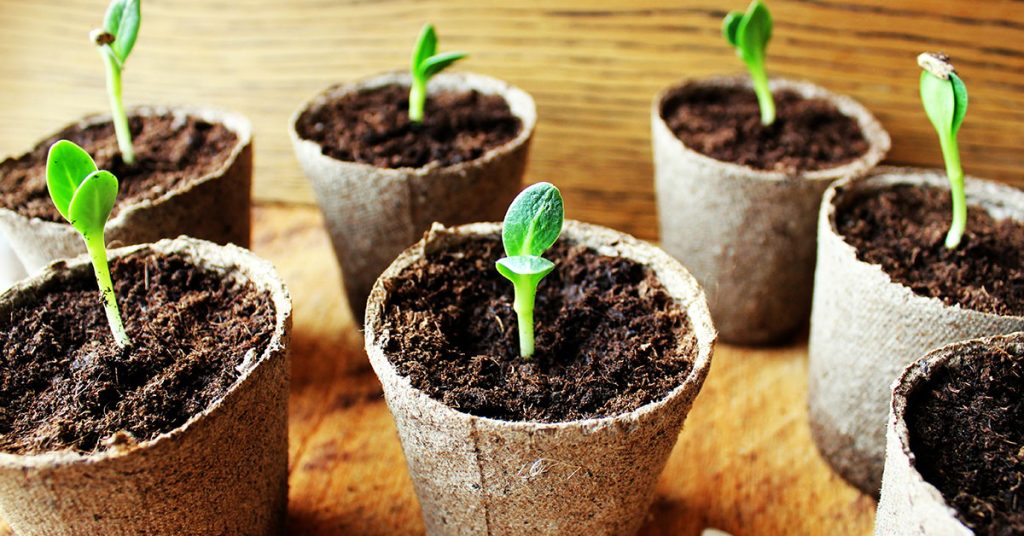
- Start seeds indoors (optional): Green-Striped Cushaw pumpkins can be started indoors 2-3 weeks before the last frost date in your area. Use biodegradable pots or seed trays filled with seed-starting mix. Plant the seeds about 1 inch deep and keep them in a warm location (around 70°F/21°C) until they germinate.
- Direct sow seeds: Alternatively, you can sow the seeds directly into the garden once the soil has warmed up and all danger of frost has passed. Plant the seeds about 1 inch deep and space them 3-4 feet apart in rows that are 6-8 feet apart. This will allow enough space for the vines to spread.
- Provide proper care: Water the seeds or seedlings immediately after planting and keep the soil consistently moist throughout the growing season. However, avoid overwatering, as excessive moisture can lead to rot or disease. Mulching around the plants can help retain moisture and suppress weeds.
- Support the vines: As the Green-Striped Cushaw pumpkins grow, they will develop long, sprawling vines. Consider providing support for the vines by using trellises, fences, or even old pantyhose tied to stakes. This will prevent the pumpkins from sitting on damp soil and reduce the risk of rot.
- Fertilize regularly: Pumpkins are heavy feeders, so it’s important to provide them with regular fertilization. Use a balanced organic fertilizer or compost tea every 2-3 weeks throughout the growing season. Follow the package instructions for application rates.
- Control pests and diseases: Keep an eye out for common pumpkin pests such as aphids, squash bugs, and cucumber beetles. Regularly inspect the plants and remove any pests by hand or use organic insecticides if necessary. Additionally, prevent diseases like powdery mildew by providing good air circulation and avoiding overhead watering.
- Harvesting: Green-Striped Cushaw pumpkins are ready for harvest when the skin turns a deep green and the vines start to wither. Use a sharp knife or pruning shears to cut the pumpkins from the vine, leaving a few inches of stem attached. Allow the pumpkins to cure in a warm, dry location for 1-2 weeks before storing or using them.
By following these steps, you can successfully grow Green-Striped Cushaw pumpkins in your garden. Enjoy the process and the delicious fruits of your labor!
When to plant your Green-Striped Cushaw pumpkin outdoors
The ideal time to plant Green-Striped Cushaw pumpkins is in late spring or early summer, when the soil temperature has reached at least 60°F (15°C) and all chances of frost have passed. This typically falls between May and June in most regions. Planting at this time ensures that the pumpkins have enough warm weather to grow and mature before the cooler temperatures of fall arrive.
Growing & care guide
Green-Striped Cushaw pumpkins are a unique and beautiful variety known for their vibrant green and white striped skin. Growing these pumpkins can be a rewarding experience, but it requires specific care and attention. Here are some best practices for caring for Green-Striped Cushaw pumpkins:
- Planting: Green-Striped Cushaw pumpkins thrive in warm climates with a long growing season. It is best to start the seeds indoors about 2-3 weeks before the last frost date in your area. Transplant the seedlings outdoors once the soil has warmed up and all danger of frost has passed. Choose a sunny location with well-draining soil.
- Soil Preparation: Before planting, prepare the soil by adding organic matter such as compost or well-rotted manure. This will improve the soil’s fertility, drainage, and moisture retention. Green-Striped Cushaw pumpkins prefer slightly acidic soil with a pH level between 6.0 and 6.8.
- Spacing: Give your Green-Striped Cushaw pumpkins plenty of space to grow. Each plant requires a minimum of 6-8 feet of space in all directions. This allows the vines to spread out and prevents overcrowding, which can lead to disease and poor fruit development.
- Watering: Keep the soil consistently moist but not waterlogged. Water deeply once or twice a week, depending on the weather and soil conditions. Avoid overhead watering, as wet foliage can promote the development of fungal diseases. Instead, water at the base of the plant using a soaker hose or drip irrigation system.
- Mulching: Apply a layer of organic mulch around the base of the plants to help conserve moisture, suppress weed growth, and maintain a more even soil temperature. Straw, shredded leaves, or wood chips make excellent mulch choices for pumpkin plants.
- Fertilizing: Green-Striped Cushaw pumpkins are heavy feeders and require regular fertilization. Before planting, incorporate a balanced organic fertilizer into the soil. Once the plants start to develop, side-dress them with compost or a slow-release organic fertilizer every 3-4 weeks. This will provide a steady supply of nutrients throughout the growing season.
- Pollination: Green-Striped Cushaw pumpkins require pollination to set fruit. Bees and other pollinators are crucial for this process. To attract them, plant flowers nearby or consider placing a bee-friendly habitat in your garden. If you notice a lack of pollinators, you can hand-pollinate the flowers by transferring pollen from the male flowers to the female flowers using a small brush or cotton swab.
- Pest and Disease Control: Monitor your plants regularly for signs of pests or diseases. Common pests that may affect Green-Striped Cushaw pumpkins include squash bugs, cucumber beetles, and vine borers. Use organic pest control methods such as handpicking, insecticidal soaps, or neem oil to manage these pests. Fungal diseases like powdery mildew can be prevented by ensuring good air circulation and avoiding overhead watering.
- Harvesting: Green-Striped Cushaw pumpkins are ready for harvest when the skin has hardened and turned a deep green color. The vines will start to wither, and the stem connecting the pumpkin to the vine will dry out. Use a sharp knife or pruning shears to cut the pumpkin from the vine, leaving a few inches of stem attached. Handle the pumpkins carefully to avoid bruising or damaging the skin.
By following these best practices, you can successfully care for your Green-Striped Cushaw pumpkins and enjoy a bountiful harvest of these unique and delicious fruits. Happy gardening!
Harvesting guide
The Green-Striped Cushaw pumpkin is a unique and beautiful variety known for its green and white striped skin. Harvesting this pumpkin at the right time ensures optimal flavor and storage potential. Here’s a guide on when and how to harvest Green-Striped Cushaw pumpkins:
Timing: Green-Striped Cushaw pumpkins typically take around 85-100 days to mature from the time of planting. The best time to harvest is when the pumpkins have reached full maturity. This is usually indicated by the following signs:
- The skin has hardened and cannot be easily punctured with a fingernail.
- The stripes on the skin have turned a deeper green or yellowish color.
- The stem attached to the pumpkin has dried and turned brown.
Harvesting: To harvest Green-Striped Cushaw pumpkins, follow these steps:
- Use a sharp knife or pruning shears to cut the stem about 2-3 inches above the pumpkin. Avoid pulling or twisting the pumpkin off the vine, as this can damage the fruit and leave it susceptible to rot.
- Leave a portion of the stem attached to the pumpkin. This helps prevent rot and extends the storage life.
- Be careful not to damage the pumpkin’s skin while cutting the stem.
Curing: After harvesting, it’s beneficial to cure the Green-Striped Cushaw pumpkins to enhance their flavor and improve storage potential. Curing involves placing the pumpkins in a warm, dry area with good ventilation for about 10-14 days. This allows the skin to harden further and any minor cuts or bruises to heal.
Storage: Once cured, Green-Striped Cushaw pumpkins can be stored in a cool, dry place with good air circulation. Ideal storage conditions include temperatures between 50-55°F (10-13°C) and humidity levels around 50-70%. Check the pumpkins regularly for any signs of decay or rot, and remove any affected ones to prevent the spread of spoilage.
By following these guidelines, you can ensure a successful harvest of Green-Striped Cushaw pumpkins with excellent flavor and extended storage life. Enjoy your homegrown pumpkins in various culinary delights or as decorative pieces!