

Summer in Phoenix. Summer in Chicago. Summer in Houston. The experience across US cities is converging on a common reality: walking outside feels like stepping into an oven. Concrete absorbs the sun relentlessly, asphalt holds the heat long after dark, and the relief that once came with nightfall has grown shorter and shorter.
In the context of global climate change and rapid urbanization, the urban heat island (UHI) effect has emerged as a critical issue impacting urban sustainability. What’s changing now is the urgency of the response. Across the country, cities are turning to an ancient and surprisingly effective tool: plants.
What Urban Heat Islands Actually Are
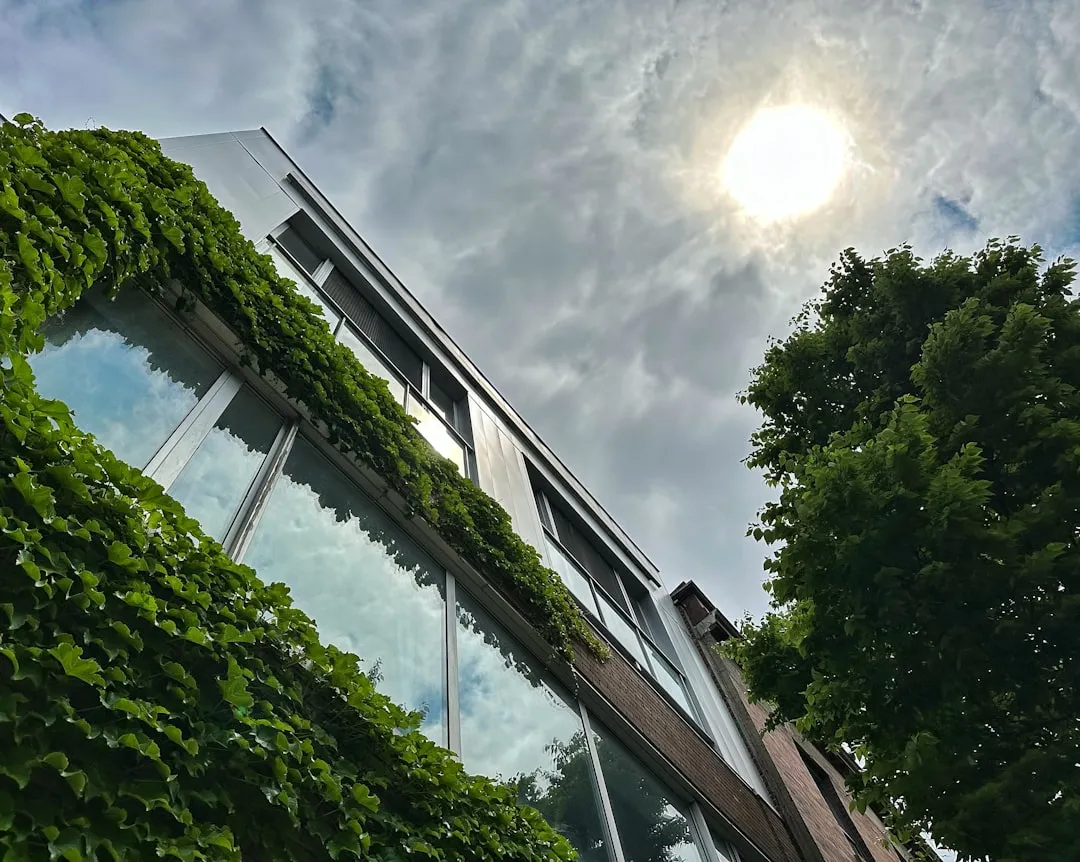
Across the country, cities, towns, and villages are grappling with extreme heat because structures and surfaces such as buildings and roads absorb and re-emit the sun’s heat more than vegetated landscapes do. This phenomenon, called an urban heat island, creates daytime temperature discrepancies in urban areas that range from one to seven degrees hotter than outlying areas.
Urban buildings are also indirect sources of heat; energy used for artificial lighting, air conditioning, appliances, and office equipment is eventually rejected into the environment as waste heat. That means the problem compounds itself the harder cities work to stay cool.
The UHI is especially dangerous when temperatures do not return to normal overnight, as this prolongs heat stress and doesn’t allow our bodies to cool off. It’s a slow burn, quite literally.
The Scale of the Health Risk
Extreme heat is the number one weather-related cause of death in the US for the last three decades. That statistic rarely gets the attention it deserves compared to hurricanes or tornadoes, but the toll is consistent and growing.
The Lancet Planetary Health in 2024 found that there is a 56% higher risk of heat-related mortality in urban areas versus rural areas, highlighting a strong case for urban heat island mitigation strategies.
The urban heat island effect contributes to a range of public health issues, including heat-related mortality, non-fatal outcomes such as heat stroke, heat exhaustion, dehydration, loss of labor productivity, decreased learning, and negative impacts on psychological and social wellbeing.
How Plants Cool a City: The Core Mechanisms
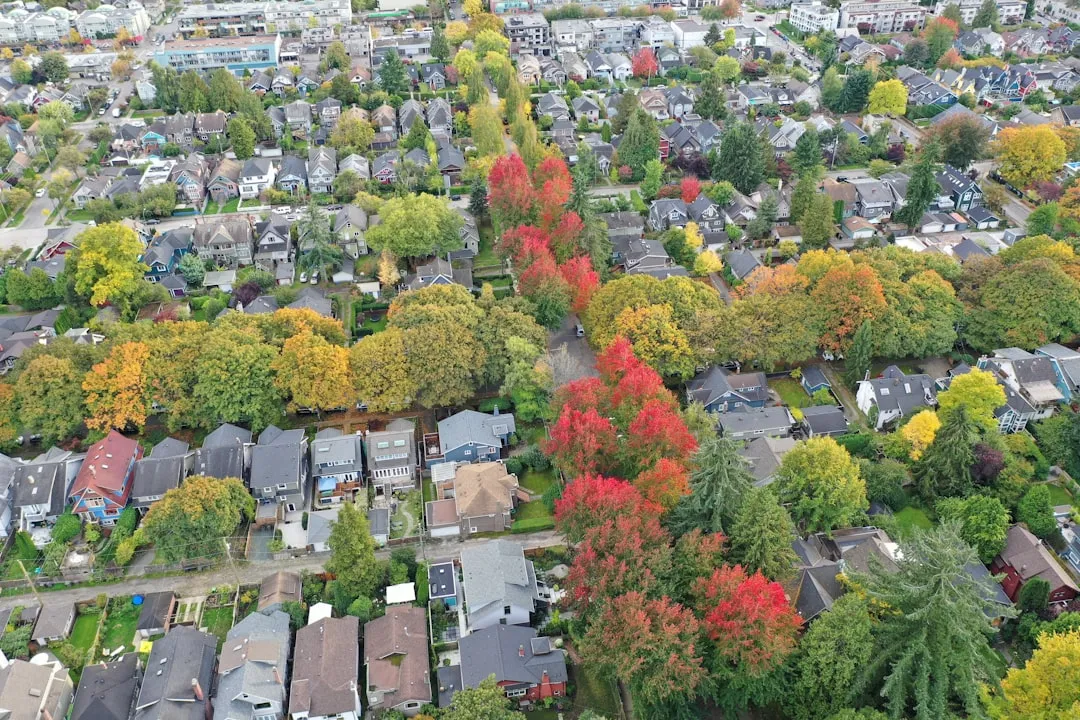
Urban parks, green roofs, street trees, vertical greenery systems, and community gardens work through important mechanisms including shade, evapotranspiration, albedo change, and ventilation. These processes aren’t subtle. They can make a measurable, street-level difference within blocks.
Trees can reduce solar radiation hitting surfaces such as asphalt and concrete, reducing temporary heat storage in these materials. Trees also lose water to transpiration as they respire, and this phase change of water from liquid to gas increases latent heat flux. The net effect of trees is to reduce ambient air temperature, particularly during the daytime.
Research findings show that green areas, including parks, green roofs, and street trees, can lower air and surface temperatures by as much as 5 degrees Celsius. That’s the kind of relief that prevents emergency room visits on a hot July afternoon.
Street Trees: The Most Direct Line of Defense
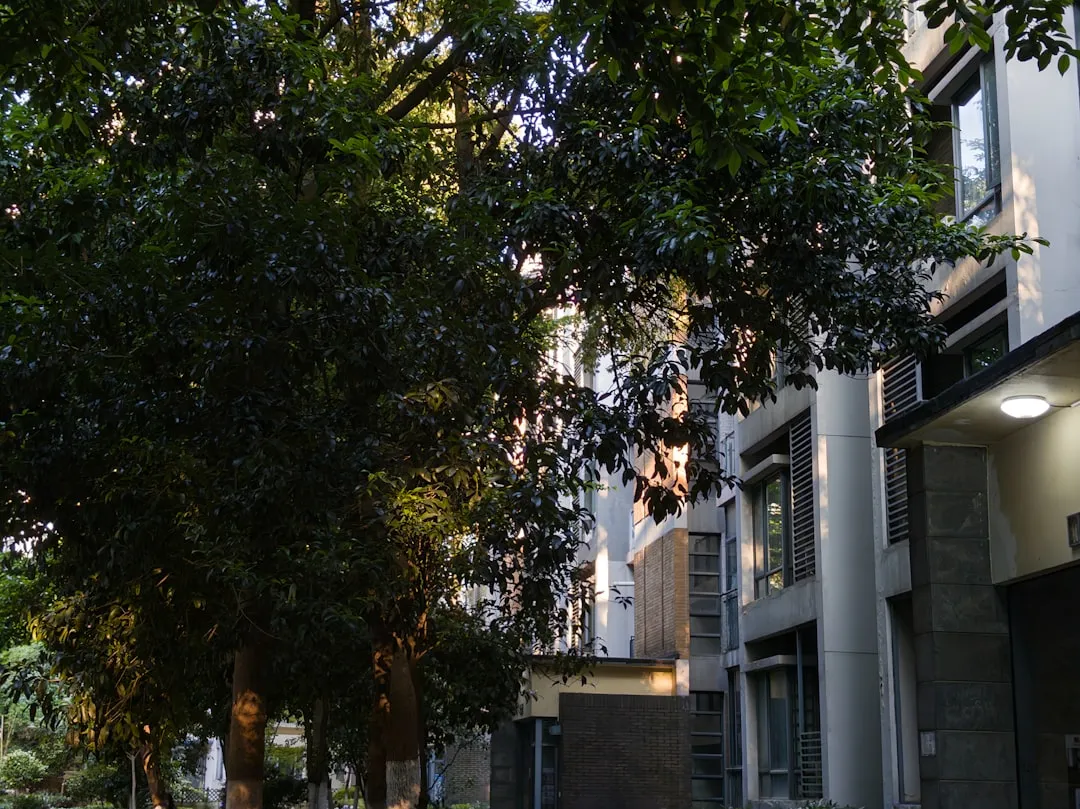
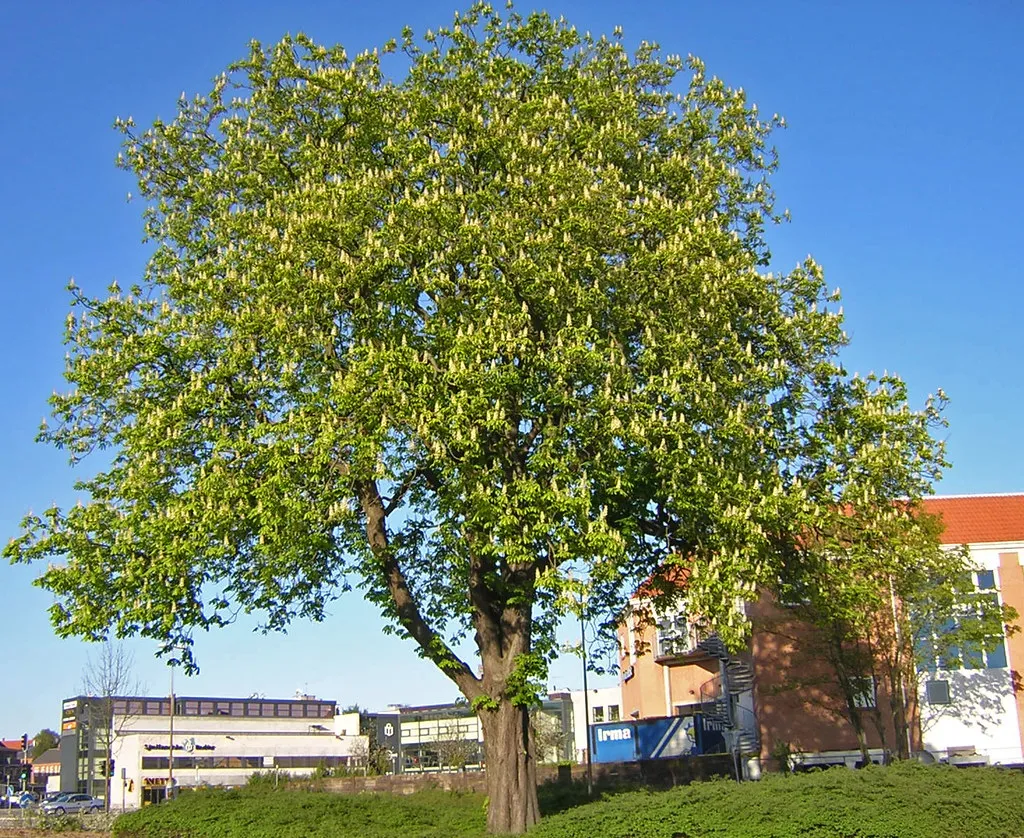
There are an estimated 5.5 billion trees in urban areas in the United States. These trees provide a plethora of benefits for the surrounding urban ecosystem. Trees counteract the vast expanses of dark-colored pavement that dominate cities by providing shade and emitting water vapor, cooling the air.
Researchers investigated how urban trees affect summer air temperature along sidewalks within a neighborhood of Tacoma, Washington, and to what extent urban trees reduce risks of high summer temperatures. Air temperature varied by around 2.57 degrees Celsius on average across the study area, and the probability of daytime temperatures exceeding regulated high temperature thresholds was up to five times greater in locations with no canopy cover within 10 meters compared to those with full cover.
Urban trees consistently outperform other vegetation types in cooling, particularly in hotter, drier climates when water is available. Dense, tall canopies provide broad-scale cooling, while mixed plantings with shrubs or grass enhance local effects.
Green Roofs: Turning Dead Space Into Cooling Infrastructure
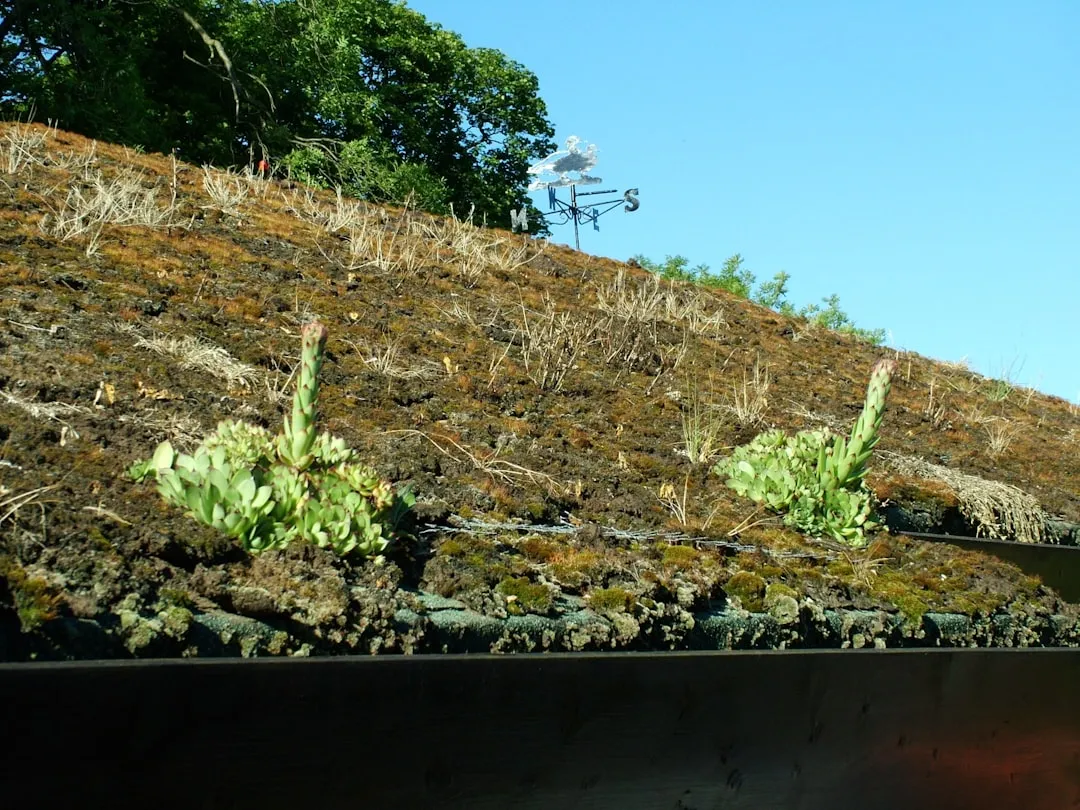
Given that land resources are severely constrained in big cities, building rooftops constitute underutilized spatial spaces with significant potential for conversion into extensive green zones capable of exerting positive impacts on the urban thermal environment. This context has positioned green roof systems as a critical urban planning intervention for augmenting urban green space coverage.
Results from research on greening building roofs indicate they can reduce city-level temperatures by roughly 0.47 degrees Celsius based on inter-year comparisons. Intra-year comparisons reveal an average air temperature reduction of around 2.49 degrees Celsius compared to surrounding bare rooftops.
Estimates indicate that roof greening has the potential to reduce land surface temperatures across global cities by between 0.57 and 1.58 degrees Celsius during the day and between 0.14 and 0.39 degrees Celsius at night, depending on the extent of roof greening. Scaled across an entire metropolitan area, those numbers translate into millions of people sleeping a little cooler.
Urban Parks as Neighborhood Cooling Anchors
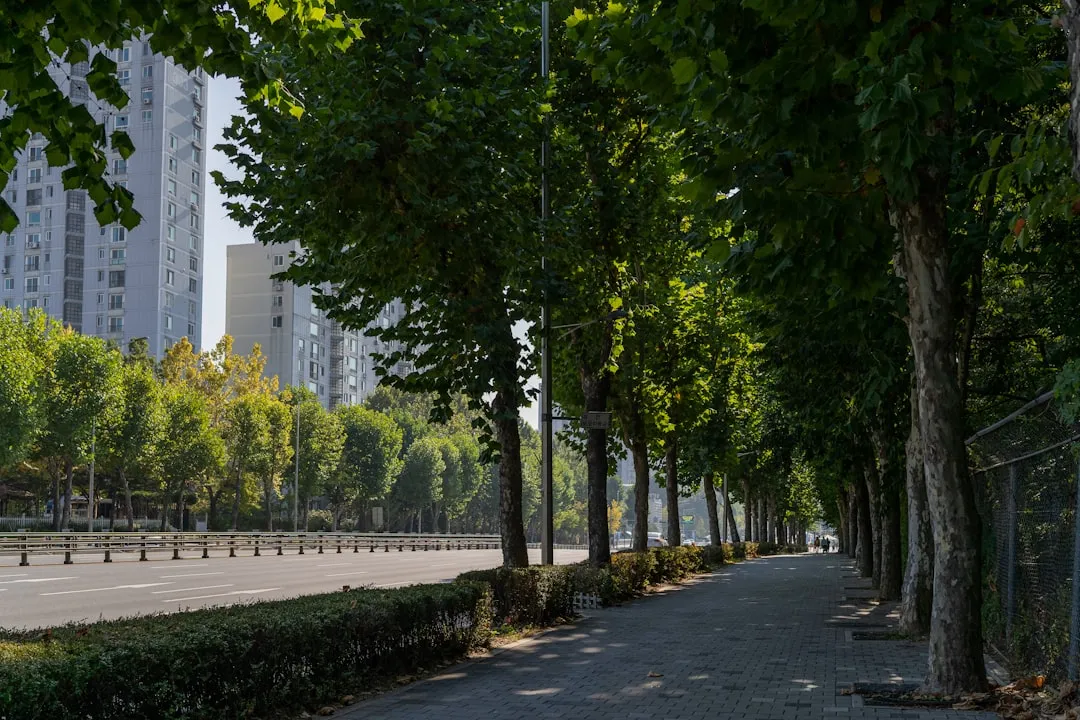
As the most prevalent blue-green infrastructure within urban areas, urban parks can lower surrounding temperatures by 2 to 3 degrees Celsius through evaporation, shading provision, and improved local ventilation conditions.
A stronger canopy can also play a vital role in carbon sequestration, help reduce stormwater runoff, lower utility bills by reducing HVAC energy consumption, and serve as a habitat for birds, insects, and small mammals. The cooling benefit is real, but it’s far from the only return on investment.
More neighborhood tree cover is linked to improved health outcomes, and urban street trees have been shown to be associated with improved pedestrian safety. That’s a rare case where the same intervention checks nearly every public health box at once.
The Equity Problem Inside the Green Infrastructure Story
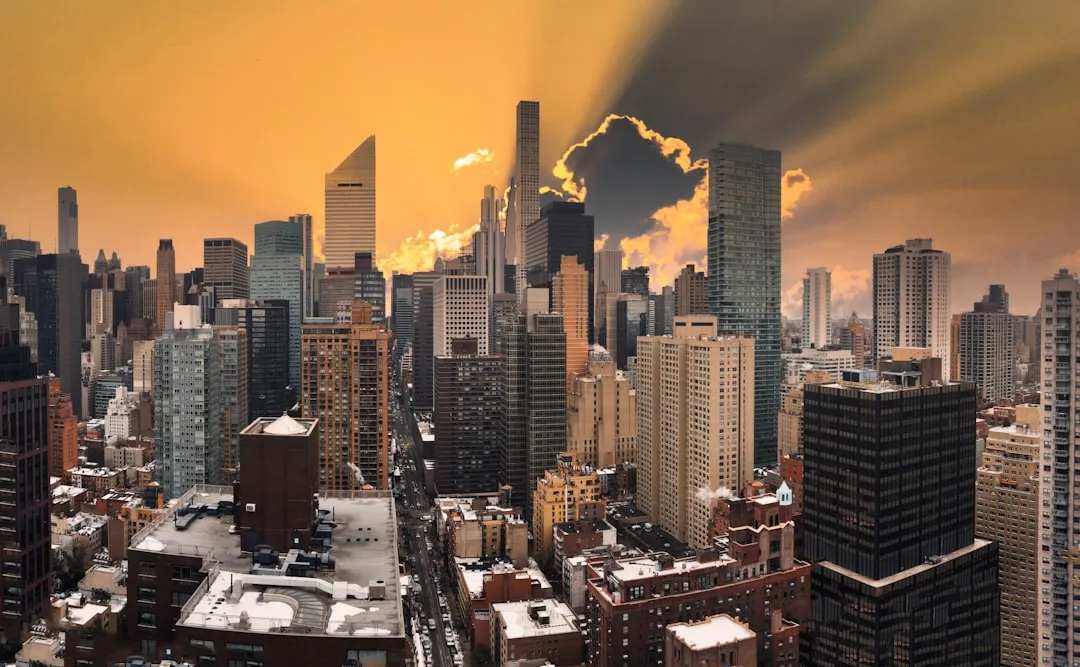
There’s a significant gap in who actually benefits from urban greening. The data on this is clear and somewhat uncomfortable. On average, trees in majority non-Hispanic white neighborhoods cool the air by roughly 0.19 degrees Celsius more than in communities of color, leading annually to trees in white neighborhoods helping prevent substantially more deaths and tens of thousands more doctors’ visits.
Vulnerable populations, such as the urban poor and people of color, are more likely to inhabit hotter neighborhoods and suffer disproportionate exposure to extreme heat. Green infrastructure can address this directly, but only if it’s deployed with that goal in mind.
Research shows that greening efforts often favor higher-income neighborhoods at the expense of the most vulnerable residents in low-income areas. Several cities are now working to correct that pattern through equity-centered planting programs and targeted investment in historically underserved communities.
City-Level Action: Real Programs Making a Real Difference
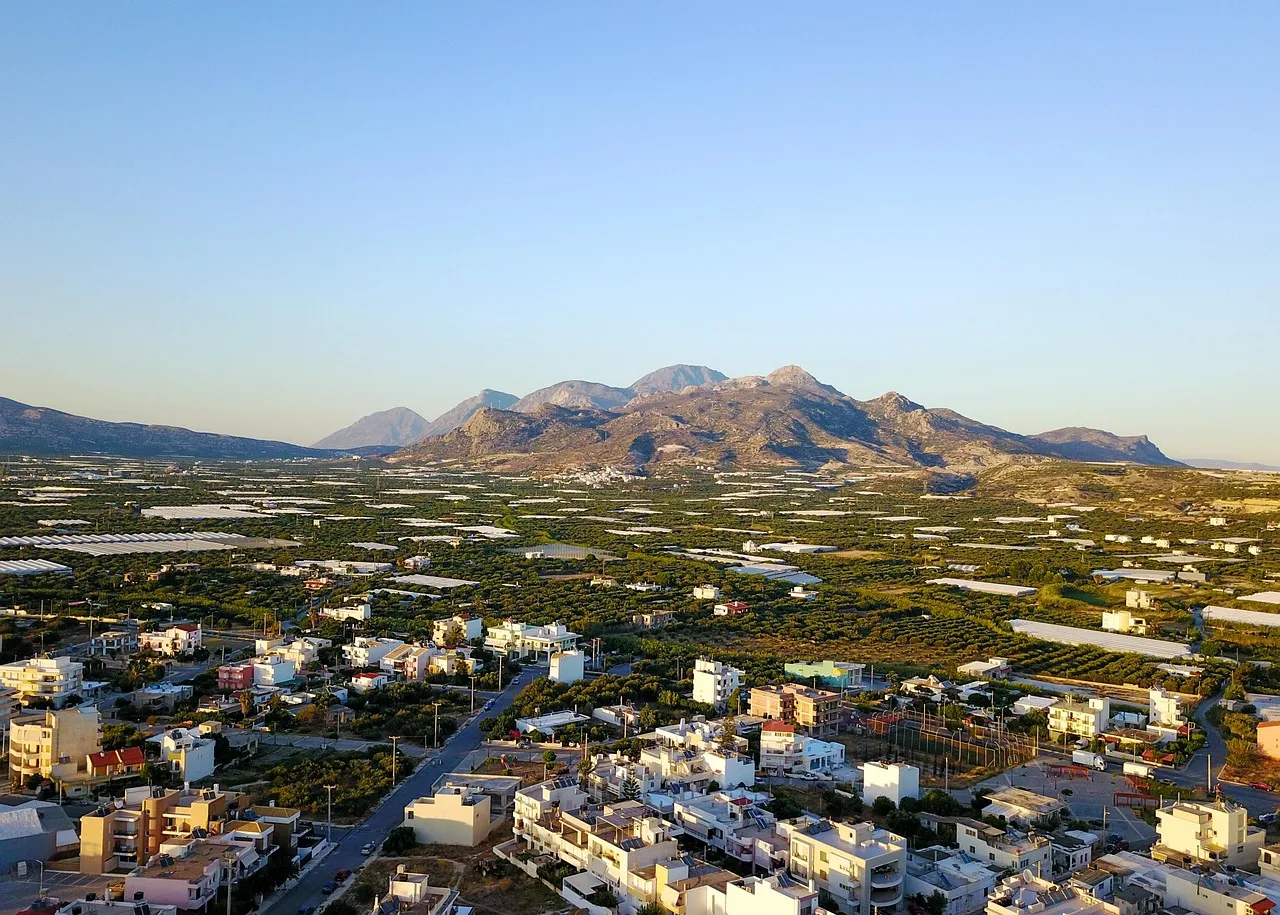
In 2024, The Greening of Detroit was named an Environment Next Global Initiative Grantee, securing funding to expand tree planting and green job training. Since its founding, the organization has planted more than 147,000 trees across Detroit, Hamtramck, and Highland Park.
NOAA and citizen scientists are mapping the hottest parts of communities across the country to identify urban heat islands, helping local decision-makers take actions to reduce the health impacts of extreme heat, which often target the most vulnerable. That granular, block-by-block data is proving to be a powerful planning tool.
Research using New York City Citi Bike data found that targeted tree planting along just 1.5 percent of the city’s street network could reduce total heat-exposed kilometers ridden by roughly 19 percent, equivalent to a thermal stress reduction of about 4 degrees Celsius. In contrast, randomized citywide tree planting produces diffuse, resource-intensive cooling, highlighting the superior efficiency of spatially prioritized interventions.
The Research Momentum Behind Green Infrastructure
Since 2013, there has been a significant increase in research interest in utilizing green infrastructure to mitigate urban heat islands, with China, the United States, and Europe leading international collaboration efforts. The pace of that research has accelerated sharply into the 2020s.
Using global data from 9,000 cities, one major study shows trees reduce roughly half of the urban heat island effect but can offset only a modest share of future climate warming, with cooling benefits unevenly distributed and lowest where heat risk is highest. That finding points to the need for both large-scale planting and strategic placement.
Estimates suggest that an ambitious national reforestation program requiring around 1.2 billion trees could reduce population-weighted average summer temperatures by an additional measurable margin, which would reduce annual heat-related mortality by hundreds of people and annual heat-related morbidity by tens of thousands of cases.
What Comes Next: Combining Strategies for Greater Impact
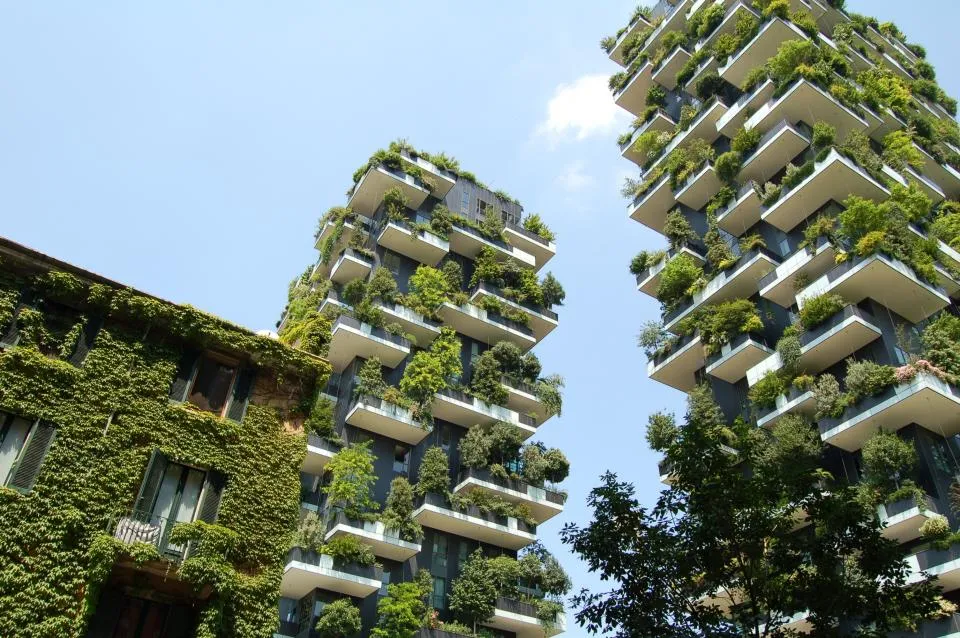
Smart surface strategies are horizontal, nature-based infrastructure interventions that include reflective cool roofs, porous pavements, green roofs, solar panels, and trees. When deployed together, they can substantially mitigate both extreme heat and urban flooding, reduce energy burdens, improve public health, and save municipalities money.
Given the challenges posed by urbanization and industrialization in achieving sustainability, it is crucial to adopt intelligent and decisive measures to mitigate the adverse outcomes of urban heat islands. No single plant or program will solve everything, but the direction is well established.
These nature-based benefits are likely to become even more critical as climate change progresses, extreme heat events increase in frequency, urban areas expand, and urban populations increase. The cities investing in green infrastructure today are, in a very practical sense, building the health systems of tomorrow.
The evidence across years of research now points in one direction: plants work. They cool streets, reduce mortality risk, cut energy costs, and improve mental health. The harder question isn’t whether green infrastructure helps. It’s whether cities will invest in it quickly enough, and fairly enough, to reach the people who need it most.
AI Disclaimer: This article was created with the assistance of AI tools and reviewed by a human editor.