
Whether you are a seasoned gardener or just starting out, green cabbage is an excellent addition to any home garden. Known for its crisp leaves and versatility in the kitchen, this leafy vegetable has been a staple in many cuisines for centuries. With its mild flavor and numerous health benefits, green cabbage is not only delicious but also a nutritional powerhouse.
In this article, we will delve into the intricacies of growing green cabbage, from selecting the right variety to caring for it throughout the growing season. So, grab your gardening tools and get ready to embark on a journey of cultivating this vibrant and delicious vegetable right in your own backyard!
What is a Green Cabbage?
Green cabbage is a leafy vegetable that belongs to the Brassicaceae family. It is characterized by its round or oval-shaped head, tightly packed with layers of dark green leaves. The outer leaves are generally thicker and tougher, while the inner leaves are more tender and lighter in color. Green cabbage has a crisp and crunchy texture, and its flavor can vary from mild to slightly peppery or sweet, depending on the variety.
Green cabbage is known for its versatility in cooking and is widely used in various culinary preparations worldwide. It is often enjoyed raw in salads, coleslaw, or used as a crunchy topping in tacos and sandwiches. It can also be cooked by steaming, sautéing, stir-frying, or braising, adding a delightful texture and flavor to dishes.
Apart from its culinary uses, green cabbage is highly nutritious and offers several health benefits. It is an excellent source of dietary fiber, vitamins C and K, and minerals like potassium and manganese. It also contains antioxidants and phytonutrients that contribute to its potential anti-inflammatory and cancer-fighting properties.
In terms of cultivation, green cabbage thrives in cool weather conditions and requires well-drained soil with ample sunlight. It is a biennial plant that typically takes around 70-90 days to mature, depending on the variety.
Regular watering and proper spacing between plants are essential for optimal growth and development. Overall, green cabbage is an abundant and beneficial vegetable that adds both flavor and nutrition to a wide range of dishes, making it a popular choice for gardeners and cooks alike.
What does Green Cabbage taste like?
The taste of green cabbage can be described as mild, slightly sweet, and somewhat earthy. It has a refreshing and crisp texture when raw, and its flavor intensifies slightly when cooked. When sautéed or boiled, green cabbage becomes tender and takes on a sweeter profile. It pairs well with a variety of ingredients and can be used in salads, stir-fries, soups, slaws, and many other dishes. Overall, green cabbage has a versatile taste that can be enjoyed in multiple culinary preparations.
How to start from seed
Starting green cabbage from seed is a relatively simple process. Here’s a step-by-step guide to help you get started:
- Selecting the seeds: Choose a reputable seed supplier or source to ensure the quality of your seeds. Look for varieties that are suitable for your growing region and climate.
- Preparing the soil: Cabbage prefers well-drained, fertile soil with a pH level between 6.0 and 7.5. Prepare your garden bed by removing any weeds, rocks, or debris. Loosen the soil and amend it with organic matter like compost or well-rotted manure to improve its fertility.
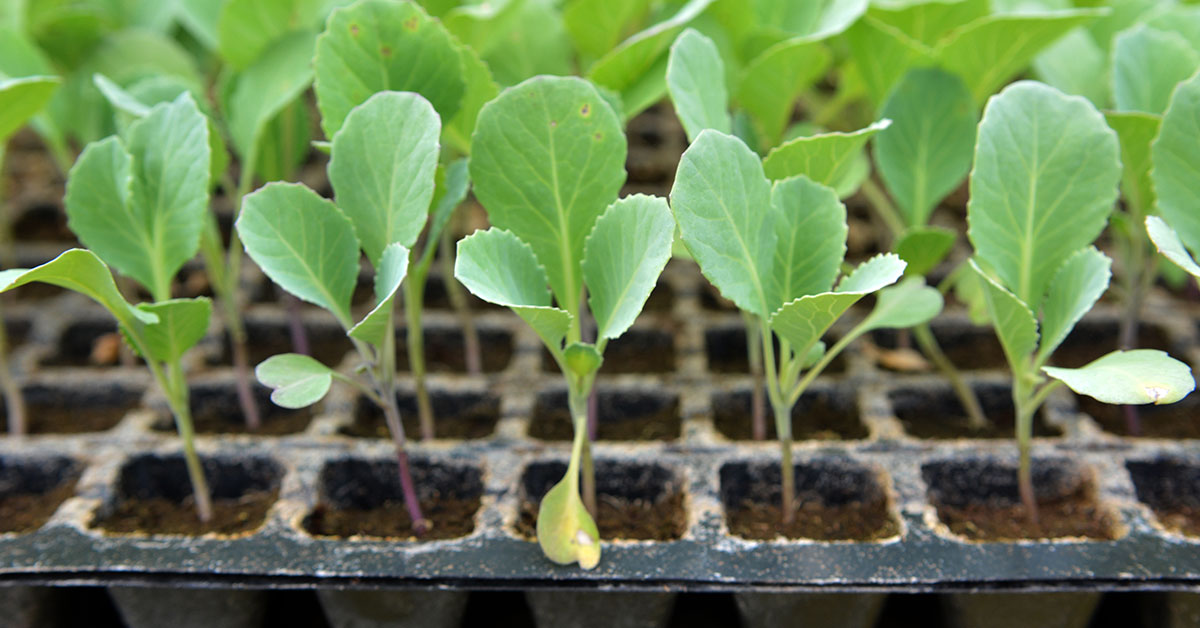
- Sowing the seeds: Start seeds indoors about 6-8 weeks before the last frost date in your area. Fill seed trays or pots with a good quality seed starting mix. Moisten the mix before sowing the seeds. Plant the seeds at a depth of 1/4 inch, spacing them about 2 inches apart. Lightly cover the seeds with soil and gently pat it down.
- Providing optimal conditions: Place the seed trays in a warm location with temperatures around 70-75°F (21-24°C). Ensure that the seedlings receive adequate light, either by placing them near a sunny window or using fluorescent grow lights. Cabbage seedlings require about 12-16 hours of light per day.
- Watering: Keep the soil consistently moist but not waterlogged. Use a spray bottle or a gentle watering can to avoid disturbing the young seedlings. Avoid overwatering, as it can lead to damping-off disease.
- Transplanting: When the seedlings have developed their second or third set of true leaves, they are ready for transplanting. Harden off the seedlings by gradually exposing them to outdoor conditions over the course of a week. Then, transplant them into the garden bed, spacing them 12-18 inches apart.
- Care and maintenance: Cabbage plants require regular watering, especially during dry periods. Mulching around the plants can help retain moisture and suppress weed growth. Fertilize with a balanced organic fertilizer according to package instructions. Monitor for common pests like aphids, cabbage worms, or slugs, and take appropriate measures to control them.
- Harvesting: Green cabbage is typically ready for harvest about 70-90 days after transplanting, depending on the variety. Harvest the heads when they are firm and solid by cutting them at the base with a sharp knife. Leave the outer leaves intact to increase the storage life of the cabbage.
Remember, successful cabbage cultivation also depends on proper crop rotation and pest management practices. Regularly inspect your plants for any signs of disease or infestation, and promptly address any issues that arise. With proper care, you can enjoy a bountiful harvest of green cabbage from your garden.
Planting and growing Green Cabbage
Here are the steps for planting and growing green cabbage:
- Select a suitable location: Green cabbage prefers full sun but can tolerate partial shade. It also requires well-draining soil with a pH level between 6.0 and 7.5.
- Prepare the soil: Loosen the soil using a garden fork or tiller to a depth of at least 12 inches. Remove any rocks, weeds, or debris. Incorporate organic matter like compost or aged manure to improve soil fertility and drainage.
- Start seeds indoors (optional): If you want an early start, you can start cabbage seeds indoors about 4-6 weeks before the last spring frost date. Sow the seeds in seed trays or small pots filled with seed-starting mix. Keep the soil moist and provide sufficient light until the seedlings are ready for transplanting.
- Direct sow or transplant: If you prefer to sow seeds directly in the garden, wait until the soil temperature reaches around 50°F (10°C). Plant the seeds ¼ to ½ inch deep and space them about 12-18 inches apart. If transplanting seedlings, wait until they have at least 3-4 true leaves before moving them to the garden. Space the transplants the same distance apart.
- Watering: Cabbage needs consistent moisture to grow well. Water deeply, providing at least 1 inch of water per week. Avoid overhead watering to prevent fungal diseases. Mulching around the plants can help retain moisture and suppress weed growth.
- Fertilizing: Cabbage is a heavy feeder, so it benefits from regular fertilization. Apply a balanced fertilizer or compost before planting, and then side-dress the plants with nitrogen-rich fertilizer or compost every 3-4 weeks during the growing season.
- Pest and disease management: Cabbage is susceptible to pests like cabbage worms, aphids, and cabbage loopers. Monitor your plants regularly and take necessary steps to control pests, such as using insecticidal soap or organic insecticides. Diseases like clubroot and black rot can also affect cabbage. Rotate crops, practice good sanitation, and remove and destroy any infected plants.
- Harvesting: Green cabbage matures in approximately 70-100 days depending on the variety. Harvest the heads when they are firm and have reached the desired size. Cut the heads off at the base, leaving a few outer leaves intact. After harvesting the main head, smaller side shoots may develop and can be harvested as well.
By following these steps, you can successfully plant and grow green cabbage in your garden. Happy gardening!
When to harvest
The best time to harvest green cabbage is when the heads feel firm and dense to the touch. This usually occurs when the cabbage heads are fully formed and have reached their mature size, which is typically around 60-90 days after planting, depending on the variety. In general, you should wait until the heads are about 6-8 inches in diameter before harvesting. However, it’s important not to wait too long, as overripe cabbage can become tough and develop a bitter taste. Keep an eye on the cabbage heads and harvest them promptly when they are mature.