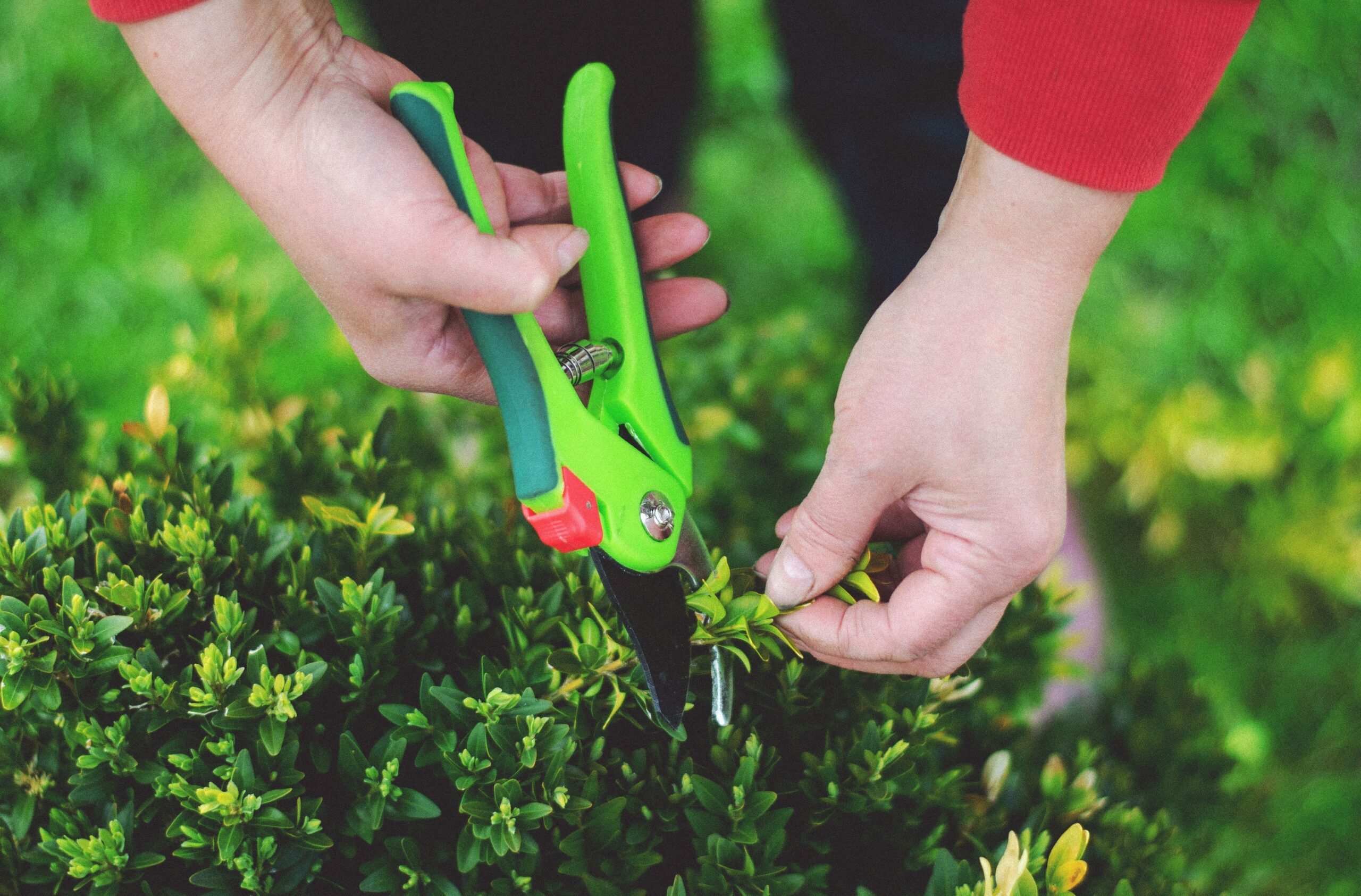

There’s a quiet ritual that has played out over backyard fences for generations. One neighbor snips a stem, wraps it loosely in damp newspaper, and passes it across the fence with a handshake and a nod. No receipt, no app, no transaction record. Just mutual trust and a shared love of growing things.
That old-fashioned approach is making a genuine comeback. In a world where every exchange seems to run through a screen, the handshake deal is being rediscovered by a new generation of gardeners who are finding real value in what grandpa already knew.
What the Handshake Deal Actually Means

The handshake deal is not a legal concept. It’s a social one. Research from Harvard Business School found that handshakes are ritualistic behaviors imbued with meaning beyond mere physical contact, signaling cooperative intent and promoting deal-making. In the context of a garden cutting swap, that handshake carries the same weight it always has: a promise made between people who expect to see each other again.
Bartering in a garden context is a simple way to give something in exchange for something you need, without money changing hands, and it helps create a sense of community as neighbors get to know neighbors. The handshake is what seals that understanding, no contract required.
A Practice Older Than the Dollar
Barter, the act of trading goods and services directly without the use of money, is a transaction method as old as human civilization itself, predating any known currency system by thousands of years. Garden trading fits squarely within this ancient tradition, and it has never truly disappeared.
Plant lovers have always shared the bounty over the backyard fence or at local garden clubs. What’s changed in recent years is scale. Informal exchanges between two neighbors have grown into organized community events, regional swaps, and online groups, all operating on essentially the same honor-system principle that grandpa used.
How the Trade Actually Works
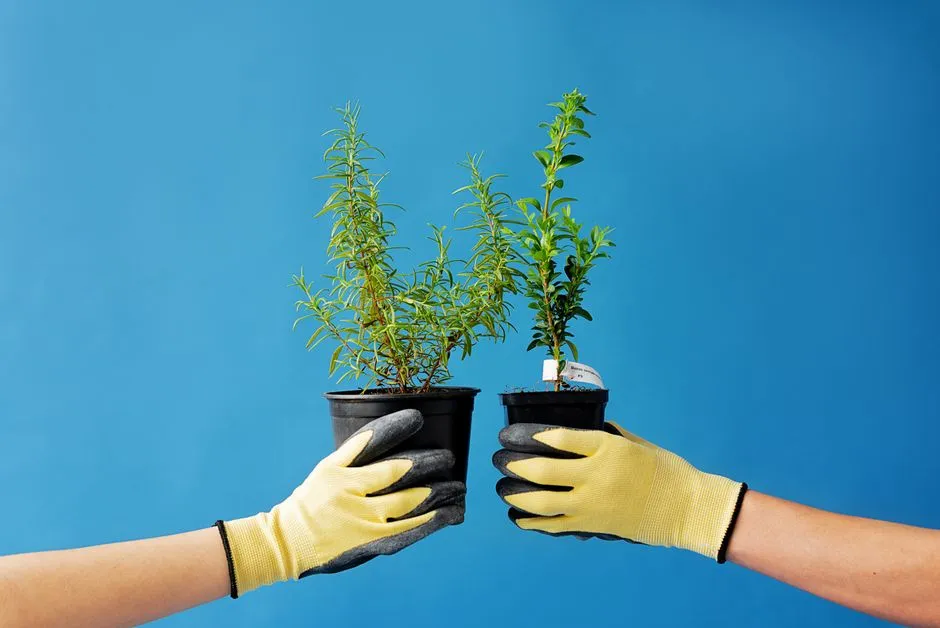
A houseplant or garden swap is just what it sounds like: trading plants with friends, family, and neighbors. By trading cuttings or divisions from your successful plants, you can share with others and get new plants in return. The mechanics are deliberately simple, which is part of why the system works.
The general idea is for people to come together to swap plant starts with each other. This could be by propagation methods using root divisions from their plants, or cuttings from plants that can be rooted and replanted by the gardener who receives the cutting. No price tags are involved. Value is negotiated through conversation, familiarity, and a shared understanding of what each plant is worth to the person receiving it.
The Science of Taking a Good Cutting
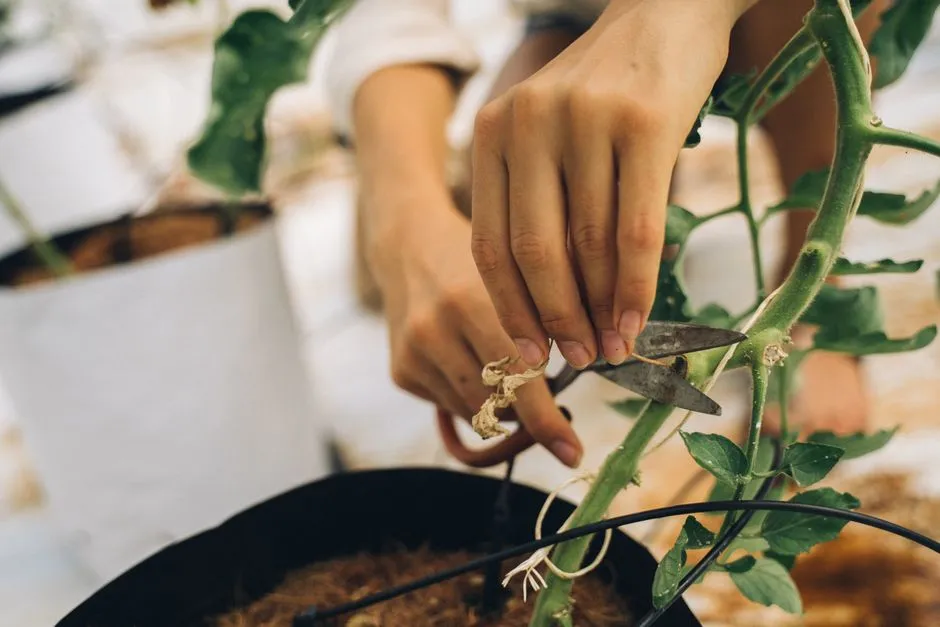
One of the most common ways of obtaining vegetatively propagated plants is to take a cutting. The procedure usually involves cutting off a part of a plant, such as a branch or part of a branch, and planting it in soil or placing it in water for root development and establishment of a new plant. Getting this step right is what makes the trade valuable for the person on the receiving end.
Dividing plants relies on separating plant crowns with their roots intact, meaning new plantlets will have both roots and shoots immediately. Many plants are natural clump-formers, and they make for great divisions. A cutting handed over with care and proper preparation is a genuine gift. One handed over carelessly is just a stick.
Why Grandpa’s Rules Still Hold Up

The unwritten rules of a handshake cutting deal are surprisingly consistent across generations and geographies. Bring only healthy material. Label what you know. Don’t trade invasive species. These guidelines appear again and again at formal and informal swaps alike. Standard swap etiquette includes bringing seeds, starts, cuttings, bulbs, and potted plants to trade, with the understanding that plants should be healthy and pest-free to your knowledge and labeled if possible. No noxious weeds or invasive plants are welcome.
The trust embedded in grandpa’s method works because both parties have something to lose: their reputation in the neighborhood. This kind of community barter setup fosters exchange while enhancing the bonds of community, creating a culture of mutual support and trust. Community barter networks generally concentrate on social bonding and collaboration between residents.
The Financial Case for Not Spending a Cent
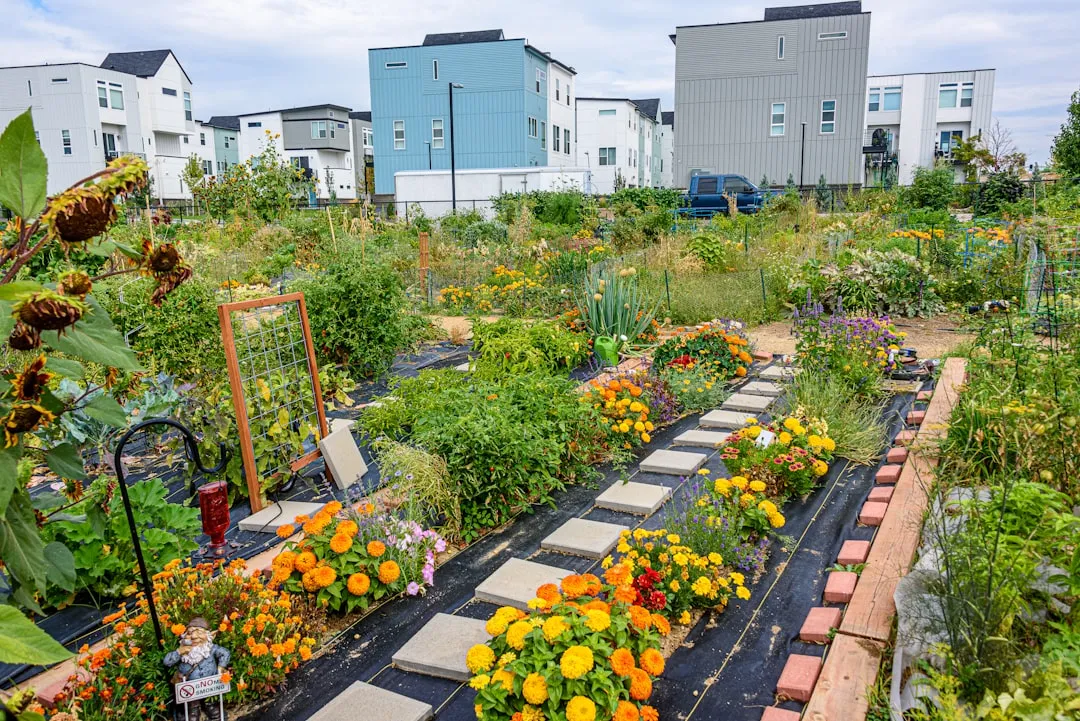
There’s a real dollar figure attached to trading cuttings rather than buying plants. A well-tended 10×10 foot garden plot can yield approximately $600 worth of produce in a season, and community gardens save families an average of $84 to $500 per season on their grocery bills. A cutting-based garden built through trades rather than retail purchases can represent significant savings over a growing season.
Trading directly with neighbors reduces waste by giving unused items new purposes and extends resource lifecycles, while strengthening community bonds through regular interactions and developing a resilient support network. The savings are real, but experienced traders will tell you the relationships are worth just as much.
The Community Effect: More Than Plants Change Hands
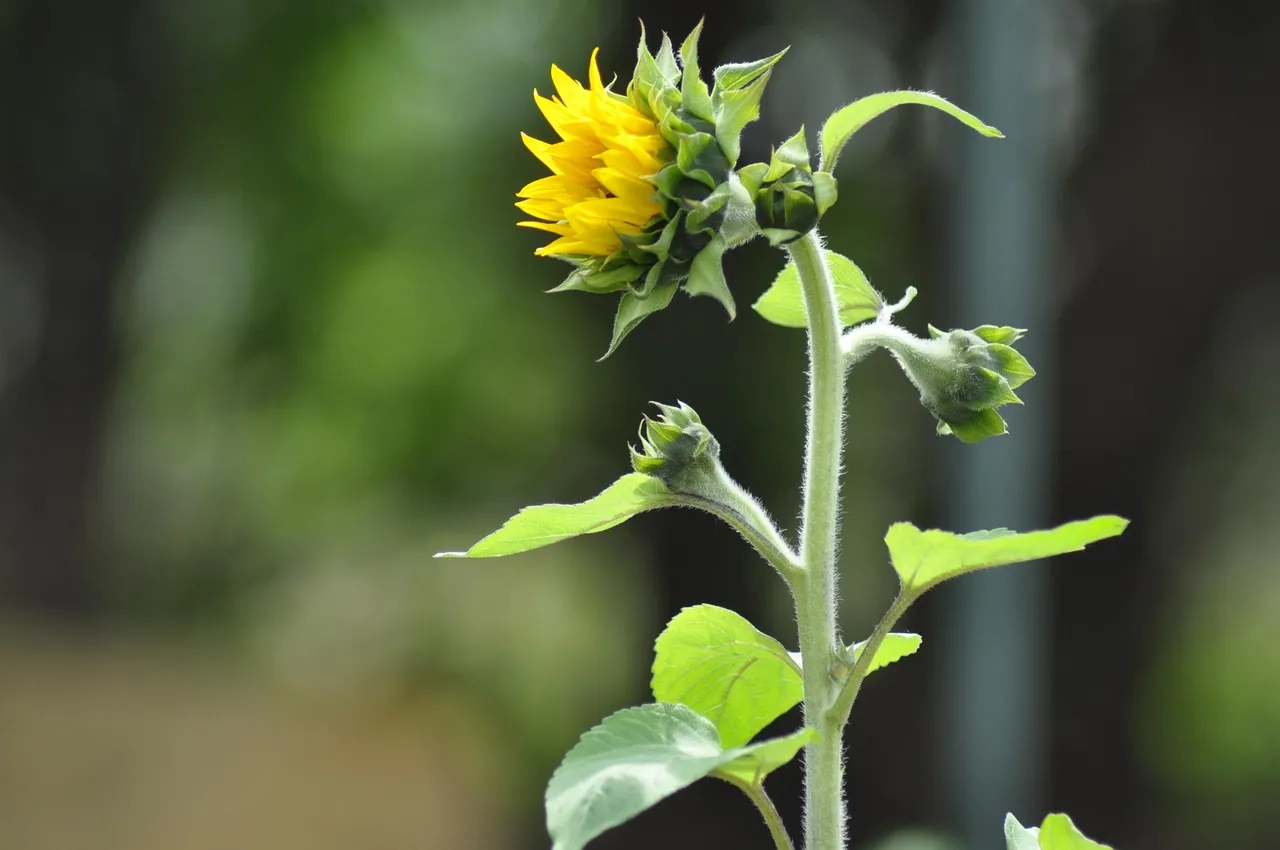
Community gardens and the exchanges connected to them get people eating more fruits and vegetables, help gardeners maintain lower BMIs, and are linked to a reduced dementia risk, stronger intergenerational ties, and improved social cohesion. A cutting swapped between neighbors is one small part of a much larger picture of community health.
Today, more than 18,000 gardens dot North America, and the movement is growing in food-desert neighborhoods, schoolyards, and even rooftops. Many of those spaces were seeded, quite literally, through handshake-style exchanges of cuttings, seeds, and divisions that never involved a single dollar.
How Organized Swaps Keep the Handshake Spirit Alive
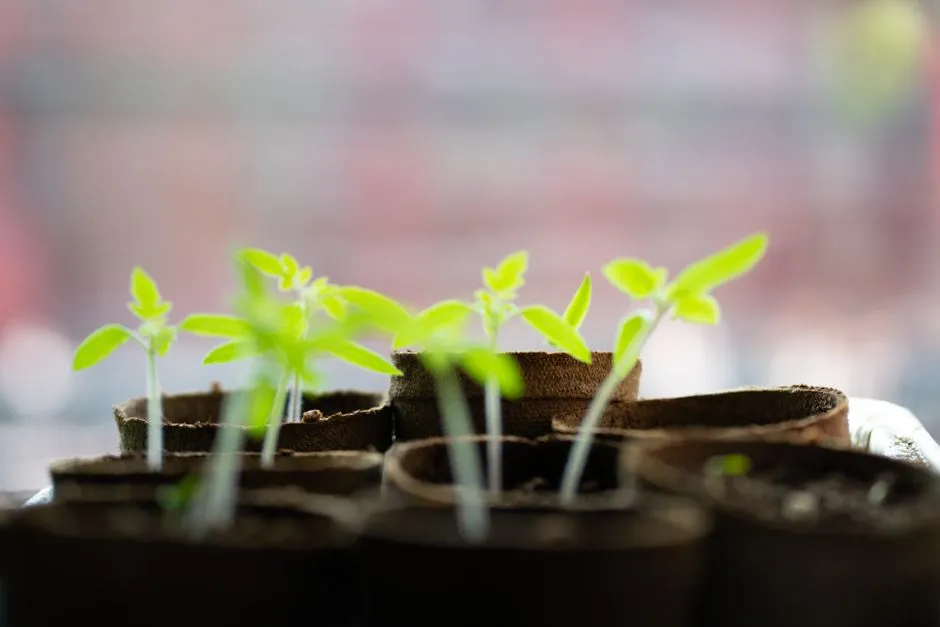
Formal swap events have scaled the tradition without replacing its core spirit. Annual events like Cornell Cooperative Extension’s Master Gardener Great Plant Swap allow participants to drop off plants in the morning and receive vouchers for the value of what they brought, which they can later exchange for other plants. The voucher system is a modern adaptation, but the underlying principle is still the same: you give something good, you get something good.
Plant swaps can be small and informal, with just a few friends or neighbors, or they can be large and organized, with hundreds of participants. Whether it’s two people at a fence or two hundred at a park pavilion, the social contract is identical. Bring something worth having. Take something you’ll actually grow.
The Environmental Logic of Sharing Cuttings
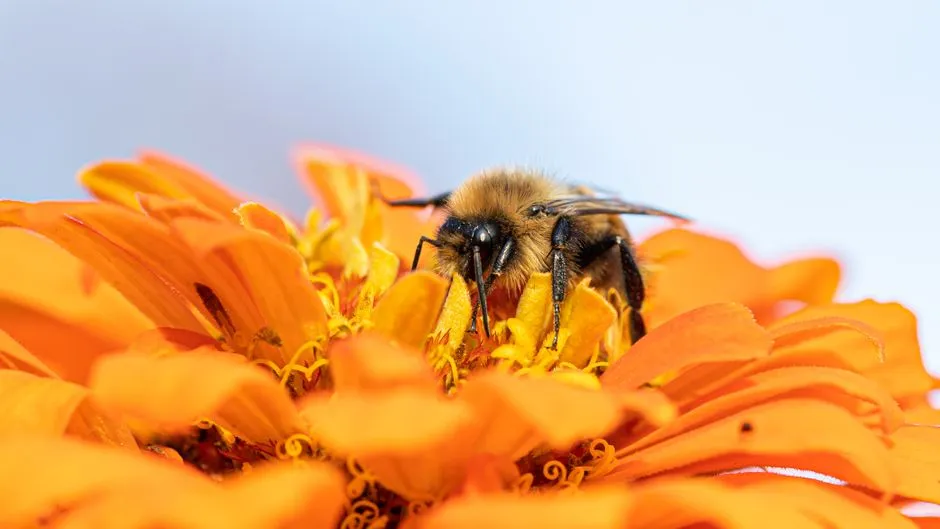
Many common shareable plants attract bees, butterflies, and other pollinators. Spreading these plants around a neighborhood can expand valuable habitat and improve the overall ecological value of local landscapes. Every cutting that finds a new home is a step toward a denser, more biodiverse neighborhood ecosystem.
Pollinator-friendly gardens can boost local bee populations by roughly thirty percent. When those garden varieties are propagated and passed between neighbors through trades rather than sourced from distant suppliers, the ecological payoff is compounded. Organic gardening reduces pesticide use by nearly four-fifths per household, and gardens grown from shared, locally adapted cuttings tend to follow more natural, chemical-light growing methods almost by default.
Keeping the Method Alive in a Digital World

An upstart generation of houseplant lovers has been fostering a fast-growing movement of plant swaps as community-building happenings. Social media has given the old handshake method a much larger reach, connecting gardeners who might never have found each other otherwise. Local libraries often host seed swaps and workshops, community centers run garden clubs and co-ops, and online platforms like Meetup and Facebook Groups carry the movement into digital spaces.
Despite the advent of sophisticated financial systems and digital transactions, barter still thrives in various forms across the globe, particularly within local communities and informal economies. The garden cutting trade is one of the cleanest examples of this. Technology can find the swap. The handshake still closes it. Collecting plants such as rare cultivars, new colors, and unusual variegations is predicted to be one of the big garden trends for 2026, giving the old practice fresh fuel as a growing community hunts for varieties that no nursery shelf will ever carry.
The Takeaway
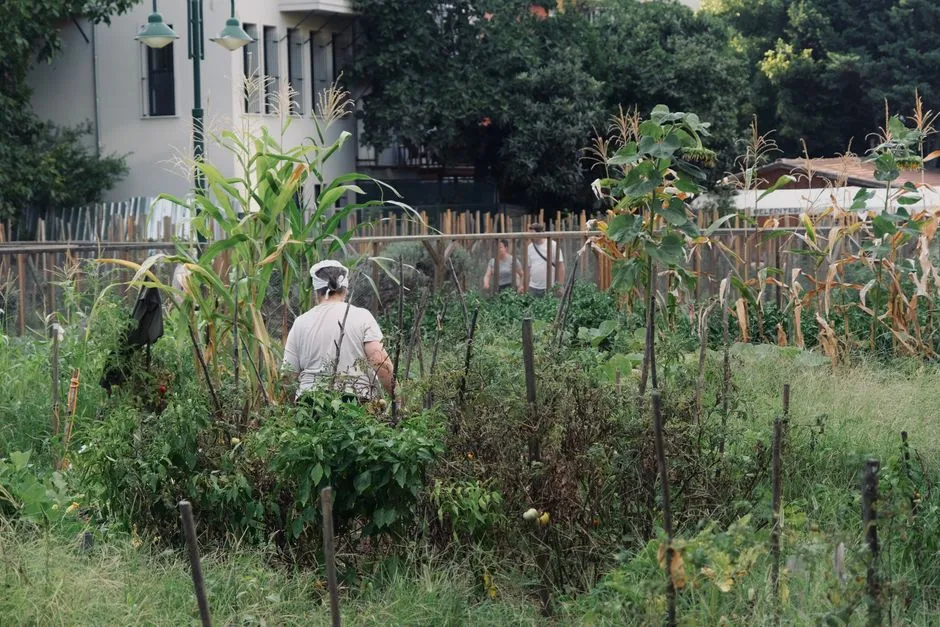
Grandpa’s method was never complicated. You grew something well, you shared a piece of it, you shook hands, and you both walked away richer for it. That simplicity is precisely why the approach has lasted as long as it has. The world has changed dramatically around it, but the logic at its center hasn’t moved an inch.
In 2026, with community gardens growing, plant collecting trending upward, and neighborhood barter networks gaining new attention, the handshake deal for garden cuttings looks less like a relic and more like a blueprint. Some of the best systems, it turns out, never needed improving in the first place.
AI Disclaimer: This article was created with the assistance of AI tools and reviewed by a human editor.