
Why Victory Gardens Worked So Well in the First Place
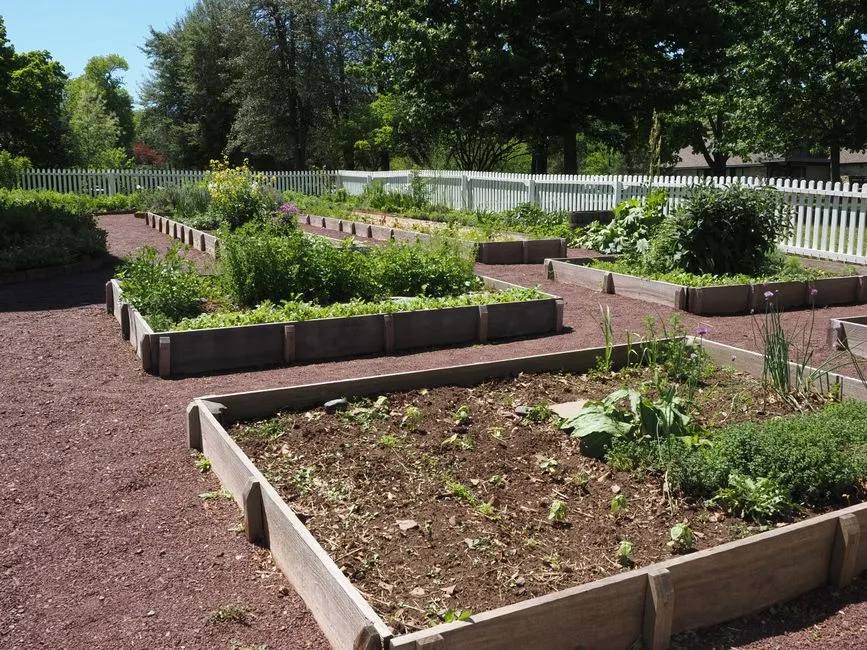
During World War II, ordinary Americans turned backyards, rooftops, and vacant lots into farmland almost overnight. According to archived USDA fact sheets, there were more than 20 million victory gardens in 1943, which produced 10 billion pounds of food. That effort wasn’t a side hobby either. USDA data from the time declared that 42 percent of all produce grown in 1943 came from victory gardens.
The lesson for beginners is simple: small plots, multiplied by millions of ordinary people, added up to something enormous, and yours can matter too, even if it’s just a few raised beds.
The Three Sisters Method Still Makes Sense
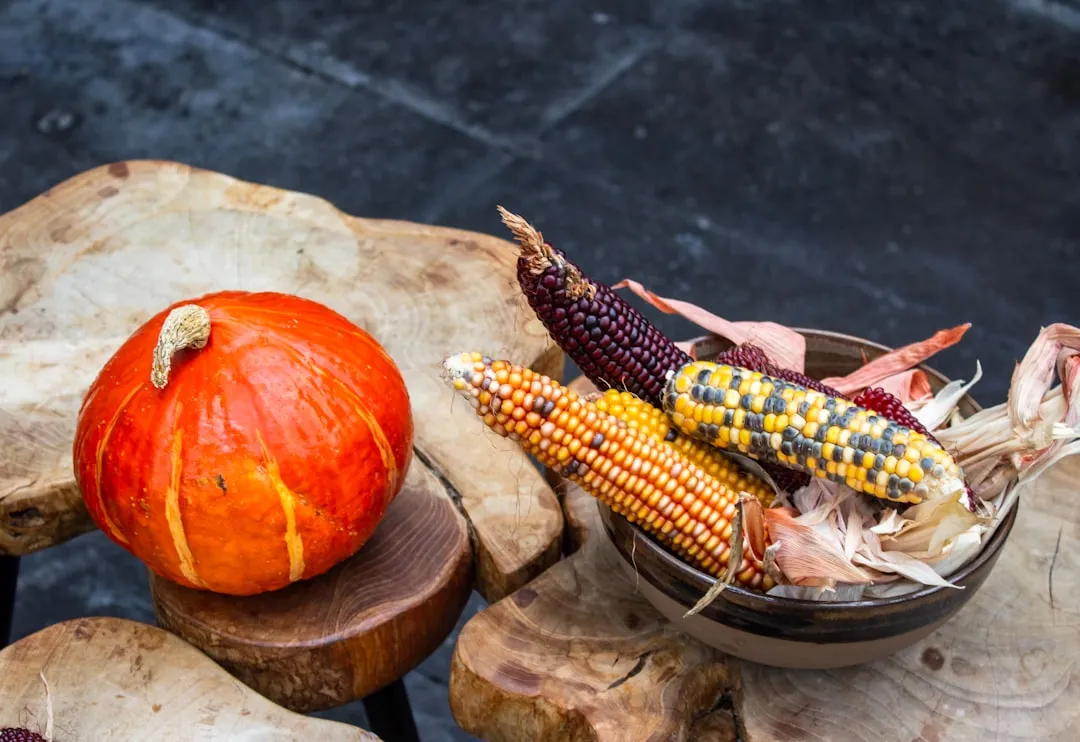
Grandma didn’t need a soil scientist to tell her that corn, beans, and squash grow better together than apart. This planting method predates victory gardens by centuries, and modern extension research confirms why it works so well. The ‘three sisters’ trio of plants developed by Native Americans has the corn stalks supporting the bean vines as they grow, the beans fixing nitrogen in the soil, and the large squash leaves shading the roots. It’s a tidy little ecosystem in miniature, and it needs almost no equipment beyond a hoe and some patience.
Marigolds Are More Than a Pretty Border
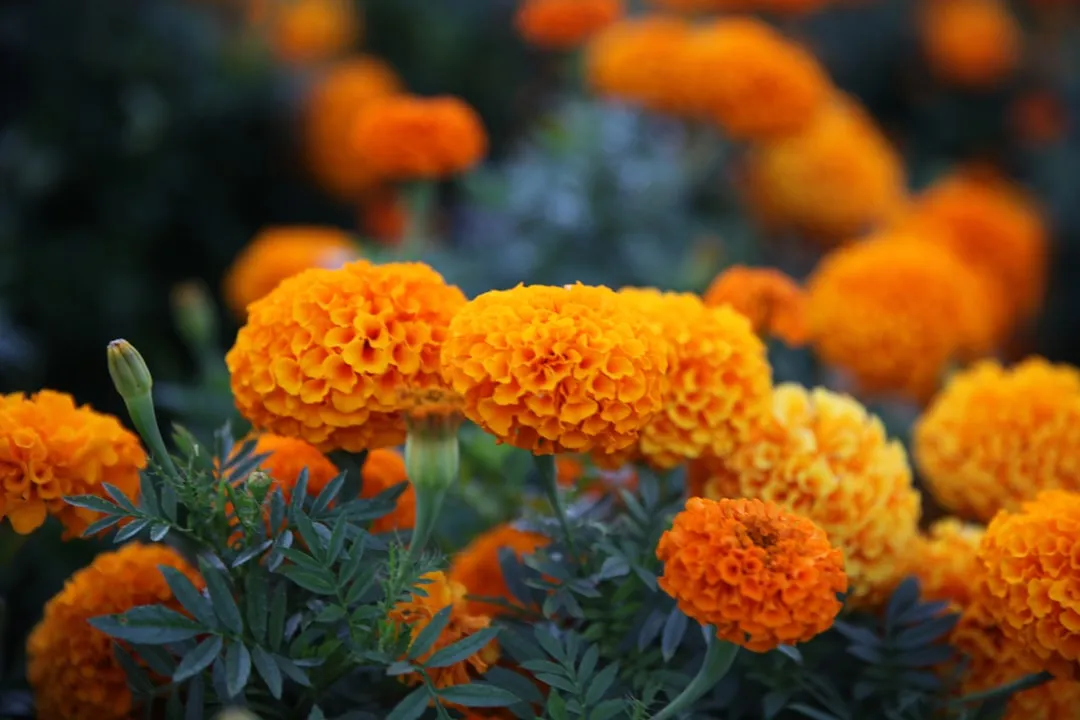
Every old garden photo seems to have a ring of marigolds around the vegetable beds, and that wasn’t just decoration. Researchers have since backed up part of the folklore. French and English marigolds have been used as effective companion plants in a number of pest and crop scenarios, reducing pest populations either through repellent volatile chemistry or by promoting beneficial insect populations.
A 2019 study out of Newcastle University even found that French marigolds grown next to tomatoes throughout the growing period significantly slowed the development of a whitefly population. Not every old marigold claim checks out though; extension researchers note multiple controlled field studies summarized by University of Minnesota Extension show marigolds do not reduce Colorado potato beetle damage on potatoes, so it pays to know which pairings are proven and which are just folklore.
Saving Seeds Instead of Buying New Ones Every Spring
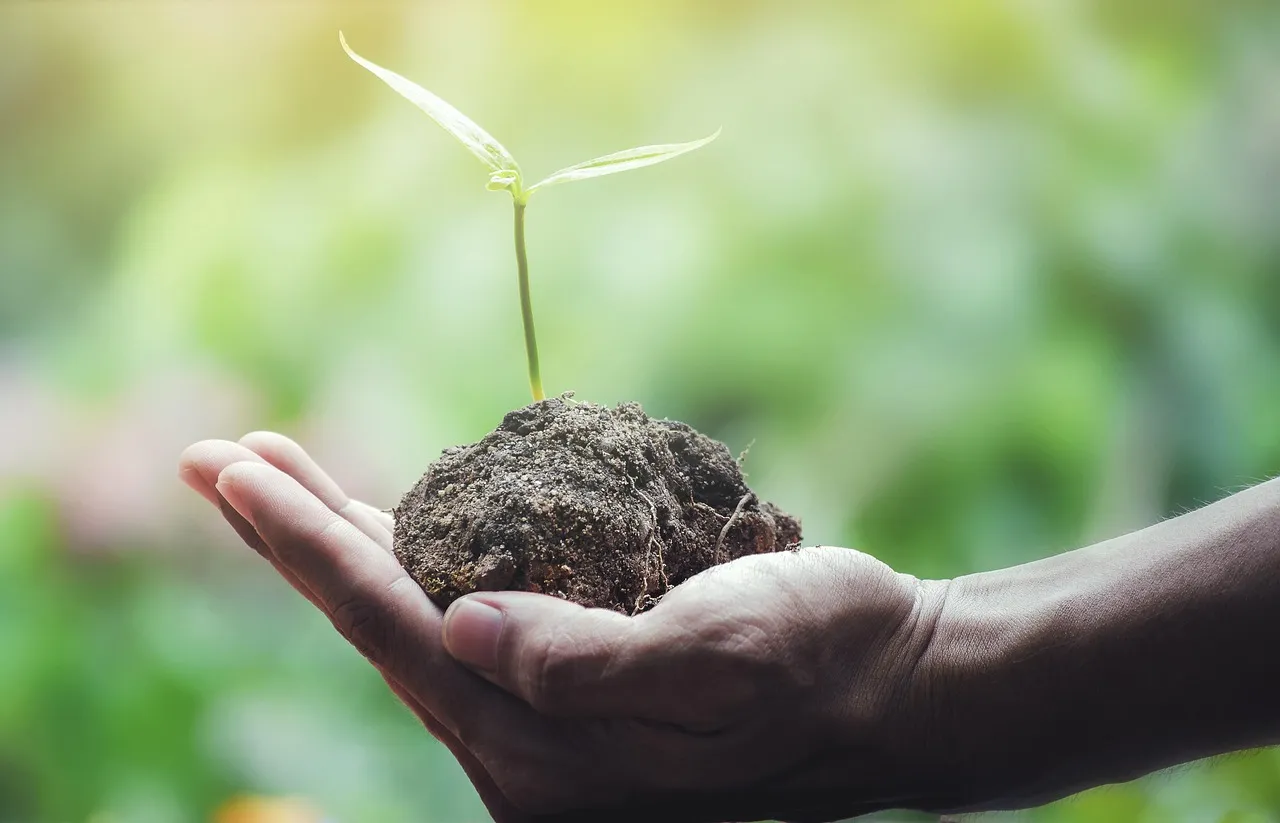
For grandma’s generation, buying a fresh packet of seeds every year wasn’t really an option, so seed saving became second nature. The easiest crops to start with are the same ones beginners are told to try today. Some of the easiest crops to collect seeds from are beans, peas, and lettuce.
That’s because these crops have flowers that self-pollinate, and lettuces, beans, and peas are typically all heirloom or open-pollinated varieties, so their seeds will come true-to-type. Organizations like Seed Savers Exchange have kept this tradition alive at scale, and in 2024 alone more than 50,000 individuals ordered seeds through the SSE catalog or online store, where more than 600 open-pollinated varieties of vegetables, flowers, and herbs are available year-round.
Why Heirloom Varieties Matter for Biodiversity
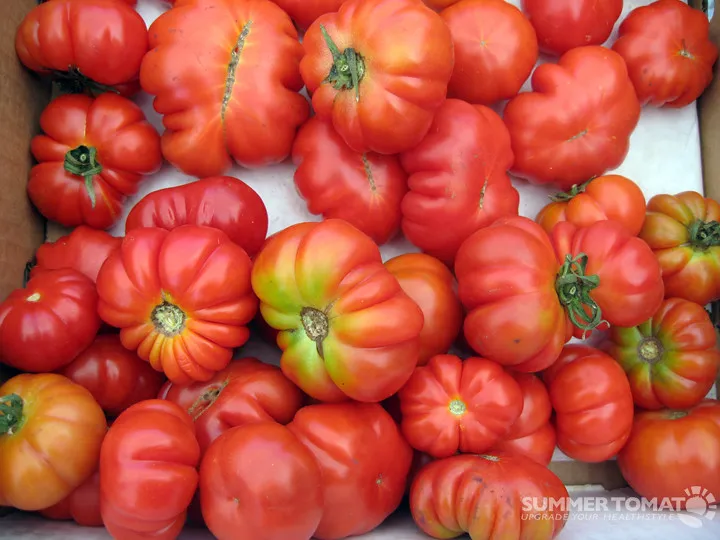
Grandma’s tomato seeds weren’t just sentimental keepsakes; they represented genetic diversity that modern agriculture has largely traded away. In the last century or so, the world has lost 75 percent of its edible plant varieties.
That matters practically, not just historically, because when seed diversity is strong, our food system is protected, as this diversity increases the likelihood of having crop varieties that can adapt to different climate conditions and become resistant to certain diseases. Growing even one heirloom variety in a backyard plot is a small but real contribution to keeping that genetic library alive.
Composting Was Never Optional
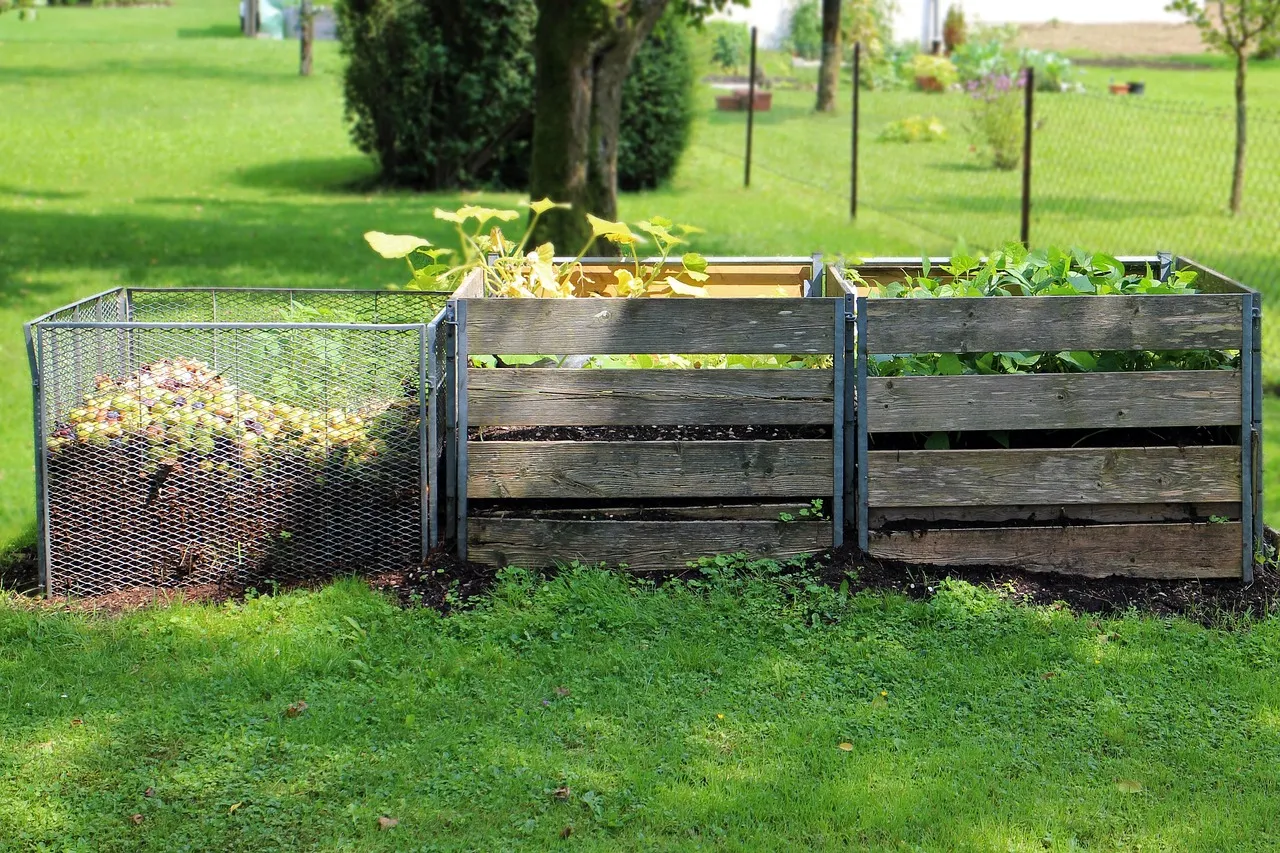
Nothing went to waste in a victory garden household, and kitchen scraps were treated as a resource rather than trash. That habit has aged well; interest in composting has climbed steadily as gardeners look for cheaper, more sustainable ways to feed their soil. Modern composting doesn’t require fancy equipment either, just a bin, some patience, and a willingness to turn the pile occasionally. It’s one of the few gardening habits that costs nothing and pays back in better soil year after year.
Succession Planting Keeps the Harvest Coming
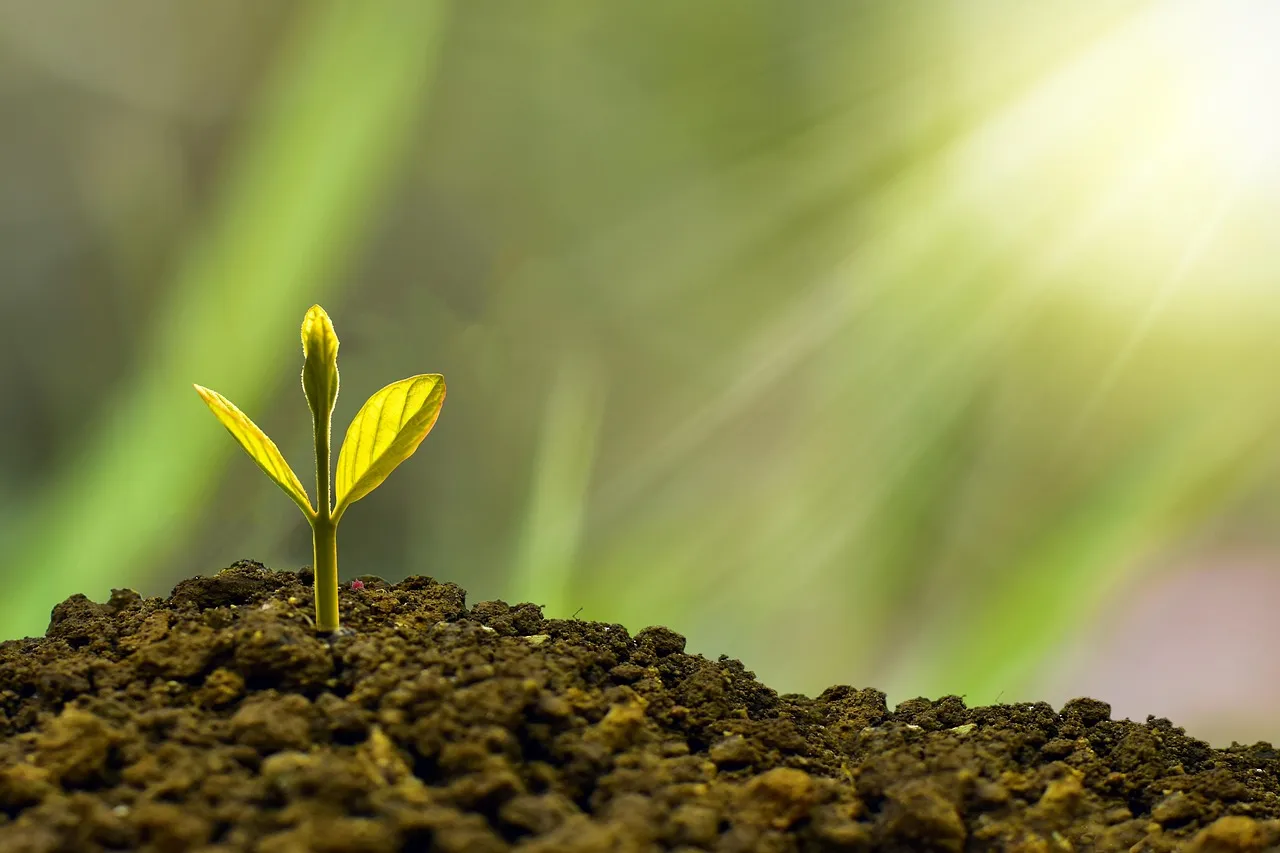
Wartime gardening pamphlets pushed families to think beyond a single spring planting, and that advice still holds up. Fledgling farmers were advised to maximize their garden’s productivity by practicing succession planting and were encouraged to record the germination rates of seeds, along with any diseases or insects they may have encountered, in order to minimize waste and improve their garden’s output the following year.
That habit of keeping notes season to season is arguably as valuable as any single planting trick, since it turns every year’s mistakes into next year’s shortcuts.
Starting Small Was the Whole Strategy
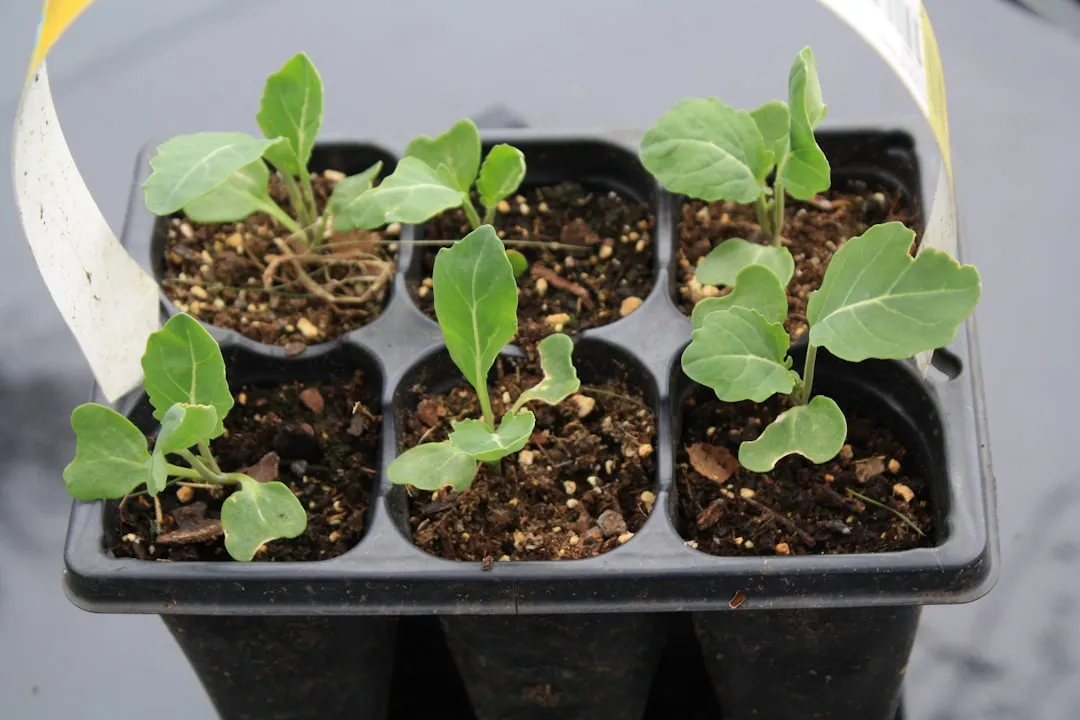
Grandma rarely started with acres of land. Most victory gardens were modest by necessity, tucked into whatever space was available, whether that meant a window box, a rooftop, or a small backyard plot. Americans grew food in whichever locations they could find: small flower boxes, apartment rooftops, backyards or deserted lots of any size. Beginners today can take that same permission to start tiny, since a handful of containers on a patio can teach the same lessons as a full-sized plot without the overwhelm.
Gardening Is Booming Again, and Not for Nostalgia Alone
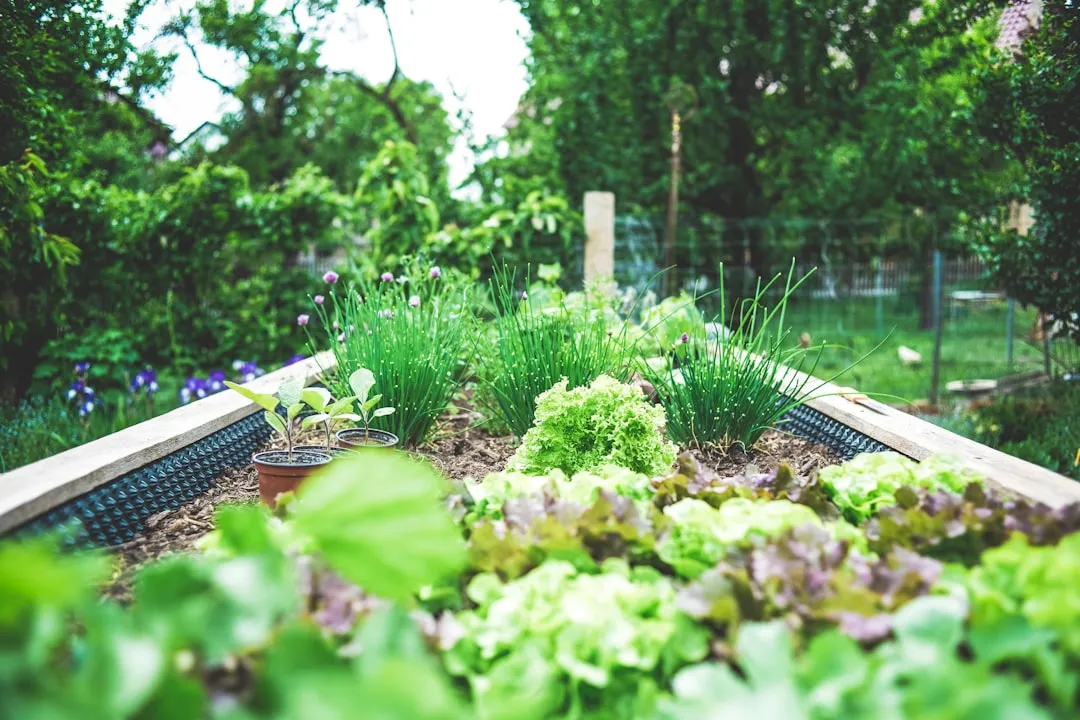
It turns out the instinct to grow your own food never really went away, it just resurfaces when budgets get tight. Growing food at home is no longer just a hobby for a growing number of households, it is a budgeting strategy. Recent survey data backs this up directly: among 2025 food gardeners, two in three cited access to higher-quality produce as their primary motivation while over half were explicitly trying to lower grocery bills, and in urban areas specifically, roughly one in ten city gardeners reported growing food because they could not otherwise afford to eat.
Looking ahead, total gardening spending reached an all-time high of 79.0 billion dollars in 2025, up 13.5 percent over 2024, with per-household spending climbing to a record 740 dollars, up 18.3 percent. Younger generations are driving a lot of this shift too, since home gardeners spent more time gardening in 2025, with the percentage highest among millennials at nearly two thirds, with Gen Z following closely behind.
Community Gardening Never Really Went Out of Style
Victory gardens were rarely solitary projects; neighbors traded tips, tools, and surplus produce as a matter of course. Neighborhood and community committees were formed with veteran gardeners guiding newcomers, and these committees also helped with distribution of surplus food and sharing of equipment.
That spirit lives on in seed libraries and swaps happening across the country today. The number of seed libraries has grown to over 450 across the globe, with most being established in the United States. Modern gatherings echo the old block-party feel too, since one recent seed exposition drew more than 2,200 people from 35 countries who registered for the online Seed Library Network summit the year before.
A Few Old Habits Worth Keeping
AI Disclaimer: This article was created with the assistance of AI tools and reviewed by a human editor.