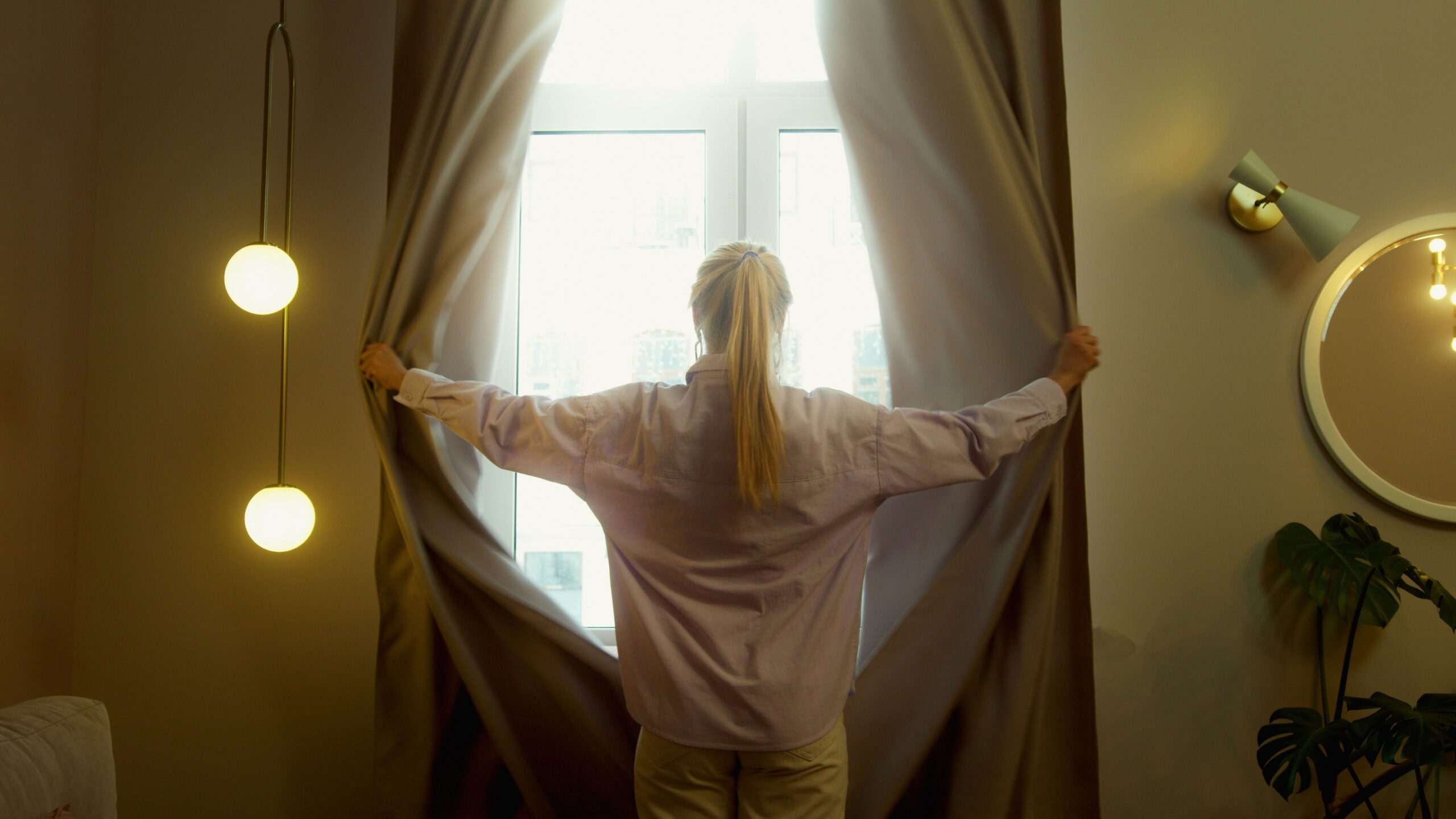

There’s something quietly satisfying about realizing that a habit from your grandmother’s house was, in fact, a small act of genius. She pulled the heavy drapes closed at dusk, opened them wide on sunny winter mornings, and layered linen sheers under thick wool panels without giving it a second thought. No app, no thermostat nudge, no energy audit required.
That instinct is making a comeback. As utility bills climb and homeowners search for low-cost, high-impact fixes, the thermal curtain is having a real moment. Not because it’s new, but because the data now backs up what grandma already knew.
Why Windows Are Your Home’s Weakest Point
The physics here is straightforward and a little sobering. Poorly insulated windows account for nearly thirty percent of energy loss in a home. That’s not a small leak. For context, a well-insulated exterior wall can have an R-value many times higher than a standard window, meaning heat moves through glass far more easily than through your walls.
A typical insulated external wall may have an R-value of around R-15, whereas a single-pane window is often R-1 or lower. Even double glazing, while better, still can’t compete with solid insulation. This disparity is why windows account for a disproportionate share of household heat loss.
Warm indoor air circulates near cold windows, cooling as it moves. Infrared heat also radiates through the window glass. Drapes create a pocket of still air that slows these processes, keeping warm air in during winter and blocking heat out in summer. It’s a simple mechanism. It works.
What Grandma Was Actually Doing (The Science Behind the Habit)
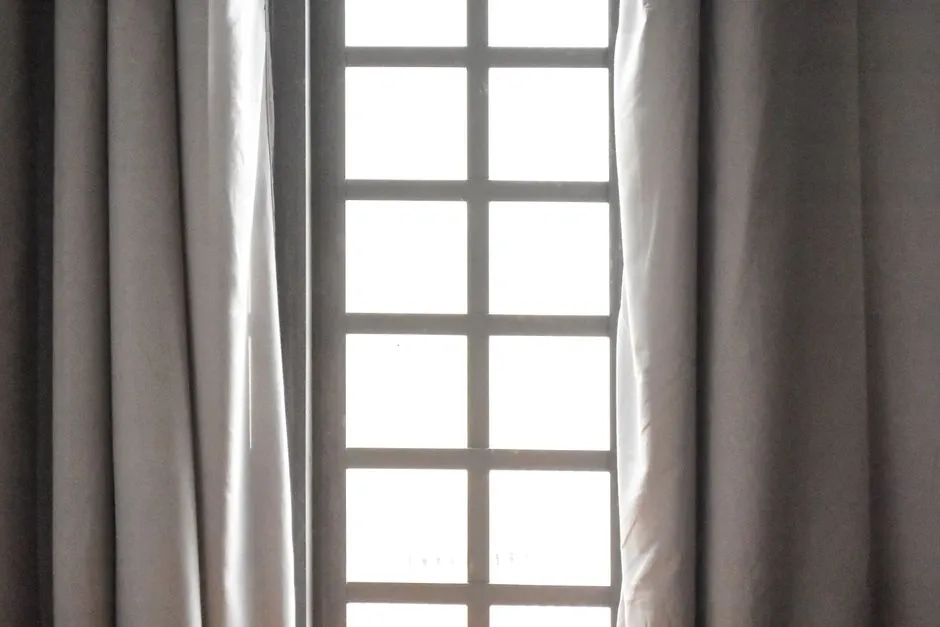
Thermal curtains work by holding heat in your home essentially the same way your winter coat holds in warmth. When she pulled those heavy drapes shut before sundown, she was trapping a layer of still air between the fabric and the glass. That pocket of air acts as a buffer against heat transfer.
Insulating curtains create a dead-air space that keeps cold air from infiltrating a room. When properly installed, they reduce drafts, which makes the living space more comfortable. Grandma probably just called this “keeping the cold out.” Scientists call it reducing convective heat exchange. Same thing.
According to a study by Baker (2008), energy savings from using curtains can range from 41% to 62%, depending on the type and installation of window coverings. That’s a wide range, and it’s wide for a reason. The curtain matters, but so does how you hang it.
The Real Numbers: What Thermal Curtains Actually Save
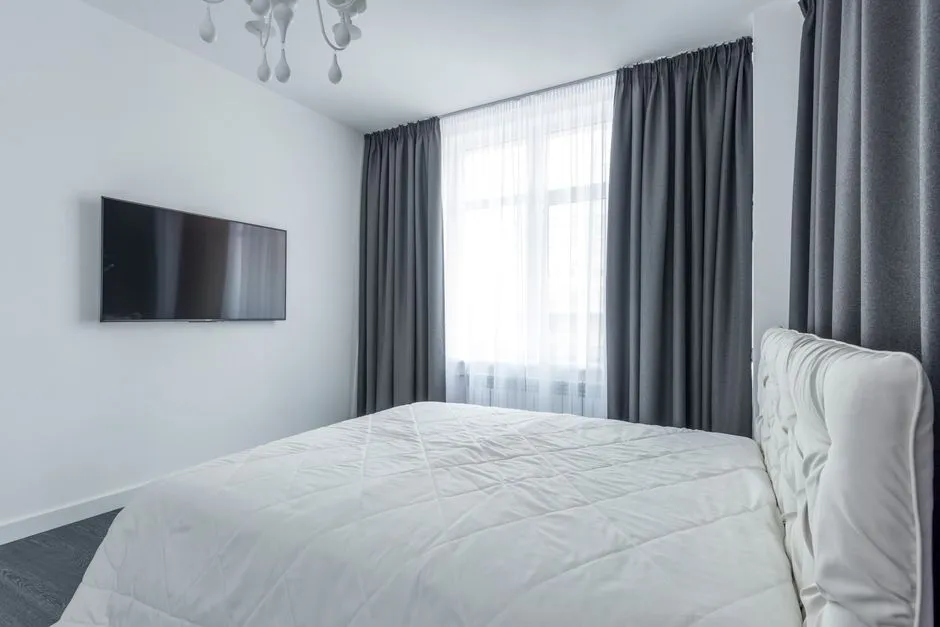
The U.S. Department of Energy states that thermal curtains can reduce heat loss by up to sixty percent in winter and lower cooling loads by up to one third in summer. The average household can save between one hundred and three hundred dollars annually depending on usage and home size.
Standard curtains offer limited insulation, typically reducing heat loss by around ten percent. Well-designed and properly installed thermal curtains can reduce winter heat loss by approximately twenty-five to thirty-three percent. The jump from a basic panel to a proper thermal curtain is significant.
A study of 50 homes in Chicago found that insulated curtains reduced winter heating costs by an average of 18%. Most basic thermal curtains pay for themselves in one to two seasons. That’s a fast return on a relatively modest investment.
The Fabric Choices Grandma Knew Instinctively

Higher thread count materials were found to be best at limiting air movement, and wool and velvet ranked best of all in density and improving thermal resistance. It’s worth pausing on that. Grandma’s velvet drapes weren’t just decorative. They were doing real thermal work.
Velvet and suede are heavy fabrics that are excellent for trapping heat. Thermal-lined cotton combines aesthetic appeal with performance. Wool and fleece are dense materials that naturally insulate. These aren’t niche specialty products. They’re traditional textiles that happen to perform well.
Modern thermal curtains are made with multi-layer fabrics: a decorative layer, an insulating layer made from felt, polyester, or denser fabrics, and sometimes a reflective polyester or aluminium backing. The structure is more sophisticated today, but the principle is the same one grandma applied with her heavy drapes.
Color Matters More Than You’d Expect
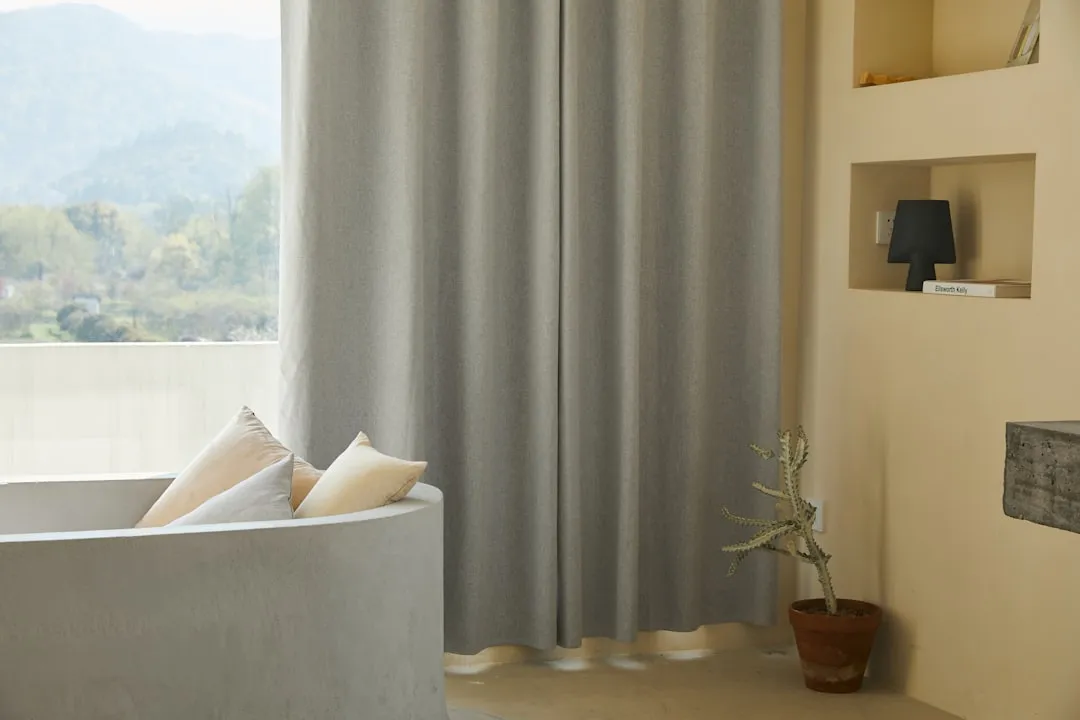
Studies have found that medium-colored draperies with white plastic backings can reduce heat gain by 33 percent, according to the DOE. The backing color, the side facing the glass, turns out to be just as important as the outer fabric.
A dark lining on the window-facing side of a curtain absorbs solar radiation and converts it to heat, which it then radiates into the room. A white or light-colored lining reflects that radiation back out before it enters the room. In summer, a dark-backed curtain can actually make a room warmer by acting as a heat sink. That’s the opposite of what you want.
Light colors reflect sunlight in summer and reduce heat gain. Dark colors absorb and retain warmth in winter. A practical takeaway: choose your curtain color based on the season you most want to manage, or go for a light-colored lining year-round if cooling is your priority.
How You Hang Them Changes Everything
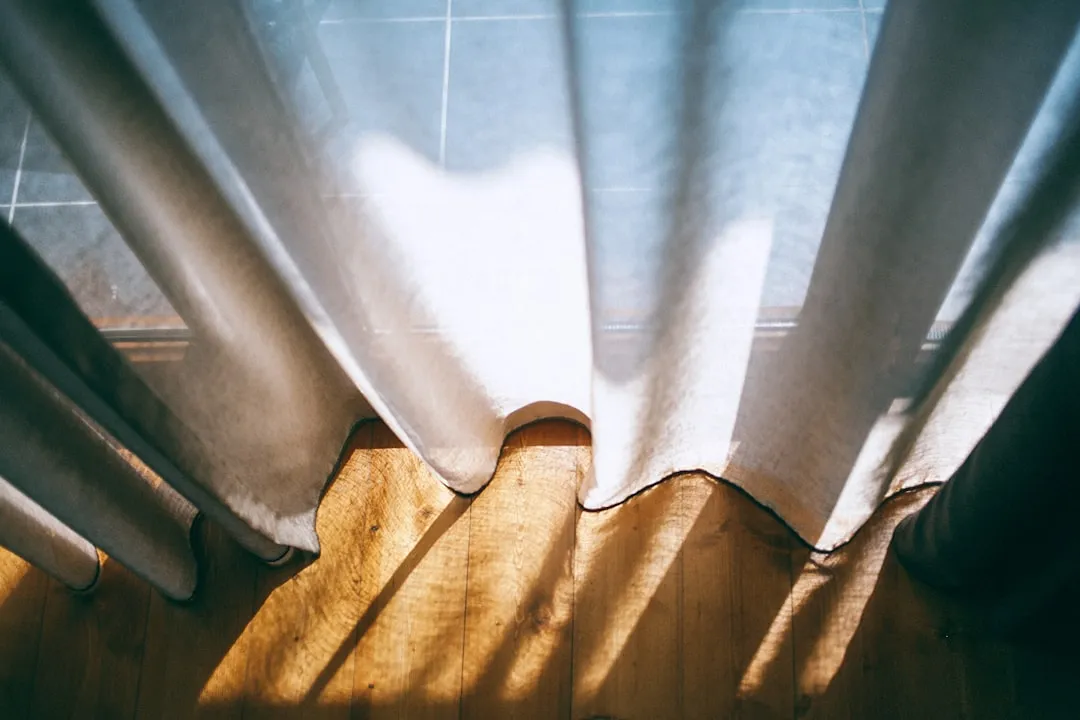
This is where most people get it wrong. They buy a decent thermal curtain, hang it casually, and wonder why the results are underwhelming. Feather (1980) emphasized that the driving factor in energy savings was not necessarily the curtain’s weight or type, but how well the curtain was fixed at the perimeter.
Studies examining heat transfer found that sealing the sides of a curtain to the wall, using methods such as magnetic strips or hook-and-loop fasteners, significantly improves performance. In controlled tests, this approach reduced heat transfer by nearly one fifth compared with loosely hanging curtains. The improvement comes from limiting convective air movement, which is otherwise a major driver of heat loss.
Proper installation – a high rod, extended rod width, floor-length panels, and a French return to seal the wall edge – can be the difference between eight percent savings and twenty-five percent savings from the same curtain. The curtain is the tool. The installation is the technique.
The Pelmet: Grandma’s Secret Weapon

If you’ve looked at old photographs of Victorian or mid-century living rooms, you’ve likely noticed that box-shaped structure at the very top of the curtain. That’s a pelmet, and it wasn’t purely decorative. When warm air inside your room touches a cold window pane, it loses its heat and becomes denser. This cooled air sinks to the floor, creating a persistent draft and pulling more warm air from the ceiling into the gap behind your curtains. Without a barrier, your windows act like a permanent engine for heat loss.
A correctly installed pelmet breaks the convection cycle by preventing warm air from entering the space between the curtain and the glass. It can increase the R-value of your window treatment by up to twenty-five percent by creating a dead air space that significantly resists thermal transfer.
Studies show that adding a sealed pelmet can cut another fifteen to twenty-five percent of heat loss at the window. That’s a meaningful gain from a piece of wood or fabric board fixed above a curtain rail. Grandma’s pelmet was pulling genuine engineering weight.
The Seasonal Rhythm She Followed Every Day
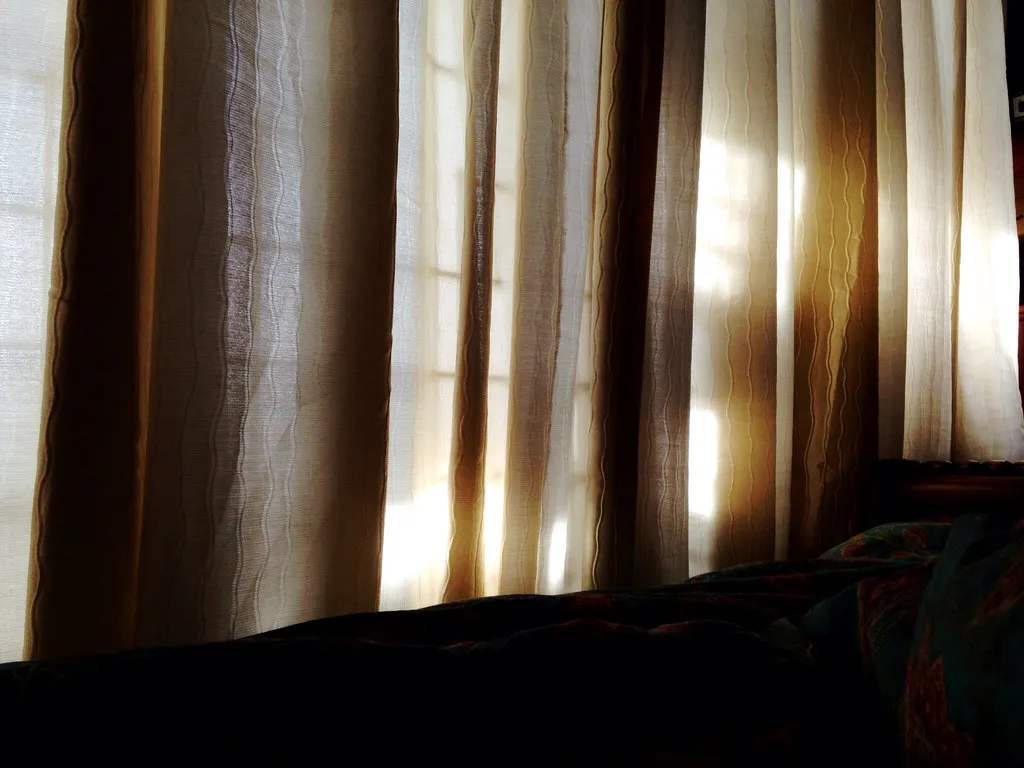
One thing grandma understood intuitively was timing. The curtain trick only works when you work it. In winter, open curtains during sunny hours to let heat in, then close them at dusk to trap warmth. It’s a passive solar strategy that costs nothing beyond the habit itself.
In summer, closing curtains during peak sun hours – roughly eleven in the morning to four in the afternoon – significantly limits how much solar heat enters the room. Blackout curtains or blinds can keep rooms cooler by several degrees, especially in the afternoon. Less sun means less heat, and that means less air conditioning working overtime.
During winter, open curtains on west and south-facing windows to make use of the sun’s heat. Opening curtains also reduces the buildup of moisture from condensation. When the sun goes down, close them to get the benefit of their insulating properties. Simple to describe. Effective in practice.
Layering: The Underused Power Move
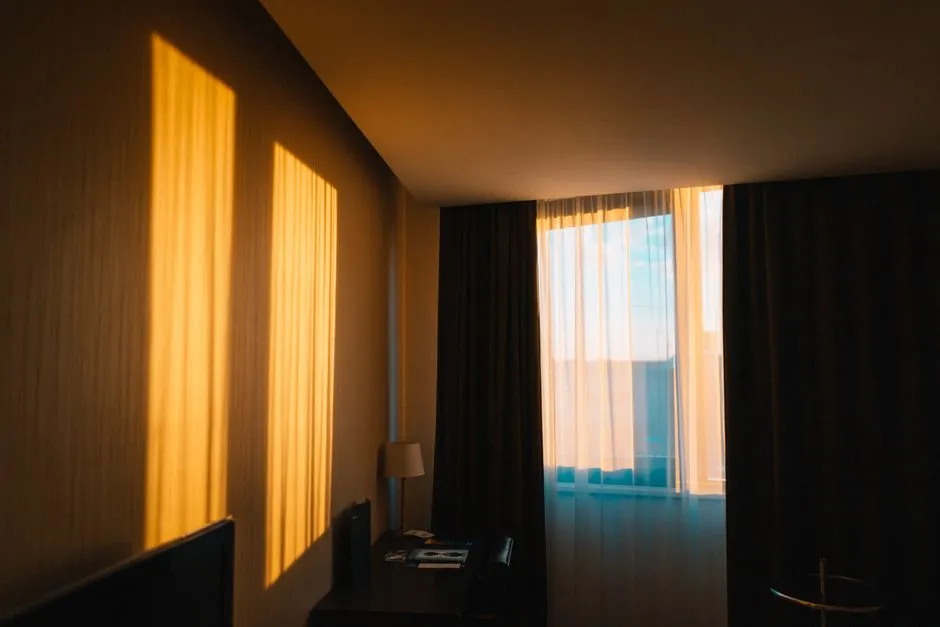
Thermal blinds combined with blackout curtains deliver great light and heat control. Sheers by day paired with thermal drapes at night offer flexible temperature management that can drastically cut energy use. Grandma’s layered window setup wasn’t an accident. It was a system.
Layering window curtains can take advantage of warm sunlight during daylight hours and keep heat in during the night. Use sheers closer to the window, and hang insulated curtains toward the inside of the room. This arrangement gives you control over light, privacy, and temperature independently.
Cellular shades work similarly to insulated curtains by trapping air within honeycomb structures. They are highly effective at reducing energy loss and can be paired with traditional curtains for added insulation. Layering different window treatments together is currently one of the most recommended approaches by energy efficiency experts.
Where Modern Technology Meets the Old Habit
The same instinct that drove grandma to close her curtains before sundown is now being encoded into smart home systems. The global smart curtain systems market was valued at 1.43 billion dollars in 2024 and is projected to grow to 3.18 billion dollars by 2034, at a compound annual growth rate of 13.5%. That’s a market growing fast because the underlying logic is sound.
Smart curtain systems are automated window treatment solutions that use motorized tracks, sensors, and smart technologies to control the opening and closing of curtains or blinds. These systems can be operated remotely via mobile applications, voice commands, or scheduled timers. Advanced models integrate with light sensors, motion detectors, and home automation hubs, enhancing convenience, energy efficiency, and security.
Automated sensors that open or close curtains based on sunlight intensity can enhance indoor climate control and reduce energy consumption by up to thirty percent. The old habit now has a motor and a Wi-Fi connection, but the goal is unchanged: use the curtain intelligently, and your home stays more comfortable for less money.
The Environmental Case Worth Knowing

The energy savings argument for thermal curtains is well-established, but the environmental angle is worth knowing too. The average home emits three to five tons of CO2 annually from HVAC use. Energy-efficient window treatments can cut this by eight to fifteen percent. That’s not a trivial reduction for something that requires no construction work and no professional installation.
Since thermal curtains are relatively affordable and require no construction work, the return on investment is much faster than with other insulation alternatives. Compare that to replacing windows, which can cost thousands of dollars per window, and the curtain approach looks even more reasonable. It won’t replace proper insulation, but as a complement it delivers real value.
The evidence shows that thermal curtains are not a marginal upgrade. When treated as part of the building’s thermal system rather than a decorative accessory, they can substantially improve comfort and reduce energy demand. The evidence has caught up with what grandma already practiced without needing to read a single study.
A Simple Trick Worth Keeping
AI Disclaimer: This article was created with the assistance of AI tools and reviewed by a human editor.