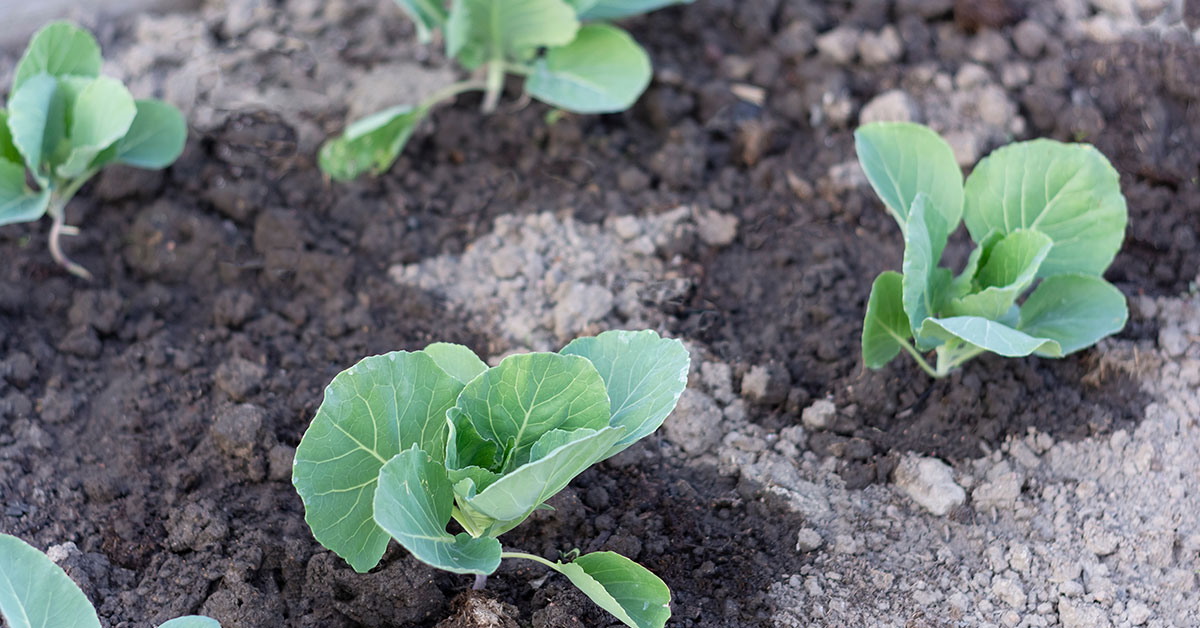

Graffiti Cauliflower is known to be a visually stunning variety of cauliflower and is a true feast for the senses. Boasting vibrant purple and green hues that make it stand out in any garden or dish. In this article, we will delve into the art of growing Graffiti Cauliflower, providing you with all the essential information and tips you need to successfully cultivate this beautiful and nutritious vegetable.
What is Graffiti Cauliflower?
When you think of cauliflower, you might envision the typical white florets that are commonly found in supermarkets. However, there’s a vibrant and stunning variety of cauliflower known as Graffiti Cauliflower that has been gaining popularity in recent years.
Graffiti Cauliflower, scientifically known as Brassica oleracea var. botrytis, is a unique and visually striking vegetable. It gets its name from the colorful purple hues that cover its tightly packed curds, giving it an appearance reminiscent of graffiti art. Unlike traditional cauliflower, this variety adds a pop of color to any dish, making it a favorite among food enthusiasts and creative chefs.
Originating from the Mediterranean region, Graffiti Cauliflower has a rich history dating back centuries. It is believed to have been cultivated from wild cabbage plants and has since been selectively bred to enhance its vibrant purple color and maintain its desirable taste and texture.
Not only does Graffiti Cauliflower stand out for its extraordinary appearance, but it also offers a host of nutritional benefits. Like its white counterpart, it is low in calories and packed with vitamins, minerals, and dietary fiber. It contains essential nutrients such as vitamin C, vitamin K, folate, and potassium, making it a healthy addition to any diet.
While Graffiti Cauliflower can be enjoyed in various ways, its vibrant color makes it a fantastic ingredient for visually appealing dishes. It can be steamed, roasted, stir-fried, or even used raw in salads. Its striking purple hue adds a touch of elegance and excitement to any meal, making it a favorite among food photographers and social media enthusiasts.
In recent years, the demand for Graffiti Cauliflower has grown significantly, leading to its wider availability in supermarkets and local farmers’ markets. Its unique appearance has made it a popular choice for adding a twist to traditional cauliflower recipes, as well as for experimenting with new and creative dishes.
What does Graffiti Cauliflower taste like?
Graffiti Cauliflower, also known as purple cauliflower, is a visually striking variety of cauliflower that is rich in antioxidants and nutrients. While its appearance may be different from traditional white cauliflower, its taste is surprisingly similar. When cooked, Graffiti Cauliflower has a mild and slightly sweet flavor, with a slightly nutty undertone.
One of the reasons why Graffiti Cauliflower is gaining popularity is its versatility in the kitchen. It can be used in a variety of dishes, just like regular cauliflower. Whether you choose to steam, roast, grill, or stir-fry, the flavor of Graffiti Cauliflower remains delicate and enjoyable.
When cooked, the vibrant purple color of Graffiti Cauliflower may fade slightly, but it still retains a beautiful hue that can add a pop of color to any dish. This makes it a fantastic ingredient to use in salads, stir-fries, soups, or even as a substitute for regular cauliflower in your favorite recipes.
Aside from its taste and visual appeal, Graffiti Cauliflower also has numerous health benefits. Just like other cruciferous vegetables, it is packed with vitamins, minerals, and dietary fiber. It is also a great source of antioxidants, which can help protect your cells from damage and promote overall well-being.
If you’re looking to incorporate more colorful and nutritious vegetables into your diet, Graffiti Cauliflower is definitely worth a try. Its mild and slightly sweet taste, along with its stunning appearance, makes it a fantastic addition to any meal. So why not experiment in the kitchen and let Graffiti Cauliflower brighten up your next culinary adventure?
How to start from seed
Graffiti cauliflower is a unique and visually stunning variety of cauliflower that is becoming increasingly popular among gardeners and food enthusiasts. Its vibrant purple color and delicious taste make it a standout addition to any garden or plate. In this blog, we will guide you through the process of starting your own graffiti cauliflower from seed, so you can enjoy this eye-catching vegetable in your own home.
Choosing the Right Seeds:
The first step in starting graffiti cauliflower from seed is to choose the right seeds. Look for reputable seed suppliers or nurseries that offer graffiti cauliflower seeds. Ensure that the seeds are fresh and have a high germination rate. Consider purchasing organic or heirloom seeds for a more sustainable and diverse garden.
Preparing the Soil:
Graffiti cauliflower thrives in well-draining soil that is rich in organic matter. Start by selecting a suitable location in your garden or prepare a raised bed. Clear the area of any weeds or debris, and loosen the soil with a garden fork or tiller. Amend the soil with compost or well-rotted manure to improve its fertility and moisture-retention capabilities.
Sowing the Seeds:
When it comes to sowing graffiti cauliflower seeds, timing is key. Start by checking the recommended planting dates for your specific region. In most cases, seeds should be sown indoors 4-6 weeks before the last expected frost date. Fill seed trays or small pots with a seed-starting mix, and moisten the soil. Plant the seeds at a depth of ¼ to ½ inch, spacing them about 2 inches apart. Gently press the soil down to ensure good seed-to-soil contact.
Providing Optimal Growing Conditions:
Once the seeds are sown, it is crucial to provide the optimal growing conditions for graffiti cauliflower. Place the seed trays in a warm and well-lit area, preferably near a south-facing window or under grow lights. Maintain a consistent temperature of around 70°F (21°C) to promote successful germination. Keep the soil evenly moist but not waterlogged, as excessive moisture can lead to rotting of the seeds.
Transplanting the Seedlings:
After the seedlings have developed their first true leaves and are about 4-6 inches tall, they are ready to be transplanted into the garden. Harden off the seedlings by gradually exposing them to outdoor conditions, starting with a few hours of sunlight and gradually increasing the exposure over a week. Choose a sunny location in your garden with well-draining soil. Dig holes that are slightly larger than the root ball of the seedlings, and gently place them in the holes. Firmly press the soil around the base of the plants to ensure good contact.
Providing care for your plants:
Graffiti cauliflower plants require consistent care to thrive and produce a bountiful harvest. Water the plants regularly, providing about 1 inch of water per week. Mulching around the plants will help conserve moisture and suppress weed growth. Monitor the plants for pests or diseases and take appropriate action if needed. Additionally, consider providing support for the plants as they grow, especially during windy conditions.
How to grow this vegetable in your garden
Graffiti cauliflower requires a location that receives full sun for at least 6-8 hours a day. It is important to choose a spot in your garden that has well-draining soil, as cauliflower plants do not tolerate standing water. Prepare the soil by removing any weeds and incorporating organic matter such as compost or well-rotted manure to improve soil fertility and drainage.
Planting Graffiti Cauliflower:
Graffiti cauliflower can be grown from either seeds or transplants. If starting from seeds, sow them indoors about 6-8 weeks before the last expected frost date. Transplants can also be purchased from a local nursery or garden center. When planting, make sure to space the plants about 18-24 inches apart to allow for sufficient air circulation and growth.
Watering and Fertilizing:
Proper watering is crucial for the successful growth of graffiti cauliflower. Keep the soil consistently moist but not waterlogged. Water deeply once or twice a week, depending on the weather conditions. Avoid overhead watering to prevent the development of fungal diseases. Additionally, regular fertilization with a balanced organic fertilizer will help promote healthy growth and development.
Pest and Disease Control:
Like other members of the brassica family, graffiti cauliflower is susceptible to certain pests and diseases. Common pests include cabbage worms, aphids, and flea beetles. Regularly inspect your plants for any signs of infestation and take appropriate measures such as using organic insecticidal soap or neem oil to control these pests. To prevent diseases such as clubroot or powdery mildew, practice crop rotation and maintain good airflow around the plants.
Harvesting and Storage:
Graffiti cauliflower is typically ready for harvest 60-80 days after transplanting or 90-110 days after sowing seeds. Harvest the heads when they reach a desirable size and the curds are still tight and compact. Use a sharp knife to cut the head from the stem, leaving a few outer leaves intact. After harvesting, store the cauliflower in the refrigerator, where it will stay fresh for up to a week.
Growing graffiti cauliflower can be a rewarding and enjoyable experience for any home gardener. By following the steps outlined in this guide, you can grow your own colorful and delicious cauliflower crop.