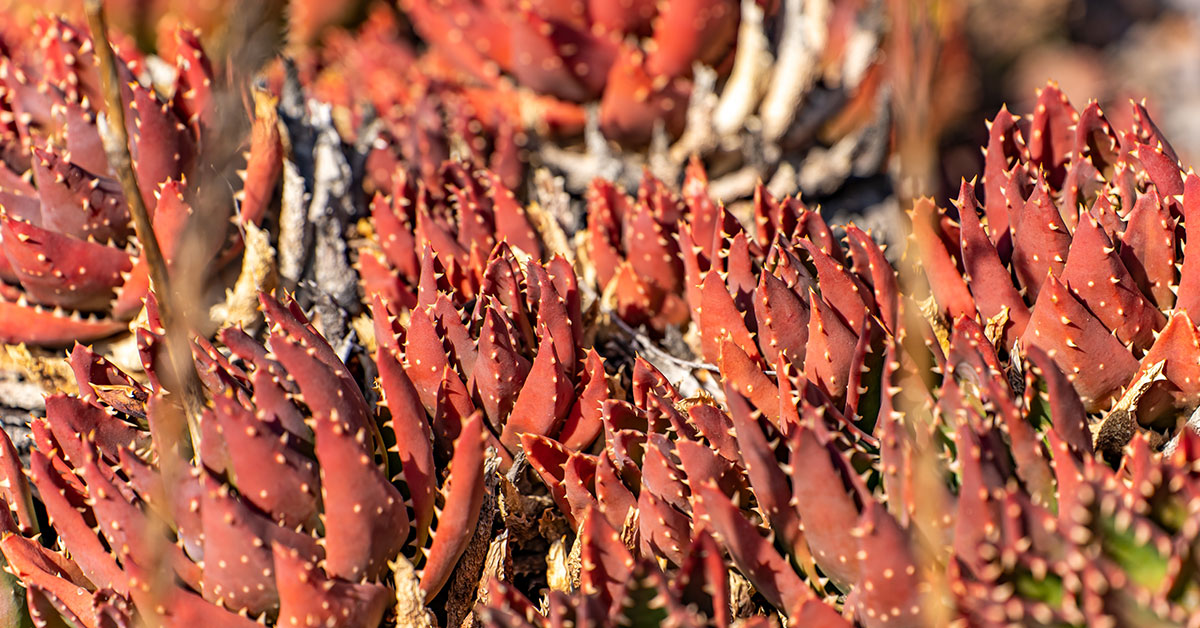

Welcome to the world of Golden Tooth Aloe, a stunning succulent that will add a touch of elegance and beauty to any indoor space. With its vibrant golden-yellow leaves and unique tooth-like spikes, this plant is a true showstopper.
Whether you are a seasoned plant enthusiast or a beginner looking to start your indoor garden, the Golden Tooth Aloe is a perfect choice. In this article, we will delve into the specifics of growing and caring for this remarkable plant, providing you with all the knowledge and tips you need to ensure its successful growth and longevity.
So, get ready to embark on a journey of cultivating and nurturing this extraordinary houseplant, and watch as it transforms your living space into a green oasis.
What is a Golden Tooth Aloe?
The Golden Tooth Aloe, scientifically known as Aloe nobilis, is a popular succulent plant that belongs to the Aloe genus. It is native to South Africa and is commonly grown as a houseplant or in outdoor gardens in warmer climates. The Golden Tooth Aloe is characterized by its rosette-shaped arrangement of thick, fleshy leaves. The leaves are triangular in shape and have serrated edges, resembling the teeth of a saw, hence the name “Golden Tooth.”
The leaves are typically green, but they can develop vibrant shades of orange or red when exposed to bright sunlight or during periods of stress. This aloe variety is known for its striking coloration. The leaves have a golden hue, which intensifies under direct sunlight. The golden coloration is due to the presence of pigments called anthocyanins, which protect the plant from excessive sunlight and help it retain moisture.
Mature Golden Tooth Aloe plants can reach a height of about 1 to 2 feet (30 to 60 cm) and have a similar spread. In addition to its attractive foliage, this aloe species produces tall flower spikes in the summer months. The flowers are tubular and typically orange or yellow in color, attracting pollinators such as bees and hummingbirds. Golden Tooth Aloe is relatively easy to care for, making it a popular choice for both beginner and experienced gardeners.
It thrives in well-draining soil and requires bright, indirect sunlight. It is drought-tolerant and should be watered sparingly, allowing the soil to dry out between waterings. Overwatering can lead to root rot and other issues. Overall, the Golden Tooth Aloe is a visually appealing succulent with its golden leaves and toothed edges. It can add a touch of color and texture to any indoor or outdoor garden setting.
Where is Golden Tooth Aloe native?
The Golden Tooth Aloe, also known as Aloe nobilis or Aloe variegata, is native to the Arabian Peninsula, specifically in Yemen and Saudi Arabia. It is also found in parts of North Africa.
In terms of invasiveness, the Golden Tooth Aloe is not considered invasive in most regions. It is primarily grown as a houseplant or in gardens, and it does not typically spread aggressively or become a nuisance in natural ecosystems. However, it’s worth noting that the plant can self-seed and produce offsets, which may require occasional management to prevent overcrowding in a garden setting.
How to grow Golden Tooth Aloe indoors
Golden Tooth Aloe, also known as Aloe nobilis or Golden Toothed Aloe, is a beautiful succulent plant that can be grown indoors. Here is a care guide to help you successfully grow Golden Tooth Aloe indoors:
- Light: Golden Tooth Aloe thrives in bright, indirect sunlight. Place your plant near a south or west-facing window where it can receive at least 6 hours of sunlight per day. Avoid placing it in direct sunlight, as it can scorch the leaves.
- Temperature: This plant prefers temperatures between 60-80°F (15-27°C). Protect it from extreme temperature fluctuations and cold drafts, as they can harm the plant.
- Watering: Golden Tooth Aloe is a succulent and requires well-draining soil. Water your plant thoroughly, allowing the soil to dry out completely between waterings. Overwatering can lead to root rot, so it’s better to underwater than overwater. During winter, reduce watering frequency as the plant goes into a dormant period.
- Soil: Use a well-draining soil mix specifically formulated for succulents or cacti. You can also create your own mix by combining regular potting soil with perlite or coarse sand to improve drainage.
- Fertilizer: Golden Tooth Aloe is not a heavy feeder, so it doesn’t require frequent fertilization. During the growing season (spring and summer), you can apply a balanced, water-soluble fertilizer diluted to half strength once a month. Avoid fertilizing during winter when the plant is dormant.
- Humidity: Golden Tooth Aloe is adapted to low humidity environments, making it suitable for indoor conditions. It doesn’t require additional humidity, but if the air in your home is very dry, you can occasionally mist the leaves with water.
- Pruning: Remove any dead or damaged leaves by gently pulling them off at the base. This will help maintain the plant’s appearance and prevent any potential disease or pest issues.
- Propagation: Golden Tooth Aloe can be propagated through offsets or “pups” that grow around the base of the plant. Carefully remove the offsets and plant them in a separate pot with well-draining soil. Allow the cut ends to dry for a day or two before planting to prevent rotting.
- Pests and Diseases: Golden Tooth Aloe is generally resistant to pests and diseases. However, overwatering can lead to root rot, and mealybugs or scale insects may occasionally appear. If you notice any signs of pests, gently wipe the affected areas with a cotton swab dipped in rubbing alcohol.
By following these care guidelines, you can enjoy a healthy and thriving Golden Tooth Aloe plant indoors. Remember to observe your plant closely and adjust care as needed based on its specific requirements.
How to grow Golden Tooth Aloe outdoors
Golden Tooth Aloe, also known as Aloe nobilis or Golden Toothed Aloe, is a beautiful succulent plant that can be grown outdoors in suitable climates. Here is a care guide to help you successfully grow Golden Tooth Aloe:
- Climate: Golden Tooth Aloe thrives in warm and dry climates. It is best suited for USDA hardiness zones 9 to 11. It cannot tolerate frost or extreme cold temperatures.
- Sunlight: Provide your Golden Tooth Aloe with plenty of bright sunlight. It prefers full sun to partial shade. Place it in a location where it can receive at least 6 hours of direct sunlight per day.
- Soil: Well-draining soil is crucial for the healthy growth of Golden Tooth Aloe. Use a cactus or succulent-specific potting mix, or create your own by mixing regular potting soil with perlite or coarse sand to improve drainage.
- Watering: Golden Tooth Aloe is a drought-tolerant plant and can withstand periods of dryness. Allow the soil to dry out completely between waterings. Water deeply but infrequently, ensuring that excess water drains out of the pot. Overwatering can lead to root rot, so it’s better to underwater than overwater.
- Fertilizer: Golden Tooth Aloe does not require frequent fertilization. Feed it with a balanced, water-soluble fertilizer specifically formulated for succulents during the growing season (spring and summer). Follow the instructions on the fertilizer packaging for the correct dosage and frequency.
- Propagation: Golden Tooth Aloe can be easily propagated through offsets or pups that grow from the base of the plant. Gently remove the offsets and allow them to dry for a day or two before planting them in a well-draining potting mix. Keep the soil slightly moist until the new plants establish roots.
- Pruning: Pruning is not necessary for Golden Tooth Aloe, but you can remove any dead or damaged leaves to maintain its appearance. Use clean, sharp pruning shears to avoid introducing diseases.
- Pests and Diseases: Golden Tooth Aloe is generally resistant to pests and diseases. However, overwatering can lead to root rot or fungal diseases. Ensure proper drainage and avoid excessive watering to prevent these issues. If pests like mealybugs or aphids appear, wipe them off with a cotton swab dipped in rubbing alcohol.
- Winter Care: If you live in a colder climate, it’s best to bring your Golden Tooth Aloe indoors during winter or protect it from freezing temperatures. Place it in a sunny spot indoors and reduce watering during this dormant period.
By following these care guidelines, you can enjoy the beauty of Golden Tooth Aloe in your outdoor garden. Remember to adjust the care routine based on your specific climate and growing conditions.
How to grow Golden Tooth Aloe in pots
Golden Tooth Aloe (Aloe nobilis), also known as Golden Toothed Aloe or Golden Aloe, is a beautiful succulent plant that can be grown indoors in pots. Here is a care guide to help you successfully grow Golden Tooth Aloe:
- Light Requirements: Golden Tooth Aloe thrives in bright, indirect sunlight. Place your plant near a window that receives several hours of sunlight each day. Avoid exposing it to direct sunlight, as it can cause sunburn on the leaves.
- Temperature: This plant prefers temperatures between 65°F and 80°F (18°C – 27°C). Protect it from extreme cold or hot drafts, as they can damage the plant.
- Watering: Golden Tooth Aloe is a drought-tolerant plant and prefers well-draining soil. Water your plant thoroughly when the top inch of soil feels dry. Allow the excess water to drain out completely, and never let the plant sit in standing water. During winter, reduce watering frequency as the plant goes into a dormant phase.
- Soil: Use a well-draining cactus or succulent potting mix for your Golden Tooth Aloe. You can also create your own mix by combining regular potting soil with perlite or coarse sand to improve drainage.
- Fertilizer: Feed your Golden Tooth Aloe with a balanced, water-soluble fertilizer once a month during the growing season (spring and summer). Dilute the fertilizer to half the recommended strength. Avoid fertilizing during winter when the plant is dormant.
- Repotting: Golden Tooth Aloe generally doesn’t require frequent repotting. However, if you notice the plant becoming root-bound or the soil is not draining properly, it’s time to repot. Choose a slightly larger pot with drainage holes and use fresh potting mix.
- Pruning: Remove any dead or damaged leaves by gently pulling them from the base of the plant. This will help maintain the overall appearance and health of your Golden Tooth Aloe.
- Propagation: Golden Tooth Aloe can be propagated through offsets or pups that grow around the base of the plant. Carefully separate the offsets from the main plant and allow them to dry for a day or two. Plant them in a well-draining potting mix and follow the same care instructions as for mature plants.
- Pests and Diseases: Golden Tooth Aloe is generally resistant to pests and diseases. However, overwatering can lead to root rot, so it’s important to ensure proper drainage. Occasionally, you may encounter mealybugs or scale insects. Treat them with a solution of water and mild dish soap or use a commercial insecticidal soap.
- Enjoying the Beauty: Golden Tooth Aloe produces vibrant orange-red flowers on tall stalks, adding a stunning touch to your indoor space. Be patient, as it may take a few years for the plant to mature and bloom.
Remember, each plant is unique, so observe your Golden Tooth Aloe closely and adjust the care routine as needed. With proper care, your Golden Tooth Aloe will thrive and bring beauty to your home.
When does Golden Tooth Aloe bloom?
Golden Tooth Aloe, also known as Aloe nobilis, typically blooms in the late winter or early spring. The exact timing can vary depending on growing conditions and the specific climate in which the plant is being grown. However, it is common for Golden Tooth Aloe to produce vibrant orange or yellow flowers during this time of year.
Propagation guide for Golden Tooth Aloe
To propagate Golden Tooth Aloe (Aloe nobilis), you have a few options:
- Offset division: Golden Tooth Aloe produces offsets or “pups” around the base of the plant. Carefully remove these offsets by gently separating them from the mother plant using a clean, sharp knife or by gently twisting them off. Allow the offsets to dry for a day or two to form calluses, then plant them in a well-draining potting mix. Water sparingly until they establish roots.
- Leaf cuttings: Take a healthy leaf from the Golden Tooth Aloe, making sure to choose a mature leaf. Allow the leaf to dry for a few days to form a callus. Then, insert the cut end of the leaf into a well-draining potting mix, burying it about an inch deep. Water sparingly and keep the soil lightly moist until new roots and plantlets emerge.
- Seed propagation: Collect seeds from the Golden Tooth Aloe plant when the seed capsules have dried and split open. Sow the seeds in a well-draining potting mix, covering them lightly with soil. Keep the soil consistently moist but not waterlogged. Germination can take a few weeks to a few months, so be patient.
Regardless of the propagation method you choose, it’s important to provide bright, indirect light and maintain a warm temperature (around 70-80°F or 21-27°C). Golden Tooth Aloe prefers well-draining soil and should be watered sparingly, allowing the soil to dry out between waterings. Once the new plants have established roots and are growing well, you can treat them like mature Golden Tooth Aloe plants.
Common pests and diseases of Golden Tooth Aloe
Golden Tooth Aloe, also known as Aloe nobilis or Golden Toothed Aloe, is a succulent plant that is generally resistant to pests and diseases. However, there are a few issues that can occasionally affect this plant. Here are some common pests and diseases to watch out for:
- Mealybugs: Mealybugs are small, soft-bodied insects that appear as white, cottony clusters on the leaves and stems. They suck sap from the plant, causing yellowing and wilting. To control mealybugs, you can manually remove them with a cotton swab dipped in rubbing alcohol or use insecticidal soap.
- Scale insects: Scale insects are small, oval-shaped pests that attach themselves to the leaves and stems, forming a protective shell. They feed on the plant’s sap, causing yellowing and stunted growth. You can remove scales by gently scraping them off with a soft brush or cloth. In severe cases, insecticidal soap or horticultural oil can be used.
- Root rot: Overwatering or poorly draining soil can lead to root rot, a fungal disease that affects the roots of the plant. Symptoms include wilting, yellowing leaves, and a foul odor from the soil. To prevent root rot, ensure that the soil is well-draining and allow the top inch of soil to dry out between waterings. If root rot occurs, remove the affected parts of the plant and repot in fresh, well-draining soil.
- Leaf spots: Leaf spots can be caused by various fungal or bacterial pathogens. They appear as discolored, brown or black spots on the leaves. To prevent leaf spots, avoid overhead watering and ensure good air circulation around the plant. If leaf spots occur, remove the affected leaves and treat with a fungicide or bactericide if necessary.
It’s important to note that Golden Tooth Aloe is generally a hardy and resilient plant, so with proper care and maintenance, it can usually resist and recover from these pests and diseases. Regularly inspecting your plant and providing optimal growing conditions will help keep it healthy and thriving.
Facts about Golden Tooth Aloe
Golden Tooth Aloe, scientifically known as Aloe nobilis, is a fascinating succulent plant with several interesting facts:
- Appearance: Golden Tooth Aloe is renowned for its striking and vibrant appearance. It features rosettes of thick, triangular leaves that are green in the center and have golden-yellow margins. The leaf margins are adorned with small, sharp teeth, giving the plant its common name.
- Medicinal Uses: Like many other Aloe species, Golden Tooth Aloe has medicinal properties. The gel found inside its leaves is known for its soothing and healing properties. It can be applied topically to treat minor burns, cuts, and skin irritations.
- Drought Tolerance: Golden Tooth Aloe is highly drought-tolerant, making it an excellent choice for arid or dry regions. It has adapted to survive in harsh conditions by storing water in its fleshy leaves, allowing it to withstand extended periods without watering.
- Sun Requirements: This Aloe species thrives in bright sunlight. It prefers full sun exposure but can tolerate partial shade. Placing it near a sunny window or in a sunny spot outdoors will ensure optimal growth and vibrant leaf coloration.
- Easy to Grow: Golden Tooth Aloe is relatively easy to grow and care for, making it suitable for both beginner and experienced gardeners. It is a low-maintenance plant that requires well-draining soil and infrequent watering. Overwatering can lead to root rot, so it’s important to let the soil dry out between waterings.
- Propagation: Propagating Golden Tooth Aloe is relatively simple. It can be propagated through offsets, which are small plantlets that grow around the base of the mother plant. These offsets can be carefully separated and planted in their own pots, where they will develop into new plants.
- Attracts Pollinators: When Golden Tooth Aloe blooms, it produces tall, upright spikes adorned with tubular, orange-red flowers. These flowers are a magnet for pollinators such as bees and butterflies, making it an excellent addition to a pollinator-friendly garden.
- Indoor and Outdoor Plant: Golden Tooth Aloe can be grown both indoors and outdoors, depending on the climate. It is suitable for container gardening and can be grown indoors as a houseplant, provided it receives ample sunlight.
Remember to check your local regulations before planting Golden Tooth Aloe outdoors, as it may be considered invasive in some regions.