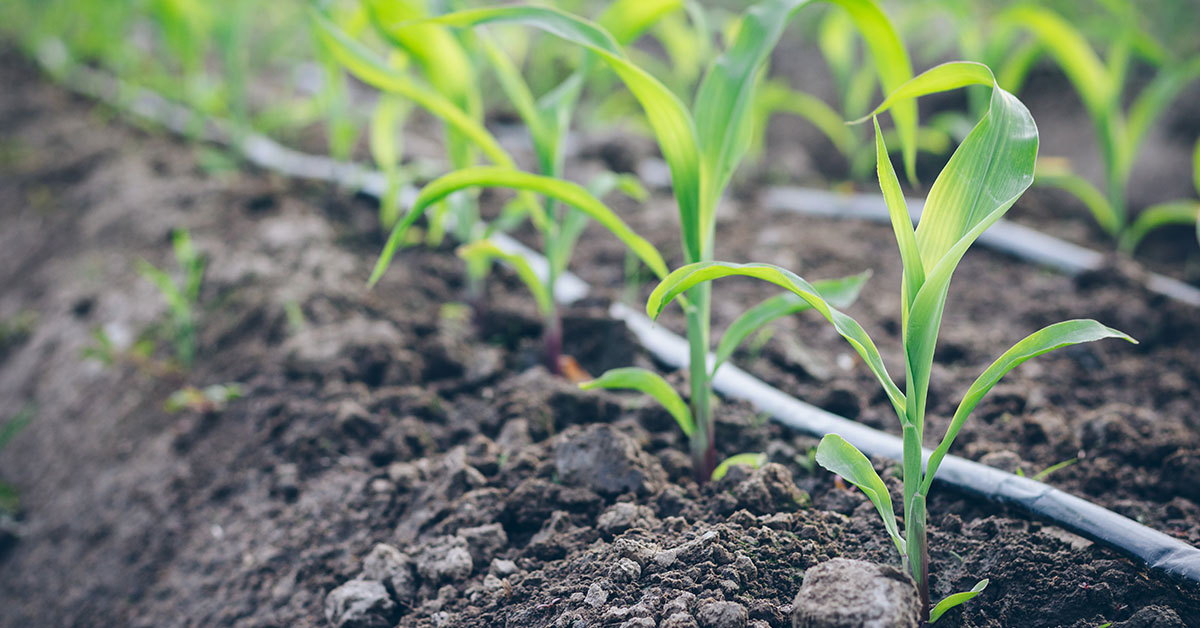

Welcome to the world of growing Golden Bantam Corn, a delightful heirloom variety that promises to bring a burst of sunshine to your garden and dinner table. With its vibrant yellow kernels and sweet, rich flavor, Golden Bantam Corn has been a favorite among gardeners for generations. In this comprehensive guide, we will take you through the step-by-step process of successfully growing this classic corn variety, from selecting the right seeds to nurturing your plants through each stage of growth.
Whether you are a seasoned gardener or a beginner, this article will equip you with the knowledge and techniques needed to cultivate a bountiful harvest of Golden Bantam Corn that will leave you and your loved ones craving for more. So, roll up your sleeves, grab your gardening tools, and let’s embark on this corn-growing adventure together!
What is Golden Bantam Corn?
Golden Bantam Corn is a popular heirloom variety known for its exceptional taste and vibrant yellow kernels. This sweet corn cultivar typically grows to a height of 5-6 feet, producing multiple ears per stalk. The ears are medium-sized, reaching about 7-8 inches in length, and are characterized by their tightly packed rows of plump, tender kernels. The kernels themselves are a rich golden color, hence the name “Golden Bantam.”
This variety is renowned for its sweet flavor, making it a favorite among corn enthusiasts. It is also relatively easy to grow, thriving in full sun and well-draining soil. It is recommended to plant the seeds in blocks rather than single rows to ensure proper pollination. With regular watering and adequate fertilization, this corn variety can be harvested in approximately 75-85 days, providing a bountiful harvest of delectable, golden ears. Whether enjoyed fresh off the cob, grilled, or used in various culinary creations, Golden Bantam Corn is a delightful addition to any garden or dinner table.
What does Golden Bantam Corn taste like?
Golden Bantam Corn is a classic heirloom variety known for its exceptional flavor profile. When you take a bite into a perfectly ripe ear of Golden Bantam Corn, you’ll be greeted with a burst of sweetness that is truly delightful. The kernels are tender and succulent, with a creamy texture that melts in your mouth. The flavor is rich and buttery, with hints of honey and a subtle nuttiness.
Golden Bantam Corn has a distinct sweetness that is unmatched by many other corn varieties. It is often described as having a nostalgic taste, reminiscent of the corn enjoyed by previous generations. Whether you choose to grill it, steam it, or simply enjoy it fresh off the cob, Golden Bantam Corn is sure to satisfy your taste buds with its incredible flavor.
How to start Golden Bantam Corn from seed
Starting Golden Bantam Corn is an exciting endeavor that can yield delicious and sweet corn cobs. To begin, choose a sunny location in your garden with well-drained soil. Prepare the soil by removing any weeds and loosening it with a garden fork or tiller. Corn is a heavy feeder, so enrich the soil with organic matter like compost or well-rotted manure.
Once the soil is ready, it’s time to sow the seeds. Plant the seeds directly into the ground, spacing them about 12 inches apart in rows that are 2-3 feet apart. Make sure to plant the seeds at a depth of around 1-2 inches. Corn is wind-pollinated, so it’s best to plant it in blocks rather than single rows to ensure proper pollination.
After planting, water the seeds thoroughly and keep the soil consistently moist until germination occurs, which usually takes around 7-10 days. Once the seedlings emerge, thin them out, leaving the strongest plants about 8-12 inches apart. This will give them enough space to grow and develop.
As the corn plants grow, it’s important to provide them with regular watering, especially during dry spells. Aim to provide about 1 inch of water per week. Mulching around the plants can help retain moisture and suppress weed growth.
Corn is a heavy feeder, so it’s crucial to fertilize the plants throughout the growing season. Apply a balanced fertilizer, such as a 10-10-10, when the plants are about 6 inches tall and again when they start to tassel. Follow the package instructions for application rates.
To prevent pests and diseases, monitor your corn plants regularly. Common pests include corn earworms and aphids. If you notice any signs of infestation, consider using organic pest control methods or consult with your local garden center for appropriate solutions.
Harvesting Golden Bantam Corn is a rewarding experience. The corn cobs are ready for picking when the silks turn brown and dry, and the kernels are plump and milky when pierced. To harvest, hold the corn stalk firmly and twist the cob downward until it breaks free from the plant.
Enjoy the fruits of your labor by cooking the corn as soon as possible after harvesting to savor its sweet flavor. Golden Bantam Corn is delicious when boiled, grilled, or roasted. Remember to save some seeds from your best plants for next year’s crop, ensuring a continuous supply of this delightful variety.
When to plant Golden Bantam Corn outdoors
The ideal time to plant Golden Bantam Corn is during the late spring or early summer when the soil temperature has reached around 60°F (15°C). This variety of corn is a warm-season crop that thrives in full sun and requires a long growing season to reach maturity. Before planting, it is important to ensure that the soil is well-drained and rich in organic matter. Prepare the soil by removing any weeds and loosening it with a garden fork or tiller. Sow the corn seeds directly into the soil, spacing them about 12 inches (30 cm) apart in rows that are 30-36 inches (76-91 cm) apart. Planting in blocks rather than single rows can enhance pollination. Once planted, provide regular watering to keep the soil consistently moist but not waterlogged. As the corn plants grow, it is essential to provide support, such as stakes or trellises, to prevent them from falling over in strong winds. With proper care and attention, Golden Bantam Corn can produce delicious, sweet ears ready for harvest in approximately 70-80 days.
Growing & care guide
Golden Bantam Corn, a popular heirloom variety, requires specific care to ensure a successful harvest. Start by selecting a sunny spot in your garden with well-drained soil. Prepare the soil by incorporating organic matter and ensuring a pH level between 6.0 and 7.0.
Sow the seeds directly into the ground once the soil has warmed up, spacing them 8-12 inches apart in rows 30-36 inches apart. Keep the soil consistently moist, especially during germination. Once the plants reach a height of 4-6 inches, thin them to a spacing of 12-18 inches to allow for proper growth.
Regularly weed around the plants to prevent competition for nutrients and water. Fertilize with a balanced organic fertilizer when the plants are knee-high and again when they begin to tassel. To promote pollination, it is recommended to plant corn in blocks rather than single rows.
Hand-pollinate by gently shaking the tassels to release the pollen onto the silks. Harvest the ears when the silks have turned brown and the kernels are plump and milky. Enjoy the sweet and flavorful Golden Bantam Corn either fresh or preserve it by blanching and freezing. By following these best practices, you can ensure a bountiful harvest of this delicious corn variety.
Harvesting Guide
Golden Bantam Corn, a popular heirloom variety, is ready for harvest when the ears are fully mature and the kernels are plump and filled out. Typically, this occurs around 20 days after the silks appear on the ears. To determine if the corn is ready, gently peel back the husk and press a thumbnail into a kernel. If a milky substance squirts out, it is a sign that the corn is ready for harvest.
When harvesting, hold the stalk firmly and twist the ear downward, pulling it away from the plant. Avoid yanking or pulling too hard, as this may damage the plant. It is important to harvest the corn as soon as it is ready, as the sugars in the kernels begin to convert to starch shortly after harvest, resulting in a loss of flavor and sweetness. Enjoy the delicious taste of Golden Bantam Corn by cooking it immediately after harvest or storing it in the refrigerator for up to a few days.