
Fresh goat cheese often sits in the refrigerator longer than it should. Its high moisture content sets it apart from drier, aged varieties and accelerates spoilage. Home cooks who treat it like a block of cheddar soon discover the difference.
Moisture Drives the Timeline
Soft, fresh goat cheese contains far more water than aged wheels. That extra moisture creates an environment where bacteria and mold establish themselves quickly. The same principle explains why fresh mozzarella lasts less time than parmesan.
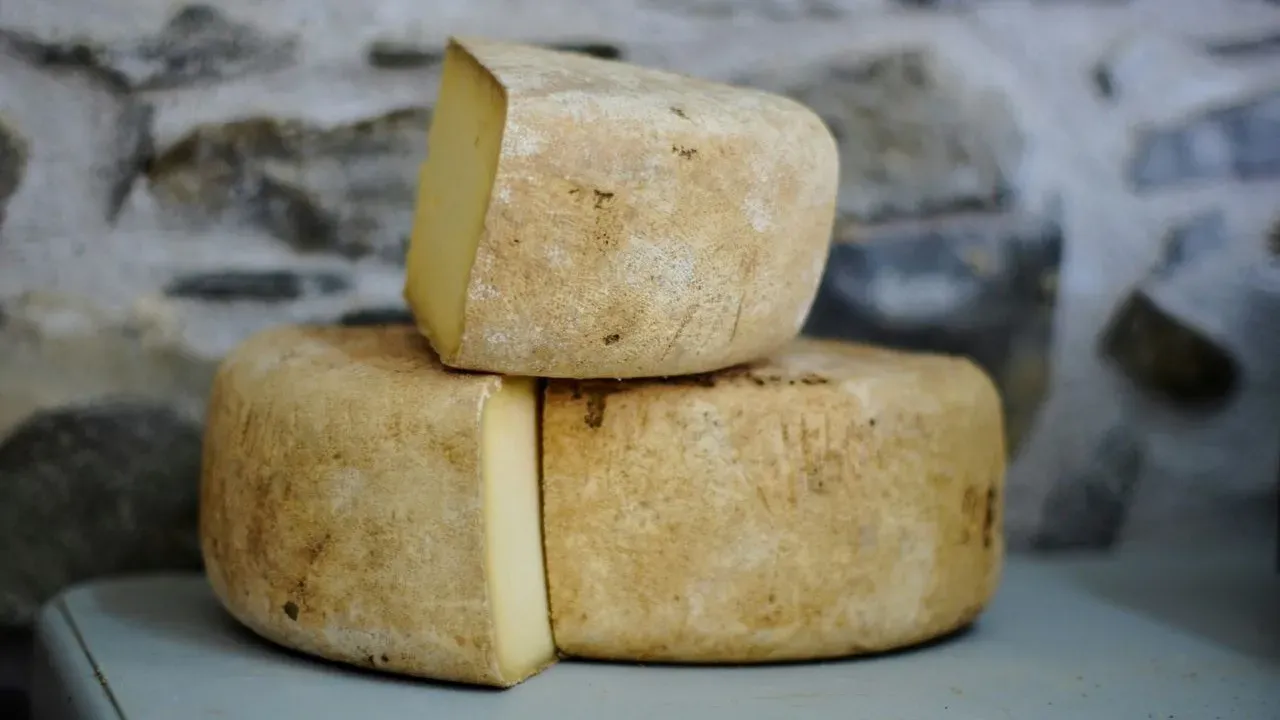
Aged goat cheeses undergo a deliberate drying process during production. Lower moisture levels slow microbial growth and extend usability. The distinction between fresh and aged forms matters more for storage than the source of the milk itself.
Practical Storage Windows
An unopened package of fresh goat cheese remains good until the printed sell-by date when kept sealed and cold. Once opened, guidance from major producers points to a five-to-seven-day window in the refrigerator. Rewrapping tightly and storing in the coldest section helps maintain quality.
Aged or hard goat cheese holds up longer after opening. Most varieties stay usable for two to four weeks when wrapped in wax or parchment paper followed by a layer of plastic. Bloomy-rind styles continue to ripen and require use within one to two weeks.
| Type | Unopened | Opened |
|---|---|---|
| Fresh chèvre | Until sell-by date | 5–7 days |
| Aged or hard | Until sell-by date | 2–4 weeks |
| Bloomy-rind | Until sell-by date | 1–2 weeks |
Listeria Remains the Primary Safety Issue
Age alone does not determine safety. Soft cheeses made from unpasteurized milk carry an elevated risk of Listeria, a bacterium that grows at refrigerator temperatures. Health authorities advise pregnant people, older adults, and those with weakened immune systems to avoid unpasteurized soft cheeses or to heat them thoroughly.
United States regulations require pasteurization for any fresh cheese aged less than sixty days. Most grocery-store goat cheese therefore arrives pasteurized. Imported or farmstead products may differ, so checking the label remains essential.
Clear Signs of Spoilage
Visible mold on fresh goat cheese means the entire piece should be discarded. High moisture allows mold to spread internally in ways that surface trimming cannot address. A sour or ammonia-like odor, sliminess, or dull gray color also signals that the cheese has turned.
Aged varieties permit more flexibility with small surface mold spots. Cutting away at least an inch around the affected area often works, though uncertainty favors disposal. Freezing offers another option for excess cheese, though fresh types become crumbly and watery after thawing and suit cooked dishes better than cheese boards.
Understanding these differences helps prevent waste while protecting health. Proper handling turns a short-lived ingredient into reliable additions for salads, dips, and baked dishes.
AI Disclaimer: This article was created with the assistance of AI tools and reviewed by a human editor.